Broncolor

0 Plays ·Posted
Rodney Smith was a photographic visionary, with an allegiance to the image above all else. Long acclaimed for his iconic black-and-white pictures—not to forget his later jewel-like color scenes—Smith captured enchanted worlds full of subtle magic and lighthearted humor. Using only analog film and the aesthetics of natural light, his dream-like photographs are matched in quality by the craft and physical beauty of his prints.
Above photograph © The Estate of Rodney Smith
Smith died in 2016, yet the enduring precision, elegance, and whimsy of

Typing #food into Instagram's search bar returns more than 450 million posts, making the search for food photographers on this social platform somewhat akin to "shooting fish in a barrel." Yet, while the number of followers to the most popular feeds surpasses the million mark, when it comes to the topic of food, it's a common occurrence for cookbook authors, recipe creators, food stylists, and celebrity chefs to add the term "photographer" to their skill set, thereby magnifying the popularity of this flavorful subject.
To assemble this current

Subject and style may vary, but consistency is a quality shared by all successful photo studios. When working indoors, that begins with lighting. Strobes remain the bread and butter of many still photography studios. Unlike natural light, which can be finicky and unpredictable; on-camera flashes, which are not typically designed for studio use; or continuous lights, which can become costly as output increases; strobes are

If you haven’t started using radio triggers when you shoot weddings, you should do so right now. There have never been more high-quality radio systems on the market than right now, and many brands are equipping their lights with built-in receivers that make it so that you don’t even need to carry a bag of PocketWizards around. Considering that the equipment is affordable and effective, and it can eliminate the need for wires or unreliable optical systems, you need to get a move-on and upgrade your lighting kit.
A good example for a modern
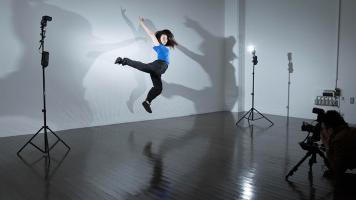
Many photographers like to work with available light or “daylight.” Daylight, at the right time of day and under the right conditions, can make for beautiful lighting. However, it can be controlled only to a point. Photographers often want complete control over shaping the light. This leads to shooting in a studio environment with a studio lighting kit.
Using a 2-monolight setup.
Model: Baron Jackson
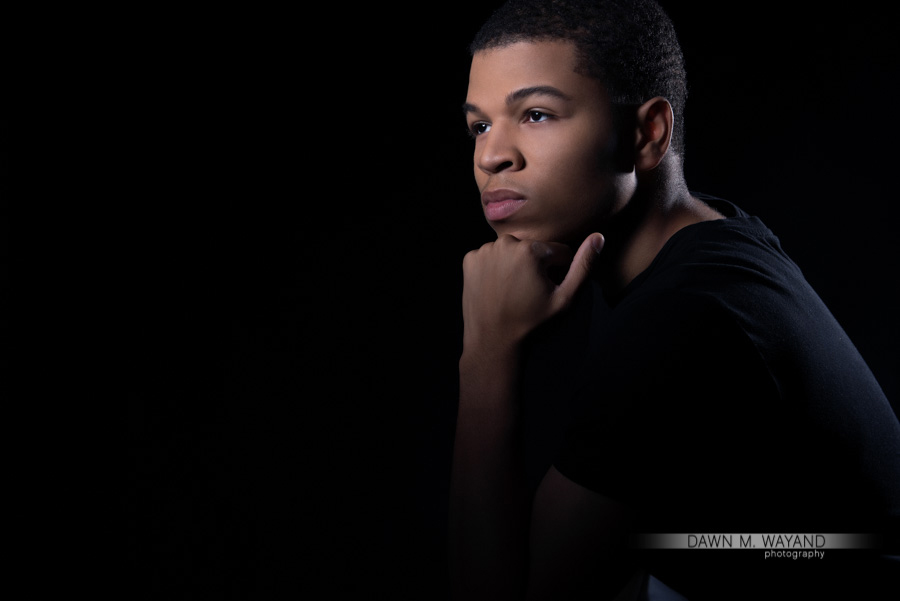

A softbox is an enclosure designed to fit around an artificial light source, such as a flash tube or halogen lamp. Its reflective interior intensifies the light output and projects it through its only means of escape—the front diffusion screen. This creates a quality of light long appreciated by photographers and videographers, which resembles the softer light one might find streaming through a window. It also creates square or rectangular highlights in the reflective surfaces of your subjects. The "soft" name stuck because of the quality of