DIYP

Bokeh is a word that carries a lot of weight in modern photography circles and can, surprisingly, breed heated conversations, but what does it really mean and how does it apply to portrait photography? As an introduction, consider the word—which is derived from the Japanese term for “blur” or “haze”—to mean the aesthetic quality of the out-of-focus parts of an image surrounding an in-focus subject. It is not simply something not in focus, it is a product of shallow depth of field and can be quite beautiful on its own, but also lends to
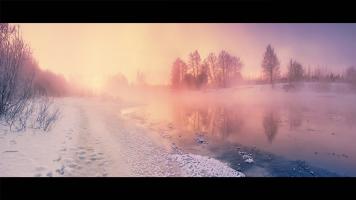
Anamorphic is everywhere. From epic drama and science-fiction films to football’s cheesy Big Game advertisements, it’s hard to escape that ethereal, otherworldly aesthetic of the “anamorphic look” that just seems to imply the term “high budget.” In this article, I will teach you a few tips and tricks to “fake” this prized and stylized look. Why would anyone want to “fake” the look? The reason is that true anamorphic productions require very expensive, and often rare, lenses that very few filmmakers can afford to own and properly maintain. Some

Photographing holiday lights and candles is one of the most fun holiday adventures any photographer can have and a great way to explore and enjoy the festive lights in your neighborhood and home.
Here are some tips on how to make the most of your captures of holiday lights while you wait to receive gifts from your B&H wish list!
1. Use Low-Light / Night Photography Techniques
The best time to view holiday lights is when the lights go down (indoors and outside). Therefore, you will benefit from the tried-and-true practices of