Interfit

Mastering studio lighting can feel like a Herculean feat when you’re just getting started. Like any aspect of photography, it requires patience, practice, and plenty of mistakes before it comes naturally. In an effort to shorten your learning curve, we’ve rounded up 10 common issues that beginners encounter and how to fix them.
Technical Issues
Lighting setups can be as simple or complicated as your heart desires—or your shot requires. However, before you can begin to think about how to use your lights creatively, you need to understand how

by Lindsay Finnegan ·Posted
Are you new to food photography or looking to advance your lighting techniques? This article takes you through how to use existing light to your benefit as well as how to create it yourself. Both approaches will yield similar results, but each has its own unique advantages. It’s up to you which path to take.
Natural: Work with Window Light
The simplest way to photograph food is to shape light that already exists

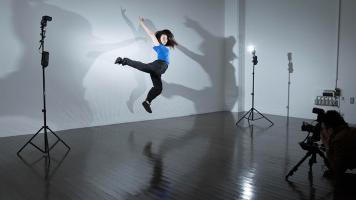
Many photographers like to work with available light or “daylight.” Daylight, at the right time of day and under the right conditions, can make for beautiful lighting. However, it can be controlled only to a point. Photographers often want complete control over shaping the light. This leads to shooting in a studio environment with a studio lighting kit.
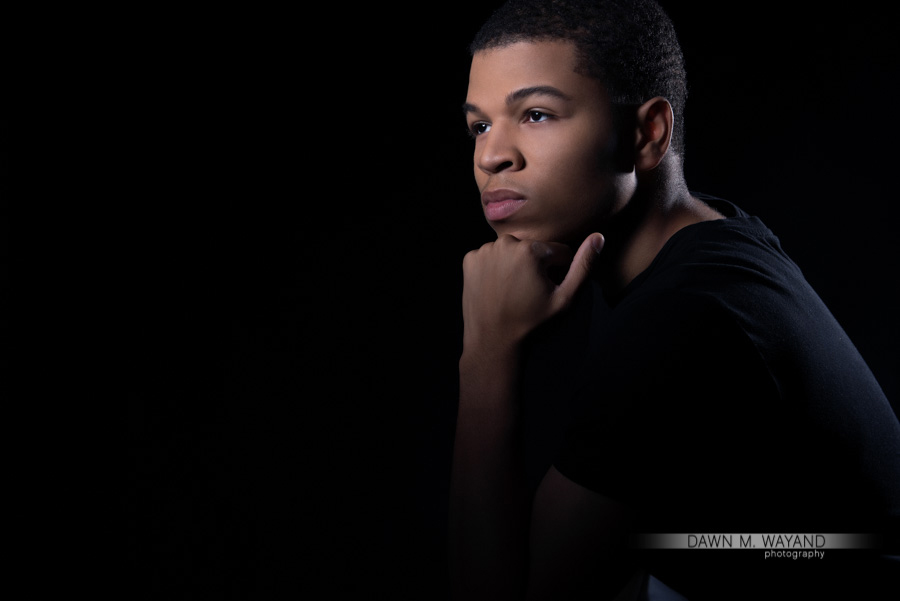
Using a 2-monolight setup.
Model: Baron Jackson

The honey badger is one of the most fearless creatures in the world, and it looks as though Interfit wants to be just as fearless with its desire to take on established players in the lighting industry, with feature-rich and affordable strobes—this time with the Honey Badger 320Ws Compact Flash Head, which weighs just 3 lb and measures 5" wide by 6" deep. It looks impressive, considering it is completely self-contained,

Wedding photography has become an extremely popular and lucrative specialty. First and foremost, a wedding is a grand, unrepeatable, emotionally charged event at which expectations run high, and second best won’t do. Being a wedding photographer requires dedication and talent, but having the right equipment is crucial if you expect to achieve sharp, well-composed, well-lit images that depict people at their best. Here’s a basic rundown of what you’ll need to take your wedding photography to new dimensions, or to fill in the gaps in your

As a working photographer, the center of the universe is your camera bag and its contents. Your cameras and lenses are the tools of your trade. As you may have noted, both are mentioned in plural because just as you wouldn’t jump out of an airplane without a backup parachute, you shouldn’t attempt to photograph an emotionally spiked, non-repeatable event armed with only one camera. The same applies to lenses, too. The many aspects that comprise shooting weddings—portraits, the ceremony, dimly lit environs, tight, crowded quarters and bright