Letus35
It’s movie night, the time to see one of several big science-fiction films of the summer. You arrive just as the 15 minutes of previews start, trying to sneak past the other patrons in your row without tripping over any outstretched limbs or jutting armrests. At last, you’ve arrived at your seat. You ease into the overly spongy cushion and let out a sigh of relief as the realization that you didn’t tar-and-feather any of the other moviegoers with your one-two punch of glowing-yellow buttered popcorn and soft drink. It’s enough to almost make
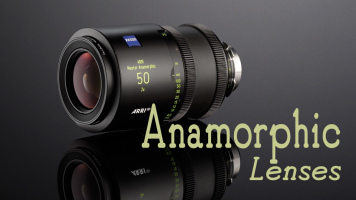
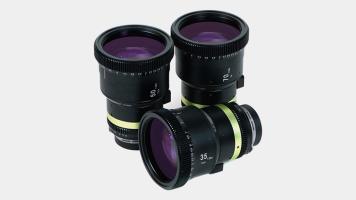
What began as a tool and technique for capturing and projecting wider aspect ratios on 35mm film, anamorphic lenses are a runaway favorite among cinematographers for the unique characteristics they bring to moving images. Ultra-wide rectangular aspect ratios, long horizontal lens flares, and oval bokeh (the out-of-focus areas of the image) now feel as much a part of the cinematic experience as a bucket of popcorn and a liter of soda.
So how do anamorphic lenses work? The term anamorphic derives from the Greek words meaning ”formed again.”