Slik

I went out for a walk with my camera one recent morning. It was bright and sunny—a perfect day for taking pictures. The camera ISO was set at 400, the aperture on my 105mm lens was three-and-a-half stops down from maximum aperture (the “sweet spot”), and my shutter speed was set to 1/500-second. According to the rules—never handhold a camera at a shutter speed slower than the numeric value of the lens in millimeters you are using—there was no reason I should have expected anything other than sharp pictures. Imagine my surprise when I opened

I still remember vividly, the first time I ever photographed the Milky Way. It was on a crop sensor camera with a kit lens, in the middle of winter. I had no composition to speak of, and the galactic core of the Milky Way was not visible at that time of year. Somehow none of that mattered: I was completely mesmerized. Seeing the cluster of stars on the back of the screen felt as if someone had pulled back a grand cosmic curtain, and allowed me to peer into the universe. From that moment forward, I was completely hooked on photographing the
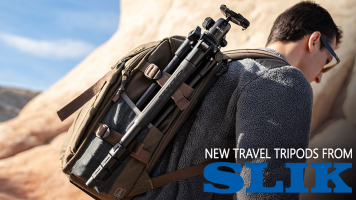
In the expansive world of tripod manufacturers, Slik is one of those brands that brings a lot of value to the customer without the are-you-kidding-me? price tags of other brands. Staying the course, Slik is rolling out two new series of travel tripods for photographers and videographers who are heading out for various adventures and looking for stability for their camera rigs. Let’s take a look at the new AL-Pro 300 Series and the Sprint Pro III Series of tripods in the Slik line

Intrepid adventurer Rachel Jones Ross is most in her element amid heaps of puffy snow, blooming frost flowers, skies full of stars, and methane bubbles in ice. After embarking on a psychology career, Ross fell under the spell of capturing the cosmos in awe-inspiring nocturnal landscapes that coax a delicate inner light from the cold, dark Canadian winter. She now leads photography workshops that help attendees to hone their technical skills and empower their creativity.
We caught up with Ross

The travel tripod conundrum is a cruel reality of physics and practicality. The larger and heavier a tripod is, the steadier it will hold a camera. The larger and heavier a tripod is, the less likely you will ever want to carry it around or take it on a trip. Why are we left with a photographic reality like that which makes the tastiest food bad for you?
Tripods come in all shapes, weights, heights, and styles. If you