Search results for: photography buying guide light meters
About 27 filtered results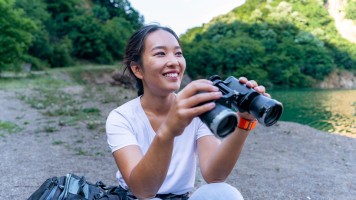
by Mathew Malwitz · Posted
Optic size is measured by what it can do, but when you’re new to the hobby, this can be confusing. Pick up a spotting scope or any pair of binoculars and you’ll see them adorned with a set of numbers like 8x42, 7x32, or 20-60x80. What exactly do those numbers mean and what do they tell us about an optic?
At the most

by Mathew Malwitz · Posted
Who doesn’t want to capture fun and creative portraits of our four-legged friends? We know we love it. In fact, pet photography may just be the most popular form of photography there is. Think of all the smartphone snaps of yawns, big stretches, and funny moments we all take of our cats, dogs, chinchillas, and beyond.
Quick snaps aside, you know what really ups the quality of our pet portraits? Lighting. Just as with any form of portrait, lighting unlocks possibilities that can be impossible without it. But what lighting system should we use?

by Mathew Malwitz · Posted
Most photos consist of a balance between bright and dark tones, creating what we typically consider to be “proper exposure.” In proper exposure, there should be ample detail in all areas of the image, no matter how dark or how bright. At least, that’s what we should do when trying to capture a balanced exposure.
Balance, while important to most photographic situations, is not always best for a scene. There are

by Luke Rollins · Posted
Subject and style may vary, but consistency is a quality shared by all successful photo studios. When working indoors, that begins with lighting. Strobes remain the bread and butter of many still photography studios. Unlike natural light, which can be finicky and unpredictable; on-camera flashes, which are not typically designed for studio use; or continuous lights, which can become costly as output increases; strobes are built to withstand the rigors of studio life while providing flexible and powerful light. But with so many options on the

by Mathew Malwitz · Posted
Winter brings with it some of the best photographic opportunities imaginable. As the temperatures begin to drop, our approach to photography changes a bit. Cooler weather brings with it snow, stunningly colorful evening skies, wintering birds, and an assortment of beautiful weather conditions. Some of the best photographic opportunities present themselves in these unfortunately cold times. That being said, if we prep ourselves and our gear appropriately, we can capture stunning images.
Before You Head Out
First, some safety precautions. Cold

by Mathew Malwitz · Posted
As the holiday season fast approaches, you may find yourself looking for the perfect gift for the photographer in your life. With all the gear on the market, finding the right gift can seem overwhelming, but don’t worry, we’ve got you covered. We’ve compiled a list of some of the most popular gift items for both digital and film shooters.
35mm Film and Beyond
Film is back and there are plenty of vibrant stocks to choose from. You can never go wrong with

by Mathew Malwitz · Posted
Finding the right lighting solution on a budget can be overwhelming, even for the most seasoned shooters. To make things a little easier, we’ve put together a list of some our favorite lights and lighting accessories for under $100.
Speedlights
The Godox TT350 Flash is a small TTL speedlight available for most major brands. TTL stands for “through-the-lens” metering, which is as close to auto as flash photography can

by Mathew Malwitz · Posted
For landscape photographers, having the right equipment is everything. You want gear that is lightweight, rugged, and easy to travel with. Multipurpose gear that has a variety of practical applications when you’re out in the field never hurts either. If you are a landscape photographer or buying a gift for one, we have some great product recommendations for every budget.
Gifts Under $50
1. Multitools are a photographer's best friend, especially out in the field.

by Cory Rice · Posted
The equipment used by fashion photographers varies considerably, depending on what is being photographed and who is behind the camera. In general, the kit requirements for documenting a fashion show are more standardized than those for creating editorials. There are successful fashion photographers who can fit all of their gear in a single bag—and others who require an entire equipment truck. This article is aimed at photographers getting started with fashion productions. Photographers interested in capturing runway should read Theanos Nikitas

by Bjorn Petersen · Posted

by Todd Vorenkamp · Posted
When wedding, portrait, and event photos are required outside of the studio, you often need to bring portable lighting kits. As we all know, houses of worship and event spaces are rarely lighting friendly to the wedding shooter and portrait photographer. While we all wish we had enough hired help to lug full-sized lights and heavy C-stands to our locations, portable light kits help photographers get the shots their clients demand without requiring pack

by Rebecca Melville · Posted
The best on-camera flash is more powerful, offers greater control, and facilitates more artistic and creative approaches to lighting than your standard built-in camera flash. No wonder the on-camera flash, or strobe, is one of the most indispensable accessories a photographer can buy.
But how do you know which flash is right for you? If you own a camera from a big-name manufacturer (e.g., Canon or Nikon), should you buy a flash from them?

by Bjorn Petersen · Posted
While film photography tends to take a back seat to digital photography nowadays, many photography programs still teach film photography to help you gain a better understanding of how the basic photographic process works. Without computers and an LCD screen to fall back on, shooting with film helps to reinforce technique and make you learn, understand, and trust yourself while shooting.
Film
The most obvious thing someone needs to begin his or her education in film photography is
by Chris Elia · Posted
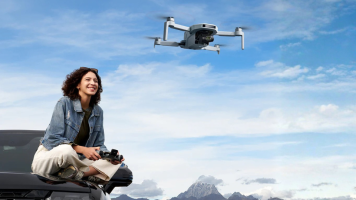
Drones have exploded in popularity over the past few years. No longer a niche interest or an expensive tool, these unmanned aerial vehicles have drastically improved in both quality and accessibility. Now both hobbyists and professionals have a wide range of inexpensive, portable drones to choose from. However, this can be a bit overwhelming—especially when every option seems to boast a "high-resolution camera" and advertises as "under 250 grams." This guide will help you narrow down the best mini drones.
Sub-250 gram drones—which we'll

by M. Brett Smith · Posted
Portrait photography, or portraiture, remains one of the most popular genres of photography today—and for good reason. Portraits are compelling; they are evocative. Portraits tell a story; they elicit an emotion. Shot correctly, a portrait can reveal the true essence of a person, who they are and what they feel. According to Godard, portraiture is tantamount to capturing the soul. About what other medium or form of expression could you say such a thing?
As with most genres of photography, portraiture is not beholden to any one specific