Photography
- Recently Added
- Popularity
- Name
About 427 filtered results
Posted
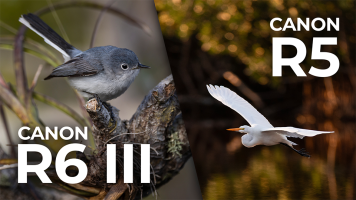
Both the Canon R5 and R6 III offer impressive features that make them perfect for wildlife photography. If you're struggling to choose and wondering what camera to buy, do not fret! Matt shows these two full-frame cameras in action, sharing how their specs will affect your real-life experience in the field.
0:00 - Intro
0:33 - R5
2:44 - R6 III
3:21 - Pre-Continuous Shooting
5:47 - Highest Shutter Speed
5:58 - Autofocus & Tracking Modes
6:32 - Ergonomics
6:51 - Battery Life
7:05 - LCD Screen & EVF
7:52 - Video
8:55 - Final Thoughts

by Mathew Malwitz · Posted
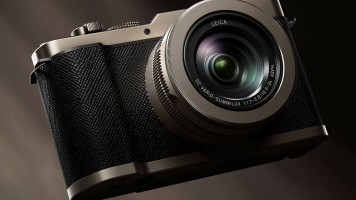
When it comes to choosing the right camera, there’s often a gap between the small, pocketable point-and-shoot cameras and larger mirrorless ones. While interchangeable lens mirrorless cameras have much to offer, their higher price points and larger form factor often make them unfeasible for the average photo enthusiast. It often leads to the question of how a photographer can bridge that gap.
Enter the aptly named
by Mathew Malwitz · Posted
After the smartphone revolution, it appeared that the days of the compact camera were done. How wrong we were. It’s true that a few years back, point-and-shoot options were few and far between. There were just a handful of options on the market, and some industry titans even left the market entirely. Despite the long-rumored demise of the compact camera, it seems that photo enthusiasts still desire a dedicated device without the distractions that come with a smartphone.
What is a compact or “point-and-shoot” camera? Just because a camera is “
by Meg Mann · Posted
There are plenty of dads who seem incapable of taking a break, even if you were to drop them off at the beach. We’ve put together a list of gift ideas that will hopefully give them a much-needed reason to take a breath and indulge in that long-awaited trip or vacation.
To Capture
1. FUJIFILM instax WIDE 400 Instant Film Camera
Appeal to nostalgia with FujiFilm’s fresh take on instant film with the
by Luke Rollins · Posted
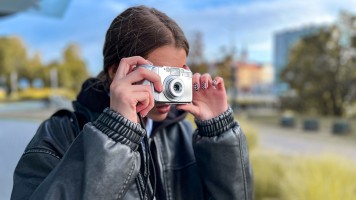
The market for point-and-shoot cameras is in an interesting place at the moment, with some of the most affordable options available new instead of used. As vintage Y2K-era imagery circulates social media, demand for these old digicams surges, all but erasing the value proposition that caused these old cameras to go viral in the first place. If you're in search of a fun, casual, and budget-friendly digital point-and-shot camera that still brings those retro vibes, B&H carries a range of available new options catering to different needs.
It'

Posted
Recently, the B&H social media video team traveled to the Florida Everglades to film a wildlife and landscape photography series. Matt Matkin led the bird photography segment, sharing his personal approach to capturing birds in action along with a few memorable moments from the experience.
0:00 - Intro
2:43 - Why bird photography in the Everglades
7:29 - Equipment used
9:13 - Bird resources
12:55 - First impressions & tips
25:08 - Camera settings & composition tips
46:14 - Look for other wildlife
47:22 - Camera & lens

by Bjorn Petersen · Posted
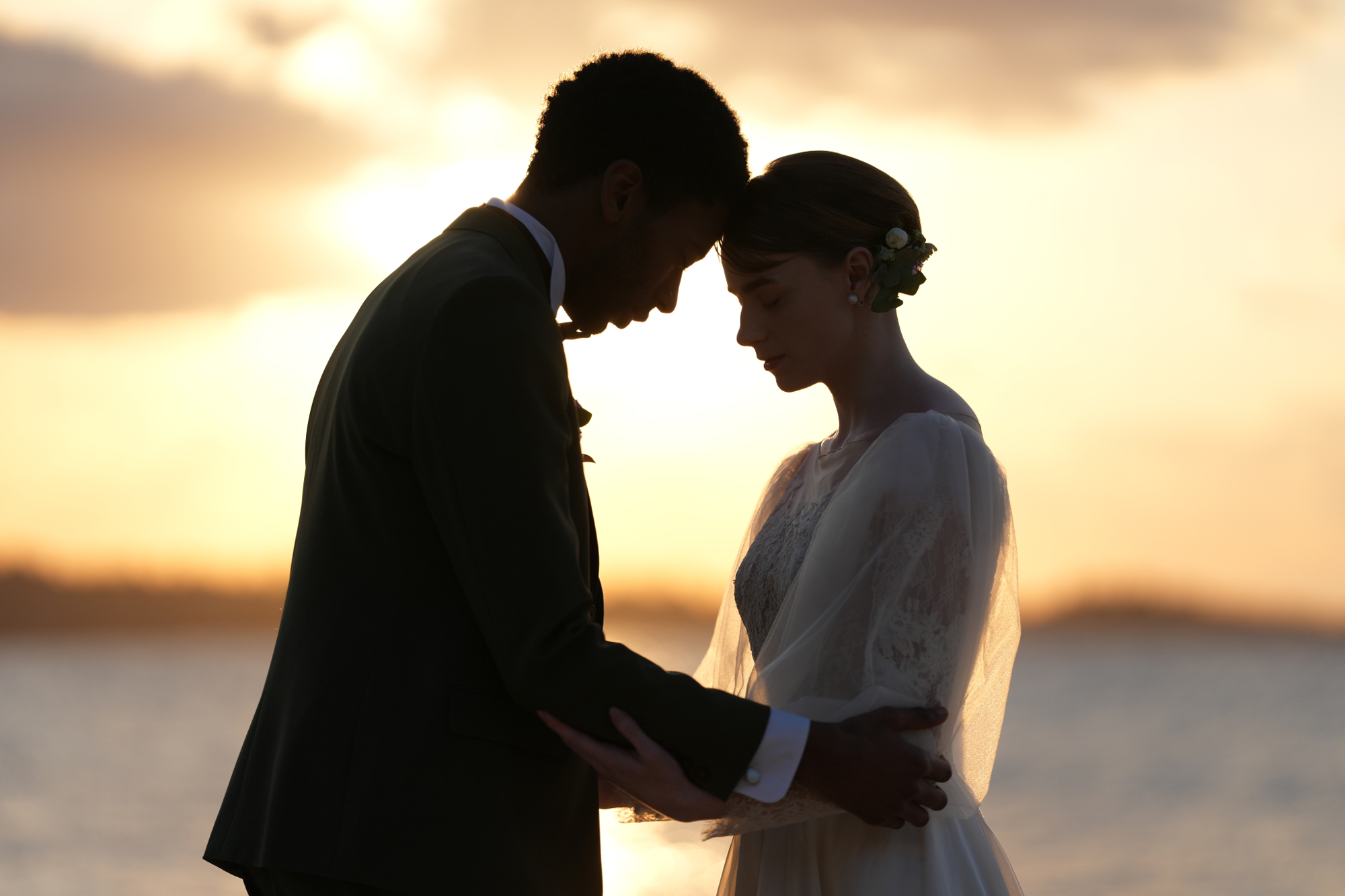
When assembling a kit of lenses for photographing a wedding, one should take into consideration the location in which the wedding is taking place, the number of guests and, of course, the type of imagery you are seeking to create. To best represent a wedding in a dynamic manner, it is often preferable to have a range of lenses to achieve different perspectives of the event, rather than maintaining a constant perspective of your subject matter. A wide-angle lens, specifically, is a highly effective tool for capturing many of the scenes that

by Bjorn Petersen · Posted
In a world where photographers are being asked to capture video and filmmakers need to shoot photos, having one tool that can do both is a major asset—especially in the world of wedding photography where it’s often the same team putting together both the photographs and the video. For this type of scenario, Sony’s latest camera solutions offer some of the best options for hybrid shooting.
Here are some of the best

by Shawn C. Steiner · Posted
Wedding season is upon us and whether you’re a first-time wedding photographer or an experienced pro, you’re likely debating which lenses you should keep or add to your daily kit. Sony makes deciding even tougher with an incredible variety of glass offerings for their E-mount mirrorless system.
Don’t worry though, we’re here to help with our picks for the best Sony lenses for wedding photography.
The New f/2 Zooms: FE 28-70mm f/2 GM and FE 50-150mm f/2 GM
Released in late 2024 and early 2025 respectively, the
by Mathew Malwitz · Posted
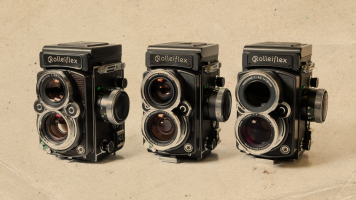
It's not every day that a piece of photography history passes through B&H. Sure, every camera and lens carries a little bit of the past with it, from a DSLR made in 2015 to an old rangefinder from the 50s. History lives in the images they've captured and the hands they've been passed through. That said, there are some cameras and lenses that stand out among the rest. Especially when they come bearing the serial numbers 0000001, 0000002, and 0000003.

by Mathew Malwitz · Posted
Editing is an essential piece of the photography puzzle. We all strive to get it right in camera, but even back in the glory days of analog photography, much of the magic happened in the dark room. Today, we have even more tools at our disposal, from photo management software to programs like Adobe Photoshop where we can make drastic changes to our work.
What we consider too much in terms of editing is up to the artist and their creative vision. What matters more is being able to make the edits you wish to make in the most efficient way

by Mathew Malwitz · Posted
Today, we're going to learn about practical applications of other, less common lenses for street photography such as portrait lenses, ultra wide-angle landscape lenses, and special effect glass like mirror lenses and beyond. These are by no means the only unconventional lenses out there, but these should get your gears turning and inspire you to start experimenting.
Portrait Lenses
Portrait lenses are known for their unparalleled sharpness and eye-catching, subject isolating qualities. This is thanks to their simple design, top-of-the-line

by Mathew Malwitz · Posted
Who doesn’t want to capture fun and creative portraits of our four-legged friends? We know we love it. In fact, pet photography may just be the most popular form of photography there is. Think of all the smartphone snaps of yawns, big stretches, and funny moments we all take of our cats, dogs, chinchillas, and beyond.
Quick snaps aside, you know what really ups the quality of our pet portraits? Lighting. Just as with any form of portrait, lighting unlocks possibilities that can be impossible without it. But what lighting system should we use?

by Mathew Malwitz · Posted
There are innumerable odds and ends that photographers can add to their bag. From a new lens to protective and creative filters, photographers are always buying new gear. If this sounds like your mom or dad, why not help them out a bit and gift them a fun or practical accessory for this Mother’s Day and Father’s Day!
In this guide, we’re focused on the essentials—including a few you may not have previously considered. Without any further ado, let’s take a look at some must-have accessories for your photographer parent.
Circular Polarizer

by Luke Rollins · Posted
If your mom isn’t just the family photographer, but the family’s director of photography, production designer, and art director as well, chances are she’ll appreciate a photo-related gift for Mother’s Day. But if she’s the type of mom who loves to research and investigate every purchase she makes, you might want to think outside the box to find a gift that surprises or excites her or is just something she doesn’t already have. Here are some suggestions for Mother’s Day photo gifts for the mom who has it all:
Fun Little Digital Point &