Sigma

Over five years on from the release of their first full-frame L-mount mirrorless camera, Sigma is providing us an update with the “radically simple” BF. This camera features an aluminum unibody and a trimmed down control scheme that brings things down to the essentials. Alongside the camera, Sigma is going big with the release of the stunning

Sigma blitzed the lens space in 2024, sending six brand new lenses for Sony E-mount and L-mount to market in addition to six Canon RF-mount versions of their most popular APS-C lenses. But it wasn’t just about flooding the zone—the company innovated as well, bringing unorthodox zoom ranges, unprecedented speed, and unexpected focal length to its 2024 output. With five entries in its high-end Art series, one in its dedicated Sports series, and the six Canon RF lenses in its Contemporary line, 2024 saw Sigma solidifying its position as a first-
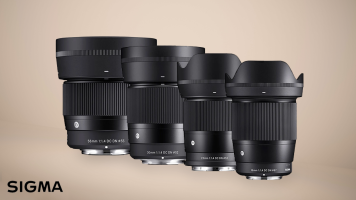
Sigma announces the addition of four new Canon RF lenses to its Contemporary line in 16mm f/1.4 DC DN, 23mm f/1.4 DC DN, 30mm f/1.4 DC DN, and 56mm f/1.4 DC DN focal lengths. Sigma's Contemporary lenses are designed to promote performance in compact and lightweight form factors, and these latest primes continue this philosophy by offering a bright f/1.4 maximum aperture across four popular focal lengths.

0 Views ·Posted
We take you behind the scenes while filming our Iceland: Chasing Light photography series! Get ready for some laughs and see what it takes to film a travel series like this!

0 Views ·Posted
Which is better: primes or zooms? Get ready for a Sigma lens showdown: Iceland Edition! From the Aurora Borealis to travel portraits, Maria and Matt face off to answer this age-old question.
0:00 - Intro
1:32 - Northern Lights
6:39 - Diamond Beach Landscapes
10:51 - Travel Portraits
14:00 - Astrophotography
16:30 - Final Thoughts
Sponsored by

0 Views ·Posted

0 Views ·Posted
This is your astrophotography guide: Iceland edition! Matt covers everything you need to know, including planning, gear, accessories, composition, and settings.
0:00 - Cold Open
0:14 - In This Video
1:32 - Research & Planning
4:56 - Gear
8:53 - Scouting for Composition
9:45 - Taking the Photos
17:50 - What's Next?
Sponsored by

Sigma’s 2024 run of lens releases continues with its debut of the full-frame 28-105mm f/2.8 DG DN Art lens, available for Sony E and Leica L mounts. The unique zoom range, which contains the popular 85mm portrait focal length, is sure to entice wedding and other event photographers or anyone looking for a bright and versatile all-in-one zoom. Like its other recent Art lenses, this new zoom lens features Sigma’s latest autofocus

0 Views ·Posted
There are different types of travel portraits, and the lens focal length you choose affects the story you want to tell. Maria shows you how to go beyond the typical vacation snapshot through natural lighting, settings, focal length, and more.
0:00 In This Video
1:35 The Headshot
3:42 Telephoto Portraits
6:28 Wide-Angle Portraits
8:28 Super-Telephoto Portraits
11:06 Ultra-Wide Portraits
13:58 Self Portraits
16:06 Sunset Silhouette
17:14 What's Next?
Hosted by

0 Views ·Posted
Learn how to plan your travel portraiture before your trip, such as finding locations, choosing your lenses, and packing other essentials.
0:00 - In This Video
0:45 - Research, Planning, & Location Scouting
4:57 - Camera & Lenses
13:50 - Accessories
18:49 - What Do You Need?
Hosted by
Watch Iceland -

0 Views ·Posted
Research, gear, settings, and more! This is your guide to photographing epic daytime landscapes in Iceland, from icy waterfalls to Diamond Beach! Join Matt in the field to learn techniques you can apply to your landscape photos.
0:00 - In This Video
1:06 - Research, Planning, & Location Scouting
2:31 - Cameras & Lenses
6:15 - Bags & Accessories
10:36 - Comfort & Warmth
12:24 - Composition
15:21 - HDR Shooting, Pixel Shifting, Panoramas, Focus Stacking
18:58 - Settings & Filters
20:25 - Focal Length Comparison
22:23 - What'

0 Views ·Posted
B&H x Sigma are pleased to bring you a new outdoor photography series, Iceland: Chasing Light. Maria and Matt photograph all that this bucket list destination has to offer, such as landscapes, environmental/travel portraits, astrophotography, the Northern Lights, and more. You’ll learn tips for not just photographing in the extreme cold, but techniques you can apply to your work any time you shoot!
0:00 - A Life-Changing Destination
1:17 - Why We Do Photography
3:41 - In This Series
Sponsored by

At last, Sigma is adding Canon RF-mount lenses to its portfolio and is beginning with a fast zoom for APS-C cameras, the compact and versatile 18-50mm f/2.8 DC DN Contemporary zoom. This portable standard zoom provides a wide-angle to portrait-length range, bright f/2.8 constant maximum aperture, and is a perfect companion for everyday shooting, regardless if you're photographing portraits, events, street subjects, landscapes, or

0 Views ·Posted
Sigma just announced the 28-45mm f/1.8 DG DN Art Lens, the world's-first f/1.8 zoom for full-frame cameras. This groundbreaking new lens acts as a full-frame spiritual successor to Sigma's wildly popular 18-35mm f/1.8 DC HSM Art lens for APS-C SLRs. Like its iconic predecessor, the 28-45mm f/1.8 DG DN offers the flexibility of a zoom with the speed of a prime.

What a week! Fujifilm announced a ton of new equipment for both the GFX and X Series. The GFX 100S II and GF 500mm look like great additions to Fujifilm's medium-format line, while the