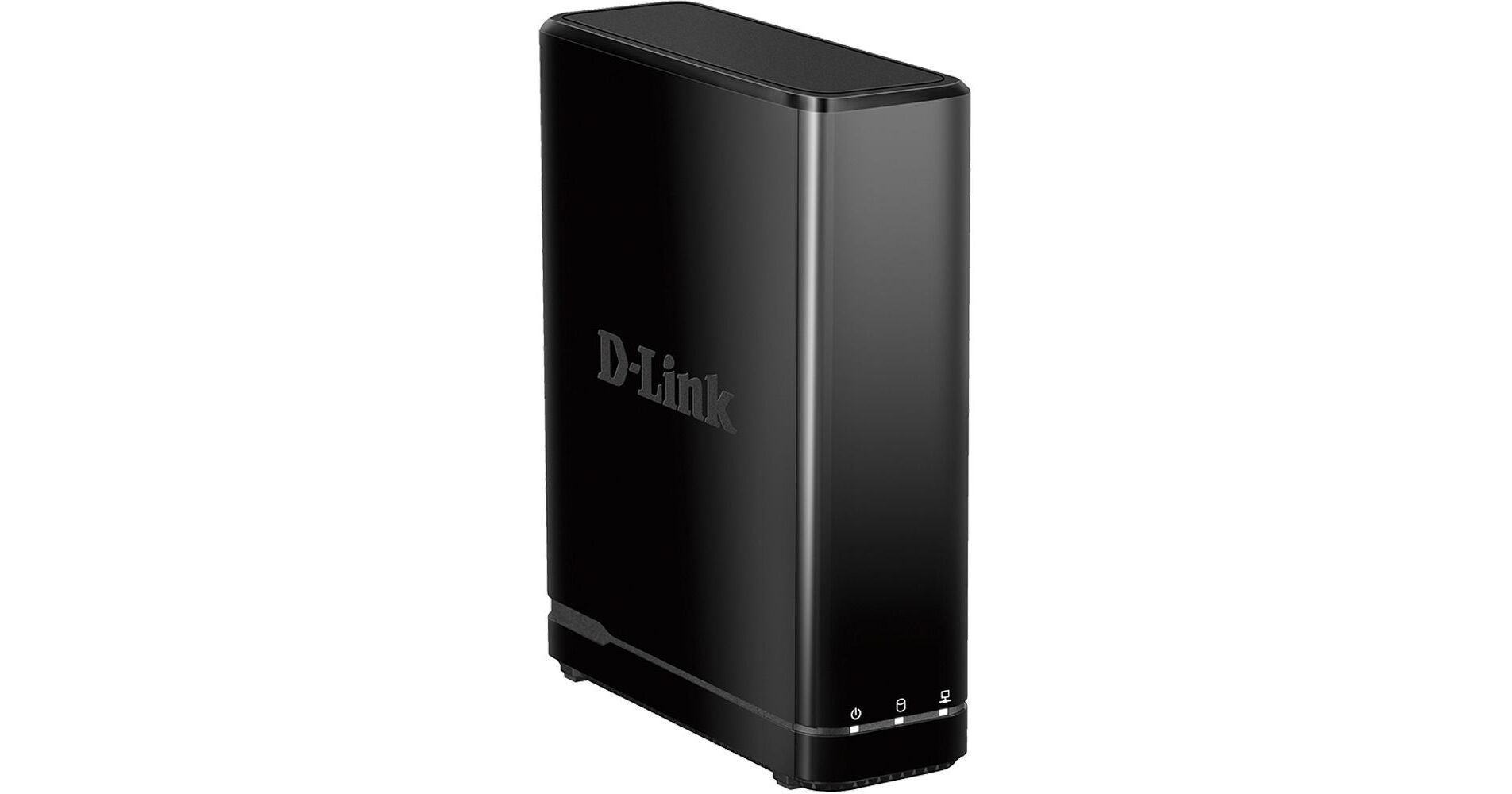
Record video from up to nine D-Link cameras using D-Link's DNR-312L NVR with HDMI Output. While this NVR doesn't require a computer for operation, it includes an HDMI output so you can connect it to a monitor or TV to view video. This NVR can record video on a separately available hard drive with a maximum capacity of 4TB.
Open your computer's web browser or download the Android and iOS compatible mydlink View NVR app to quickly and easily view live camera feeds and control PTZ functions from anywhere with a Wi-Fi or a 3G/4G connection. The DNR-312L has the ability to continue recording live while a user is viewing or searching footage at the same time.
With three video compression modes and schedule, event, motion-triggered and continuous recording modes, this NVR gives you the flexibility to control how and when video is captured and saved. It offers three video encoding modes: H.264, MPEG-4, and MJPEG. The H.264 and MPEG-4 formats transmit keyframes
periodically to significantly reduce the amount of recorded data to your hard disk. The MJPEG format compresses images sequentially, leading to higher quality video, but places more demands on bandwidth and the size of your video archive. Along with the NVR, a power adapter, a power cable holder, and Ethernet cable are also included.
- Reformat Disk
- Supports up to 4TB
- EXT3 file system
- One HDD Bay
- Synchronized audio and video recording
- Configurable video recording settings allow you to set the resolution quality, frame rate, and enable synchronous audio
- Recording modes: Motion-triggered, event-based, schedule, manual and continuous
- Auto Overwrite is triggered when the disk is full
- Remote live-viewing is supported by your Web browser and the mydlink portal
- Remotely control PTZ functions, take snapshots, set patrol schedules, and view e-maps
- Remotely playback, fast forward, rewind, and step forward surveillance footage
- Remote playback up to four simultaneous channels is supported via browser and NVR client portal
- Remote backup software can backup raw data to redundant storage