
Over the past few years, interest in bone conduction headphones has steadily increased, with more and more people growing curious about bone conduction technology and its applications. Today, we're going to break down exactly what bone conduction headphones are, how they work, and who they're designed for. We'll also discuss what to expect in terms of sound quality and comfort, as well as provide a few product examples should you choose to invest in a pair.
What are Bone Conduction Headphones?
To understand how bone conduction headphones work, it's helpful to understand how we hear sound in general. At the risk of oversimplifying, sound, or more specifically soundwaves, are in reality just a bunch of particles vibrating. Hearing is all about vibrations too; humans pick up sound once the vibrations enter the ear, causing the inner ear to vibrate. And the nerve endings in this area translate the vibrations into electrical impulses. The auditory nerve sends these electrical impulses to the brain, which the brain then recognizes as sound. Traditional headphones and earphones use speakers to send soundwaves to your outer ear, which then reach your eardrum, causing the eardrum to jiggle.
In contrast, bone conduction headphones jiggle the bones of your skull with help of a transducer. These vibrations travel through your bone structure to your inner ear. So, rather than employing speakers to transfer sound, your vibrating bones are being used to amplify the soundwaves into your inner ear. And as mentioned above, once your inner ear vibrates, the information is sent as a message to your brain, saying, "Hey, what's up…I'm sound."

You may start to think, "Sound barely breaks through a wall. So, how does it travel through my bones?" Well, this may seem counterintuitive, but sound travels faster through solids than it does through air and water. This is because densely packed particles are better conductors for sound than loose particles. So, the reason the music coming through your wall sounds muffled is because it's hitting air before it hits the wall.
Advantages of Bone Conduction Headphones
Hearing Assistance
Although bone conductions didn't start coming into production until around 2008, some people have used this vibrational method for over a century, Beethoven being the most famous example. It is well known that he was deaf, and to compensate for that he apparently would hold a pencil or metal rod in his teeth and press the other end to the piano as he played. The vibrations of the music would travel through his skull bones into his inner ear. Similarly, many people with hearing difficulties will use bone conduction technology. And if they're using hearing aids, it allows them to keep these devices in their ears so that they stay aware of their environment.

Sports
Especially for those biking or running in cities, bone conduction headphones are a safe and convenient way of hearing music while remaining open to their surroundings. Furthermore, bone conduction headphones typically provide a firmer and more secure fit than earbuds, which can dislodge due to sweat and vigorous movement. There are even bone conduction headphones that are designed for swimming.

Ear Safety
In general, bone conduction headphones may be easier on your ears than conventional earbuds, especially if you tend to play music at loud volumes. Sounds traveling through your skull bones are likely safer than shooting loud noises directly into your eardrum.

Disadvantages of Bone Conduction Headphones
Bone conduction headphones generally don't offer the same sound quality as traditional earbuds and headphones. So, especially if you're an audio enthusiast, it's likely that bone conductions headphones just won't cut it. Not only does the sound tend to be quieter, but often, the bass frequencies aren't adequately powerful. And if you do choose to crank up the volume, you might start to feel uncomfortable from the increased vibration around your face. For some, bone conduction headphones may be a less comfortable fit as well.
Alternatives to Bone Conduction Headphones
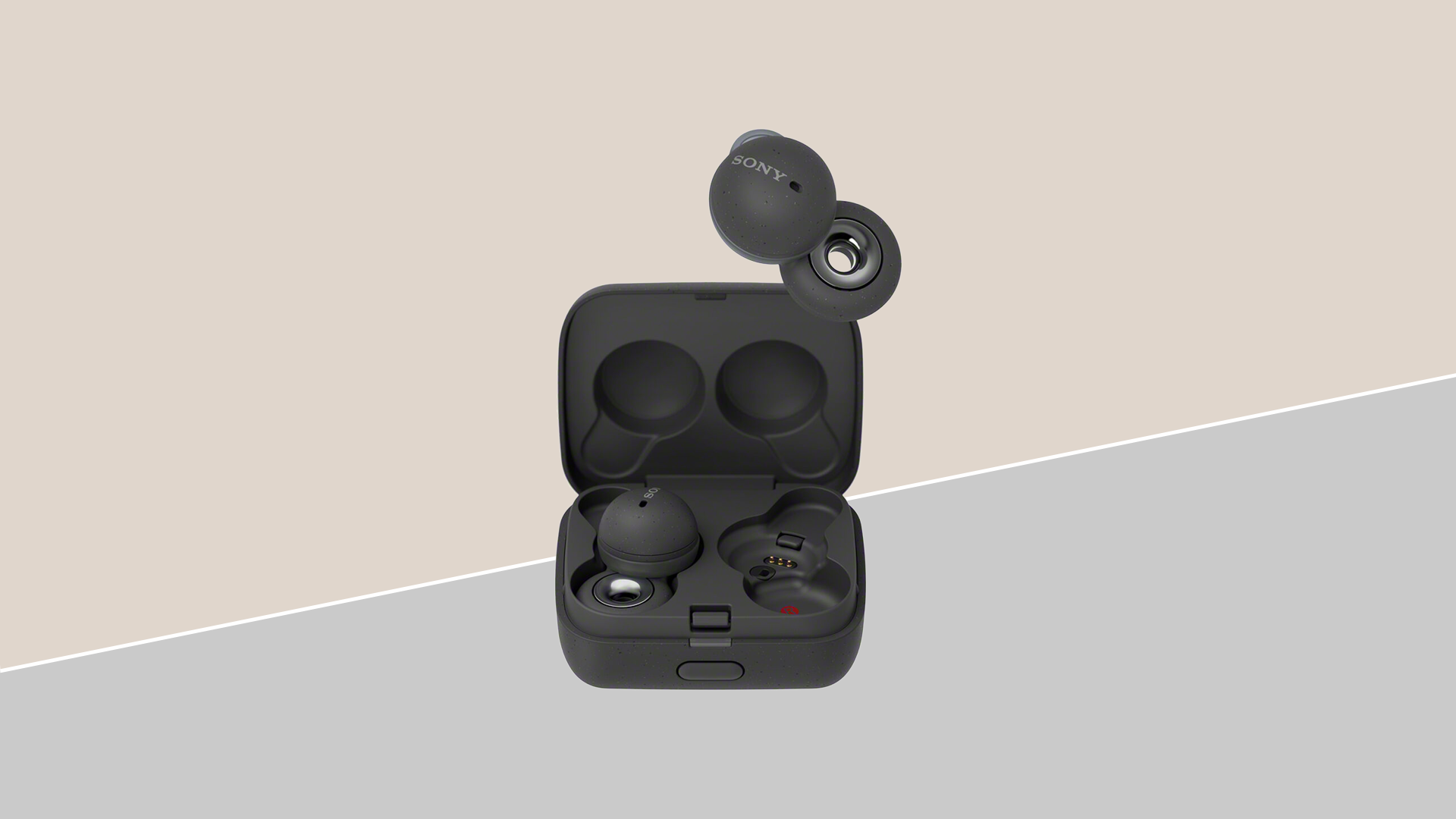
In terms of sound quality per dollar, you'll be better off going with traditional earbuds. If you just want to be able to hear the outside environment while listening to music, you could go for an open-ear earbud model, such as the Sony WF-L900 LinkBuds Open Earbuds or the higher-end, Bose Ultra Open Earbuds. Or, if you're partial to Apple products, you could stick to something simple, like the Apple AirPods (4th Generation), which, unlike the sound isolating AirPods Pro, offer an open design .
Popular Bone Conduction Headphones
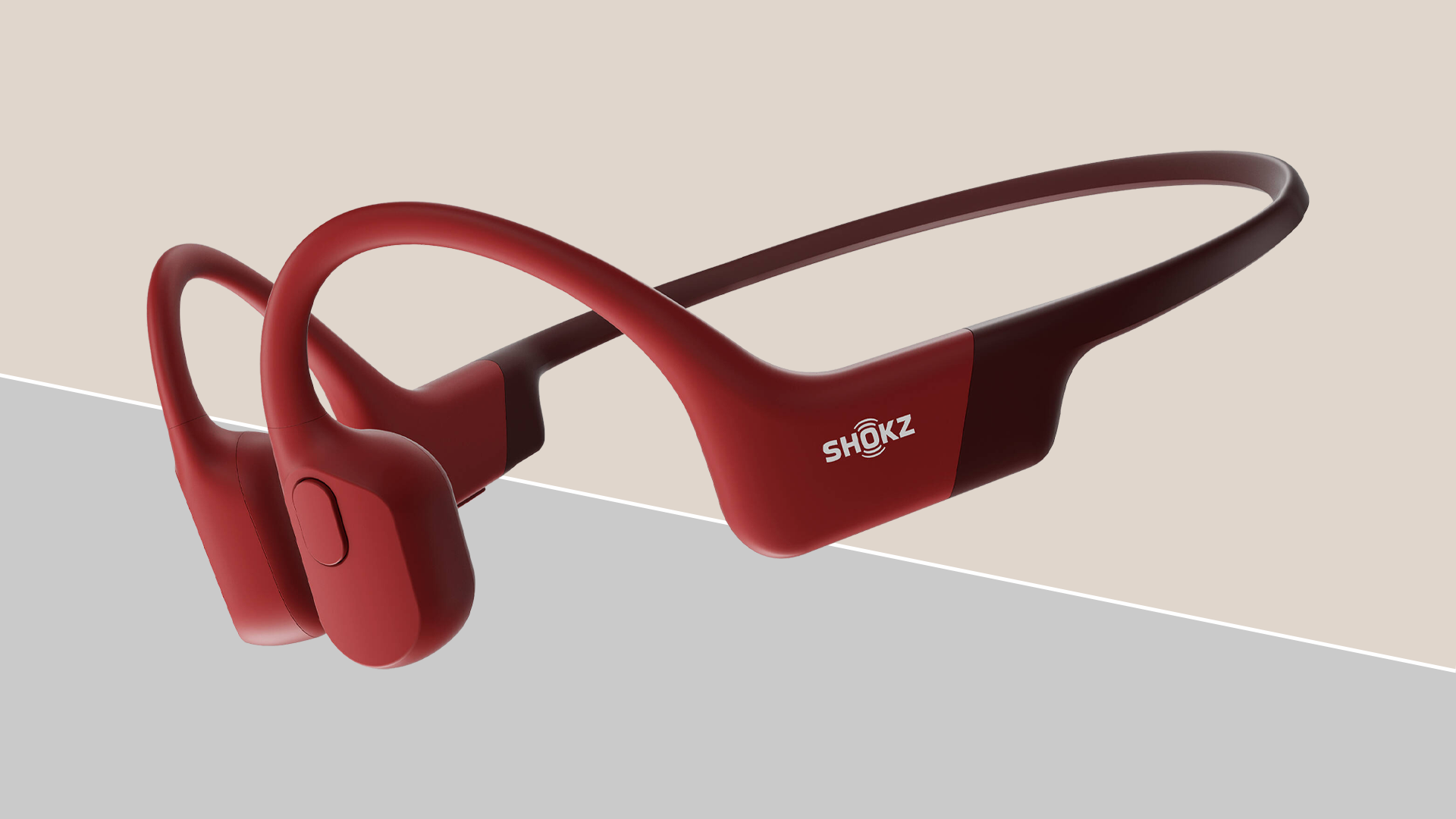
SHOKZ is one of the most popular brands on the market when it comes to bone conduction technology. If you're a runner, you'll probably gravitate towards the OpenRun. Since they have an IP67-rated water resistance, they're great for working out. You can expect about 8 hours of battery life, and the headphones feature moisture detection for safe recharging. Also, to compensate for the reduced bass response and volume that are inherent in bone conduction headphones, SHOKZ has implemented it's PremiumPitch 2.0+ technology to help deliver more powerful lower frequencies and more volume. One thing to be aware of, however, is sizing. If your head runs a little smaller, consider the OpenRun Mini.
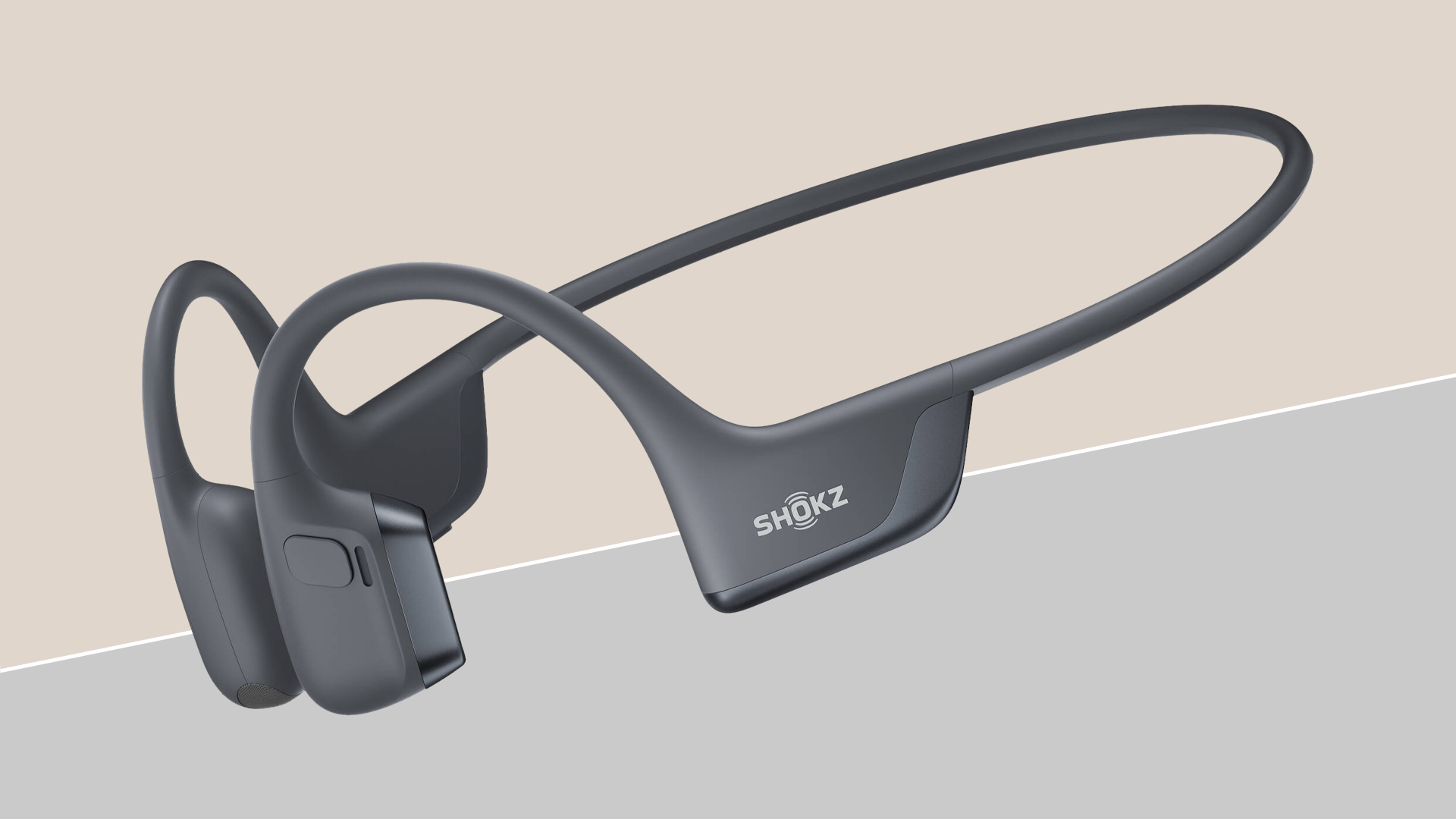
If you're prepared to spend a little more, you can opt for their latest generation of sports headphones, the OpenRun 2, which features 12 hours of playback, more spacious sound and a more comfortable alloy body, compared to the stiffer titanium design of the model above. The OpenRun2 also comes with a companion app that gives your four equalizer presets and two custom modes tailored for different listening experiences.
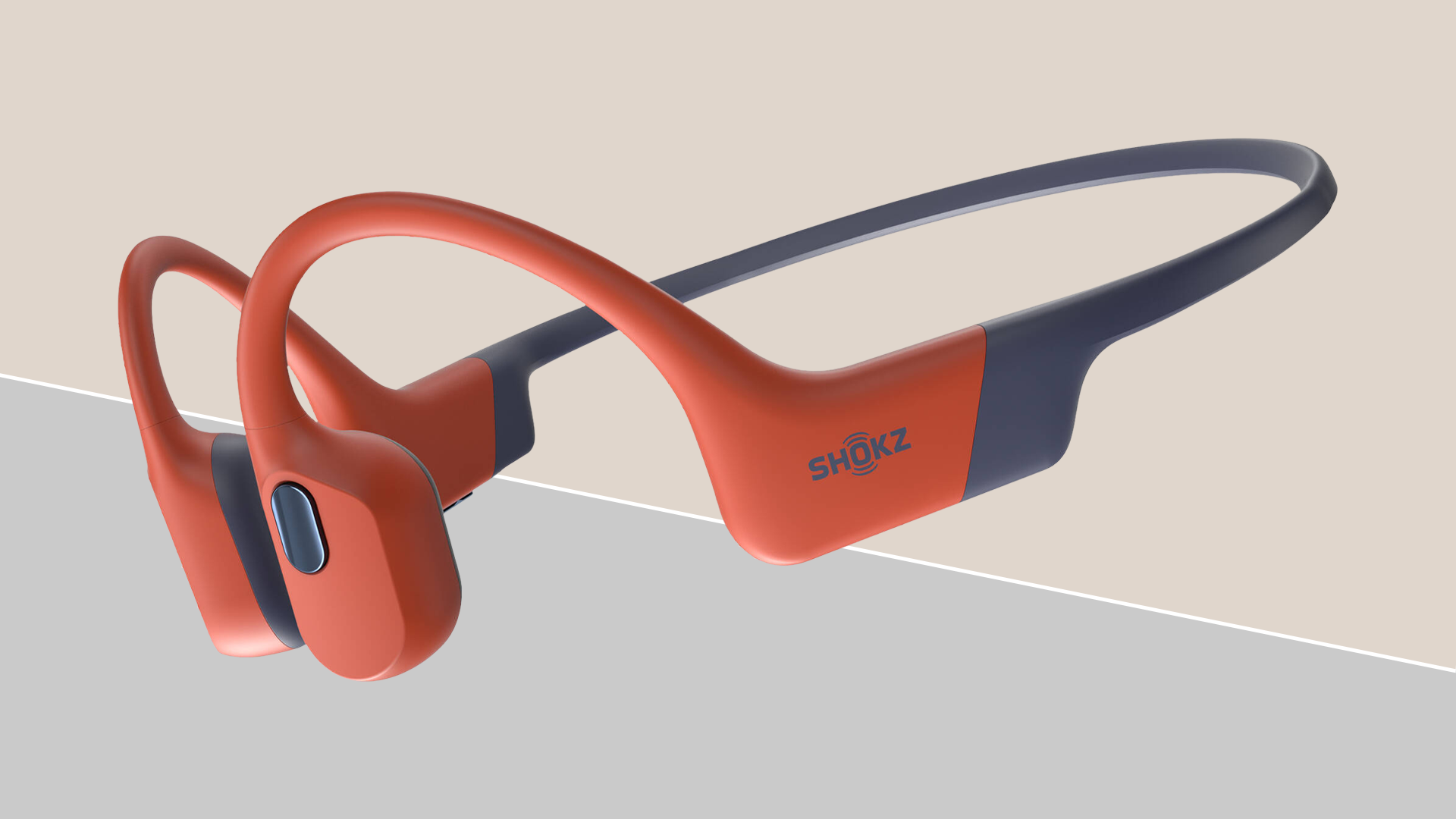
Finally, swimmers should check out the OpenSwim Pro, which in addition to Bluetooth, offer an integrated MP3 player, allowing you to upload songs directly into the headphone so that you can be phone free. It's waterproof up to 6.6 feet and provides a reasonable nine-hour battery life.
For more information about the products listed, including additional features, specs, and highlights, be sure to check out the detailed product page for details. Or drop us a line below, and we'll do our best to answer all your comments and questions.
