
As we learn about exposure, we need to talk about shutter speed. Your camera’s shutter controls the duration of an exposure and is one of the three settings that determine the exposure of an image. Together, these settings are known as the exposure triangle.
Where aperture controls the amount of light we allow to reach our imaging area, it is the duration of our exposure that will directly influence whether an image is sharp or blurred. This is what makes it such a significant piece of the exposure puzzle. Now, let’s take a closer look at how shutter directly impacts our images.
What Is a Cameras Shutter?
As mentioned above, shutter speed is the length of time a cameras shutter is open. This is measured in minutes, seconds, or fractions of a second. The shutter itself is typically a curtain that, when activated, opens and closes, allowing light to hit the imaging area for whatever the allotted amount of time is. The faster the exposure, the shorter the snippet of light we capture and vice versa.

Most cameras have a maximum shutter speed of 30 seconds. This is the longest built in speed, however, longer exposures are possible using bulb or time mode. On the opposite side of the spectrum, we have some more variety. Traditionally, entry and consumer level cameras had a minimum shutter speed of 1/4000 of a second, with pro level models reach speeds of 1/8000 of a second. Newer mirrorless cameras have extended this range to upwards of 1/80,000 of a second.
These limitations were in place as mechanical shutter mechanisms in cameras could only move so fast. Newer mirrorless cameras may also offer faster minimum shutter speeds. There are even new types of shutters such as electronic and now global shutters which can read data at faster speeds, hence why faster shutter speeds are becoming more common. This is important as faster shutter speeds allow us to shoot in harsh light, but they also determine whether we get a sharp or blurry image.
Shutter Values
A slow shutter speed could be 1/100 of a second or it may even be 20 seconds. At these speeds, the shutter is open for too long a duration and any movement in an image will be blurred. This is often done intentionally to showcase movement such as in motorsports or in scenic when working with moving water. For example, when a camera is stabilized, such as when mounted on a tripod, stationary objects in the frame remain stationary.

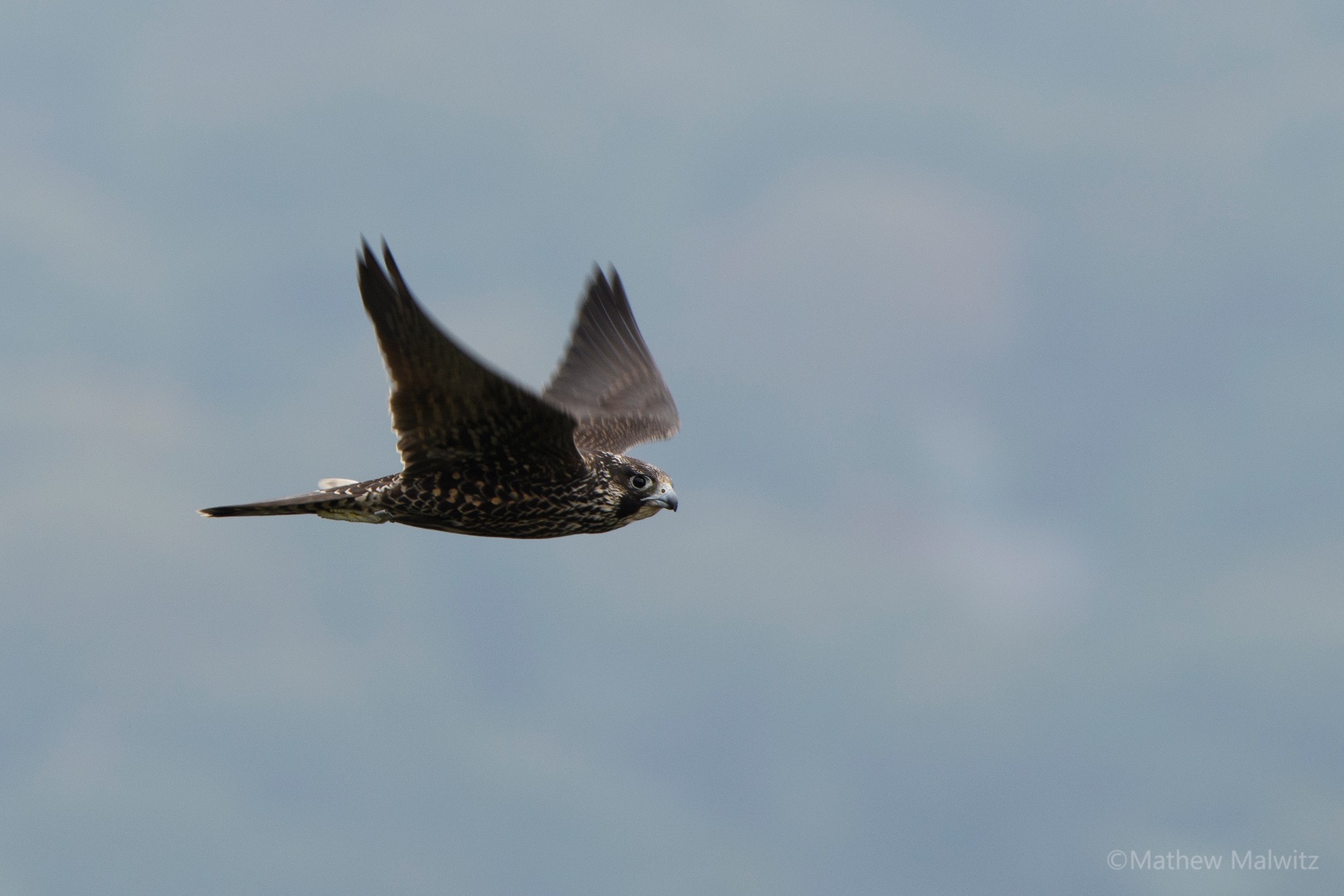
Faster shutter speeds are capturing light at a thousandth of a second (written as 1/1000) if not faster, freezing whatever occurred in that moment. For instance, a running athlete or a flying bird will appear frozen in place and sharp, with little to no blur. That is, as long as you keep pace with your subject, but that’s a topic for another day.
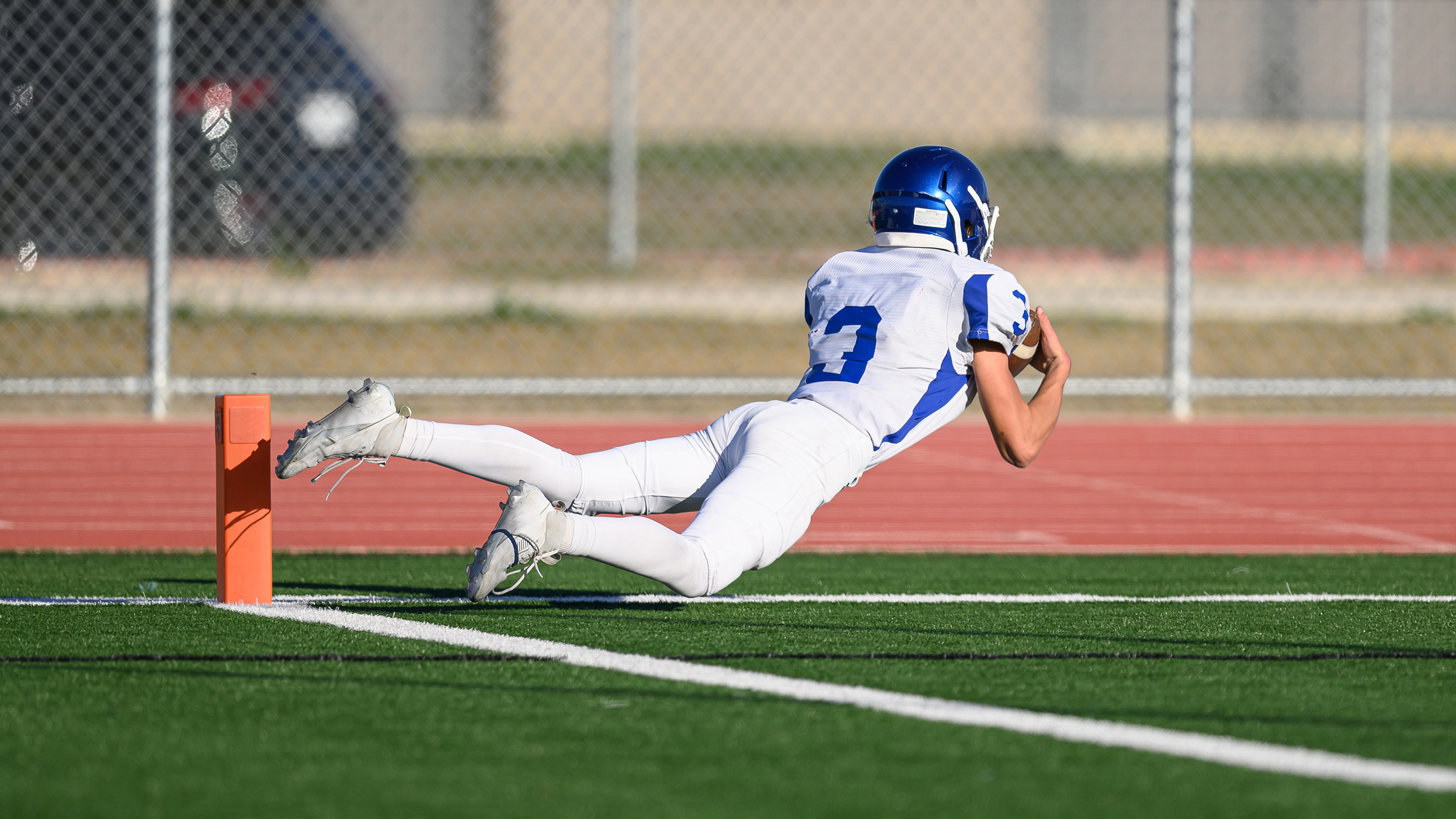
While 1/1000 is considered a fast shutter speed, we’re not limited these higher values. Exactly what shutter speed a photographer needs to get a sharp image depends on the subject and focal length. A longer lens will obviously require a faster shutter speed to counter the magnified camera shake that comes with the magnified image.
A traditional rule of thumb is to, at a minimum, shoot a shutter speed as fast as your lens is long. For instance, a 200mm lens should be shot at no less than 1/200. This ensures a higher chance of capturing a sharp image, though modern image stabilization systems have rendered this point largely moot for new systems.

Shutter Speed in the Exposure Triangle
As one of the settings in the exposure triangle, shutter speed must be balanced with settings like aperture and ISO to produce a good exposure. Unlike ISO and aperture, shutter speed is rather straight forward in its functionality.
While shutter speed most notably affects our ability to freeze or blur action, but it’s primary function of increasing or decreasing the time we allow light to reach the sensor can impact our other settings. If we want to shoot at a wider aperture in bright lighting conditions, simply raise your shutter speed to limit how much time light has to interact with your camera.
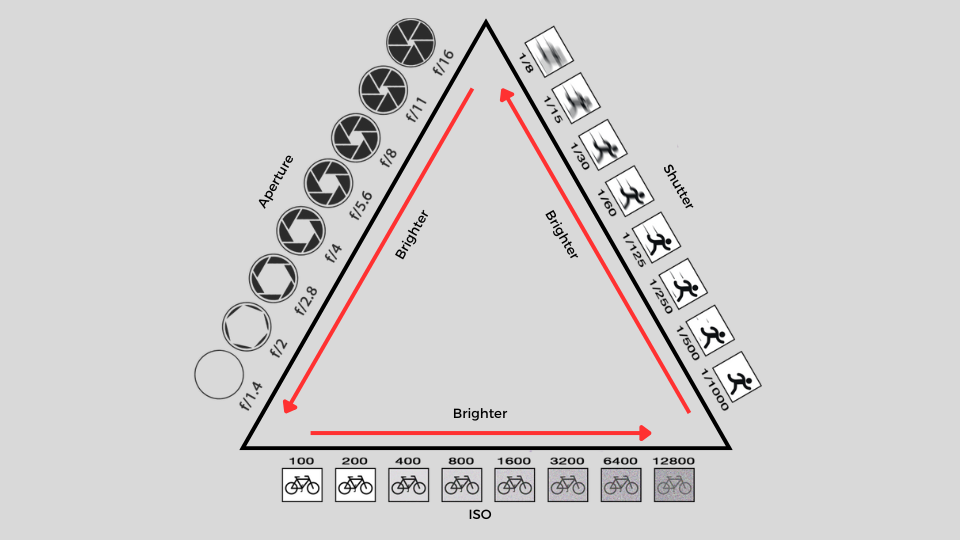
As our shutter increases, that’s less time light has to hit our imaging area. To combat this, we need to do one of two things. First is open our aperture, but this has its limitations. We can only allow so much light to enter the camera. The last change we can make is to our ISO. This too has limitations, but the side effects are more aesthetic.
Getting Creative
With the ability to alter how motion is captured, shutter speed can be used creatively to capture motion intentionally. First and foremost is in a landscape where moving water can be captured in harsh contrast to the detailed scenery around it. Simply mount your camera on a tripod and extend the shutter speed until the water looks most appealing.

Blurring an image in its entirety can also be done intentionally. When slower shutter speeds are paired with selective movements such as an upward pan or even zooming a lens. This is such a common practice that it has its own name. This is known as ICM or intentional camera movement photography.
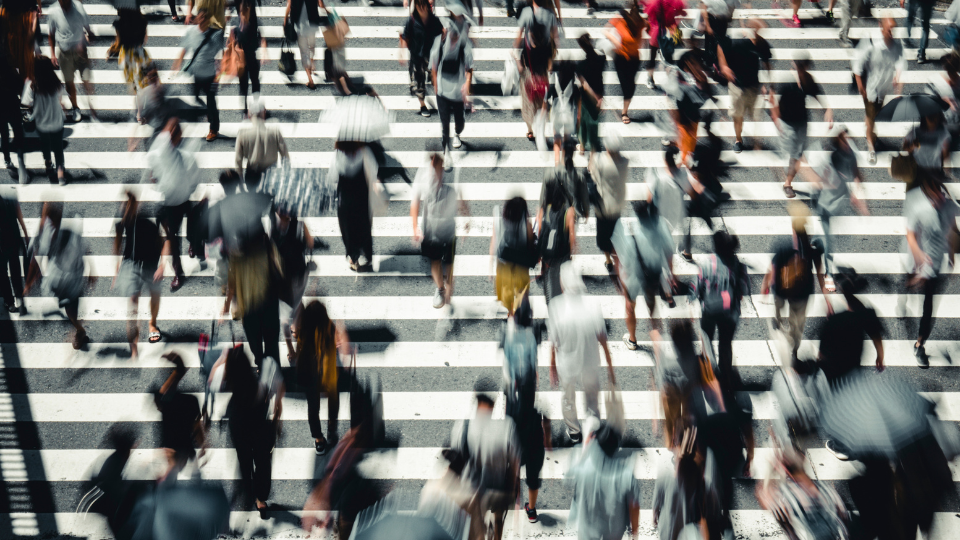
The fast the motion and the slower the shutter speed, the less detail you capture. There’s no right or wrong way to practice this effect. Experiment with different shutter speeds and movement types until you find a look you like. This is a different world than traditional photography and is more akin to painting than recording an image.

Learning More
Shutter speed is essential to capturing motion, fast and slow. It all depends on what you’re photographing and your artistic intent when doing so. With a better understanding of how it works, we can not only capture more consistent exposures. If you want to take an even deeper dive into shutter speed, be sure to read our advanced guide on the subject.
If you’re looking to take your photography to the next level, taking control of your exposure is the first step. We even have other intro guides on aperture to further your understanding of the subject. To learn even more about photography, check out our other guides on the B&H Explora page!
