
I drive an old pickup truck. I love it. It works, but it’s also twenty-years old, and its creaky joints can be heard from the sidewalks as it rattles around the roads between North Queens and South Brooklyn.
My lighting equipment isn’t much different. It’s old. I love it. It works, but it has the same tenuous “held-together-by-tape-gum-and-string” quality as my truck.
Every now and then, I’ll get behind the wheel of someone else’s car, and it’s a new car, and it’s a luxury car, and it’s like I’m stepping into an alien spacecraft with its screens and buttons and knobs and sounds and computers and there’s a strange, sweeping hum where the engine used to growl and there’s no rattling around the roads between North Queens and South Brooklyn.
Just smooth, sleek, streamlined efficiency
And it’s not dissimilar from my recent experience with the two latest Profoto OCF Flash Heads, the B20 and the B30. The brand has well-earned its reputation in the industry as the Cadillac of off-camera strobes, offering class, performance, and reliability for high-end, commercial, editorial, and wedding photographers who need it on location.

It’s easy to see why. Coming from the world of cheap, third-party speedlights, simply holding the Profoto B30 and B20 reveals the difference in caliber. Out of the box, the quality of the build and the Swedish industrial design is evident. You feel like you’re using a serious, professional tool made to complement serious, professional photography.
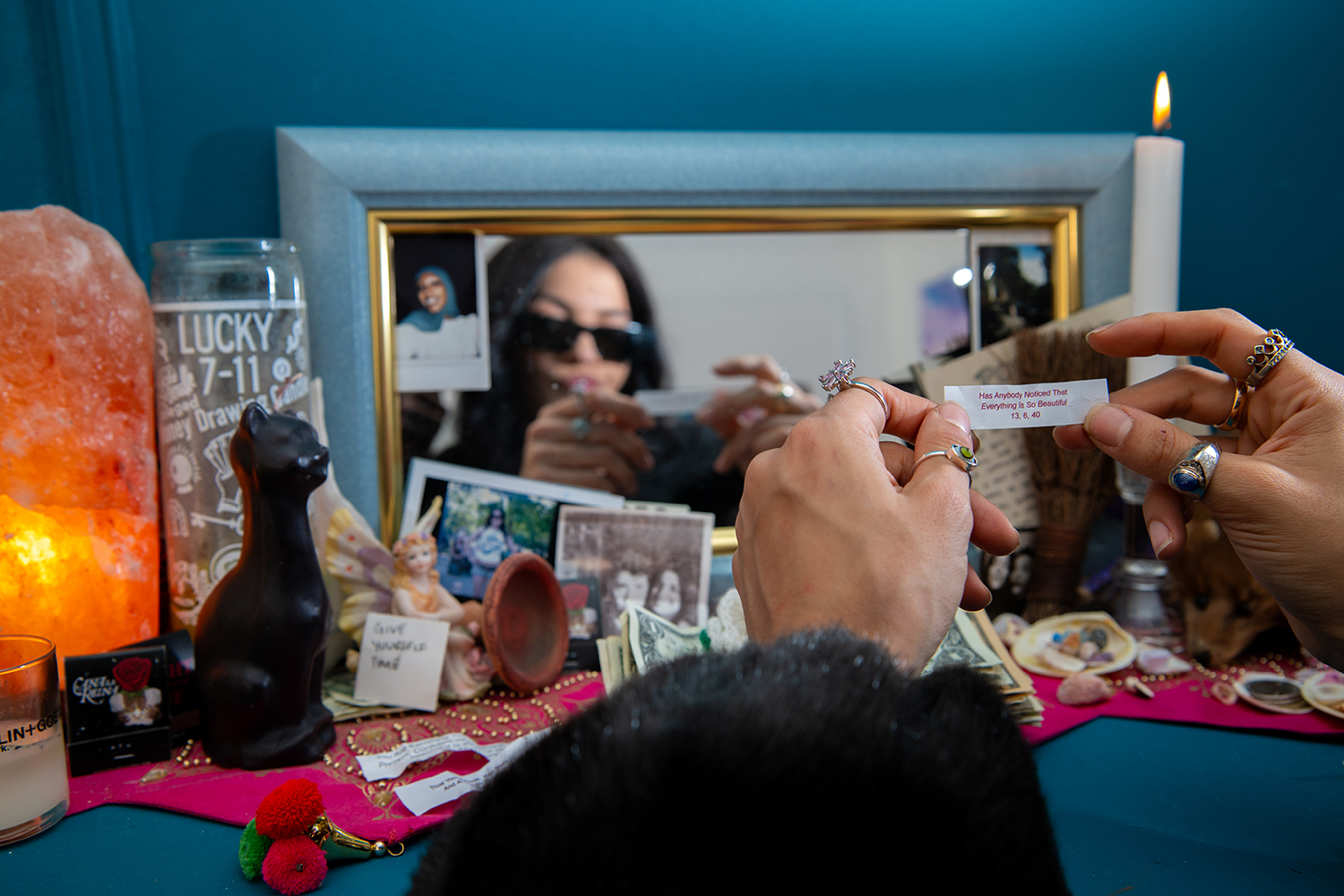
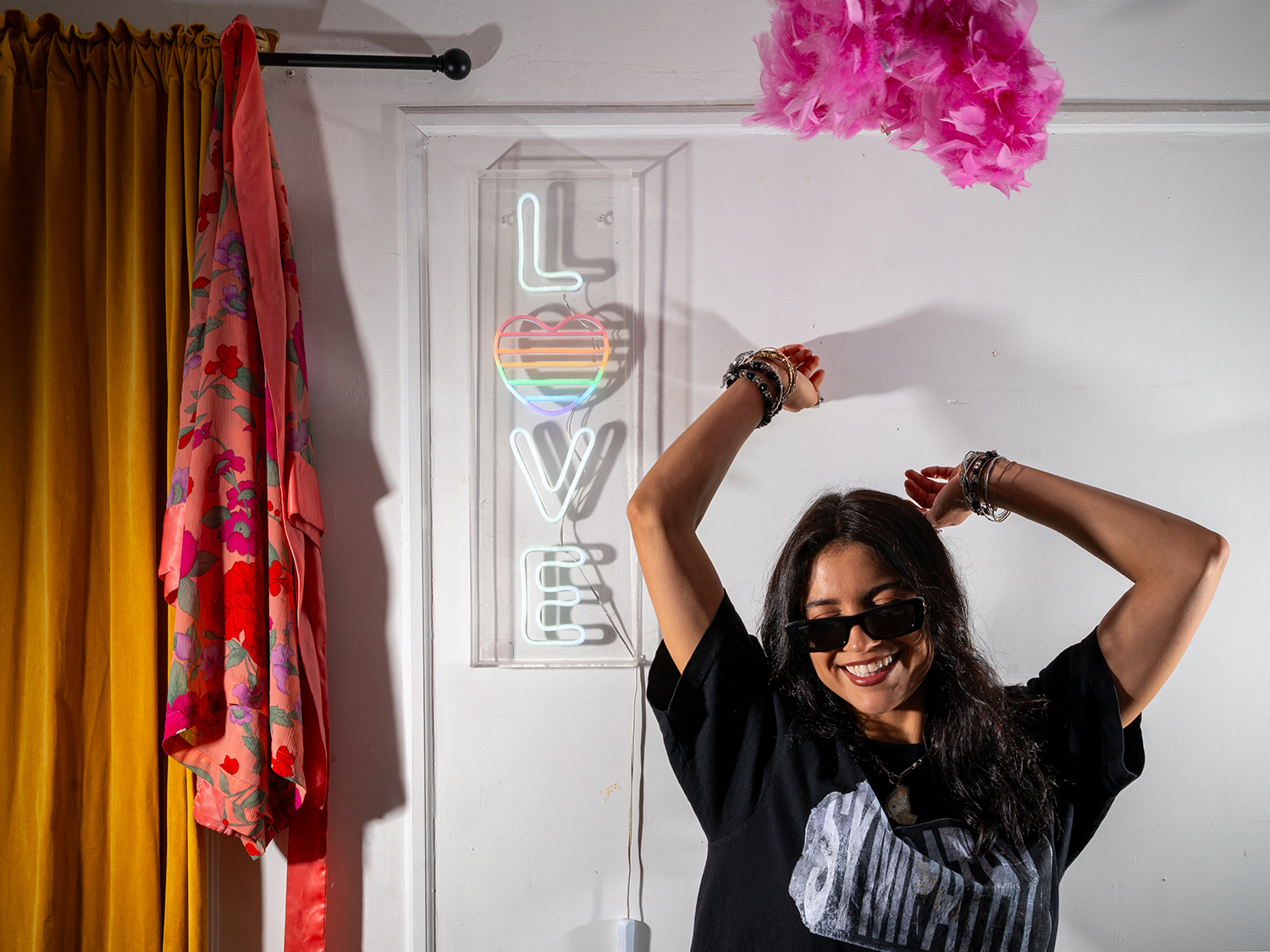
This put me in a bit of a bind, as I was pressed for time and only had my sister on hand for something more like an impromptu and whimsical photoshoot. Since she’s a budding entrepreneur in the nightlife and hospitality space (she just filed for her LLC), we decided to spin it into a quasi-editorial behind-the-scenes look at a fledgling New York girlboss, lit by Profoto.

Our location—her bedroom in our grandmother’s East Elmhurst rowhouse—was an excellent proving ground for these lights, given the cramped space, weak ambient lighting, and 12’ ceiling. Throw in the lack of Profoto-compatible modifiers or Profoto Air triggers and the whimsical shoot threatened to become bogged down in technical problem solving.
However, thanks to Profoto’s intuitive, world-renowned UI, I was able to sidestep that problem entirely. The two lights are brothers and have very similar user experiences, despite their differences in size, power output, and full-power flashes per charge, and the unified user experience mathed all the math I’d been dreading. The rear LCD screen prominently displayed the most important information and was easy to adjust in the moment.
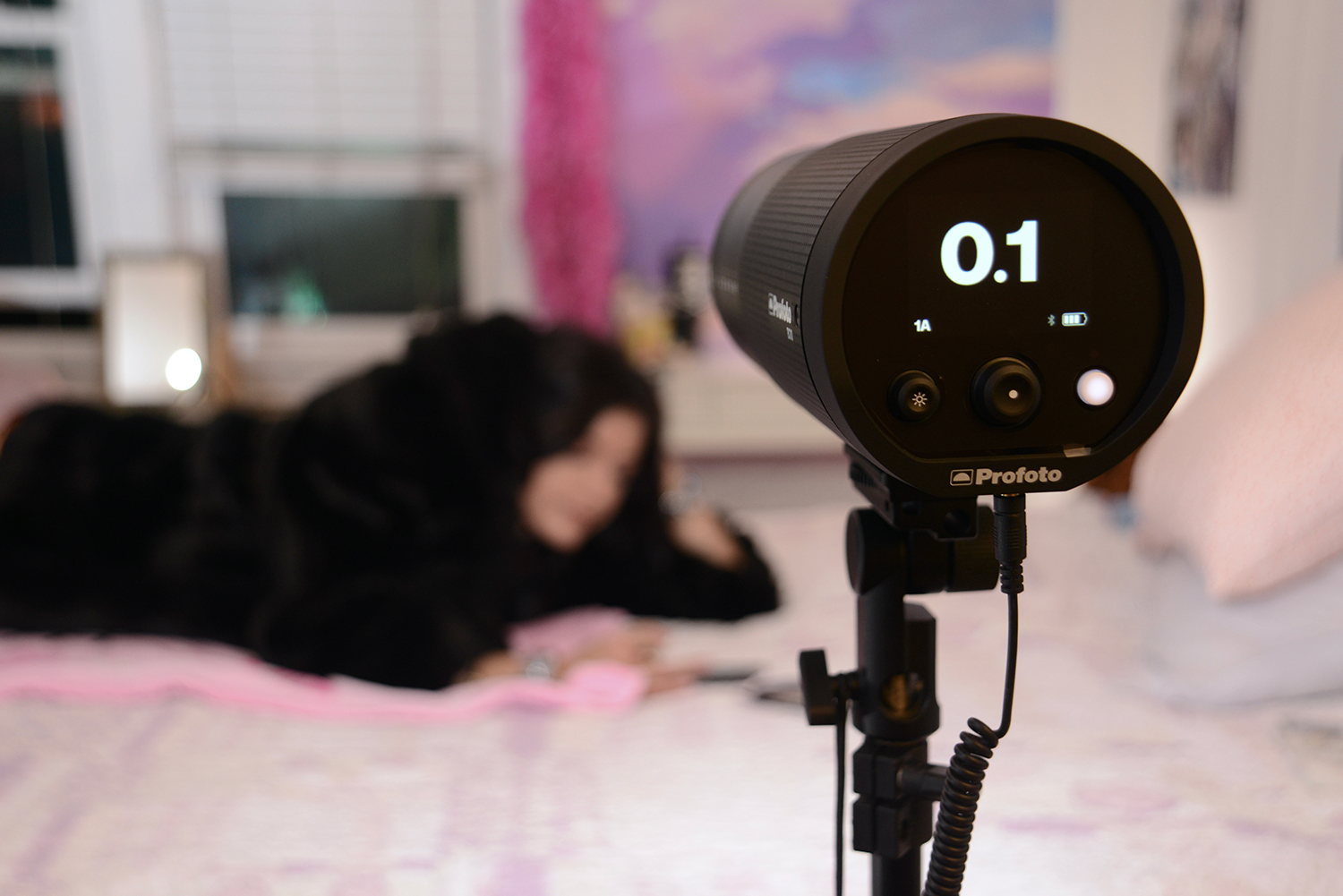
I had charged the lights beforehand with the included AC adapters, using them for the shoot on their battery power alone. The room’s low light exacerbated this aspect, demanding that I use the modeling lamp feature of the B30 (my key light) to allow my camera to catch focus—and thereby accelerating the light’s battery use.
The B30’s heft is palpable and, given that it’s twice as powerful as the B20, slots easily into the key light role. Yes, it’s still light enough to be mobile, but given how compact and lightweight the B20 is, it’s far more intuitive as a light that gets moved around a lot or even is handheld by the photographer or an assistant. The B20’s are the real run-and-gunners here, even if both are highly portable.
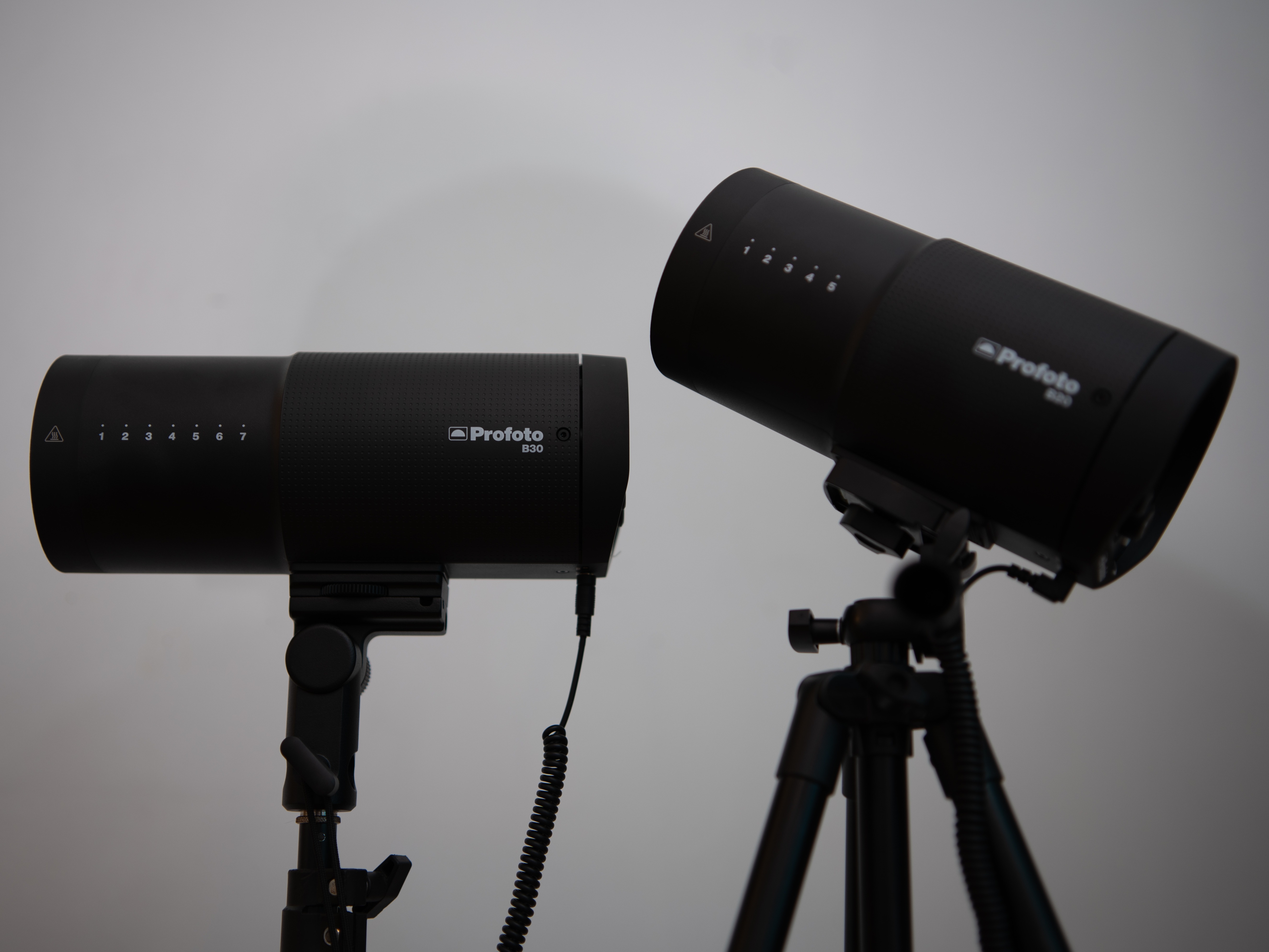
However, once I’d locked in my mental model for using the lights—both individually and together—the lights got out of the way and the fun of the shoot moved forefront. It’s an easily forgotten axiom of gear: it works best when it recedes to background.

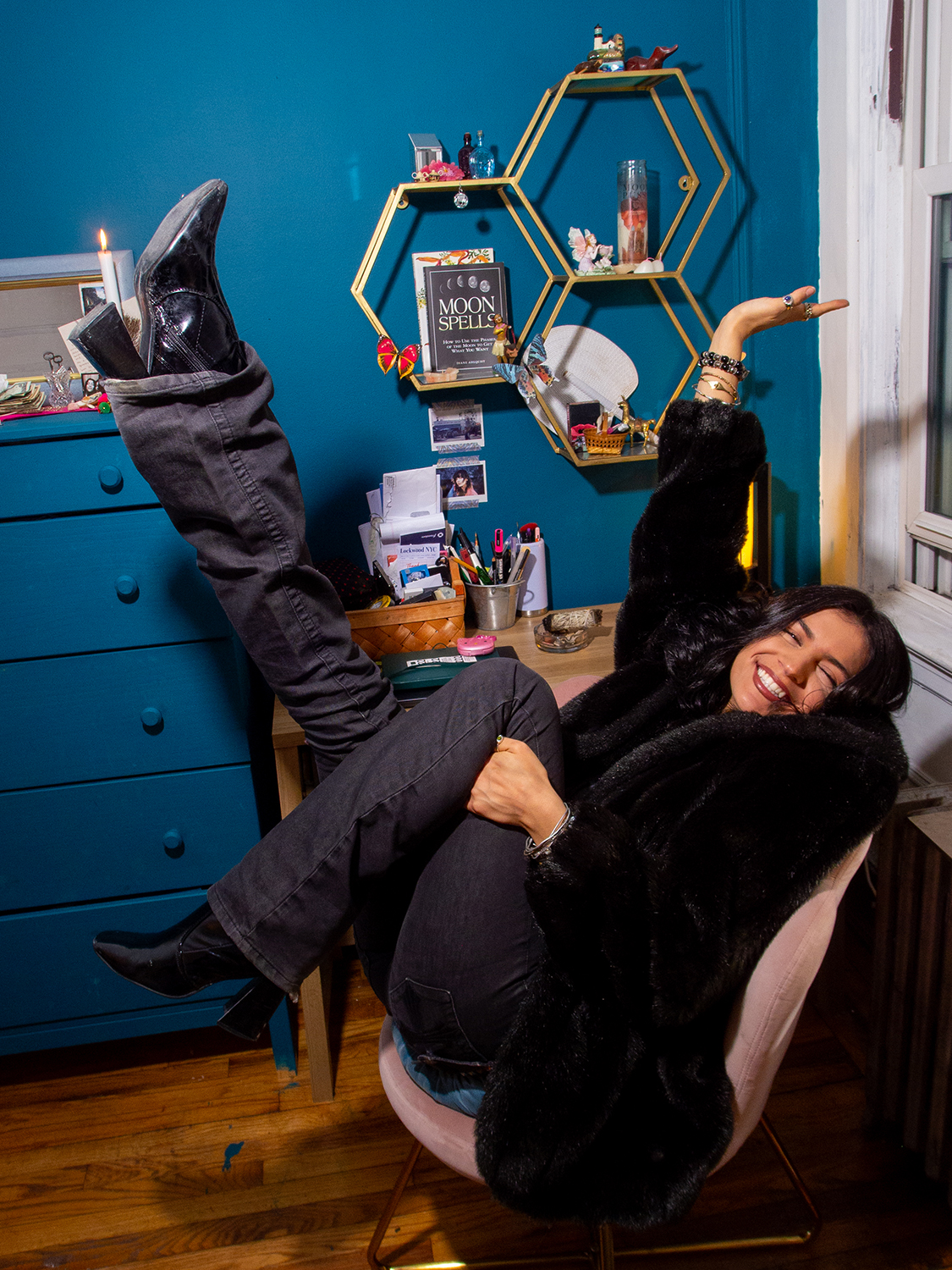
It became a real pleasure to use the lights, and, when the shoot wound down and it came time to strike the set, I was a little sad at having to end my trip in first class and return the lights to the company.
There’s no way around it: these are expensive lights. But there’s a difference between cost and value, and with Profoto, the latter almost always outweighs the former. For both the B20 and B30 lights, the premium benefits extend beyond light output (of which there’s plenty) to the aura of professionalism that its speed, design, and performance confer. The reliability of the ecosystem and its portability translate into the kind of results that serious work demands.
Which is to say, no doubt, that for my little review/shoot these lights were overkill. And if you’re balking at the Profoto price point, there are many fully integrated ecosystems with modifiers and triggering accessories for a fraction of the cost.
But pulling up to the function in a Cadillac isn’t a budget proposition, and neither is Profoto. What you’re paying for is distinctly high-end.
And that’s the point.
