
Of the many decisions a wedding photographer makes, the choice between digital and film might be the most crucial of all, determining both how one shoots and the look of the final product.
The technology that turns an entire congregation into content creators also unlocks immense advantages, creative and logistical, for wedding photographers. And yet, twenty-plus years into the age of digital photography, the aura of film remains as strong as ever and is sought after by clients for the timelessness and fine art patina it confers.
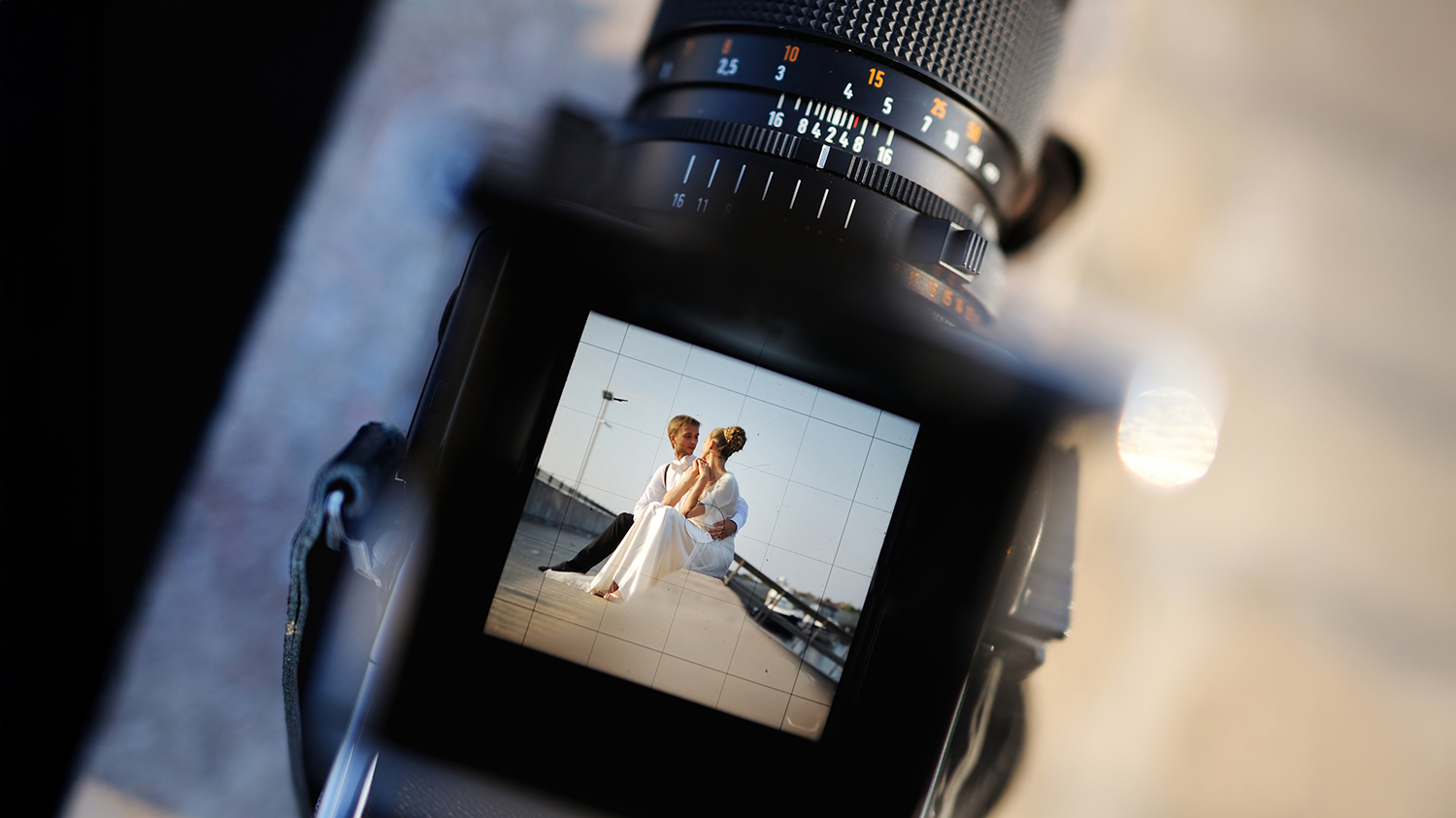
In a time when any guest can shoot and share the ceremony as it unfolds, the vision of the wedding photographer—and the decisions made in support of that vision—is what pushes the imagery past “what happened” and into “how it felt.”
In choosing the medium, the photographer sets the frame for how clients remember their big day. What that choice boils down to is an image capture ecosystem that’s fast, reliable, and versatile versus one that’s nostalgic, tactile, and deliberate from end to end. That difference matters because wedding photography is a live event with imperfect and unpredictable environmental conditions, huge emotional stakes, and zero second chances.
Film: The Character Builder
With film, the results speak for themselves, often so loudly as to drown out some serious caveats with their siren call. The “timeless” or “painterly” qualities that continually resurface from film enthusiasts are very real traits of the medium. Gentler highlight behavior, flattering skin tones that still feel unpolished, a built-in color and contrast personality—each offers forgiveness in its own right, but put together they give images an instantly recognizable feel of idealized memory.
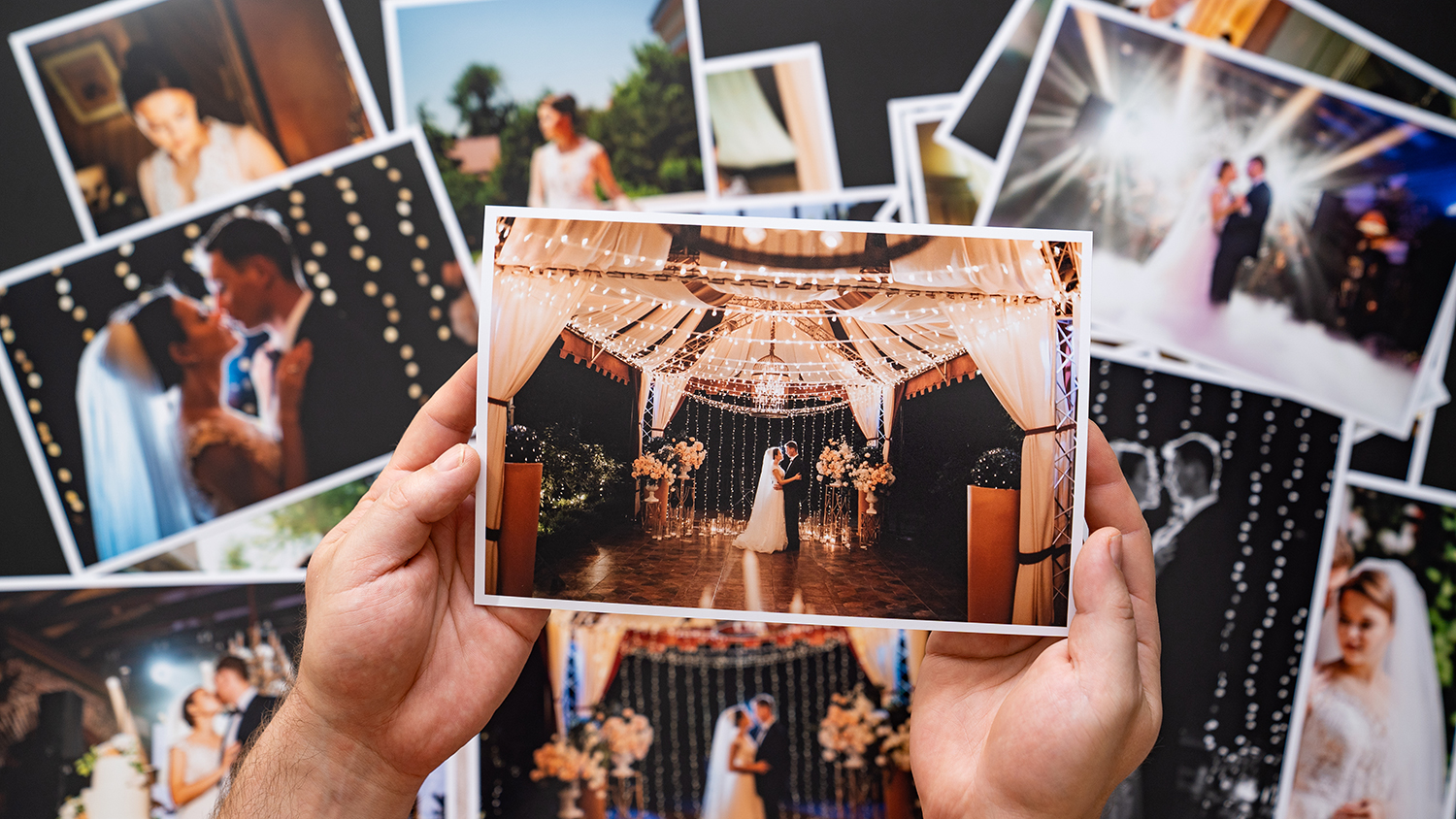
The tradeoff is behavioral. Film’s scarcity changes how you shoot. You don’t—can’t—rattle off a machine-gun spray of shutter clicks during a moment. Film demands patience, commitment, and know-how. It rewards an instinctive understanding of both light and emotion that can only be achieved through practice and repetition. If film and its constraints produce better photographs, it’s not merely from the medium’s affordances, but because it will not tolerate laziness on the part of the photographer.
If you’re running a working photography business, film can also work for you as a market signal. Certain clients actively seek film photography for the romance it implies even without much regard for its technical details or difficulties. If your brand leans fine art, editorial, or heirloom, film can be a clean differentiator, provided its priced correctly and well-managed within your workflow.
Make no mistake: Film is expensive. In the wake of digital, the supply chains and infrastructure that made film are gone, and for all its resurgent popularity the market for film remains niche and is priced accordingly. The costs add up fast: rolls, processing, scanning, shipping, and the occasional rush fee can turn a wedding into a meaningful hard-cost line item.
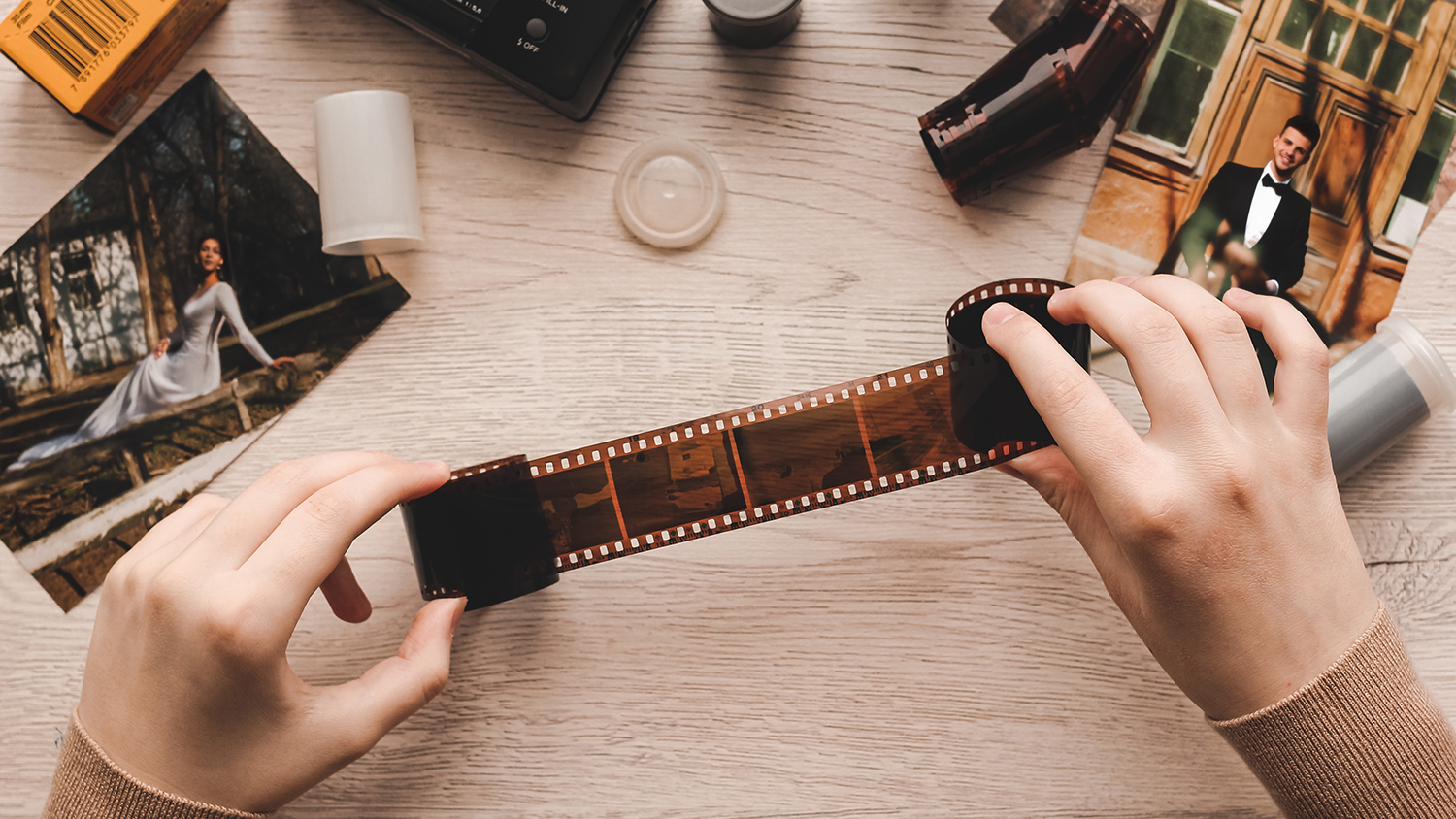
The real cost, though, will be psychological. Film’s inherent risk, cumbersome rhythm, and lack of immediate confirmation can be anxiety-inducing. If you can’t tolerate the sheer volume of failure points along the entire chain—before, during, and after the wedding—you’ll never truly enjoy film weddings.
Digital: The Force Multiplier
There’s a reason why you don’t see professional sports photographers shooting film anymore.
Much like a football game, a wedding day is full of moments that happen once, quickly. Digital photography is fast, flexible, reliable, and dominant in low light—all massive edges for professionals whose livelihoods depend on nailing the perfect shot consistently and for volume. When actions and conditions are out of your control, a tool with high burst rate, instant feedback, massive storage, and RAW file latitude just makes sense.
Digital’s tradeoff is the post-wedding time investment. For all the certainty you gain on the big day, you’re paying for with a lot more work left to do at home. Burst rates and bulk storage become thousands of files to be canvassed and culled. Having whittled them down to your group of selects, you’re then faced with the task of editing, especially if you’re maintaining a consistent, intentional look. More often than not, complaints about the “digital look” come from rushed editing or no editing at all.
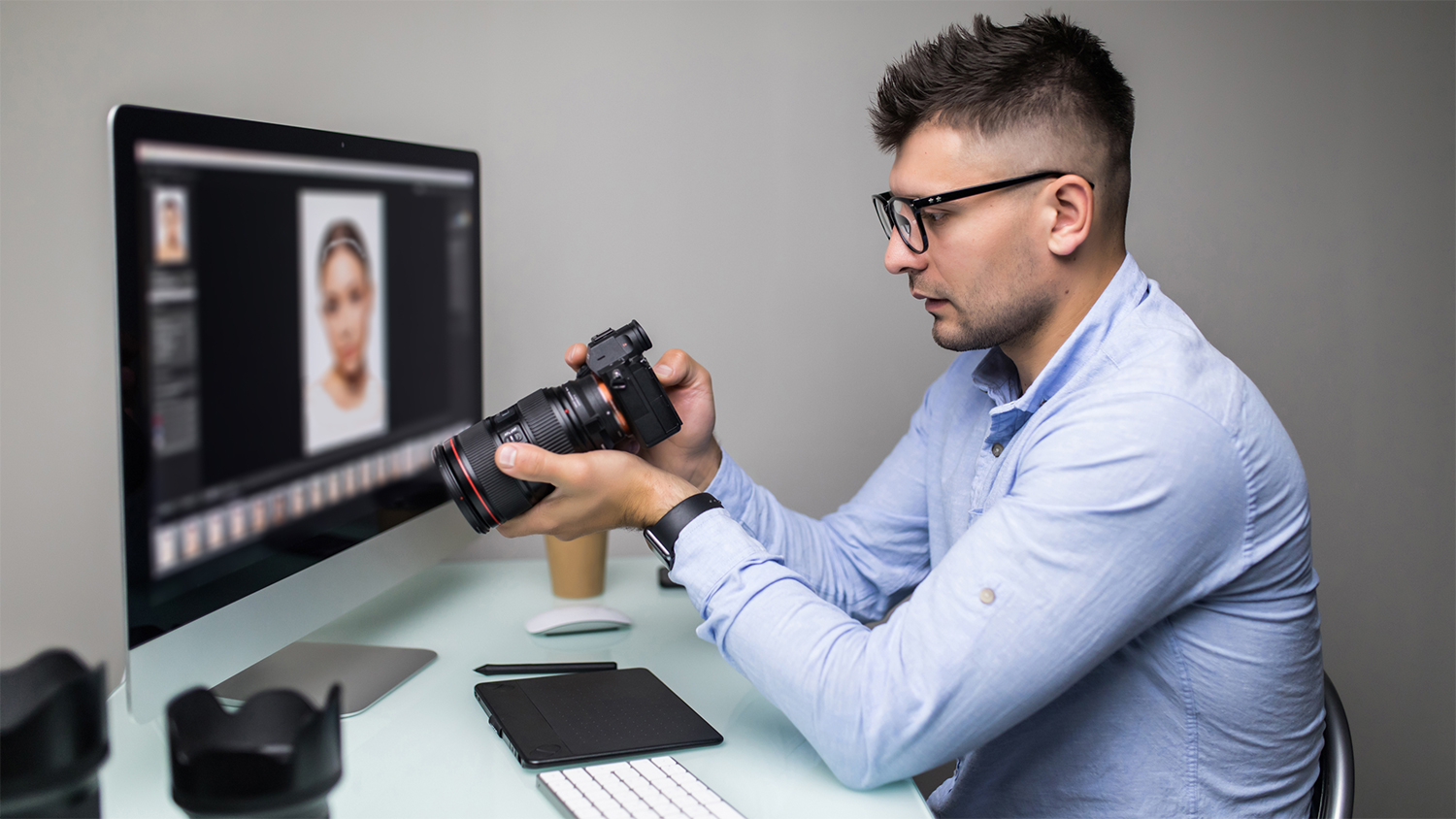
And if you’re using digital to chase the same market as film (fine art, editorial, heirloom), or especially if you’re want to achieve the “film look,” you will have to develop real editing skill or build the budget to outsource.
To recap: with digital, despite all calls for you to “get it right in camera” (which you should!), you’re largely constructing the final image in post. With film, a lot of those constructive choices are made before or during the event, like film stock choice, exposure decisions, and lab/scanning preferences. Digital requires more screen time and a more thorough grasp of color and tone adjustments, while film requires more in-camera discipline during the event and logistics management afterward.
Which Way, Wedding Photographer?
The debate presented here is itself niche, with the reality being that cost and convenience will shunt most photographers to digital at the outset. But if you’re considering whether or not to include film in your shoot or switch to film entirely, there are a few ways to frame the decision that take it out of the ideological realm of “film vs. digital” and turn it into problem solving.
Film-first is look-first and benefits from certain conditions, like stable natural light, a more structured order of events, and a client’s explicit desire for the texture, softness, and rendering of the medium. Use digital as a safety net or for specific situations, like the reception. A quick note: while film is more than viable to use with flash or off-camera lighting, it will add another layer of complexity.
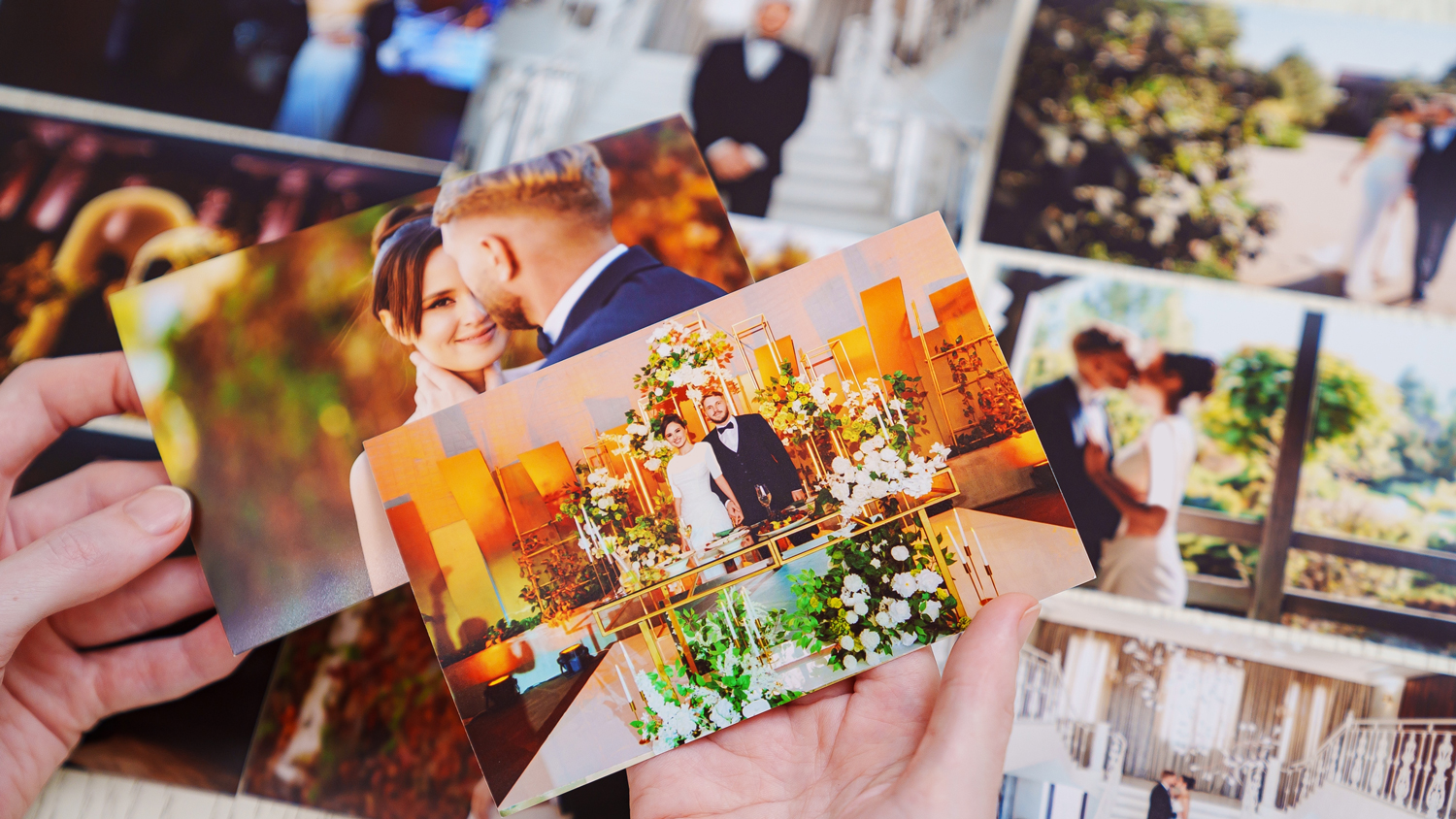
Digital-first shines where movement is fast and moments are fleeting, when the lighting is mixed to outright bad, and you need speed at all costs. Digital mitigates the risk while still offering plenty of artistic avenues of expression, like lighting, composition, and post-production skills.
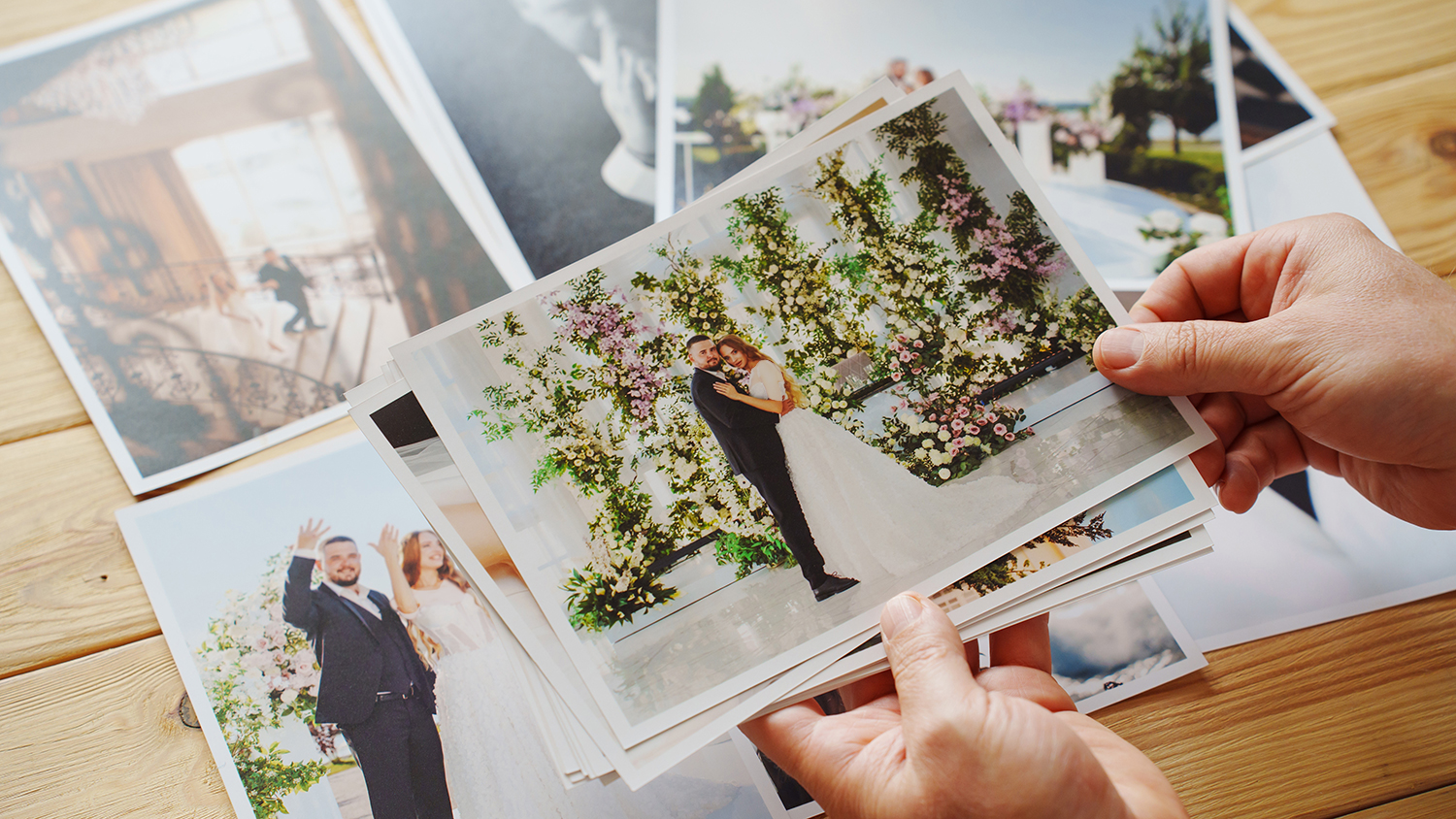
You can also attempt a hybrid approach that targets each medium as a tool for specific use cases. An example of this might be to use film for portraits and signature images while letting digital carry broad coverage along with anything low-light or high-velocity. It’s worth acknowledging that in order to achieve the best of both worlds in final product, it can mean the worst of both worlds in terms of context-aware shooting and post-production effort to unify the gallery.
This last point is worth expanding—whenever you shoot both film and digital, cohesion becomes a problem. Film scans tend to be less flexible than RAW files, and it ends up being easier to edit your digital images to look like your film scans, and not the other way around.
A Word on Deliverables
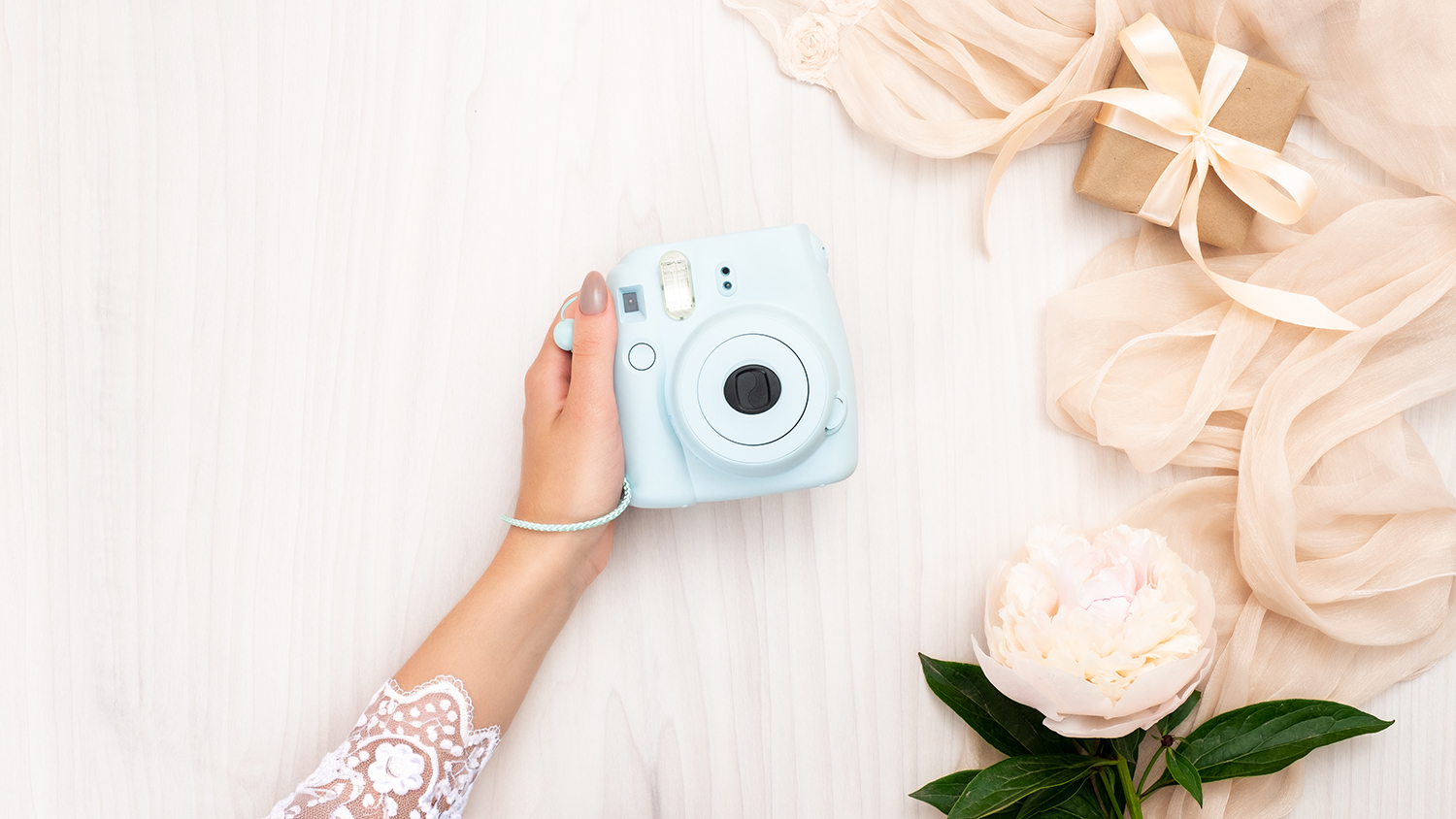
The irony at the heart of this article is that most couples will ultimately receive digital files either way. Prints are no longer standard unless you explicitly make it a part of your offering, and mostly likely you’ll be cloud-dropping high-resolution scans. Film does have the opportunity for medium-specific, tangible deliverables like negatives, proof boxes, curated print sets, or the inclusion of instant film like INSTAX or Polaroid images as keepsakes.
Digital deliverables offer quick previews (involving the client’s feedback on the final product), fast turnaround, and a high-volume gallery for immersive perusal. If your clients care most about shareability, digital is your friend.
The Verdict
Arguments for the soul of photography aside, neither medium is objectively superior. In the end, digital and film are discrete imaging tools, each with their own set of tradeoffs and benefits. It’s up to you to decide which tool best suits the creative vision of both yourself as an artist and the client as a recipient of memories, whether that’s applying one medium to the entire wedding or selecting a different medium to suit each moment.
For more information about wedding, film, and digital photography, be sure to check out wealth of content available at Explora. And as always, when you’re ready to get started, be sure to get what you need at our SuperStore.
