
There’s more to landscape photography than just cameras and lenses. While these are the most essential pieces of gear in our bag, they can’t do it all. We need to rely on other tools to take our craft to the next level. Whether it be something to stabilize our camera, a way to trigger the camera without shaking it, or a filter to make that blue sky pop, there’s a tool to help us do it all.
Accessories
Remote Shutter Release
To take a photo without shaking the camera, you’ll want to use remote to trigger the shutter. A remote shutter release allows you to take photo after photo without shaking the camera. This is especially important if shooting long exposures, as any little vibration can impact the sharpness of your image. Using a remote eliminates any shake or vibrations introduced by you pressing the shutter but also does so without delay. Most cameras today have a built-in timer, but this takes precious time that could otherwise be spent taking photos.
Headlamp/Flashlight
The best landscape images are often captured in the first and last moments of the day. Sometimes even late at night. That means you’re hiking in and/or out of a location in complete darkness. Not only do you need a light to see where you’re going, but it’ll help you get your gear set up before that decisive moment. Headlamps are especially useful, as they free both of your hands to work out of your bag as needed. Just be sure to get a headlamp with red light capabilities. Red light will allow you to keep your night vision.
Comfortable Backpack
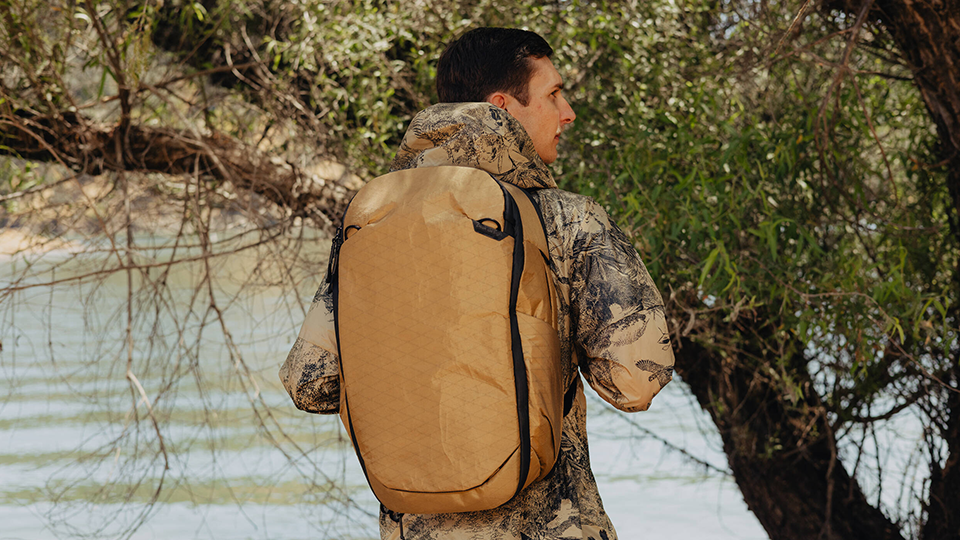
A comfortable bag can go a long way. Literally. Backpacks are ideal as they free up both of your hands, don’t swing around as you’re walking, and generally fit more gear than any of the alternatives. Look for something with a padded waist strap and a sternal strap. This will shift the weight off your shoulders and allow you to hike greater distances free of any discomfort or aches. A bag should also be weather resistant or at least should come with an additional rain sleeve you can quickly throw over it.
Bag Inserts and Compartments
One of the worst things that can happen on a shoot is dropping something while fumbling around in your bag. If you’re lucky, it’s something large and not fragile, but that’s not often the case. To make matters worse, it could be dark out. To keep your gear safe, use inserts to keep everything secure and organized.
Travel Tripod
Why a travel tripod? Travel tripods are generally lightweight and pack up into a nice, compact package when not in use. If you’re walking any sort of distance, the weight savings alone are worth it. Of course, you always want to make sure that your tripod is rated to carry the weight of your rig, but you’d be surprised how sturdy some of the newest compact sets of sticks are.
Tripod Head
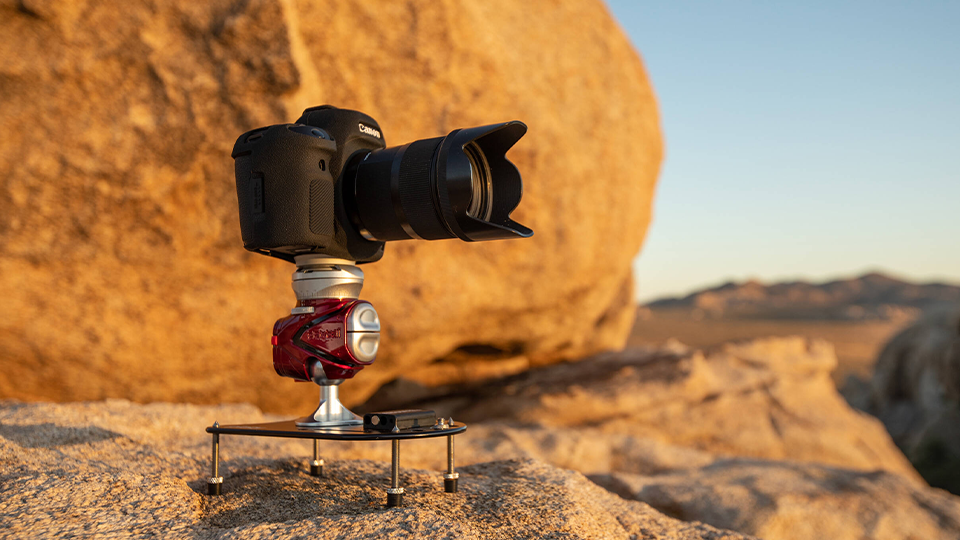
Choosing a compact yet sturdy head is a must. Like the legs, this should be able to support the weight of the rig we plan on mounting. Ball heads are the most versatile as they can be adjusted freely and quickly switch from horizontal to vertical orientation. Ball heads generally have a smaller footprint as well, making them slimmer and less cumbersome.
Cleaning Kit
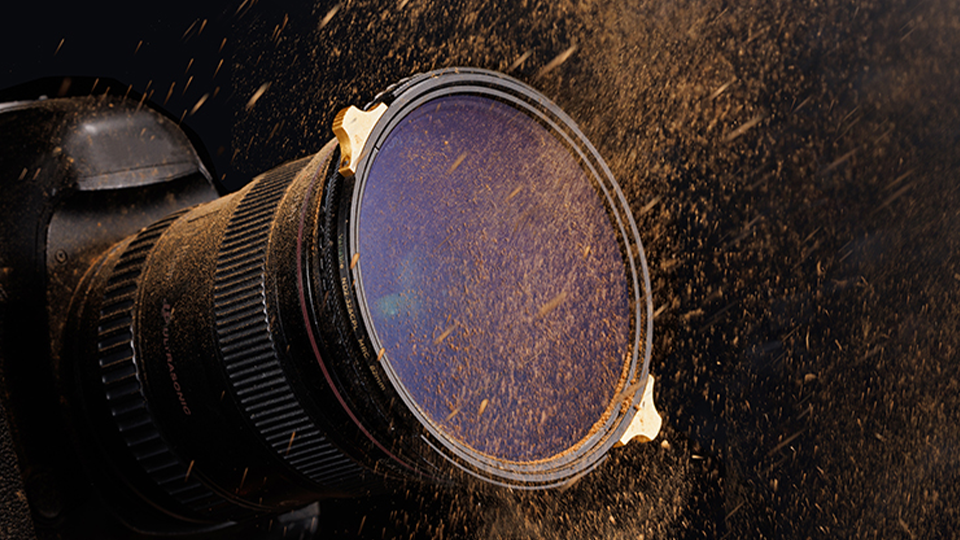
Whether you’re at the beach or along a forested stream, there’s always mist, salt spray, or debris blowing around. A cleaning kit with a variety of tools is a must have if you’re taking your gear anywhere outside. Start with a microfiber cloth, some lens cleaning wipes, a brush, and a rocket blower for bigger specs of dirt. These are the essentials and should help you keep your gear nice and clean.
Circular Polarizing Filter
There are two filters that are essential for landscape shooters, and arguably the most important is the circular polarizing filter, or CPL. Polarizing filters are the most important piece of the puzzle as they make a blue sky bluer, enhance clouds, and dramatically reduce reflections from water and glass. These filters consist of two elements that rotate. The first is mounted to the lens, and the other rotates freely on the front. Rotate the free moving element to refine the level of polarization. Note that polarizers are most effective when parallel to or facing away from the sun. Remember, these filters control reflections, not direct light. Speaking of which …
Neutral Density Filters
Neutral density (ND) filters are darkening filters that block out light entering the camera. They allow you to photograph at slower shutter speeds than normally required, giving you creative freedom to convey movement in your image no matter the ambient light. There are both solid and variable ND filters available. Solid filters come at a set level of darkening, whereas variable ND filters allow you to adjust the strength of the filter similarly to how you adjust your CPL. Simply rotate the front element of the filter and see the result change before your eyes. You can pair an ND filter with a CPL, just be careful not to tighten them too much without having filter wrench handy.
Additional Gear
Filter Accessories
You probably knew this was coming. Filter wrenches. If you’re going to stack filters, you need to have a way of removing them if they get stuck together. The rubberized clamp-like versions are perfectly suitable and inexpensive. These are relatively flat, so they won’t take up much space in your bag. Alternatively, some brands have made CPL + ND filters that pair commonly used ND values with polarization all in one filter, but these are only practical if you need both at the same time. There are plenty of times where you may only need a CPL and not an ND, so having a set of filters is key. This is where a filter case comes in handy. Have all your filters safe and organized in one place.
Journal
If you keep a journal or like to take notes on settings or locations, Rite in the Rain makes waterproof note pads small enough to stick in your pocket or camera bag. Be sure to test your pens out before heading into the fray. Some inks take longer to dry because of the water proofing used on the paper. Alternatively, you could simply get one of their pens specially made for just such an occasion.
GPS Navigator
If you go off the beaten path, a GPS navigator might be a good option for additional peace of mind. You can send text messages via satellite network, and in a worst-case scenario, send an SOS signal to Search & Rescue. These often require additional subscription services, but you can purchase these services only when needed. Plans are available as an annual package or on a flexible month-to-month basis.
Power Bank
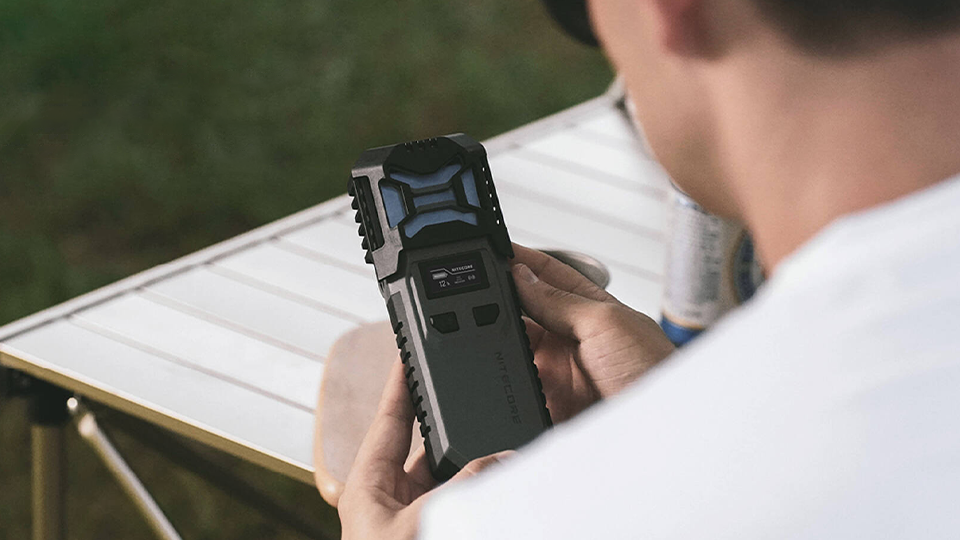
If you’re going to be out for an extended period, a battery power bank may be useful for keeping batteries and your phone charged. This is especially true if you keep notes or important info on your shoot in your phone.
Rain Sleeves
Some of the most dramatic landscape images can be taken on wet, dreary days. Don’t let a little inclement weather ruin your shoot. Head out and shoot with proper protection on your gear. There are several options available to keep your gear dry, from rain jacket like covers to simple plastic sleeves with pull-string fasteners to tighten them around the lens barrel. No matter what the method, the result is the same. Your gear is safe and dry, and you’ve got the shot.
While you may not need every single item on this list, you never know when you may decide to stay out after the sun drops below the horizon or go off the beaten path to look for that decisive shot. It pays to be prepared. We hope this has been helpful as you build your kit. If you’re interested in learning more about landscape and travel photography, check out our collection of guides, tips and discussions on the Explora page!
