
Street photography is the art of capturing candid, unmediated chance encounters and moments in everyday life. There are a number of approaches to this genre, from the fly on the wall to the Bruce Gilden style of getting in someone’s face with a camera and speedlight. Whatever your personal feelings on the matter, there’s no wrong way to do it. Of course, modern cities are quite different than the streets some of the greats walked.
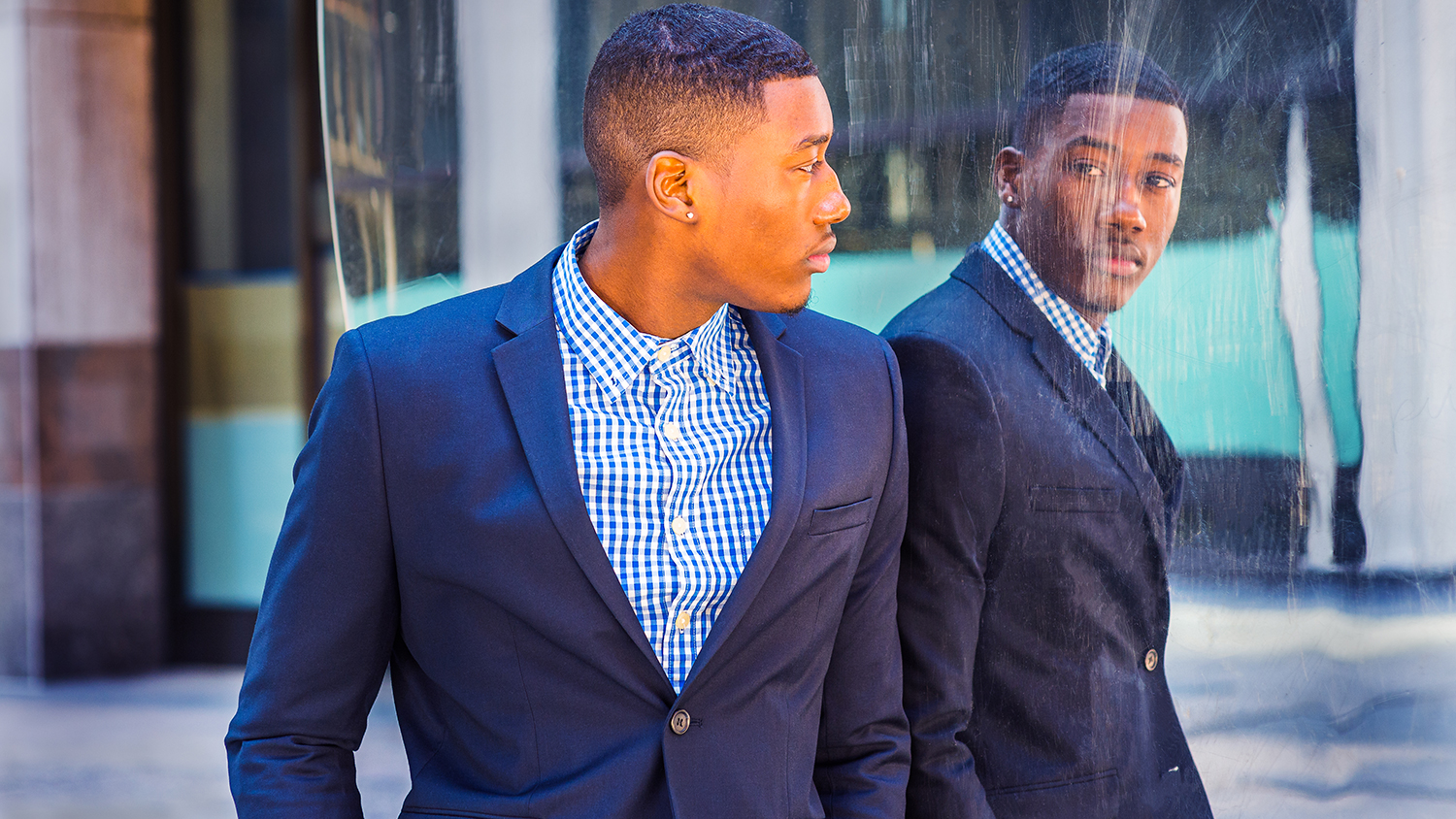
The world is a very different place than the one many great photographers lived in. Cameras are a part of everyday life and as a result, many are sensitive to their presence and less likely to take kindly to a flash going off in their face. Luckily, modern tools make the alternative approaches more accessible and with cameras getting smaller or more discrete, there’s ample opportunity to more casually try your hand at street photography.

First, leave your big camera bag at home. If you can fit an extra battery or memory card in your pocket, great! If not choose a small cross body pouch. Something that doesn’t scream tourist. You want to blend in and certainly don’t want to draw unnecessary attention to yourself.
Public Spaces a.k.a. “The Streets”
Although “street” is in the name, there’s no requirement as to where you can capture street photography. Any public space is fair game as street photography is less about “streets” and more about capturing candid moments of everyday life, unusual and mundane. The beach, boardwalk, or even a local park can serve as an excellent backdrop.

It’s worth noting that in the United States, it is completely legal to photograph anyone in a public space. No matter what anyone says, something like a model release is only required if you plan on using the image for commercial means. Of course, these laws vary country to country, so do your research before you take any trips. This is not to embolden you to take a more invasive approach, but to put your mind at ease as you begin your journey into the world of street photography. Take it easy and follow your instincts. Of course, if someone catches you taking their photo and reacts in an overtly negative way, do whatever you need to do to deescalate the situation, even if it means deleting the photo.
Expect the Unexpected
Street photography is unpredictable. Like nature photography, you’re entering a “wild” space and waiting for that decisive moment. That being said, some of the best street and wildlife images have been captured with a healthy respect for both spontaneity and previsualization. While going out with no plan whatsoever can work, you’ll always be better off doing a bit of research and putting yourself in the best place to capture the kind of images you want. Is there a festival or a local event going on? Maybe it’s a holiday weekend and there’ll be more tourists in your area. Head out at the right times and go to the right places and more unexpected moments will occur.

Be Stealthy
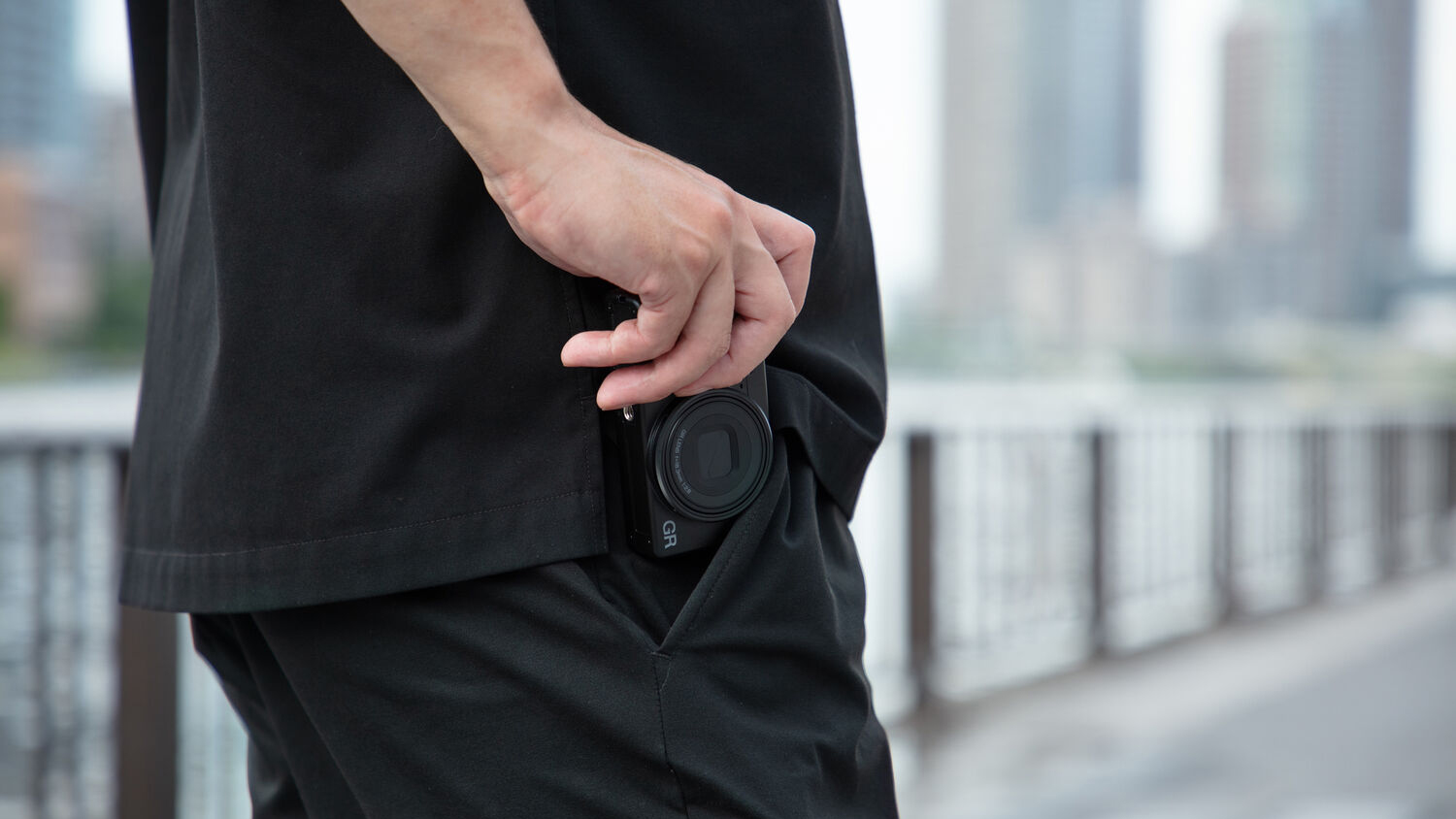
For many, discretion is key to capturing candid moments as they happen. Once you raise a camera to your eye, you’re bound to draw unwanted attention to yourself and distract your subject from doing whatever it was that caught your attention in the first place. Shooting from the hip allows you to stealthily get the shot and leave without a trace. A smaller camera like the Ricoh GR IV can allow you to be extremely discrete.
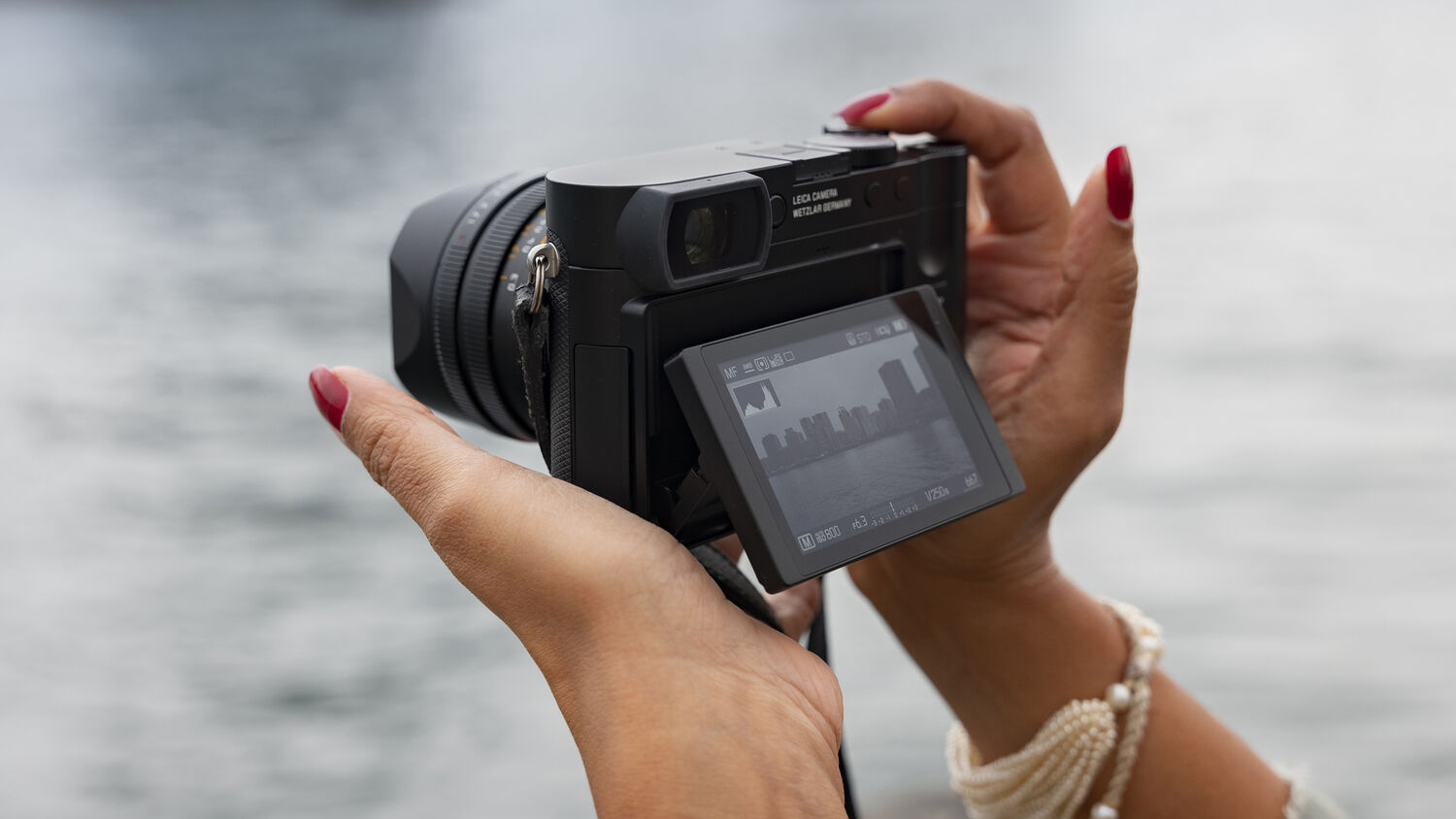
Newer mirrorless cameras have a number of features that make shooting in this style easier than it’s ever been. Intelligent auto focus tracking means we can rely on the camera to pick up a face or eye entering the frame. We just need to frame up our scene properly. This comes with time and a familiarity with our lens of choice. Cameras like the Leica Q3 are compact enough to not draw too much attention. Of course, the keen eye will spot the famous red dot, and it may spark a conversation.
Be Bold
Something most beginners, and even some pros, are uncomfortable with, is asking a stranger if you can take their picture. For some, this is second nature; for others, this goes against everything they thought they knew about street photography. At the end of the day, it’s a valuable approach. By asking someone if you can take their picture, you disarm them. The worst they can do is say no and you move on. Even if you prefer the candid approach, there’s a value in diversifying your portfolio.

Be friendly and spark a conversation. By being genuine and friendly, you’ll get to know people and get to a point where you can more easily ask to take their picture. I don’t suggest you do this with the sole purpose of getting a photo, rather, head out with the goal of meeting people and getting to know a thing or two about them. This can also add to the storytelling potential of any image you may end up taking.
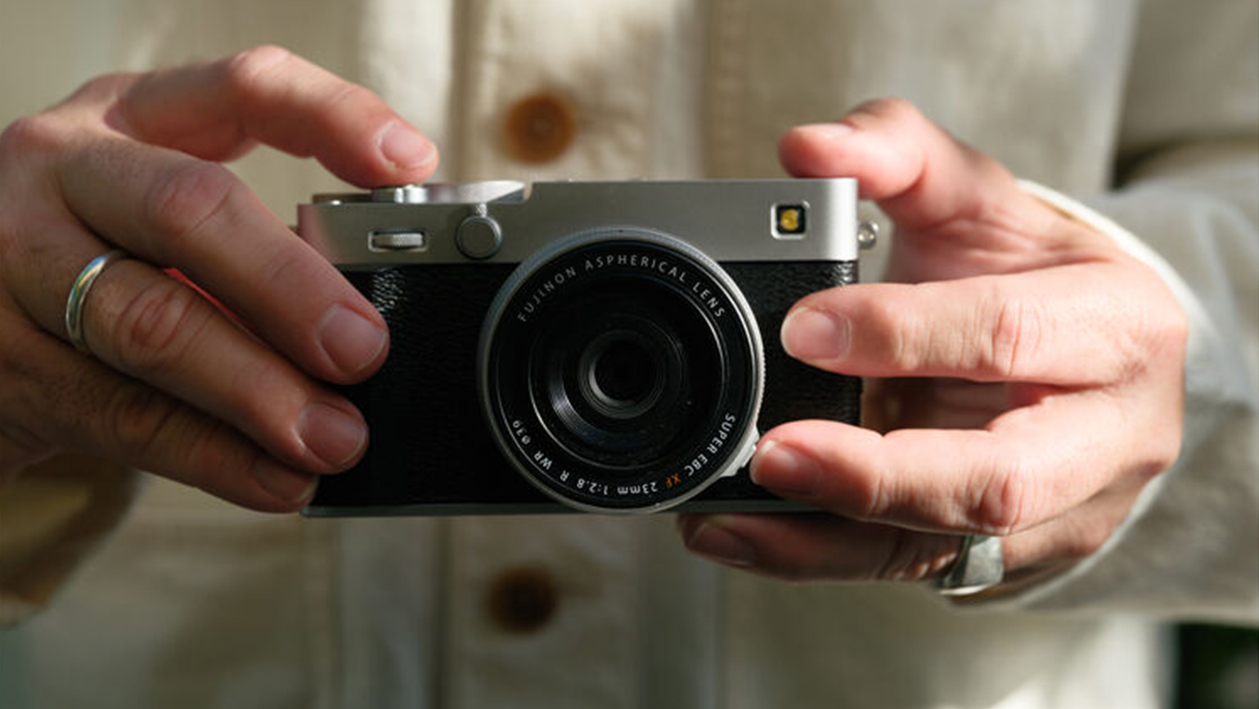
In some cases, a camera itself may be a connecting point for the artist and subject. There are a number of trendy cameras and brands, and these just so happen to lean towards street photographers at the moment. The FUJIFILM X100 VI is among these coveted cameras, and photographers and enthusiasts alike recognize the FUJIFILM name.
Ethics
While often viewed as an “easy” subject matter, photographing the homeless is generally a no-go. It’s disrespectful, and unless you’re working with the person in question in a documentarian manner, it’s exploitative. You don’t know their situation and as it stands, the streets are their home. Would you want a photographer poking their lens into your window? Another sensitive area is in regard to children. Always ask a parent’s permission before photographing any child other than your own. If you end up with a great shot, offer to send it to the family.
Conclusion
Before heading out and trying your hand at street photography, consider your approach. Think about the type of images you are hoping to get and head out with a plan. That’s not to say you should ignore the spontaneity of city life but go out with a previsualized image to focus your efforts. Pick a style and stick to it. Shoot from the hip, be bold, or try a mix of the two. If you want to learn more about street photography, you can listen in our podcast episode with Jamel Shabazz, read about flash for street photography, or watch The Art of Storytelling in Portraiture to learn how skills learnt in portraiture can lend themselves to street photography.
