
While 2025 continued many of the photo industry's developments (emphasis on hybrid developments, splashes of niche camera releases, sequels to established camera series), it also formalized the compact digicam trend that had emerged on social media in recent years, with several companies releasing (or re-releasing) point-and-shoot cameras. As the floor for image quality continues to rise, and with yesteryear's flagship features trickling down to today's mid-market offerings, manufacturers are distinguishing themselves through body design, sensor innovation, and segment targeting. The result is a 2025 crop of mirrorless cameras a little more scattershot than years past, with variety sitting at the crossroads of functionality and vibes.
While most of the list's constituents fall within the traditional definition of a mirrorless camera (requiring the camera to have an interchangeable lens mount), we felt that some of the year's most interesting, innovative, and indicative cameras demanded a more elastic definition of the term. So, we threw in a few "point and shoot" cameras on the list. We hope you won't hold it against us.
Here are our picks for top cameras of the year (so far):
10. OM SYSTEM OM-3

While the OM-3 isn't the direct continuation of an existing Olympus camera series, its vintage metal styling wraps a 1970's Olympus SLR design around the insides of the flagship OM-1 Mark II. Still bearing the hallmark robust weather resistance that has come to define the company's opening era, the OM-3 is an urban-inflected adventure camera characterized by equal attention paid to the camera's look and feel as to its functionality. Like many recent entries into the nostalgia market, this camera doesn't skimp on the latest and greatest in technology. In fact, there's something of an irony that OM SYSTEM should house its bet on computational photography, or using algorithms to achieve results beyond what the optics alone can achieve, in such an old school body. The OM-3 even goes so far as to put a computational photography button on the back of the camera.


Building out from a stacked 20.4MP stacked BSI CMOS Four Thirds sensor, the camera leverages its powerful TruePic X image processor to produce the scope of color profile controls and computational effects that distinguishes this system. Yes, some of the OM-1 Mark II's features are dialed back: fewer stops of stabilization, fewer card slots, fewer megapixels of EVF resolution. But the market's cheapest stacked sensor still yields a 50 fps burst with the continuous autofocus that covers the entire frame. Throw in 4K 60p video, subject detection AI, and the Pro Capture mode that pre-buffers images before capture, and you've got an exceptionally capable camera in an exceptionally portable form factor.
9. Canon PowerShot V1
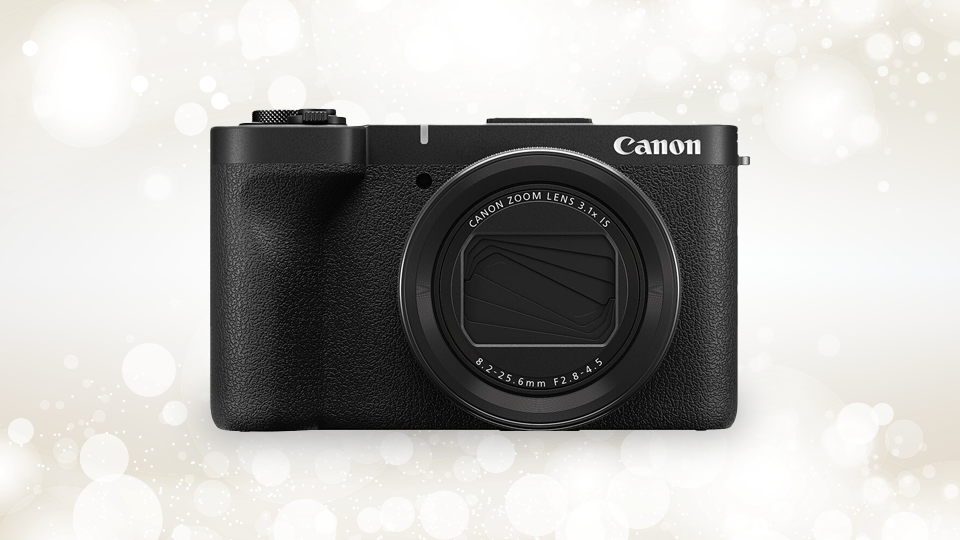
Synthesizing many of the industry's larger 2025 trends, the PowerShot V1 represents the intersection of the resurgent compact market and the pivot to hybrid cameras. It also represents another emergent trend: the development and deployment of new sensor formats. Here, Canon introduced an innovative new 22MP, Type 1.4 sensor with almost twice the area of the 1” sensor of the G7X Mark III for better light-gathering, depth of field, and image quality in the service of on-the-go content creation.


Video tops out at 4K60p with a 1.4x crop, with a built-in cooling fan and vents that allow capture times of up to two hours at this maximum setting. It carries the same autofocus system as the R6 Mark II, achieving high-speed and high-precision AF with enhanced subject tracking that includes eye tracking in people and animals. Movie Digital IS and a 3-stop built-in neutral density filter also benefit vlogging outdoors and on the move. Wireless connectivity, webcam support, and other video-friendly shooting modes round out a feature set that prioritizes solo hybrid creators.
8. Leica SL3-S
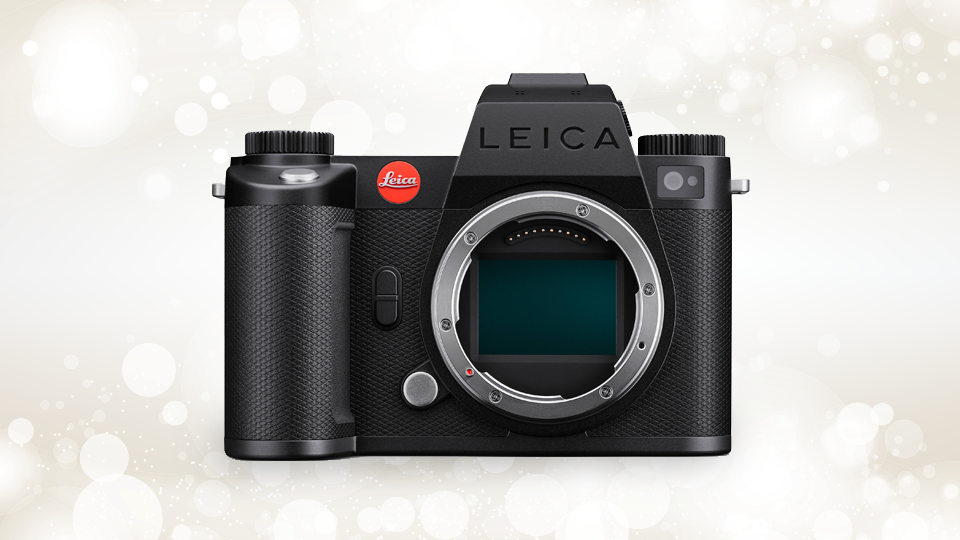
In a Bryan Johnson-like turn of events, Leica celebrated its 100th birthday by getting faster. The SL3-S, a fast and flexible upgrade to 2024's SL3, saw the hybrid interchangeable lens camera reach the 30 fps mark with its 24MP full-frame sensor while also introducing a new autofocus system and unlimited open gate 6K recording. Encased in a weather-resistant, all-metal body, the SL3-S was designed around satisfying the professional’s needs for hybrid image quality and simplified workflow.




Aside from the camera's plaudits in image and build quality as well as performance, the SL3-S was the only mirrorless camera to launch in 2025 that features in-camera Content Credentials technology, which allows each image to be signed with tamper-proof metadata to authenticate content and protect creators. As of this writing, only the Nikon Z6 III also supports this feature via firmware upgrade. What at first glance seems to be a seemingly extraneous feature might well prove to signal Leica's position on the forefront of the emerging battle for truth and authenticity in image creation.
7. FUJIFILM GFX100RF

In a banner year for medium format mirrorless cameras, one of the biggest splashes was the release of the oxymoronic GFX100RF as the industry's first "compact medium format mirrorless camera". Like the internet fav X100VI, the GFX100RF is rangefinder-inspired, conceived around premium image quality with maximal portability. Putting a massive GFX-series sensor into a smaller and lighter body than most other cameras on the market is no mean feat, let alone with the design verve that has come to define FUJIFILM's output as of late.


The camera boasts a built-in, fixed-focal length lens offers a 28mm full-frame equivalence that satisfies the street-scene, slice-of-life photography at which this camera excels. An aspect ratio dial and digital teleconverter take advantage of the larger sensor to offer users additional visual variety. While capable of 4K30p internal and external recording, the GFX100RF is intended for photographers seeking an uncompromising tool for their all-day, everyday creative practice.
6. Panasonic Lumix S1R II

The L-Mount Alliance may boast a massive stable of lenses but its mirrorless body offerings are less plentiful, making the company's three 2025 Lumix S flagships all the more integral to L-Mount shooters. The S1R II is our choice among the three, as it puts on the table some truly remarkable features, including 8K 30p, 6.4K open-gate shooting, 40 fps raw shooting with continuous AF, and eight stops of image stabilization, all with a 44MP full-frame sensor with outstanding resolution.




Smaller and lighter than its predecessor, the S1R II's weather-resistant build houses a camera that’s equally at home in sports and wildlife applications as it is in landscape, portrait, advertising, product, fashion, wedding, event, and more. In short, it's one of the L-Mount's most versatile cameras, let alone for Panasonic.
5. Nikon ZR

Although technically a "cinema camera," the Nikon ZR gets a spot on the list not merely for being the long-awaited hardware collab between Nikon and RED but for its highly functional and highly affordable execution. The result is a combination of Nikon’s precision AI-assisted autofocus and versatile Z-mount with RED’s much lauded color science and cinema-ready functionality.

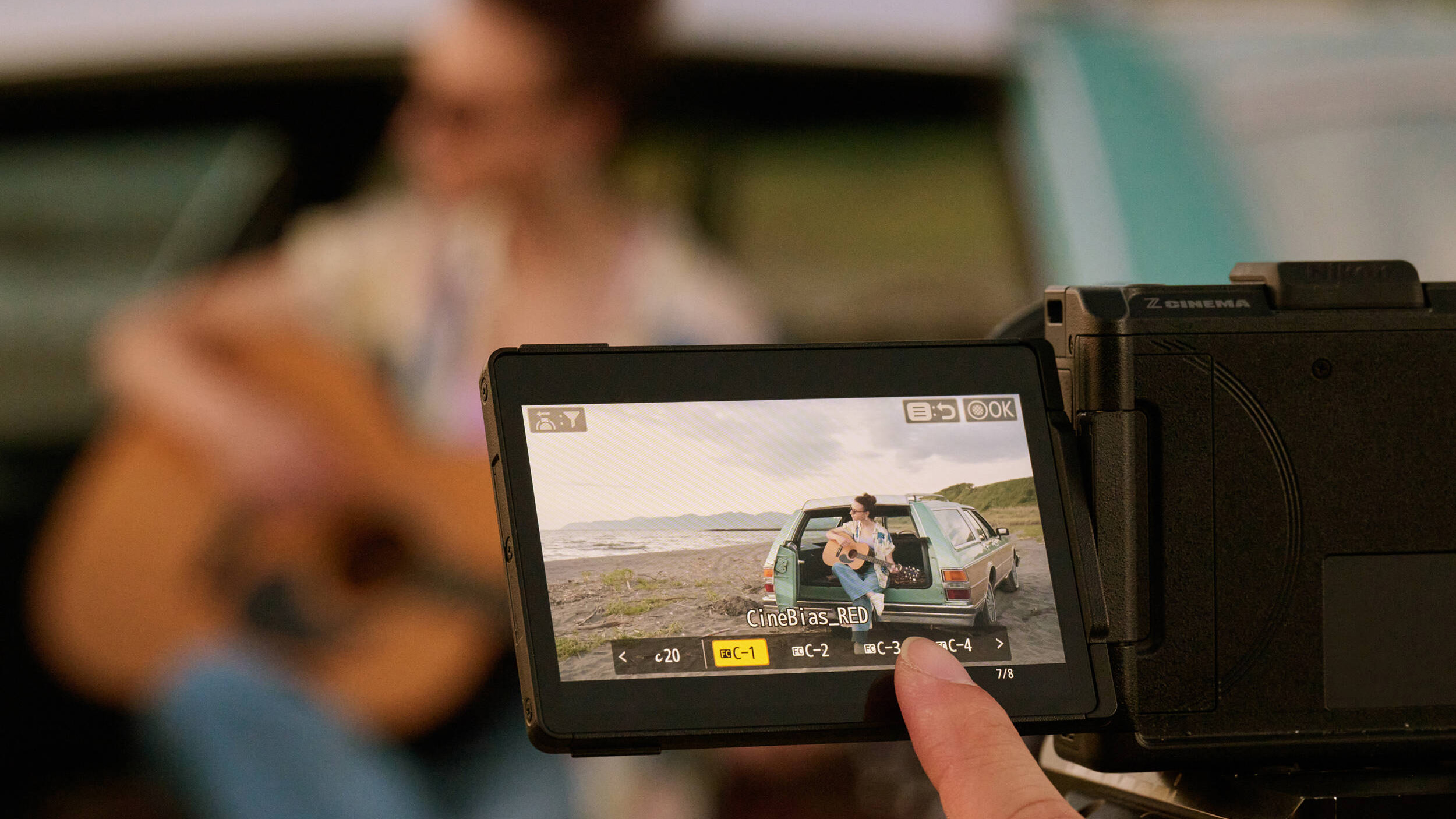
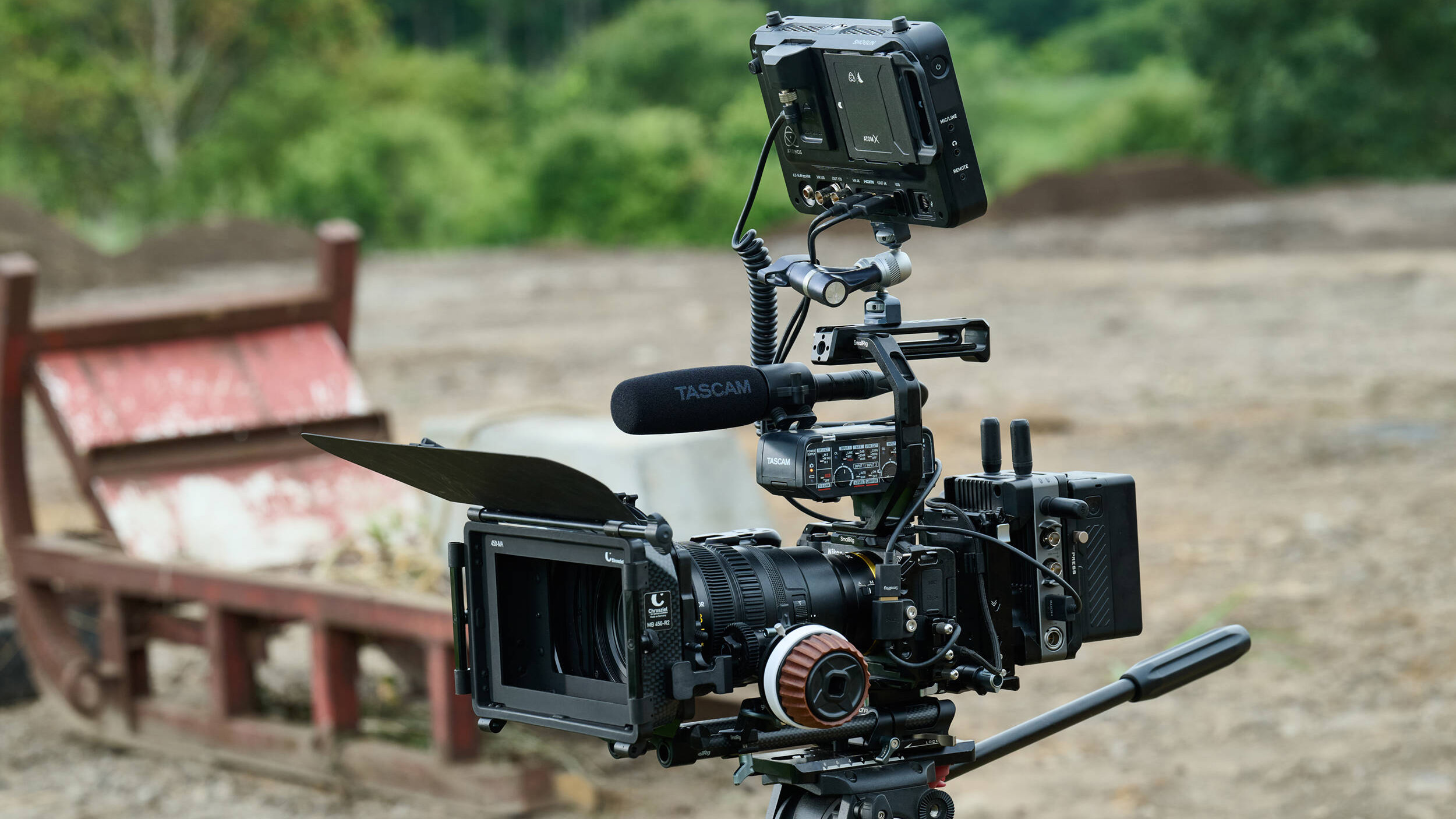
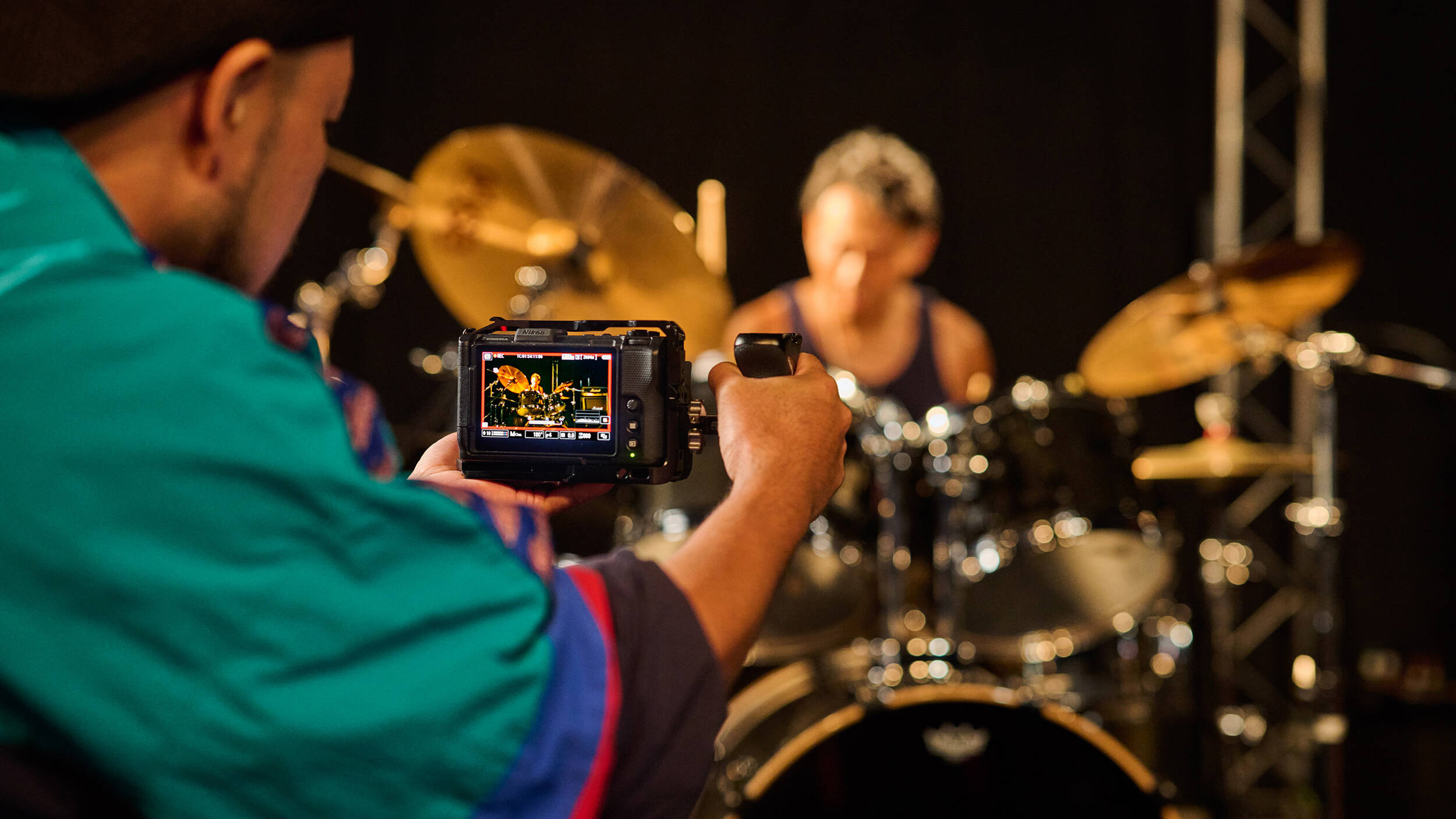
Leveraging the same sensor and processor combination as the Z6 III, the camera offers users 32-bit float audio, advanced autofocus, dual-base ISO, and up to 6K60 video capture in REDCODE, N-RAW, or ProRes RAW. The small, brick-like body—unique in Nikon land—features a large built-in 4" variable-angle touchscreen display with automatic orientation adjustment. The ZR's compact build is owed in part to the omission of a fan in its architecture, which Nikon has accommodated through an energy-efficient hardware design and a heat-dissipating magnesium alloy chassis. It's weather-sealed and accepts all sorts of accessories and third-party mounting options. While certainly capable of shooting stills, Nikon's first step into the video-first hybrid space gets high marks for both its performance and accessibility.
4. Ricoh GR IV
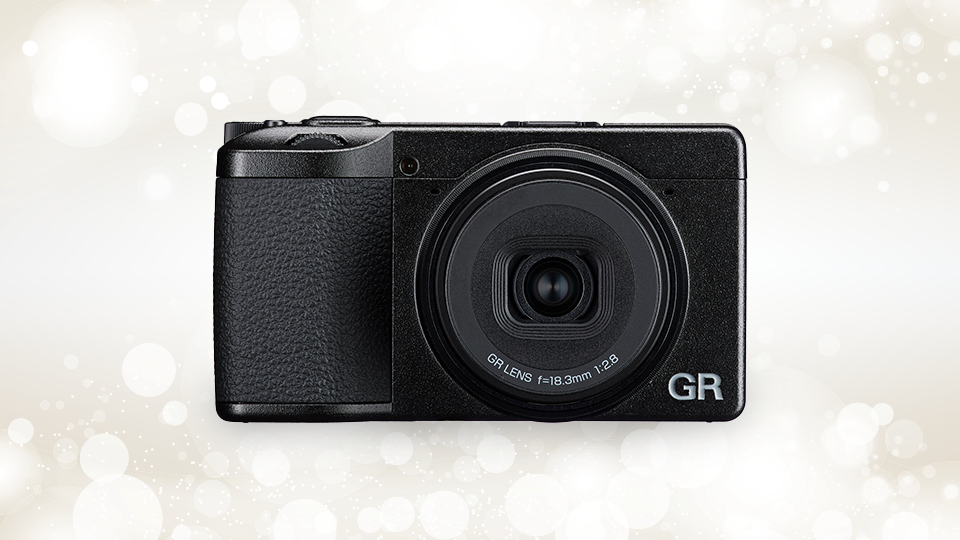
The latest iteration of the iconic street-shooter, the Ricoh GR IV, gets a subtle exterior redesign with a major overhaul under the hood. Coming six years after the release of its popular predecessor, the GR IV sports a new sensor, a new processor, a new lens, and a new battery, translating into faster, more accurate autofocus, sharper, higher resolution images, improved image stabilization, longer battery life, and a laundry list of user experience improvements.


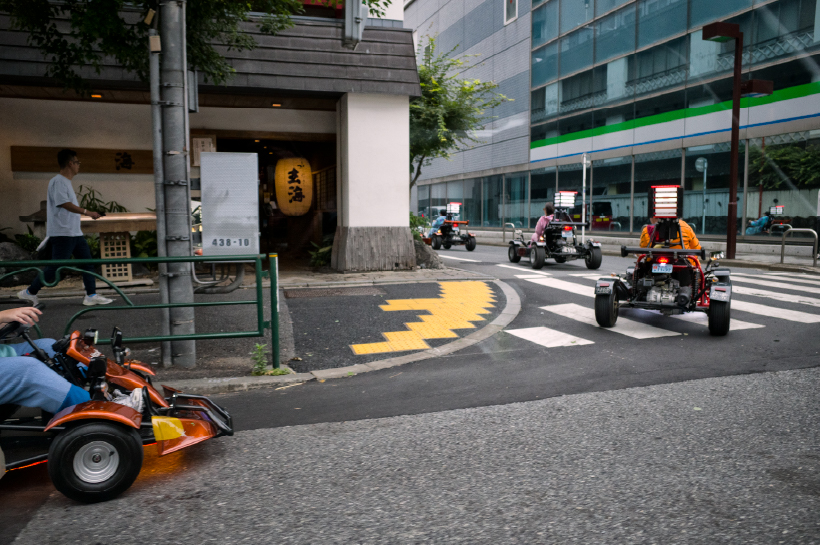

It's not a stretch to say that that the GR series is the only game in town when it comes to true pocketability. Its discretion in capture and design, along with its large 25.7MP APS-C sensor and snap focus capability, gives it its reputation among street photographers. The camera has been selling out quickly, Ricoh's already announced and HDF and Monochrome edition of the GR IV to come in the ensuing months.
3. FUJIFILM X-E5
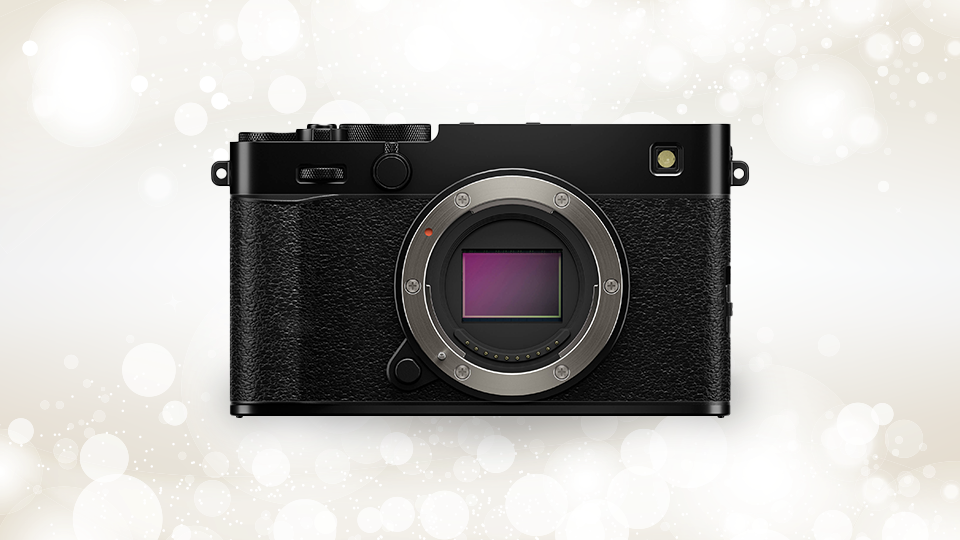
Another popular rangefinder-style FUJIFILM camera, the X-E5 brings an interchangeable lens mount to an X100VI-type body. Upon release it was paired with a brand-new pancake lens, the XF 23mm f/2.8 R WR, with the combination bearing extraordinary likeness to the X100VI. The similarity went beyond mere likeness, as the X-E5 has the same sensor, processor, and, for the first time in an X-E series camera, the same in-body image stabilization.



The chief body design upgrade is the Film Simulation dial. Situated on the rear face of the camera (like a command dial) between the viewfinder and hot shoe, the dial is the first in X series cameras to allow users to save up to three custom recipes to dedicated dial positions. Additionally, the camera’s aluminum top-plate has a circular window to easily view the active mode. Like its siblings, the X-E5 remains an ideal everyday companion, excelling in any situation that balances everyday carry with high-resolution imaging.
2. Hasselblad X2D II 100C
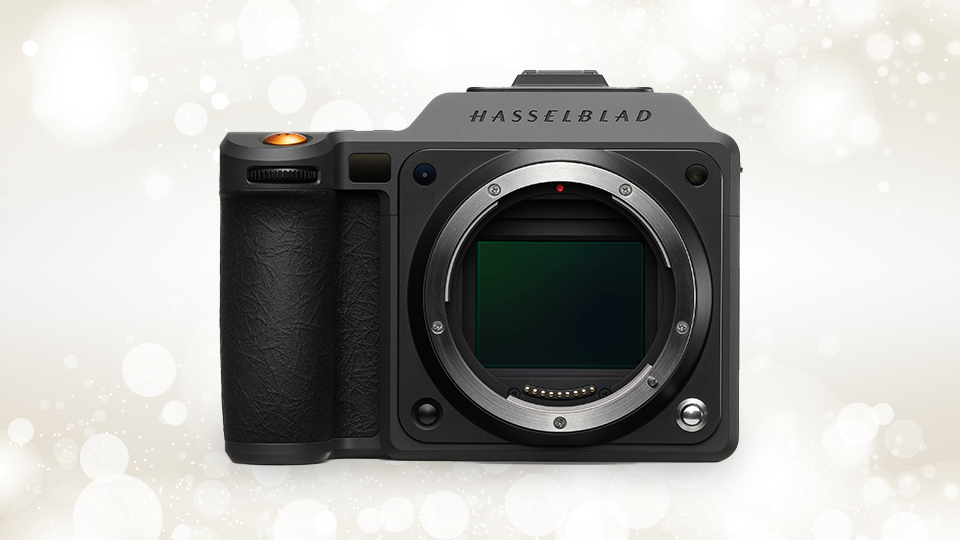
The long-awaited second generation of Hasselblad's flagship medium format camera, the X2D II 100C boasts a vastly improved autofocus experience, incorporating both LiDAR technology and new deep learning algorithms, along with new HDR color science that produces true-to-life color, improves highlight retention, and enriches tonal detail. Hasselblad has also improved the X2D II 100C's in-body image stabilization to up to eight times the performance of the first generation, with a 5-axis, 10-stop system that benefits handheld use.


With large sensors come large files, and for this Hasselblad has accommodated shooters with the inclusion of a terabyte of internal storage, which further unlocks higher read and write speeds, meaning the bulky, high-resolution files won't interfere with the pace of creation. The redesigned body also sports a refined, graphite grey matte finish, 5D joystick, and customizable buttons for improved use and handling.
Taken all together, it's a Hasselblad digital camera that feels just as home outside in the world as it does in a studio, making it one of the most competitive all around medium format cameras on the market.
1. Nikon Z5 II

We’ve arrived at the top spot for 2025, and that designation goes to the people's champ, the Nikon Z5 II, for its all-around versatility, functionality, and affordability. While the first generation was a more generic "entry-level full-frame" camera, the follow-up won acclaim for its high level of competence across all categories. Its success is indicative of the mirrorless market right now, where flagship features can trickle down into a "beginner" camera and make it just as attractive as a second body for professionals as it is for someone looking to make the jump to full frame. Case in point here, where the Z5 II has the same EXPEED 7 processor as the Z9, the same 24.5MP sensor as the Zf, and the same in-body image stabilization as the Z6 III.


The list goes on: 4K60 video, up to 30 fps continuous shooting, dual SD card slots, a fully articulating touchscreen rear LCD, sticky AF with nine subject detection modes (including birds!), a bright EVF, and a bigger battery. It handles well and accepts great glass. In short, it can do just about anything most people might want from a mirrorless interchangeable lens camera at a reasonable price point, which, at the end of 2025, says a lot.
Top Takeaways from This List
Camera development is at an inflection point. As flagship features become democratized, markets splinter into niches, and excitement bubbles up around design quirks just as much or even more than megapixels. Top ten omissions like the Sigma BF, the FUJIFILM X half, the Sony RX1R III, and the Canon C50 reveal just how varied the mirrorless market has become. The only consumer constant seems to be a disdain for the smartphone camera, and in turn manufacturers are encouraged to find new ways to meet the evolving demands for interesting, convenient, and authentic image making. Add in external pricing variables, the demand for video, and the tension between nostalgia and AI image generation, and you have a mirrorless future that seems as wide open as it uncertain.
Cameras are continuing to sell, there's no doubt about that. But the shape of the next big thing is anyone's guess. When it lands, you can be sure to read about it at the B&H Explora blog and buy it at our SuperStore.
