
Weddings are fast-paced events for photographers, and there’s so much to do. From portraits of the bride and groom to family formals, there’s much to cover, and we haven’t even scratched the surface yet. While all focus is on the bride, groom, and their families, there’s a lot of behind-the-scenes material to capture. As wedding photographers, you need to wear many hats, and that includes landscape, food, and product photography.
Proficiency in photographing product is a must, as there are many details and accoutrements to photograph throughout the wedding. Any break in the portrait action before the ceremony is essential for capturing details and items such as the invitations, bride’s bouquet, shoes, the groom’s watch, and of course, the rings. And we’re only scratching the surface. One of the most popular and effective methods of capturing these items is the flat lay.
What Is a Flat Lay?
As photographers, we’re all familiar with the classic “what’s in my bag” photo. These images are effective for showcasing a photographer’s style and preferences without a single spoken word. They’re also a perfect example of the flat lay image. Flat lays are top-down shots featuring an arrangement of stationary elements significant to a story on a flat surface. It’s a style of image often used in commercial or product work to simulate a birds-eye-view that’s become quite popular on social media.
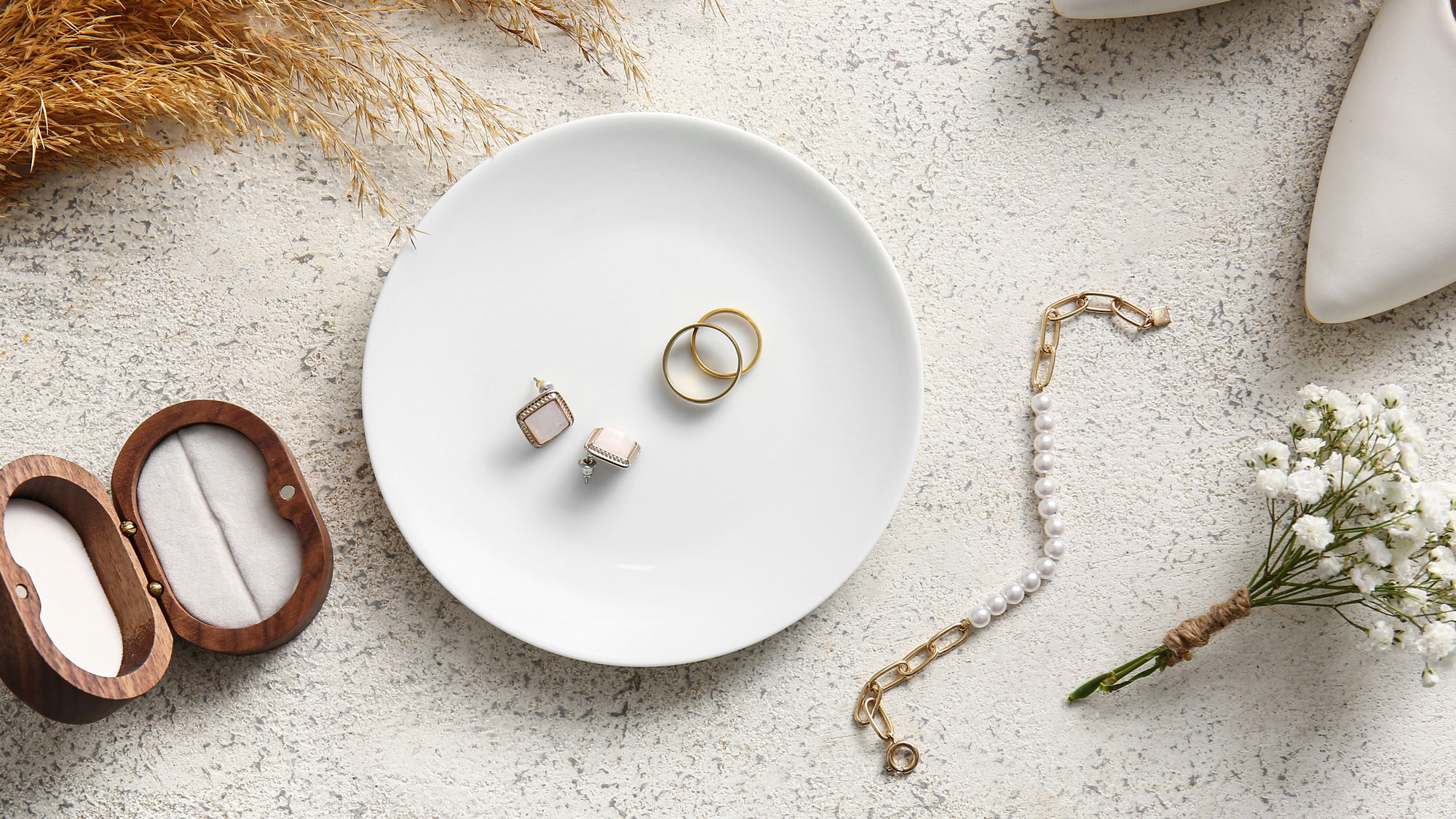
While often used for food and product photography, the flat lay style lends itself to weddings. As we mentioned before, food and product photography do make up a large portion of what we do on a wedding day as photographers. As for wedding specific shots, these focus on the bride and groom’s personal effects, as well as decorative elements that are significant to the day. If this sounds easy, it isn’t. Luckily there are ways to make these images up a walk in the park.
Have the Right Tools
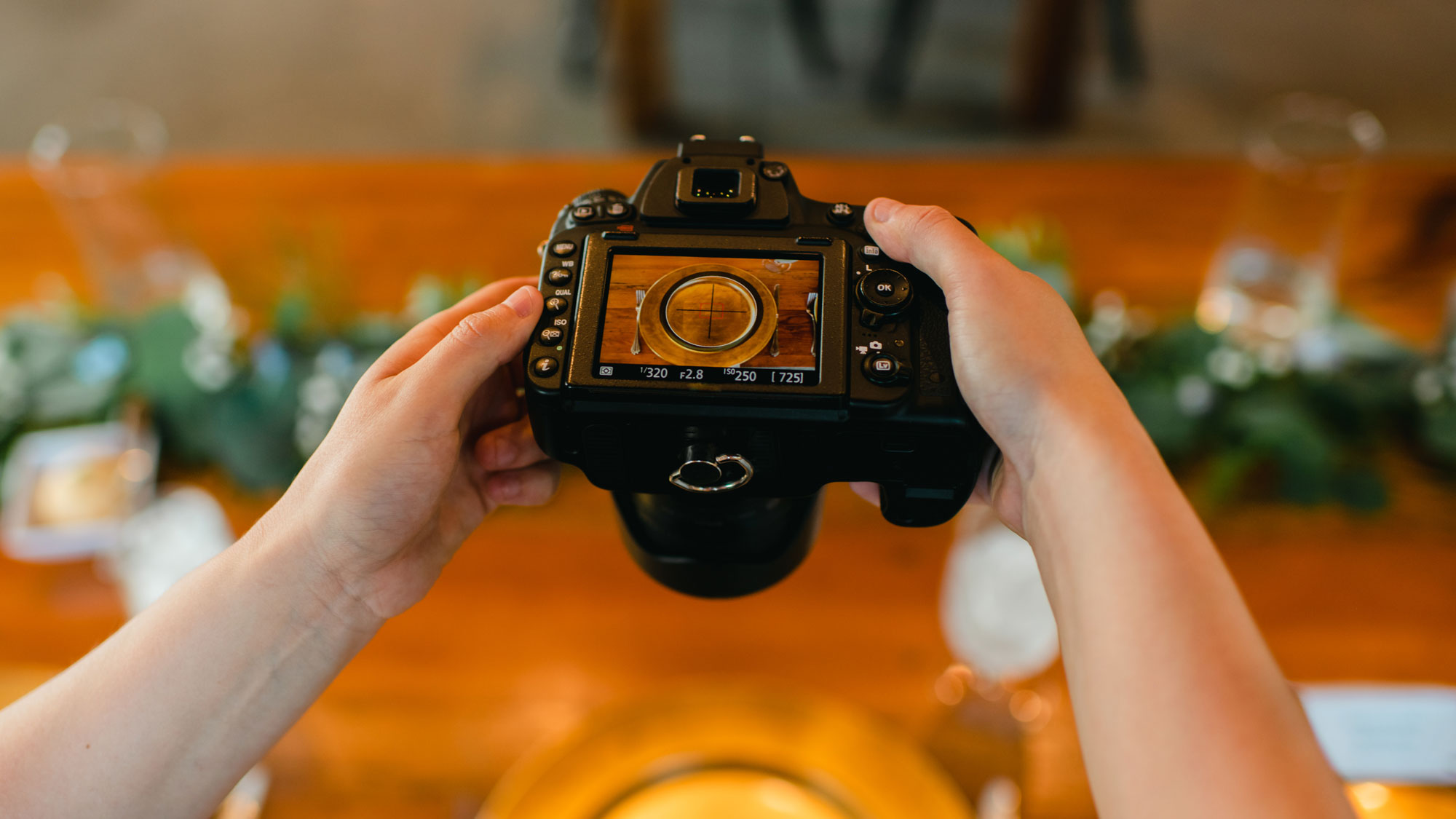
Flat lays are unique in the course of a wedding, thus requiring unique tools to get the job done. One of the most important aspects of this image type is the background. While a venue may offer a good background in the form of a table, countertop, or flooring, this isn’t always guaranteed. A dedicated backdrop or mat can aid you in situations where a good natural background just is feasible or if you want to give your images a uniform, stylish look.
A flat lay mat or small backdrop or board is an essential piece of kit to build your flat lay images on. This not only delivers a unified look across your portfolio but also saves you time as you won’t need to search around for the perfect background. V-FLAT WORLD offers a variety of double sided backgrounds with hyper realistic wood, marble, tile, or solid color patterns. Alternatively, you can make your own for a truly unique expression.

We recommend having two to three different backdrops to give yourself options. A dark, mid-tone, and light-colored backdrop should cover most scenarios, and don’t be afraid of mixing and matching. Perhaps one background for the bride and one for the groom. Obviously, if you come across a pleasing space to build your flat lay the old-fashioned way, go for it! In some cases, the table settings may reflect the overall theme of the wedding, meaning we want to capture that theme in our images.
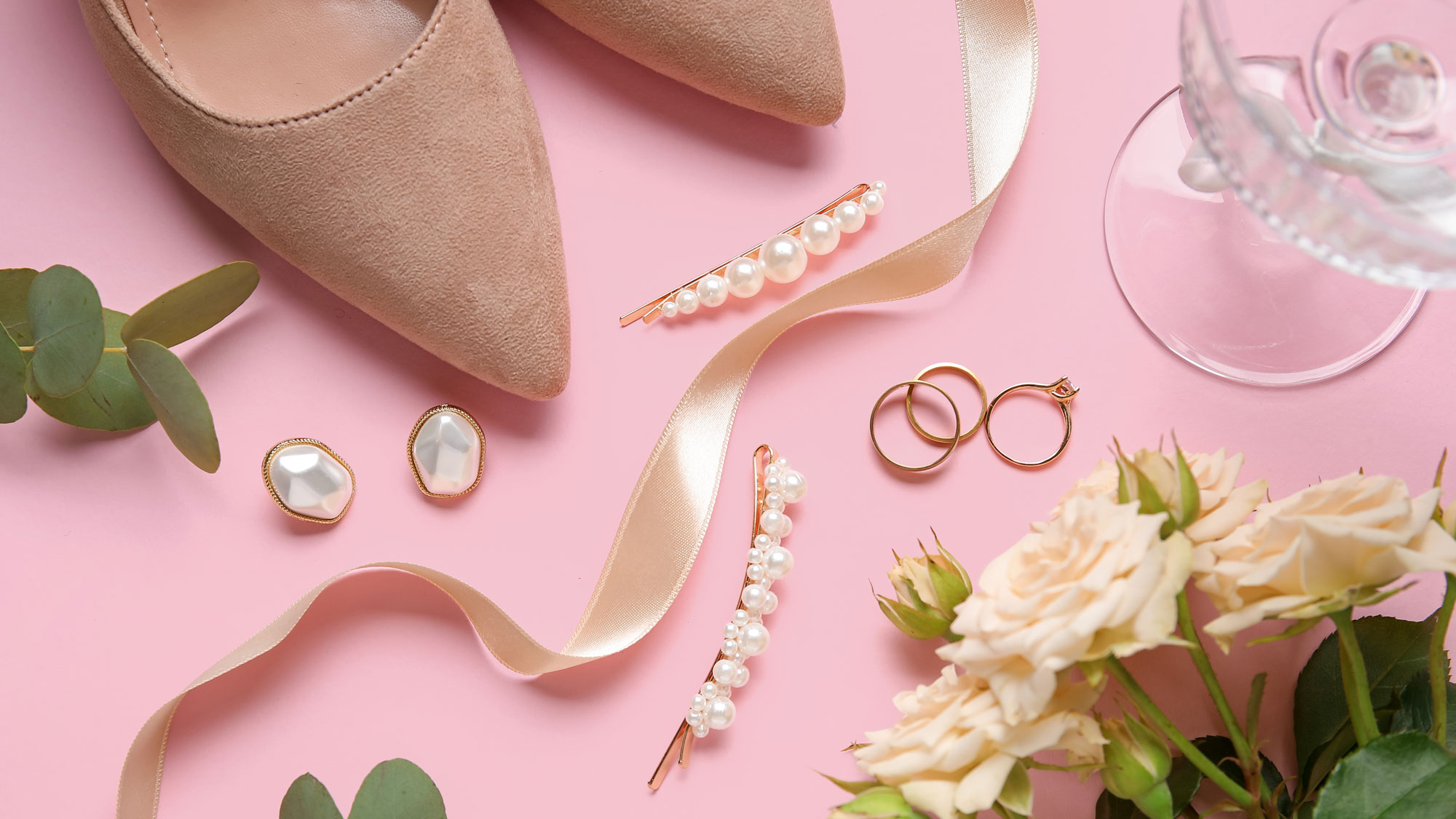
To add depth and dimension to your images, you can use styling blocks or risers to hold up objects. This tool can be advantageous for propping up flowers or other tricky elements in a pleasing manner. There are a number acrylic or wooden riser sets available on the market, but we’re not above using what’s available. Memory card cases, journals, or any flat surface can be used, though acrylic is far superior and creates cleaner images.
Preparing the Shots
As we would recommend in any wedding guide, work with your client to realize a fleshed out shot list. This will be your guide throughout the day and will remove any anxieties about missing shots. With that, be open to surprises. Some of the most memorable moments will appear out of nowhere, so keep your eyes peeled but your focus sharp.
The shot list should be established well before the day of the wedding and will include requests from the bride and groom as well standard formals, details and of course, some number of flat lays. The formula should be broken down by person, so you know exactly who to have on standby. The flat lays should be no different.
Just as you gather the family before the formals, request that your client(s) have the items gathered ahead of time. Perhaps stored in a well-organized little bag or box that can be easily transported. This can only serve to save both you and the client time and with it, save you from worry. Once the bride and groom start to get ready, items essential to these shots will be needed, so flat lays should be among the first shots you make on the day.
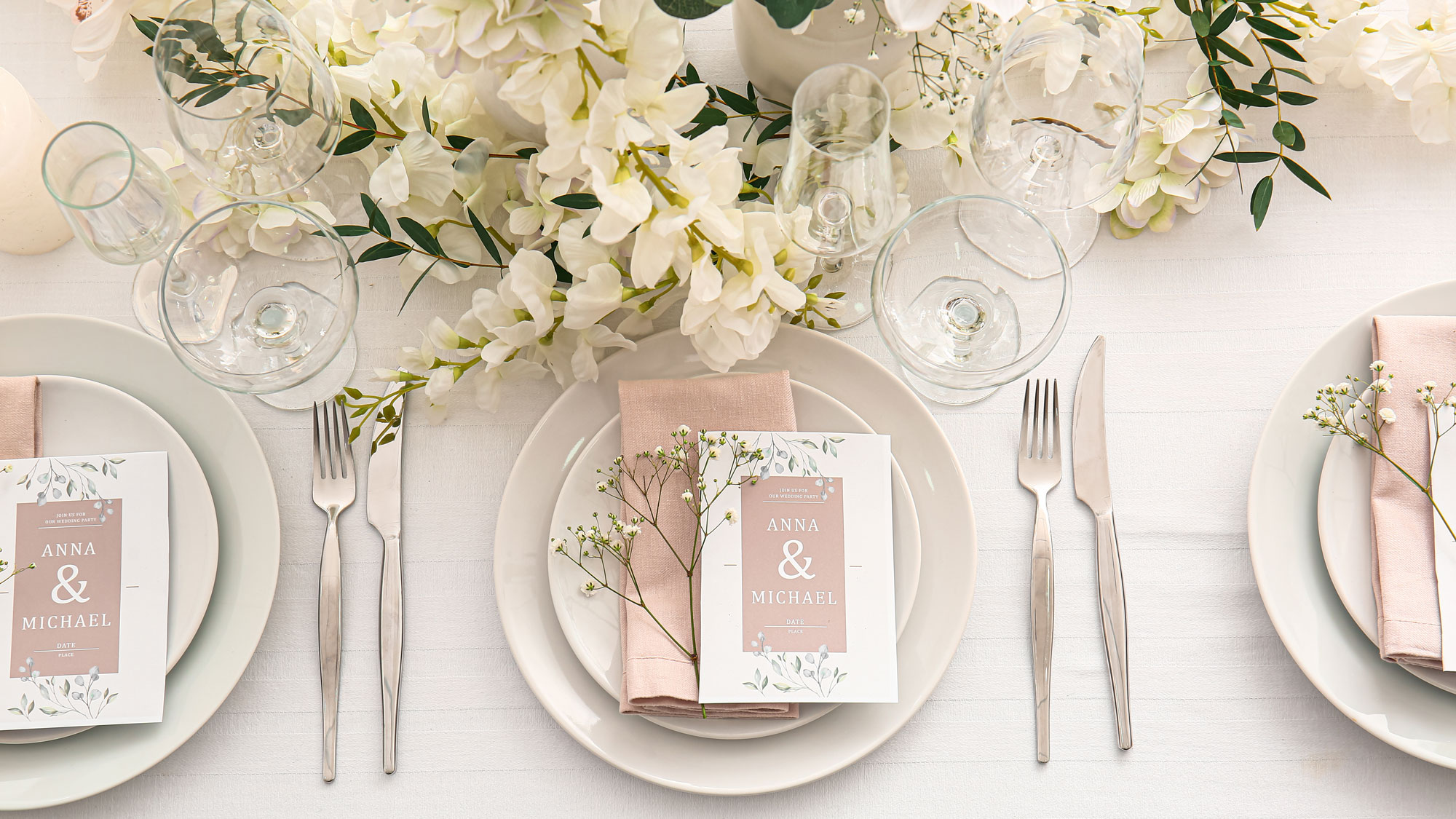
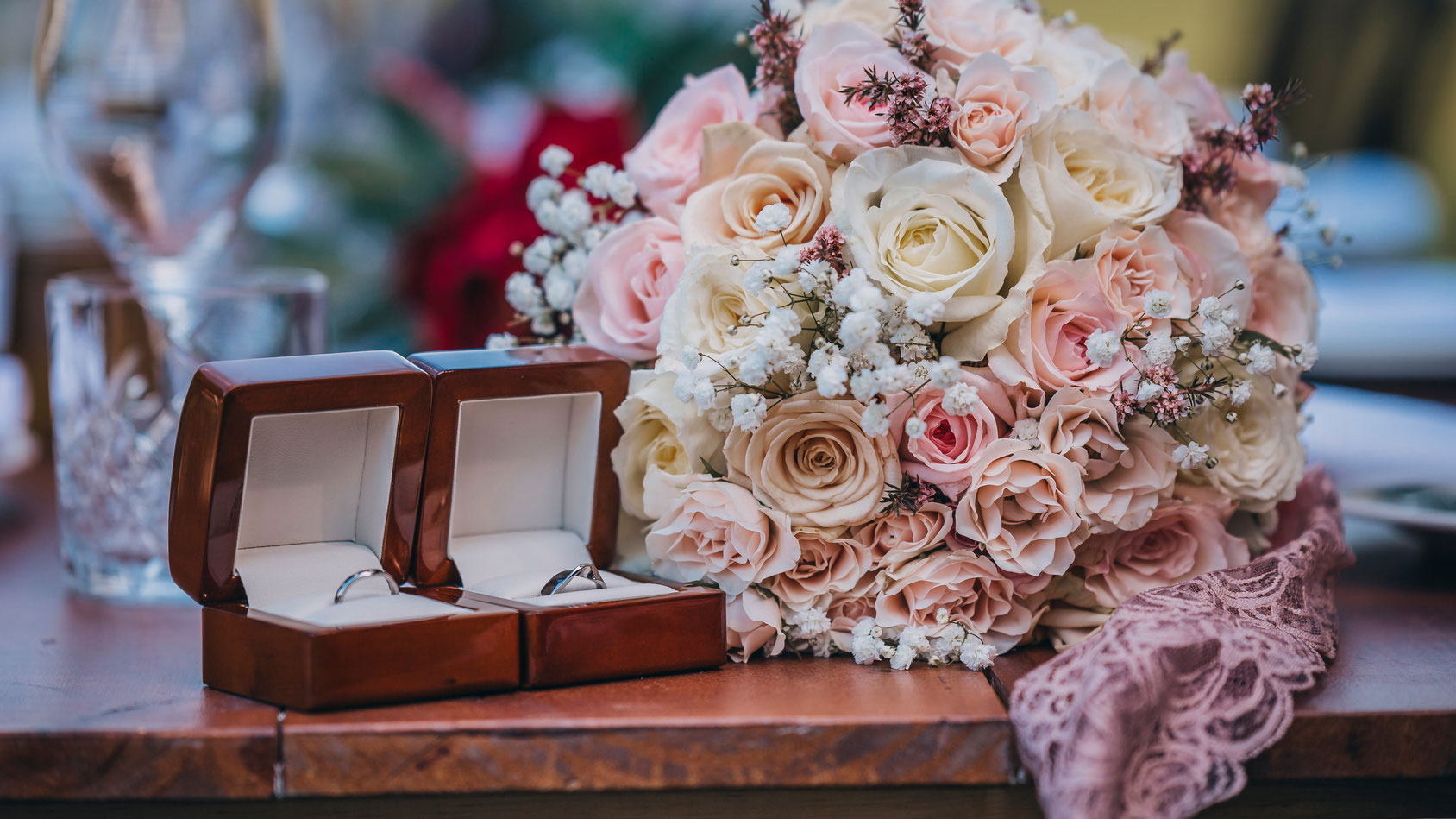
First and foremost are the rings. These, like any object, can be arranged with other stationary elements like the flowers, other jewelry the bride may be wearing, her shoes, or her perfume. Some may want a variety of images showcasing the engagement ring, wedding invitations, and other elements that form a part of the couple’s story.
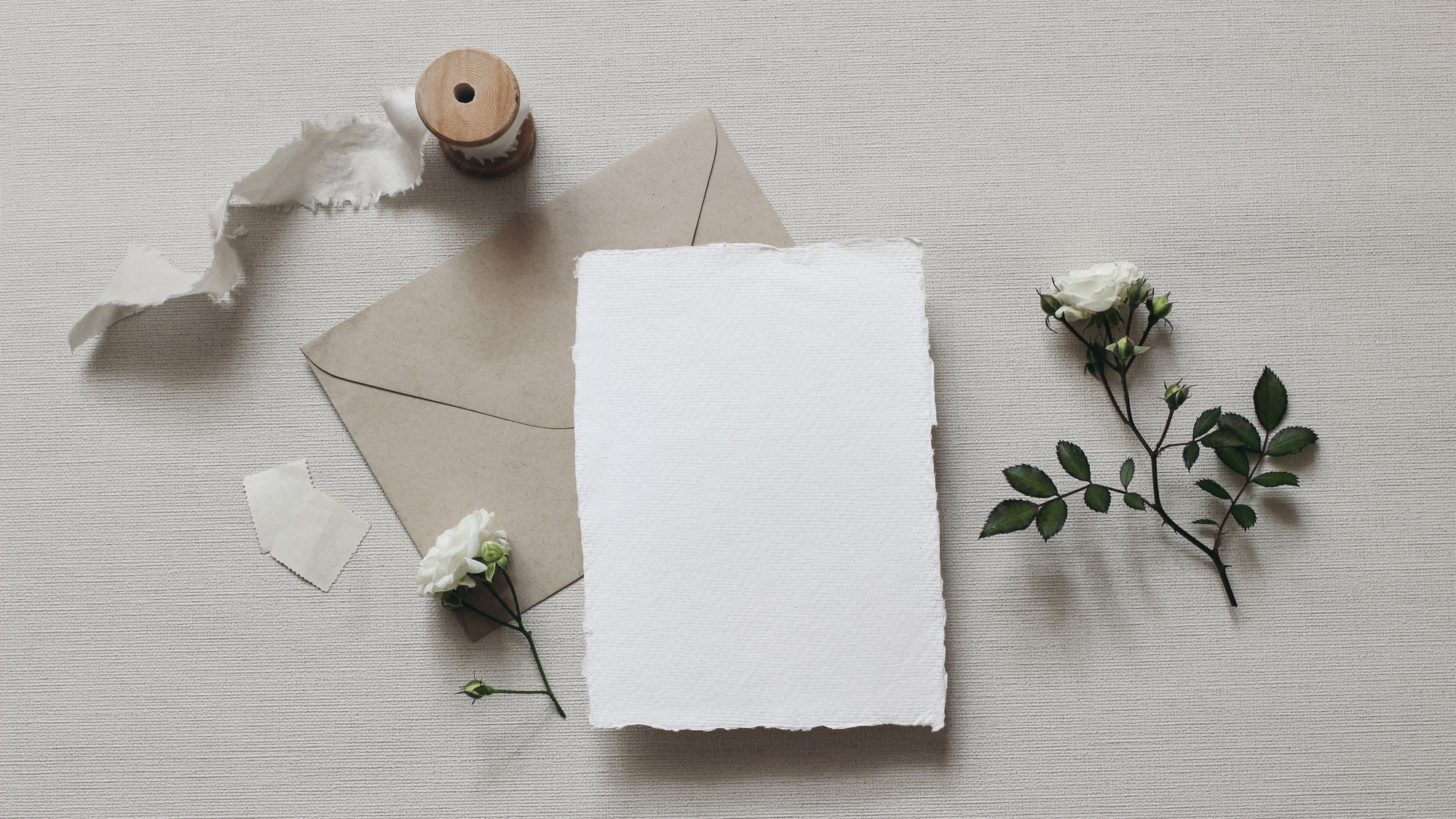
Choose your focal point. We’re not talking about the focusing point within our camera here. What we’re referring to is the most significant object in our frame, or our primary subject. This may be the largest or most colorful item in your frame, but it may also be the most significant of the set. The rings are a great focal point to any wedding flat lay, but so can the place settings at the tables, or an invitation as seen above.
While all eyes are on the bride, we can’t ignore the groom. A flat lay can be used for similar effect with the groom’s personal effects. The rings can be paired with his watch, tie, boutonniere, and cologne bottle for a glance into his special day. Like the bride, these items may be significant beyond the event itself, such as an heirloom wristwatch.
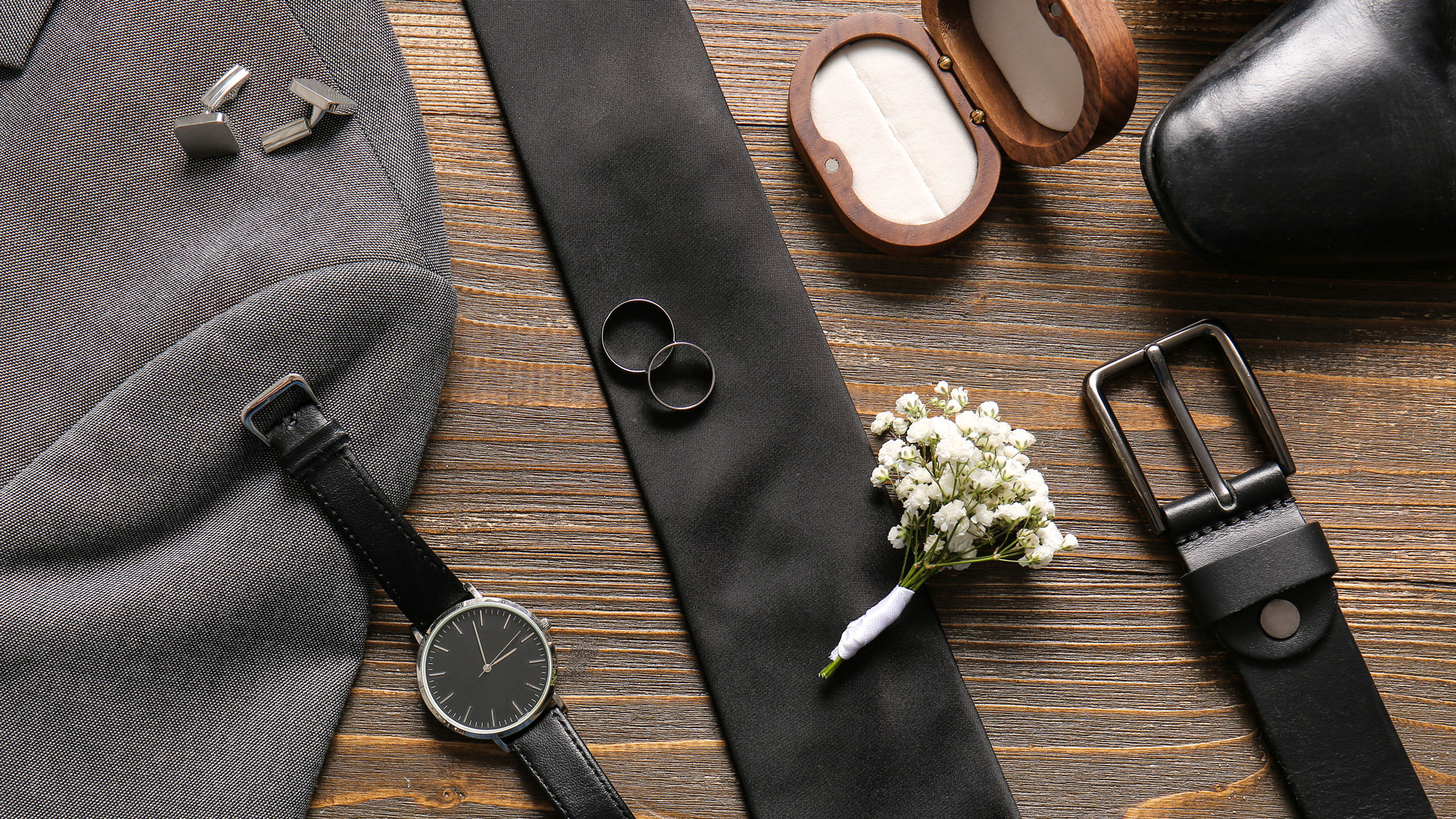
Something you may have noticed in the examples throughout this article, is that many feature items that are cut off. This is not an accident, but rather, a creative choice to deliver concise, focused images. If you try to fit an entire belt, tie, or pair of shoes into the frame, you may inadvertently clutter your image. Keep things tight and precise for the best results.
Put It to Practice
Flat lays are excellent way of capturing the finer details on a wedding day. Look at examples from photographers you respect or do a simple image search to find inspiration. Experiment with similar items at home to refine your compositions and keep an open mind when on location. Every wedding is different, and every flat lay will be different. Plan for what you can but be prepared for anything.
As artists, we’re always learning. Never discount the benefits of a new tool in your arsenal and always be open to new ways of doing things. To learn more about wedding photography, check out our other guides and articles on the genre. For all things photo, video, and audio, read more on the B&H Explora page!
