Search results for: photography tips solutions how to choose a monitor for photo editing
About 5 filtered results
by Cory Rice · Posted
In 1843, Anna Atkins made history when she bound her cyanotype impressions of algae into the first photographically illustrated book, Photographs of British Algae. A few months later, inventor of the salted paper print and acquaintance of Atkins, Henry Fox Talbot, published The Pencil of Nature, the first commercially

by Shawn C. Steiner · Posted
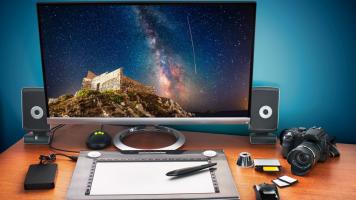
Since you clicked on this article, you must be committed to learning about the important, but admittedly boring, subject of color gamuts. Your interest may have stemmed from the latest smartphone releases, which boast features like P3 wide color and HDR support, or you may have realized that the monitor you have been using for years just doesn’t look quite right when it comes to photo editing. In any case, this should be a quick explanation of some common terms, what you should be looking for, and how it may be affecting your workflow.
What is
by Shawn C. Steiner · Posted
Now you are really on your way to becoming the director or cinematographer you always dreamed of being, or at least getting your feet wet with the idea. If you aren’t you can check out the first three parts of this series: Getting Started, Helpful Tools, and

by John Harris · Posted
And I’m not a pioneer of any style: I am just taking the kind of photos I like to take, using the principles of composition embraced by Cartier-Bresson and the street photography style forwarded by Klein and Winogrand, and applying them to a wedding.”
Some may beg to differ—after all, the “Ascough style” is a phrase often thrown around, referring to his black-and-white documentary wedding photography, and he is often mentioned as being one of the best wedding photographers in world. He is one of the

by Todd Vorenkamp · Posted
Many years ago, back in the days of wired telephones and film, most photographers did not give white balance (WB) or color temperature much thought. Those who did would carry around color-correction filters to screw onto the front of their lenses that would cancel out the color casts of the artificial or natural light illuminating a scene. If you were paying attention back in those ancient times, you may have noticed that some film was marketed specifically for indoor or outdoor use or specific light sources.
My guess is that many digital