Heliopan
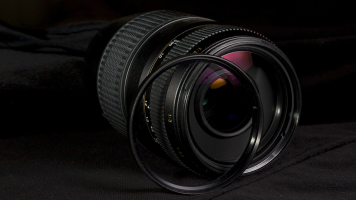
Some photographers refuse to place a UV or clear filter, or any other type of photographic filter, in front of their lens—worried about sacrificing image quality in the name of a layer of protection. It’s a fact that the more glass elements that light has to pass through, the greater the chance that the light is bent, altered, or degraded in some way.

And, at last, we have Park Photos (Tests 9-12) of the light-pollution filters, and my conclusions. To return to the first part of the article and the City Photos (Tests 1-5), please click here. To view Town Photos (Tests 6-8), please click here.
TEST 9A: From the park, a wide-
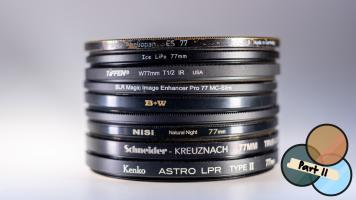
Here we have Town Photos (Tests 6-8) of the light-pollution filters. To return to the first part of this article, please click here.
TEST 6A: Backyard wide-angle photo with the house, pool, lights from the neighbor and nearby hospital.
Fujifilm X-T2; Samyang 12mm f/2.0 NCS CS lens; 30 seconds, f/2.8; ISO 3200
TEST 6B: Same as Test 6A, with WB at fluorescent.
Fujifilm X-T2; Samyang 12mm f/2.0 NCS CS
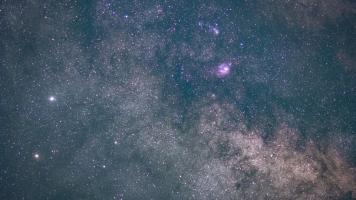
Light pollution sucks. Thanks to the electric light, humankind's view of the cosmos is in a steady decline. Dark skies are a thing of the past for most of us. Is there a way to combat this? Many filter manufacturers offer lens filters that claim to reduce light pollution in your photographs. Not only are they all unique in their specifications,

After posing for a few gigabytes of formals in a hall, you can sense the wedding party’s palpable relief when, weather permitting, it’s time to take it outside. If you’re lucky enough to have nicely landscaped grounds, it’s a great opportunity to stop fighting with the tungsten light sources inside and take advantage of that flash-friendly sunlight.
Whether you’re just starting out as a wedding photographer or a friend asked you to shoot his or her wedding or you’re a seasoned professional, you’ll need some kind of help to maximize your