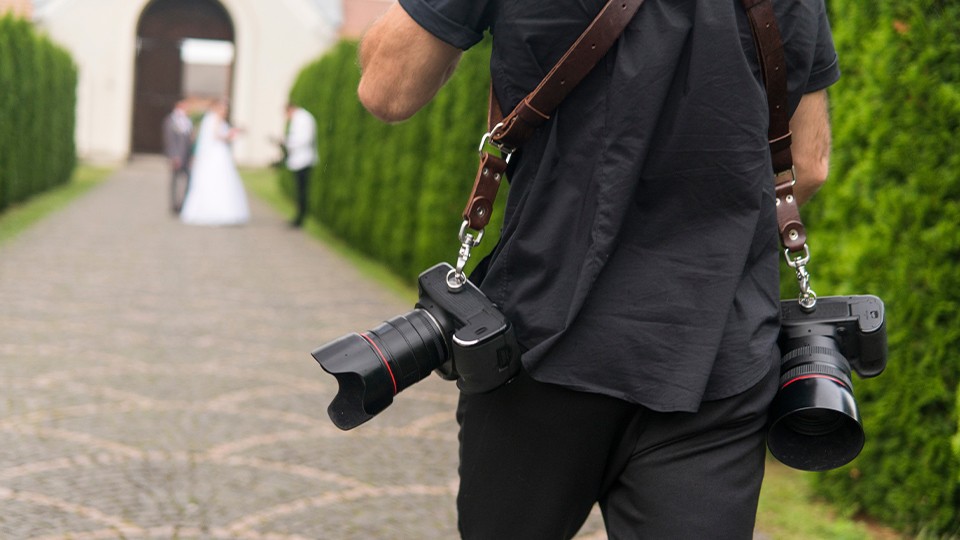
Weddings are among the most important events in a couple’s life. As a photographer, you’re tasked with capturing that day and immortalizing those memories with your camera and lens. However, the camera is only part of the equation. To make your images shine, you’ll need to add some additional tools to your arsenal. In this article, we’re going to explore the accessories that not only make your life as a photographer easier, but make your work stand out.
Lighting
Lighting is the most important element of wedding photography. You’re going to find yourself in dimly lit venues with little to no natural light, so it’s important to add your own. This is especially true later in the evening. To brighten the scene and freeze any action, use an on-camera flash (or speedlight).
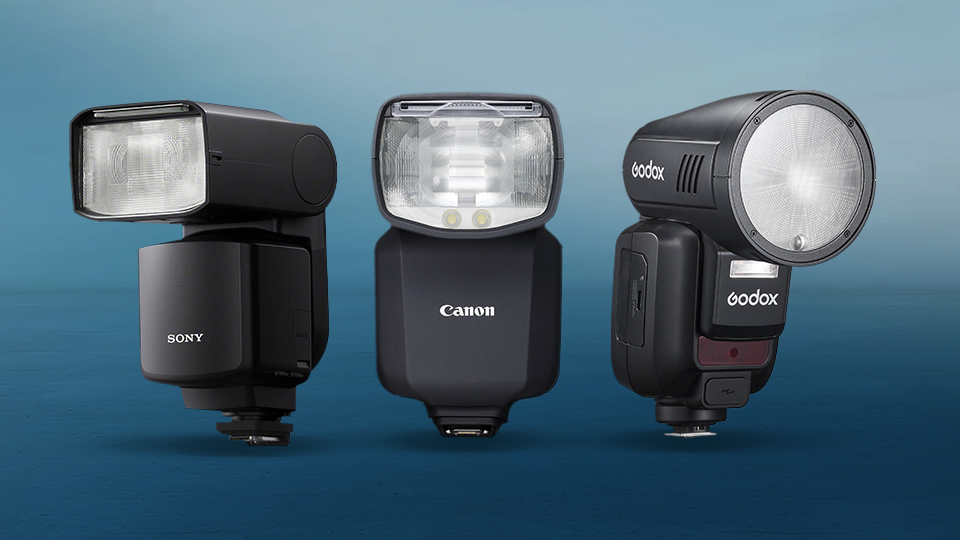
Pro Tip: To soften your light and cover a wide area, try using a bounce card. Most rectangular speedlights have one built in alongside a diffuser above the light source. Speedlights with round flash heads require an attachable bounce card, which are typically purchased separately or as part of an accessory kit. Either way, angle your flash to approximately a 45-degree angle and let the bounce card reflect light forward while the rest bounces off the ceiling or wall.
Straps
Comfortably carrying your gear around is a must, as you’ll be on the go for hours at a time. While deciding which strap best fits your needs requires a little trial and error, there are a few pointers to consider. Peak Design's Slide Straps are sleek and match the professional appearance many wedding shooters aim to convey. However, while stylish in appearance, these straps limit the photographer to carry only one body at a time. You cannot practically or securely carry two without overlapping and/or tangling straps.
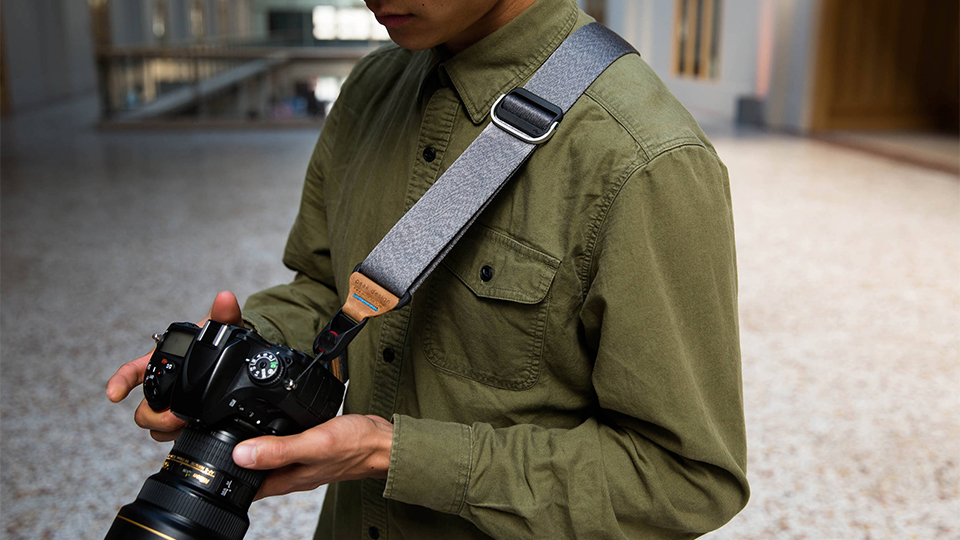
A solution to this problem would be a dual camera strap or harness. The Double Breathe Camera Harness from Black Rapid is a great example. It’s comfortable and, most importantly, practical. If you’re looking to maintain a more stylish aesthetic, HoldFast offers fully adjustable harnesses in canvas and leather.
Bags
The right bag can make all the difference. Whether you’re looking for a large bag to fit everything you need, or a shoulder bag to tote around throughout the evening, there’s a solution for you. Rolling cases are a great way to get the bulk of your gear from point A to point B. They glide across the floor, take the weight off your shoulders, and can easily be stood up under a table or behind the DJ.
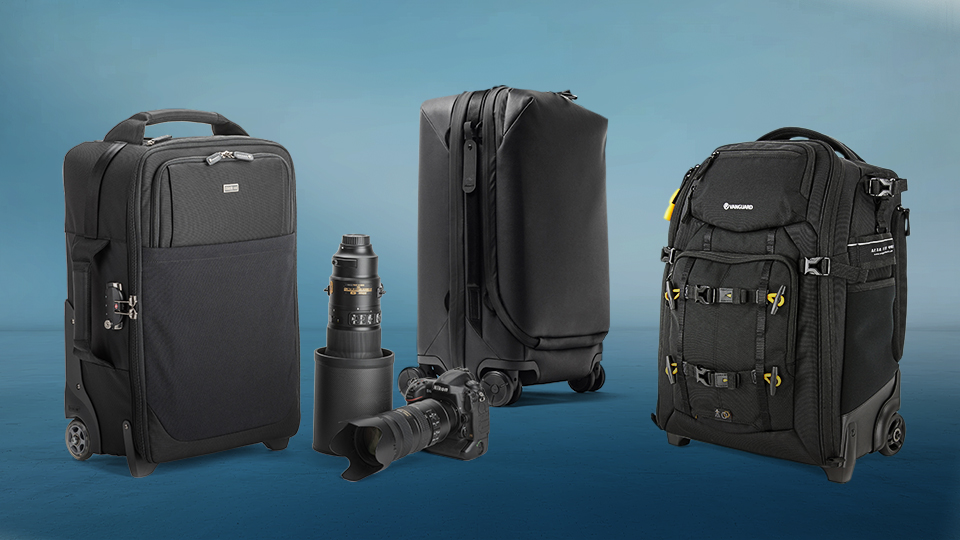
If you’re trying to maintain a small footprint, a sling or cross-body bag may suffice. Always aim to match your look when picking a bag. If you’re wearing all black, stick to black or dark colors. You don’t want to distract guests by wearing a neon orange bag.
Pro Tip: If you’re lucky enough to have spacious pockets, throw an extra battery and memory card in there for peace of mind. If not, invest in a small waist bag or pouch that you can attach to your belt for quick and easy storage.
Filters
Weddings come with their own dangers to photographers and their gear. Whether it be a guest dancing a little too passionately or a server tripping. There’s always someone just waiting to knock into your gear. While we can’t protect against everything, UV filters add a protective layer to front of your lens. After all, your lens should always be facing the danger.
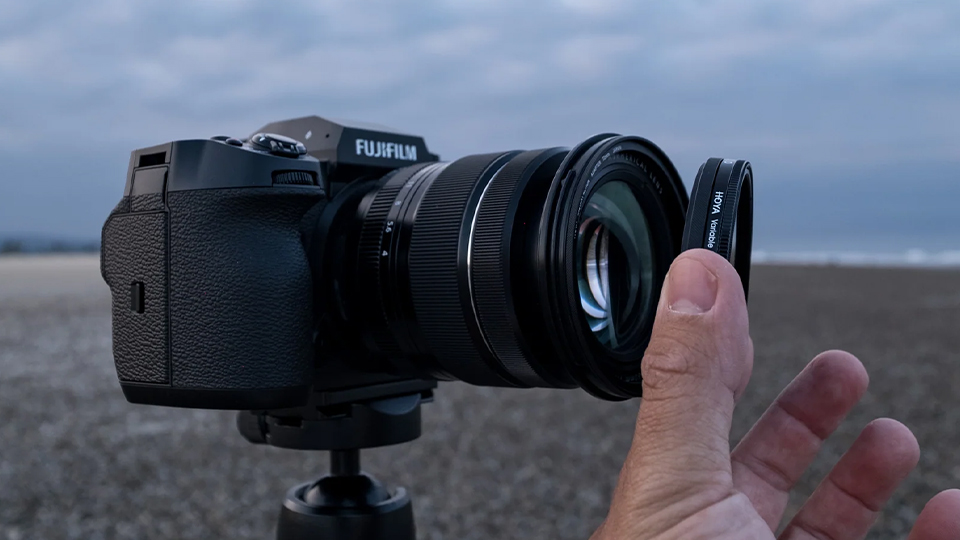
UV filters can protect against scratches, dings, and in some cases even spills. Accidents happen, and it pays to be prepared. A $100 filter is almost always cheaper than a repair. Just remember that not all filters are created equal. Look for filters with multi-coatings for the best scratch resistance and ease of cleaning.
Storage
After your first wedding or two, you’ll come to appreciate storage a bit more. It’s not unusual for some wedding photographers to take thousands of images per wedding and you don’t want all that data bogging down your memory cards. With all that data, it’s important to store all of those precious moments in a secure manner. As the old saying goes, if it isn’t saved in three places, it doesn’t exist!
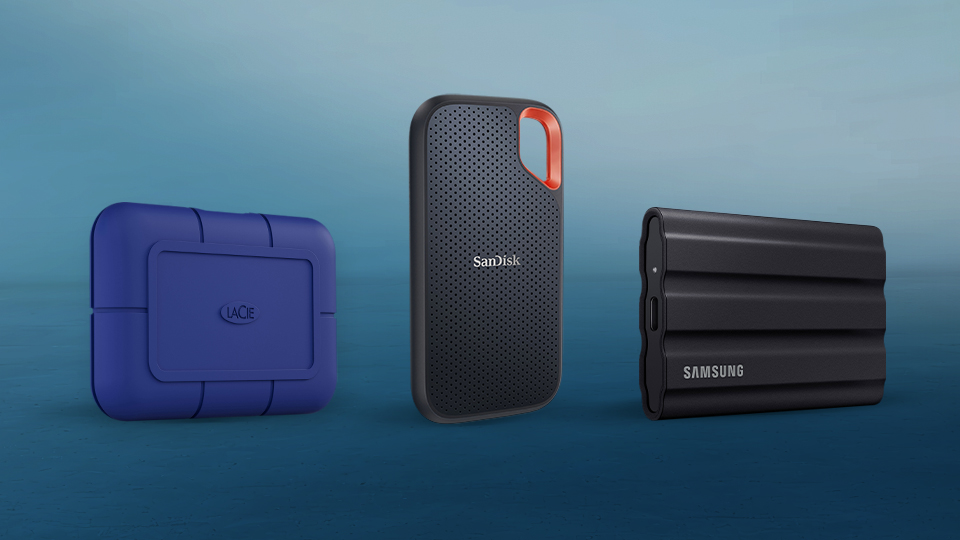
External drives like Solid State Drives (SSDs) are among the best for photographers and creators alike. These drives are fast, compact, and very portable. They can be used to keep your information backed up or as the main long-term storage for your system. They’re easy to move from device to device and travel well, making them the ideal option to store your work.
We recommend having two physical drives. One for you to work from and the other to serve as a backup. Our final and third form of storage should be something off-site, like cloud-based storage. Cloud services are widely available from companies like Google and Apple. Find one that suits your needs and get started. The research is most certainly worth the effort.
Post-Processing Software
If you haven’t yet taken time to start editing your photos, you have a whole other side of photography to discover. Post-processing software allows you to adjust and perfect your images beyond what any basic software can do. You can make minor adjustments like altering color saturation and brightness or more intensive alterations like removing distracting objects from the background.
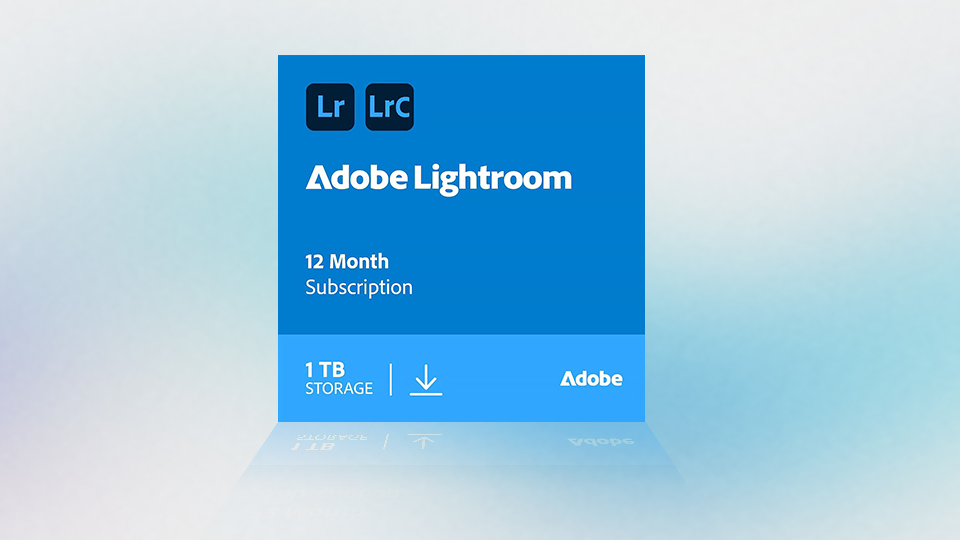
Some editing software can be linked between devices like Adobe Lightroom CC. You can work between your desktop, laptop, and tablet seamlessly with cloud-based storage. Plenty of editing software also offer presets that can be tweaked, copied, and pasted onto subsequent images for quick and efficient editing.
Pro Tip: Try shooting in RAW file formats—RAW+JPEG if it’s your first time. You’ll need post-processing software to convert your files, but you’ll have the maximum amount of detail your camera can produce to work with when editing. Adjust exposure, white balance, and more with significantly less impact to image quality than edits made on JPEG files. Note that RAW files are larger and take up more space than JPEGs, meaning you’ll want plenty of extra memory cards.
