
To the naked eye, Sony's 2025 might seem more muted when compared to a massive 2024 that saw not only the release of a new flagship camera, but the revelation that some of the most iconic imagery in recent memory was made with Sony gear. Still, in 2025 the company continued its track record of introducing first-of-their-kind optics while also reinvigorating their compact and cinema lineups.
The Game-Changer
The company's most ambitious and well-received release of the year is its FE 50-150mm f/2 GM lens. Building upon last fall's 28-70mm f/2 GM standard zoom, the reimagined telephoto zoom offers a tantalizing proposition for portrait photographers: replace a three-prime (50mm, 85mm, 135mm) kit without sacrificing on performance, image quality, or bokeh. Sure, it's a hefty lug that fetches a hefty price, but the unique zoom range and constant f/2 maximum aperture offer valuable versatility in both low-light and depth-of-field applications. The lens is also representative of Sony's ongoing commitment to the hybrid demands of the contemporary content landscape, with video-friendly features like an internal zoom and focusing mechanisms, focus breathing reduction, and quick and quiet autofocus.
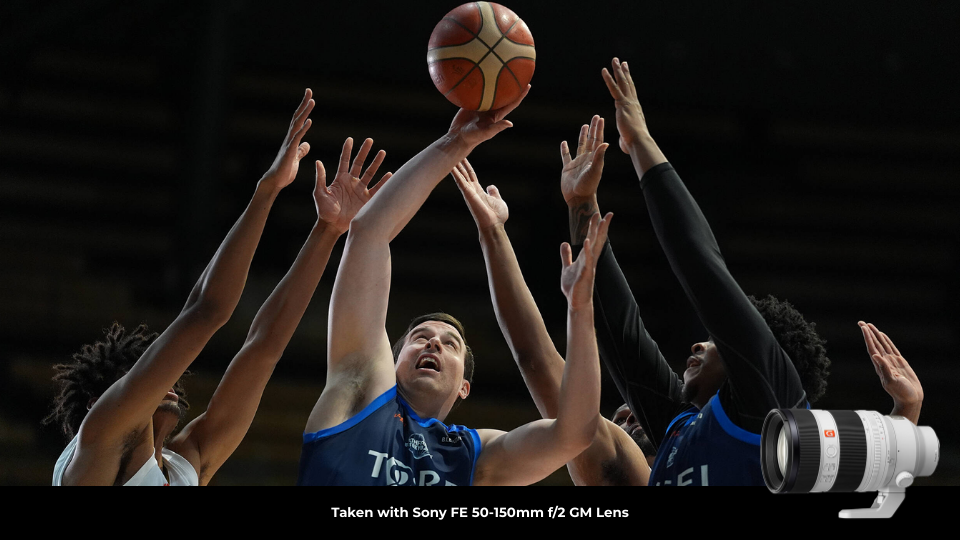
It's a lens that's gotten high marks from users across domains beyond portraiture, including wedding and event pros, court-sport photographers, and low-light wildlife shooters.
The Lightning Rod
Sony's most controversial release of 2025 was the RX1R III Digital Camera, a threequel ten years in the making. Appearing seemingly out of nowhere at the end of July, the camera was ready-made to inspire discourse with its premium price tag. Nobody denied its premium innards though, as it stuffed the Sony a7CR's high-resolution 61MP sensor and BIONZ XR processor into the same incredibly small body as its predecessors. The RX1R III also features Sony's AI-powered autofocus and a new battery for improved performance.
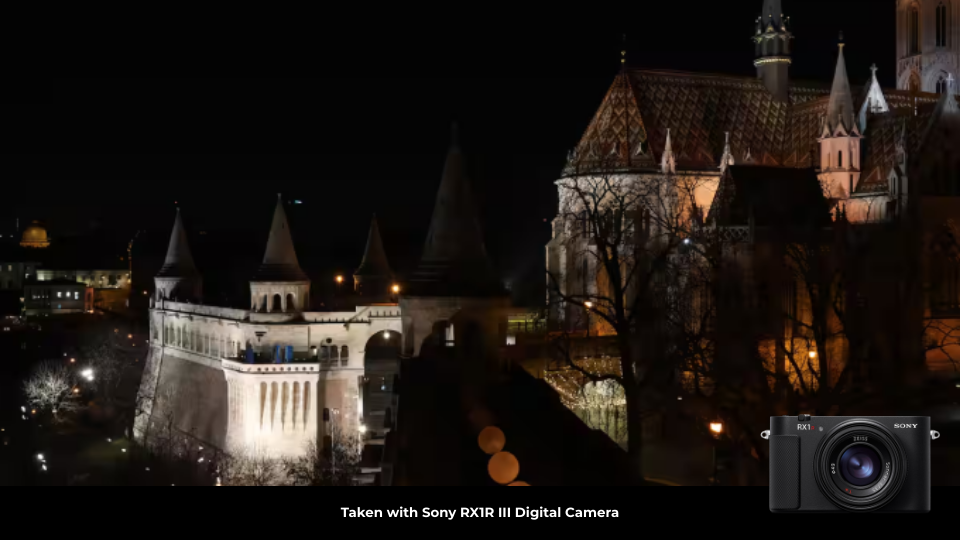
While giving the Statlers and Waldorfs of the industry plenty of fodder for takes, the camera nonetheless appeals to a market that remains hungry for high-quality digital imaging systems in compact form factors.
The Slow-Burner
Sony also had a somewhat mixed response to their FX2 Digital Cinema Camera, announced at the end of May as a Cinema Line floor-raiser for filmmakers and hybrid content creators. The camera's chilly reception would thaw over the summer as it landed in the hands of consumers, who accepted the camera's trade-off of cropped 4K 60p video for dynamic active stabilization, AI-powered autofocus, and underrated stills photography chops. The built-in viewfinder was a design gamble that would come to define the polarized user engagement with the FX2, with people admitting that for all its awkwardness, they were using it more than they had expected.
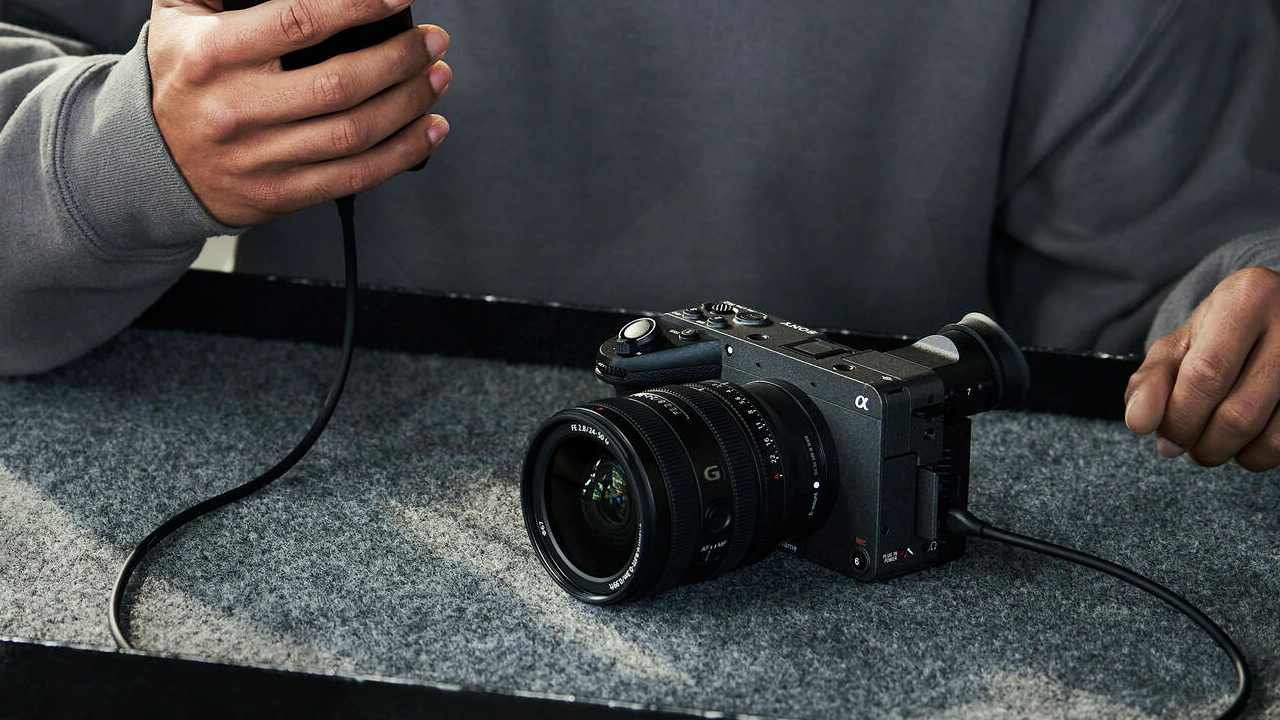
In resetting the entry point for their Cinema Line, Sony is hinting at a new generation of video-first hybrids to come—which, admittedly, is what many in the ecosystem were expecting with the FX2. Sony also released a new camcorder for professionals in working in sports, news, corporate, documentary, and live production, the PXW-Z300, which is notably the company's first to feature CP2A content authentication.

The Fraternal Twins
Rounding out the year with less controversy or fanfare was the February release of a pair of G lenses that straddled the focal length spectrum: the ultra-wide FE 16mm f/1.8 G prime lens and the super-telephoto FE 400-800mm f/6.3-8 G OSS zoom lens.
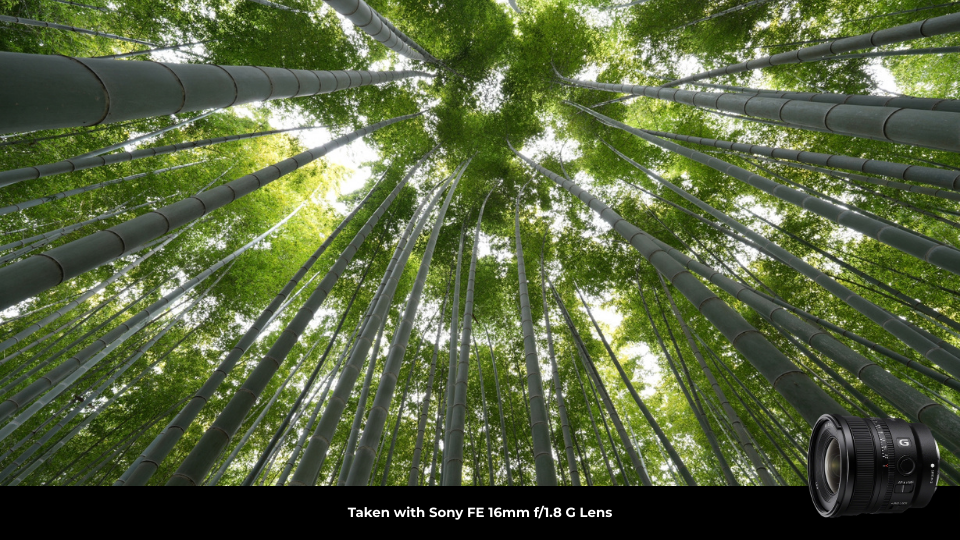
As one of Sony's fastest ultra-wide primes, the 16mm f/1.8 G lens was as welcomed by content creators as astrophotographers for its wide field of view, image quality and sharpness, and compact form factor.
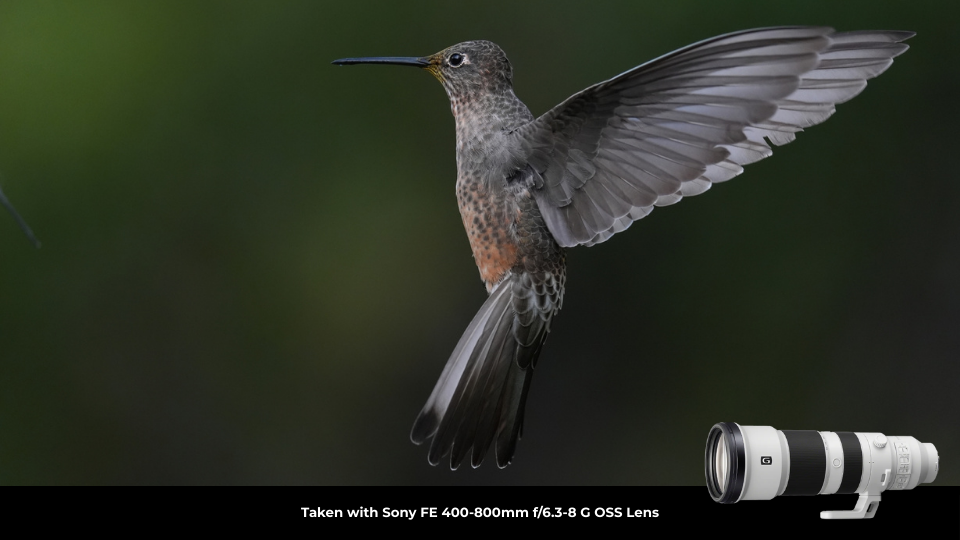
Meanwhile, the super-telephoto zoom was the first Sony lens to reach 800mm and gained instant traction with wildlife and sports photographers, benefiting both applications with its efficient autofocus and optical image stabilization.
For more details on Sony's 2025 releases or to see their full lineup of products, be sure to check out the rest of our blog and our SuperStore.
