Photography is, by definition, the capture of light on a light sensitive surface. Exactly what kind of light this is in reference to is up to you as the photographer. When we think of lighting for photography we may immediately conjure up images of on-camera speedlights or big studio lights with soft boxes atop towering light stands.
While these lights can give us control over our scene in a variety of lighting conditions, they're not the only way we can light our images. Natural and ambient lighting can be harnessed to dramatic effect, if we know how to use it. In this guide, we're going to look at how ambient and natural lighting can be used to create moody, dramatic portraits.
The Basics
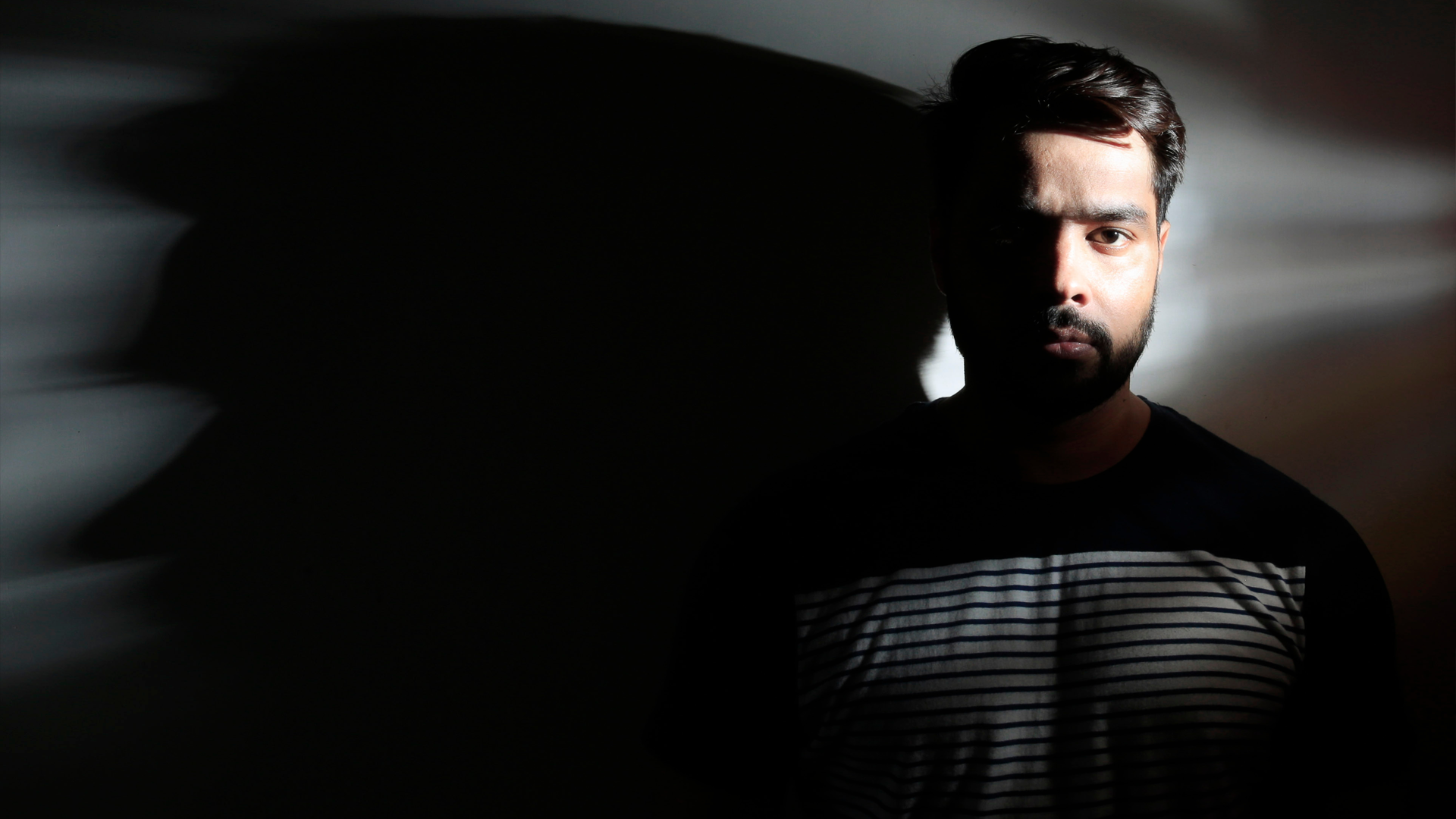
How would you define dramatic lighting? Dramatic lighting is characterized primarily by contrast. Harsh shadows clash with the illuminated areas of the photo to draw your viewers' attention. This difference between light and dark creates a greater sense of depth and delivers an emotional intensity. It's also pretty eye-catching thanks to the clashing tones.
What about ambient lighting? Ambient lighting refers to any light you as the photographer did not add. It is the first layer of light in a space, providing basic illumination. The source itself is not important, as it could be natural like such that from the sun, or artificial light from a lamp, chandelier, or candles.
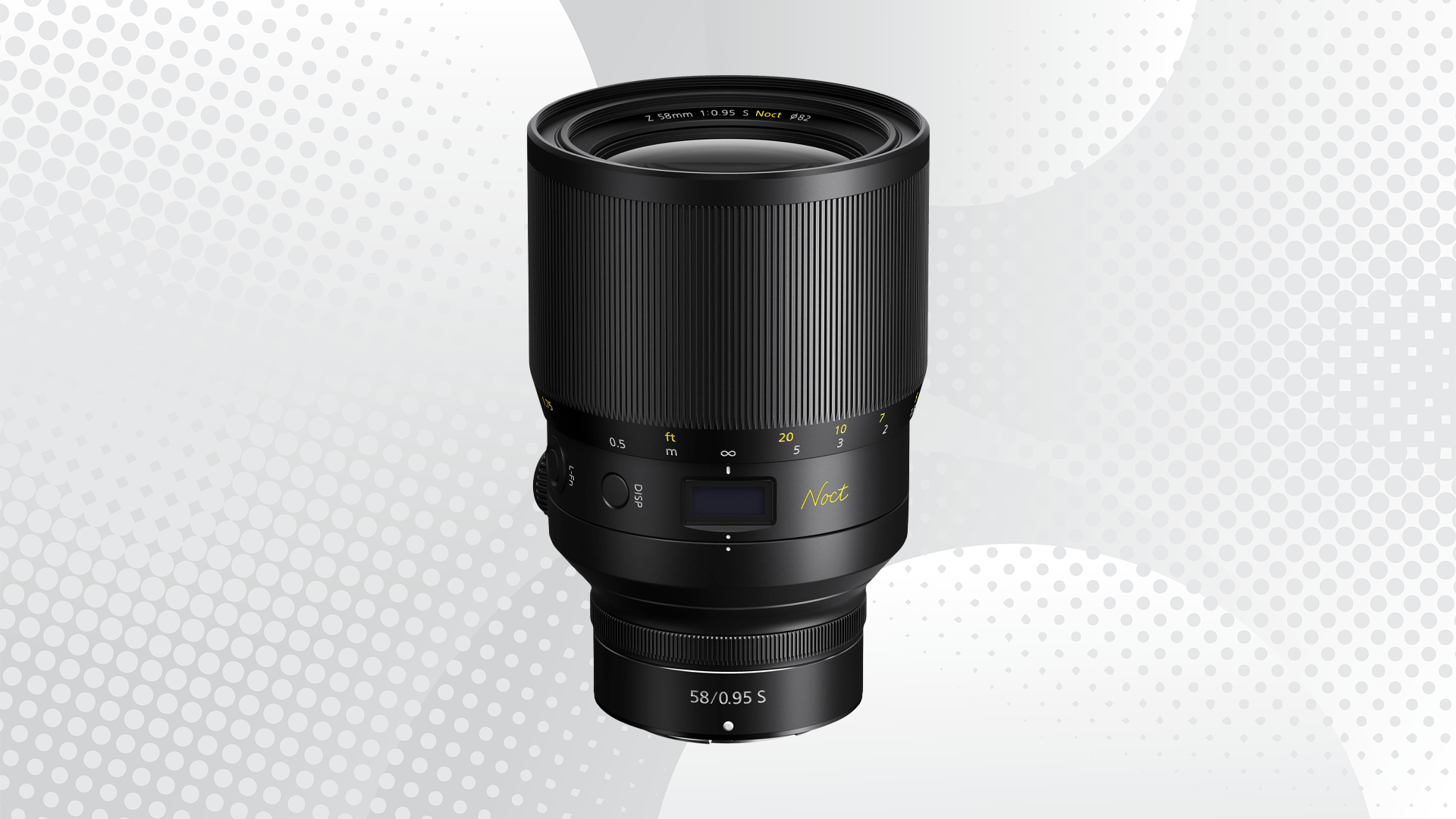
When working with ambient light, sacrifices will need to be made. This is not often the time for super-fast shutter speeds. This is the time to refuse modernity and embrace the intentional blur. Unless you're shooting an event, party, or thanksgiving dinner with a low-light monster like the Nikon Z6 III paired with the Z 58mm f/0.95 S Noct Lens, you'll likely be confined to slower shutter speeds.
Gear
A benefit of natural light shooting is not needing a ton of gear. We can complete a shoot with a camera and a few lenses over our shoulder. Ok, there's a bit more to it than that. While we won't be using lights, there are light modifying tools we can employ to fill shadows and shape the natural light at our disposal.
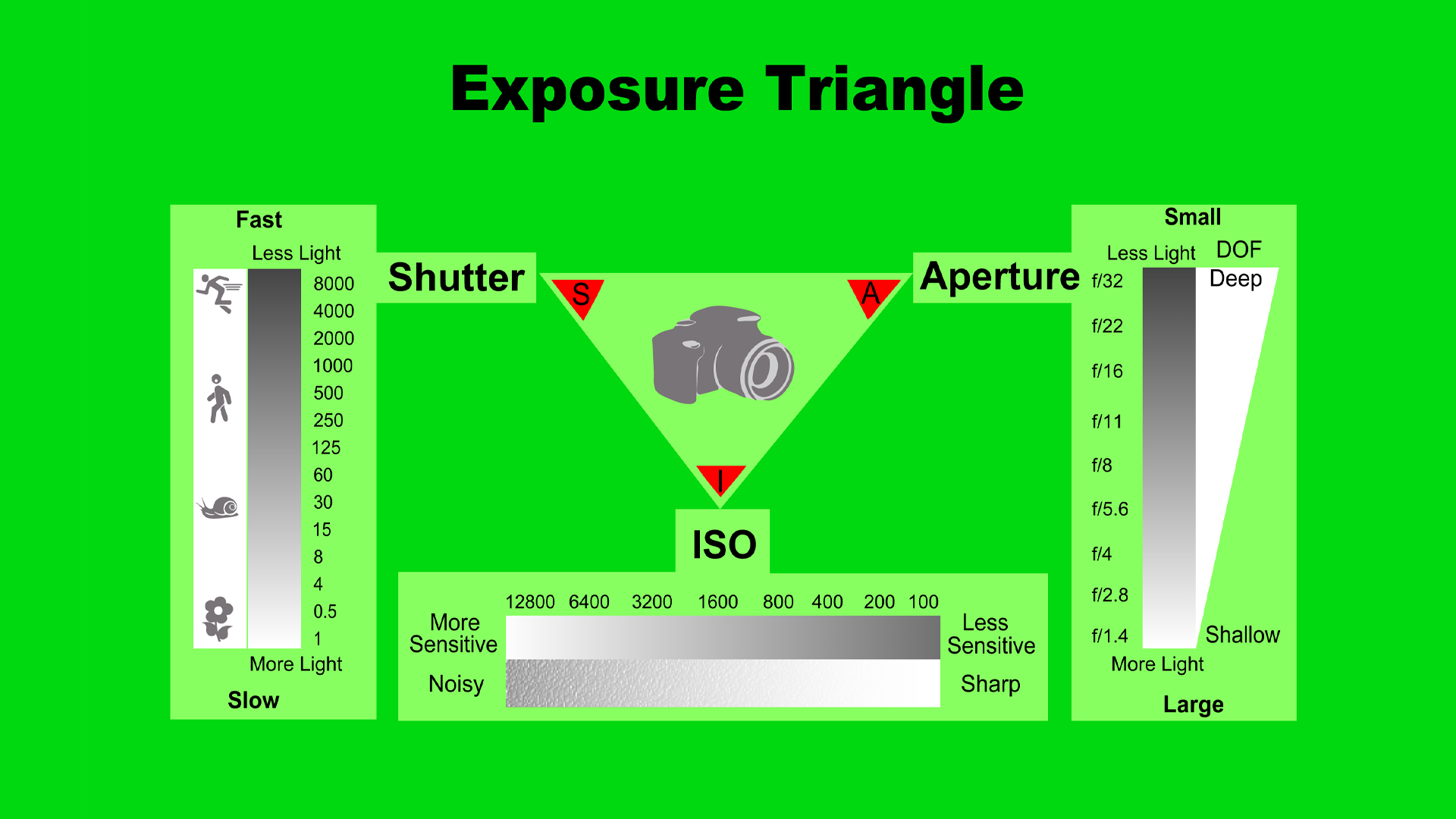
Of course, there's no better tool for natural light shooting than a fast lens. What do we mean? Well, fast glass refers to a large or "fast" aperture. Aperture refers to the opening in the back of the lens controlled by an adjustable diaphragm, which is notated by a numerical value like f/5.6 The smaller the number, the larger the opening and the greater amount light we allow to reach our camera's imaging sensor.
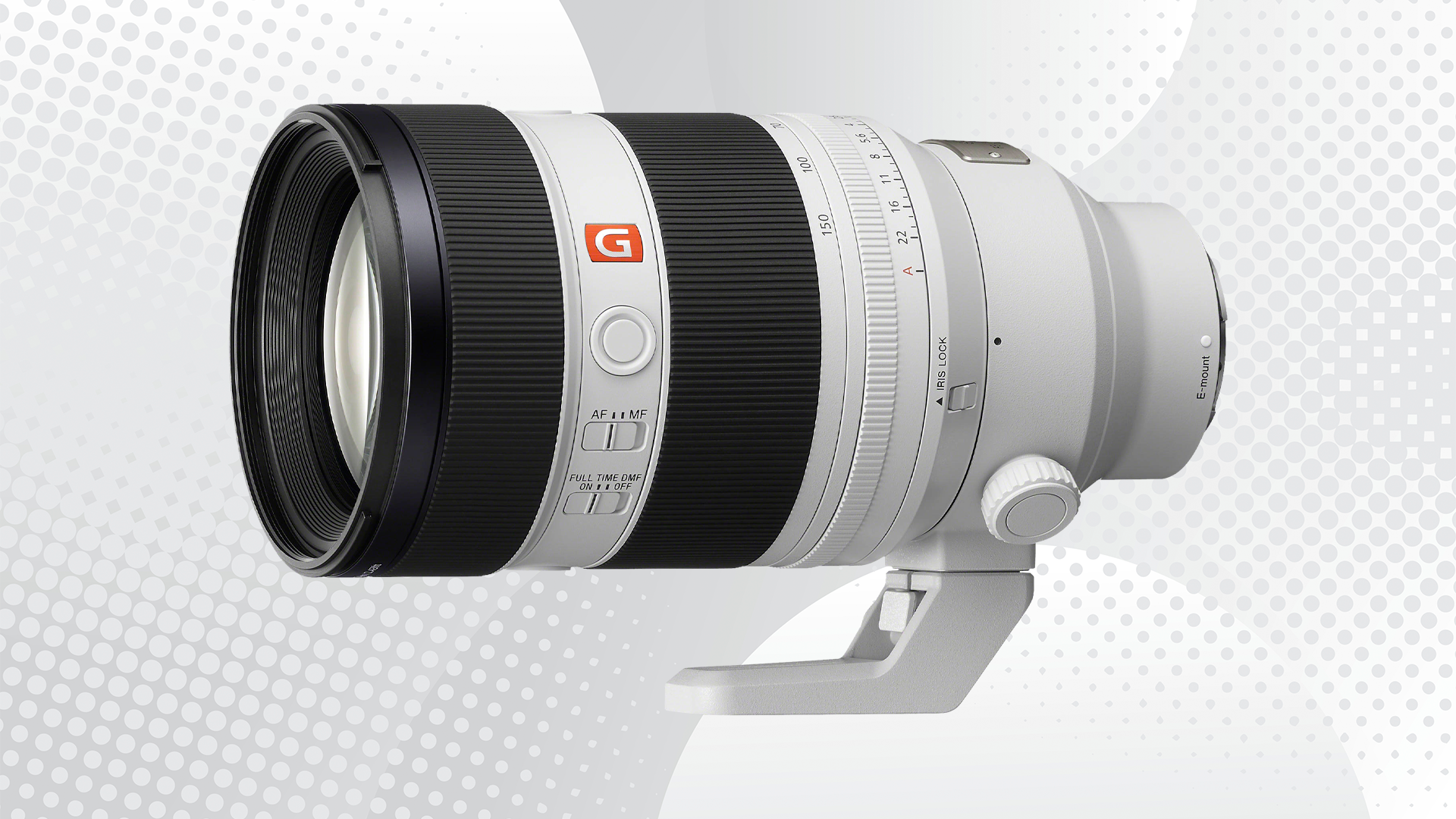
Traditionally, fixed focal length lens, also known as prime lenses, offer even fast apertures typically ranging from f/1.8 to as low as 1.2! While primes have greater light gathering capabilities, zooms have the versatility. A typical zoom for portrait work may be a 24-70mm f/2.8 or a 70-200mm f/2.8. These focal lengths are staples of a portrait/event photographers' bag, though some prefer to mix in some primes for added brightness. There's been a recent push to bring prime level sharpness and light gathering to versatile zooms like the Sony FE 50-150mm f/2 GM lens.
One of the most effective and invaluable tools for natural light shooting is the collapsible reflector. A 5-in-1 kit is perfect, as it offers a variety of tools for diffusing and, as its name would suggest, reflecting light into a scene. For less dramatic, softer shadows, you can employ a reflector to bounce light back into the scene. These offer white, silver, and gold reflectors to adjust color balance. Black can also be used to block out reflections for even harsher shadows and to eliminate spill, or light that falls outside the intended area of illumination.
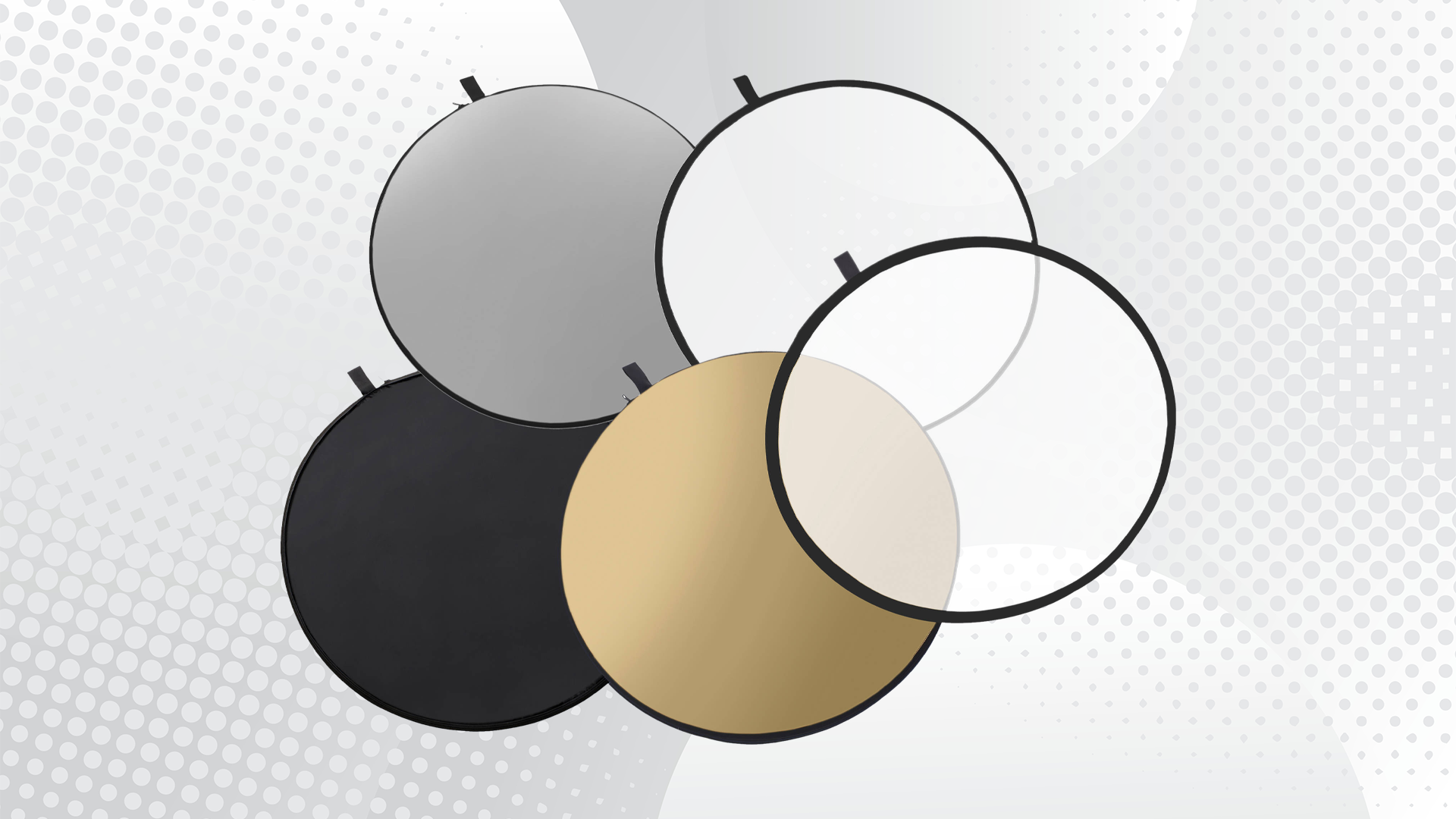
For greater diffusion or darkening, you may choose to use a modifier like a scrim or flag. These are placed between the subject and light source to reduce or diffuse light. When positioning a reflector or scrim, angle the modifier to create an even softer light in a technique known as feathering. Now how do we position these light shaping tools and keep them there?
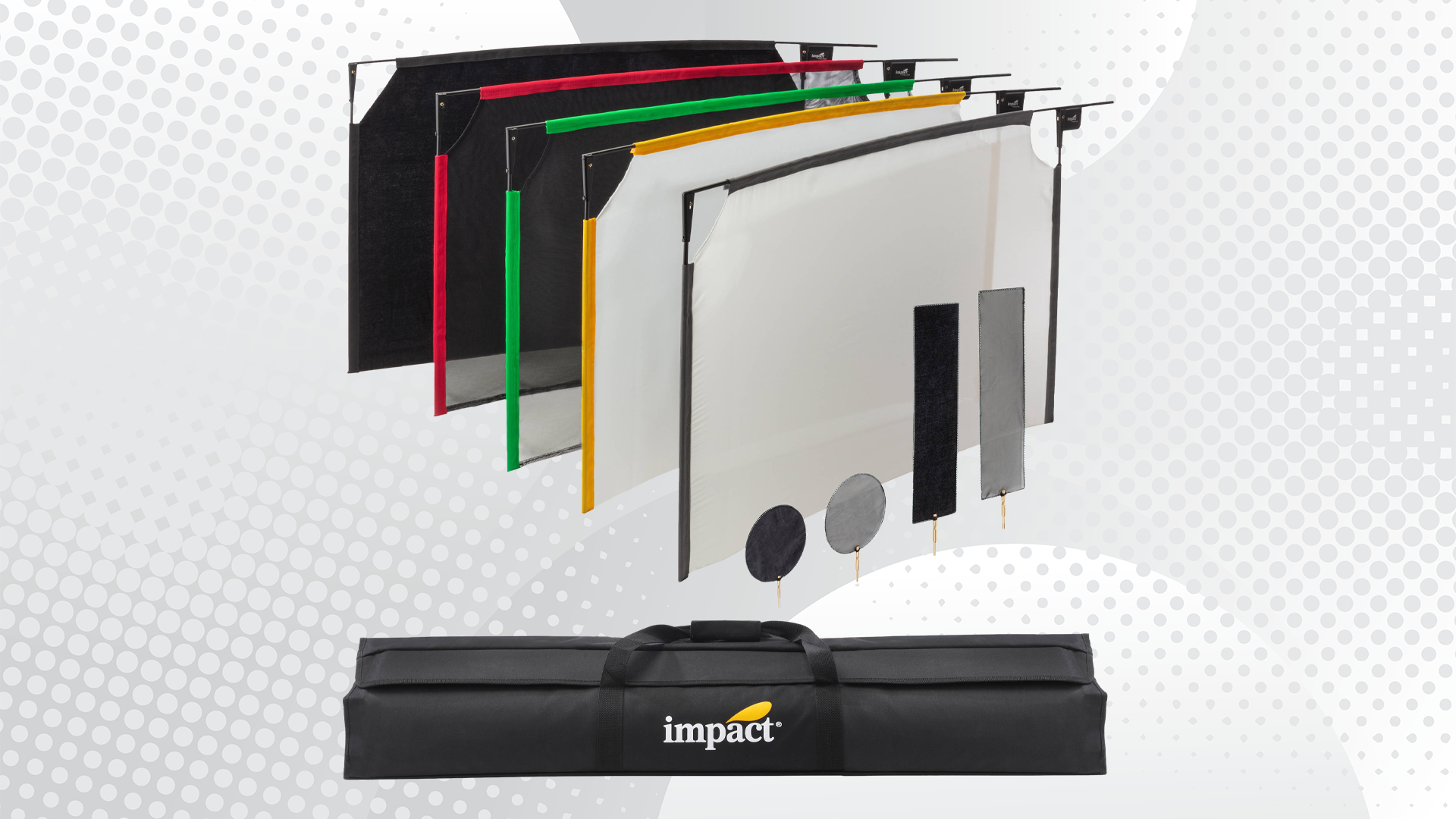
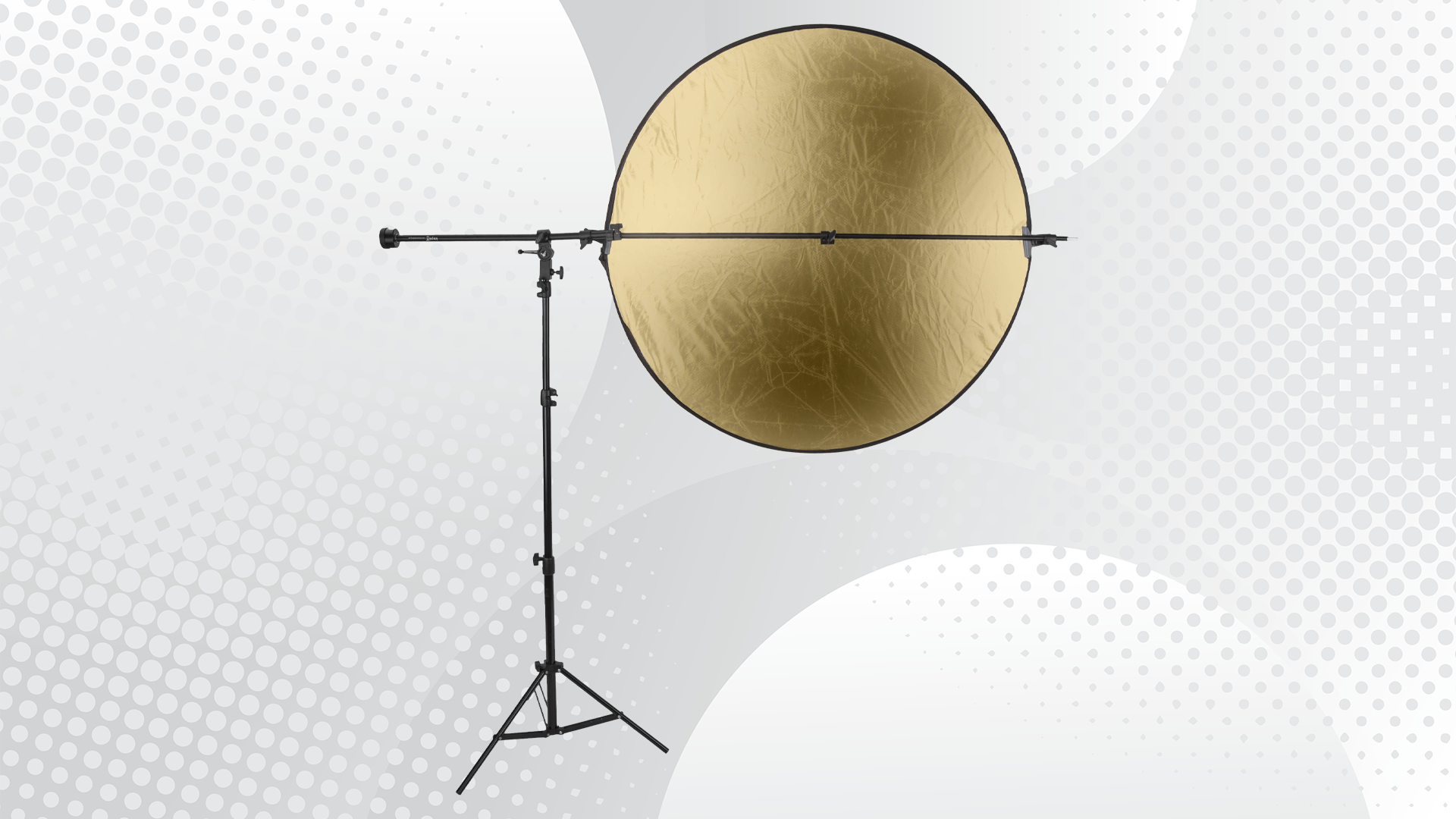
Remember way back when we mentioned not lugging a ton gear? We lied. Collapsible reflectors, Scrims, and such require a light stand or C-stand to secure them in place. These usually need an additional holder to grip the edge of the modifier as well. If you have an assistant to position and hold the stands, you're off to a great start. If not, you'll likely want to invest in a sandbag to safely plant your stand in position. When shooting tighter shots, the subject can hold a reflector below them or slightly off to the side in a pinch.
Settings
We recommended fast glass for a reason. The faster your aperture, the more light we're allowing to reach our imaging sensor. This will in turn allow us to keep our shutter speed high enough to get a sharp image. Fast apertures have the added benefit of delivering a narrow depth of field, meaning we'll get those nice blurry backgrounds so many photographers' desire.
Another note on shutter speed. The traditional rule of thumb has been that your shutter speed should be as fast as your lens is long, meaning a 200mm lens should be shots at least 1/200. With today's image stabilization systems, this point is often nullified, though it's good to remember if you don't have access to the latest and greatest gear or God forbid, you have technical difficulties.
Let's talk about a setting many of us dread. We need to talk about ISO. ISO is our digital imaging sensors' overall sensitivity to light. The higher our ISO, the grainier our images. This is the general understanding of the setting, and while partially true, it doesn't paint a full picture. Digital noise or "grain" occurs in all digital photography. It's always there. As we raise our ISO, we begin to see the noise that's already there. When we raise our exposure in post, we actually introduce more noise into our scene than if we shot at a higher ISO to begin with. For that reason, it's better to shoot at higher ISO's than to "fix it in post".
If we're not pleased with the noise in our final images, don't worry. That's what noise reduction software is for. You may have heard of programs like Topaz Denoise, but Adobe Lightroom has a newer noise reduction feature that does the trick. I personally jumped to lightroom soon after they introduced it, and I haven't looked back!

Putting it to Practice
Natural light in an outdoor space is one of the easiest scenarios to shoot in. In fact, it can be so easy that it can stunt creativity. On a bright, sunny day, aim to shoot in the first and last hours of the day. When the sun is lower in the sky, the light is more directional and has a warmer quality. If you find yourself out in the harsher hours of the day, look for shade. A shaded subject with a sunlit background can be challenging for exposure, but the resulting image will have a ton of contrast and a bright, colorful background.
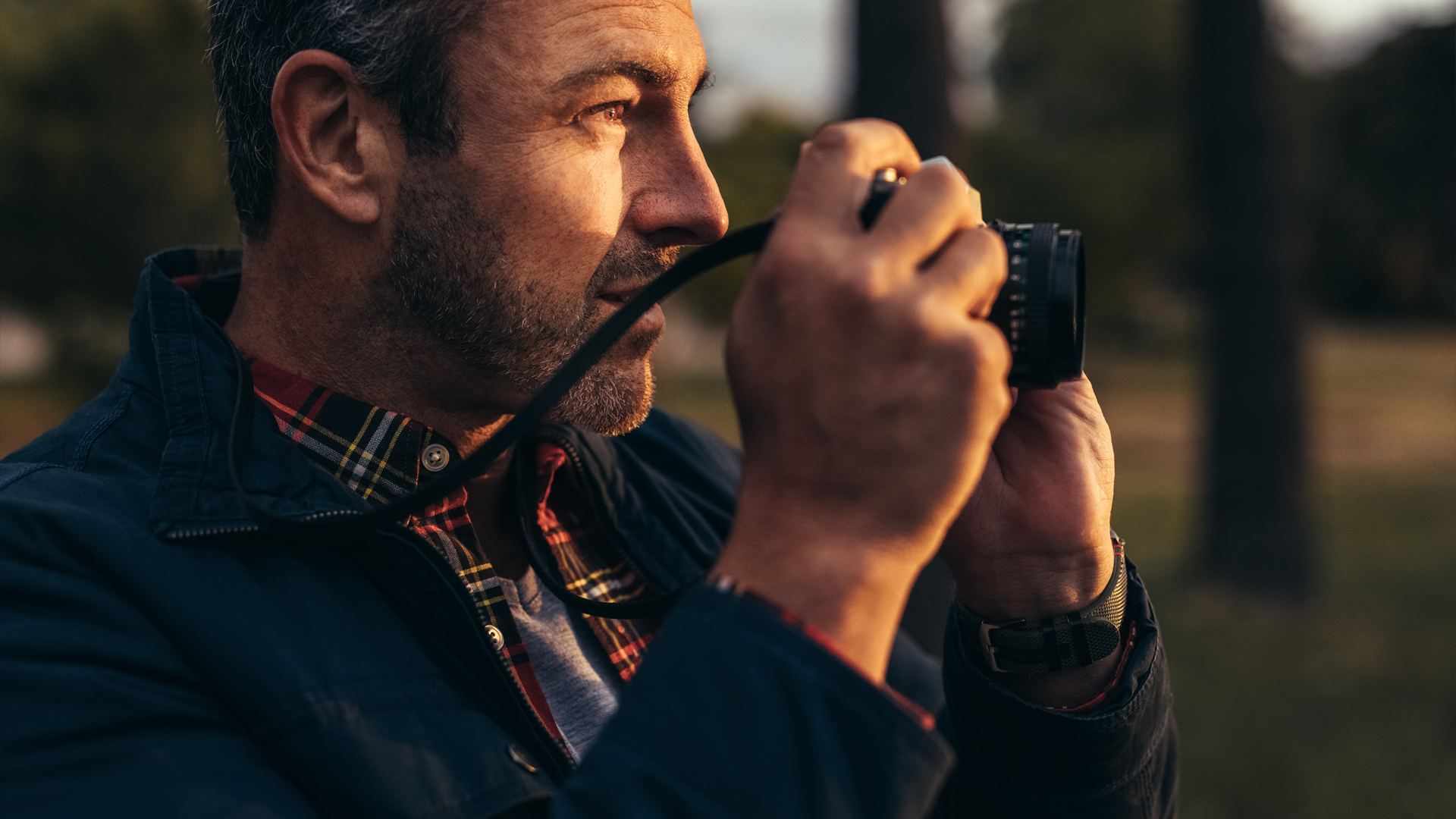
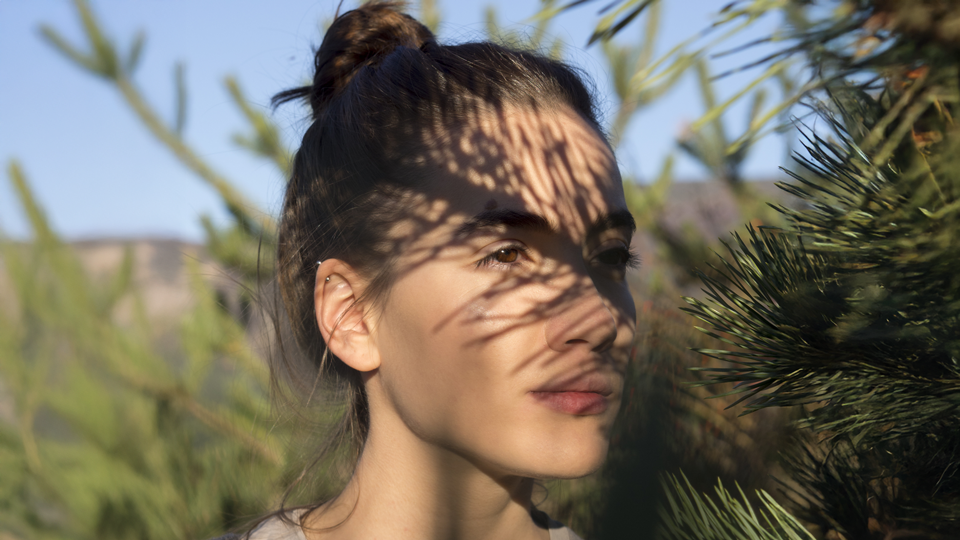
Make use of shadows to direct your viewer's gaze. Whether it be to control an unflattering background or simply to create a dramatic spotlit look, you can use shadows from windows or tree limbs above to black out areas of light. In a studio setting, there's a tool used to simulate the look of natural light known as a cucoloris or "cookie", these are stencils with window-like or tree branch patterns cutout to simulate the look of light filtering through a window or canopy. See what studio light users need to mimic a fraction of the natural light shooters' power?
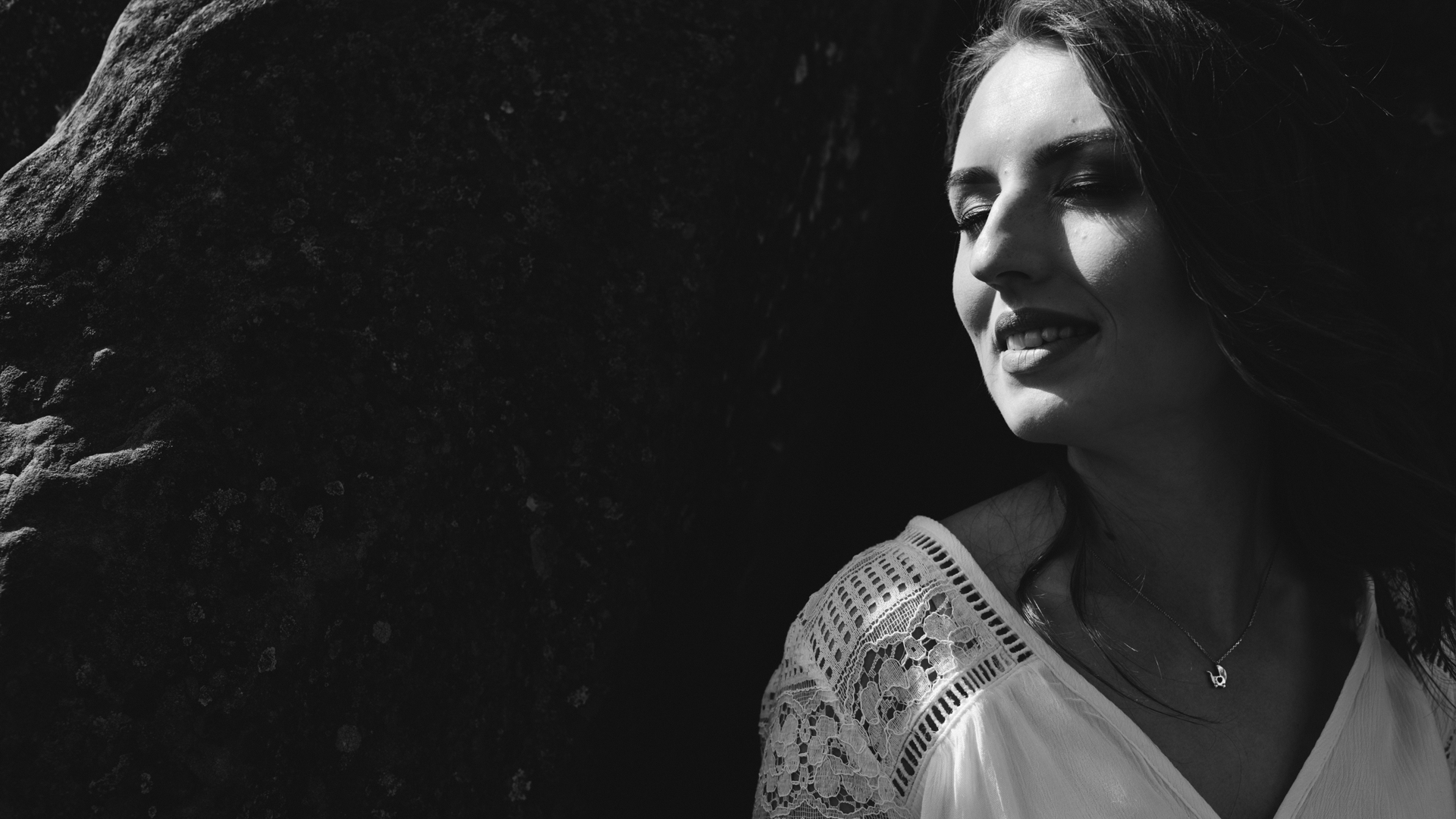
For added flare (pun intended) try back lighting. Backlit images can look absolutely breathtaking; however, they come with their own unique challenges. Flaring can occur when your light source (a.k.a. the sun) shines directly down the barrel. The result could be hazy, low contrast images, or even distinct circular lens flares. Always use your lens hood and make use of spare reflectors or even your hand to shield stray light from entering your lens.

Learning More
As you can see, you don't need big studio lights to capture stunning, dramatic portraits. With some proper planning and an awareness of the qualities of light, we create jaw dropping images in any lighting scenario. For more information on lighting, check out the rest of our B&H Explora page! We have a plethora of incredible guides on all forms of lighting and portrait photography for you to enjoy.
