
If you’ve been around photography for any length of time, you’ve probably heard of ISO. ISO is one of the three settings that determine our exposure in photography. These settings are collectively referred to as the exposure triangle. ISO is unique in this equation, and in this guide, we’re going to explore why.
ISO can be referred to in two ways. It’s most commonly spoken as an abbreviation, but it is also sometimes referred to as a word pronounced as eye-so. General consensus is that you call it whichever you like. After all, it’s not what it’s called that matters, it’s what it does.
What Is ISO?
Simply put, ISO is a setting that will brighten or darken your photos. It is the digital imaging sensors sensitivity to light that can be adjusted to allow us to change our other settings as needed. Like all settings in the exposure triangle, ISO is adjusted via a numbering system. The higher the number, the more sensitive the camera is to light. It isn’t a source of light, but almost a volume knob that can be adjusted
For the film shooters out there, this behaves similarly to film speeds. For instance, a 200-speed roll of film was optimized for daylight shooting, while a 1600 or even 3200 speed roll was for low light. The same principles apply to modern ISO, though the values achievable have grown immensely, with some reaching ISOs of 102,400.
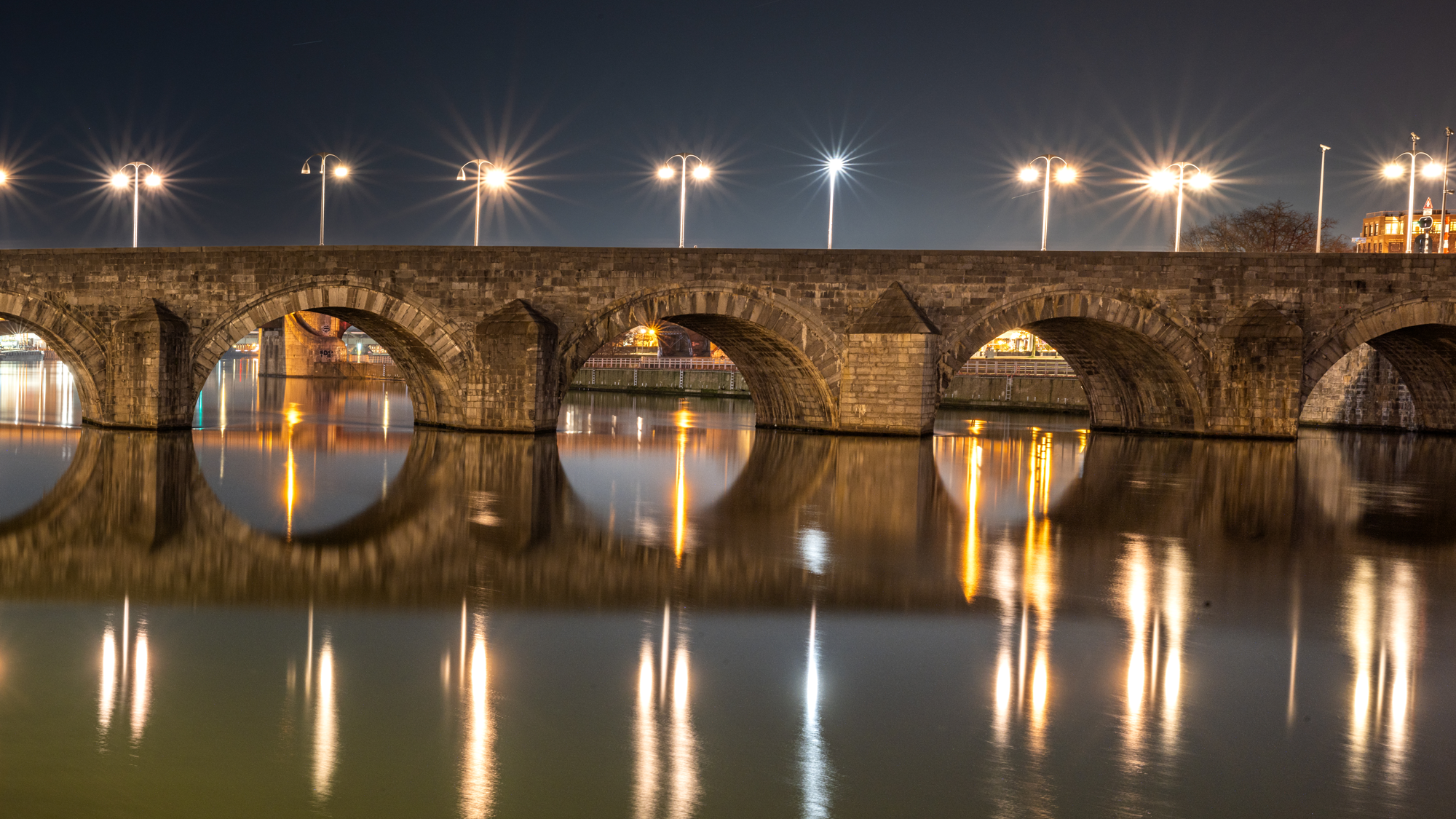
ISO Values
Every camera with manual controls offers the same range of ISO values. What you’ll notice is that values double. When you double your ISO, you’re doubling the brightness of your image. A photo captured at ISO 200 will be twice as bright as one shot at ISO 100. Every time you double your light gathering ability, you increase your exposure by one stop.
Between these full values there are 1/3 stop increments. These exist to aid us in fine tuning our other settings. Full stop increments like those shown above are often preferred as they represent a true doubling/halving of light. Images taken at full stop increments can also yield better image quality than those taken at 1/3 stops, though you’d have to look pretty close to see a significant difference. The best quality images are always captured at the lowest ISO value possible, or the “base” ISO.
Every camera has a base ISO, which is on paper, the optimal value to use as it will produce the cleanest images with the greatest dynamic range. This is typically 100, though it can be as low as 50 or even higher in some cases. The base is the lowest value of the cameras’ native ISO range. There are also extended or amplified ISO values, which digitally push the cameras light sensitivity beyond the native range. These values should be used sparingly as the effects on image quality will be much more severe.
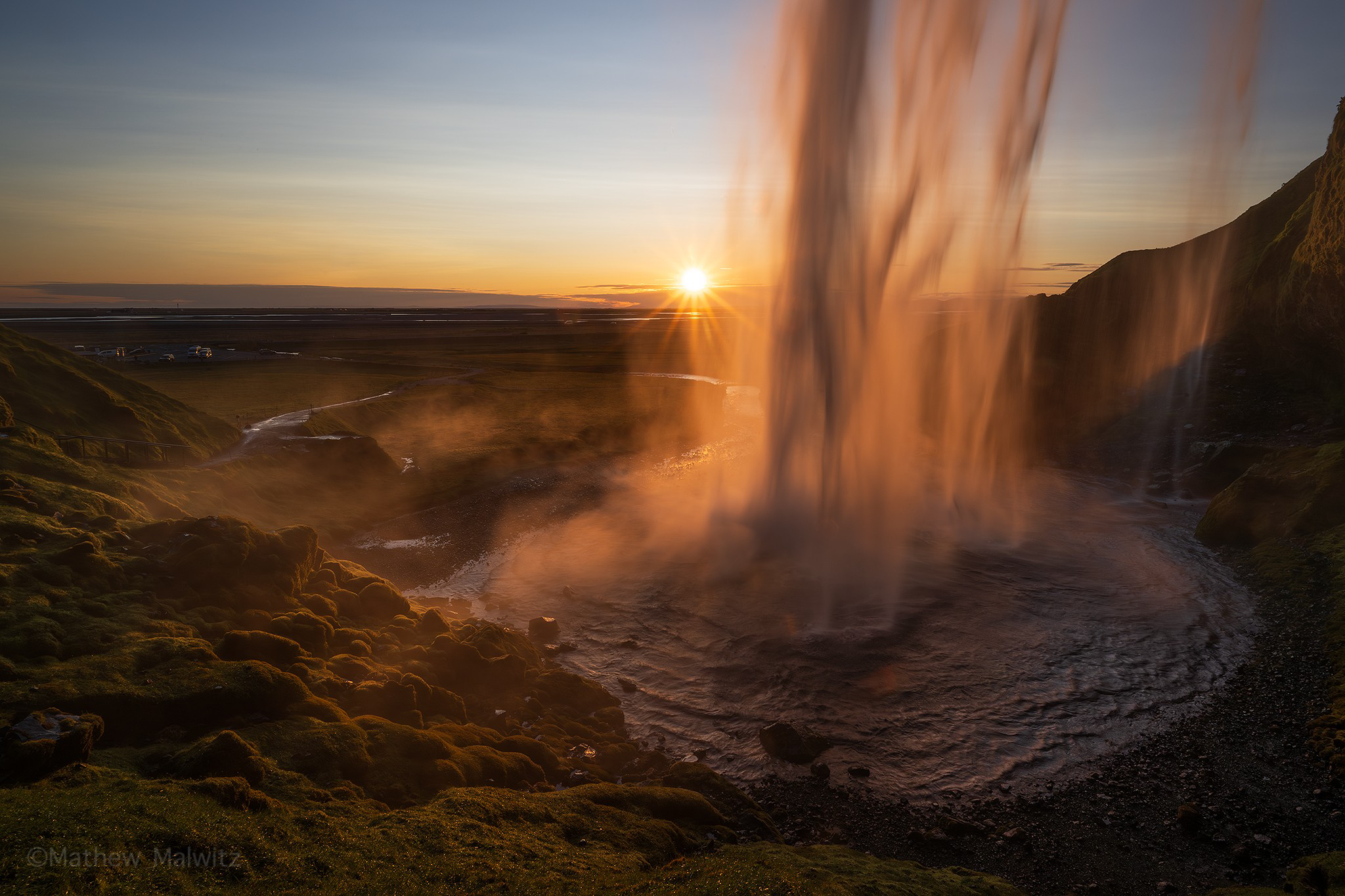
This raises the question, should we even be using high ISO values to begin? It’s commonly said that you need to shoot at as low an ISO as possible to get the best images. As we’ve covered, this is done to preserve detail and get the best quality images possible. While there are certainly benefits to shooting at lower ISO values, this practice is limiting and can often do more harm to our images than good. Let’s learn why.
ISO in the Exposure Triangle
As one of the settings in our exposure triangle, ISO must be balanced with settings like shutter speed and aperture to produce a good exposure. Unlike the other two settings in the exposure triangle, ISO does not have an effect on the artistic quality of an image. What it does do, is allow us to adjust our other settings, shutter speed and aperture, as needed.
As mentioned above, if we can keep our ISO at its base, we’ll capture the greatest image quality. This is assuming the available light is bright enough to allow us to stay at the base ISO. If our aperture is as wide as we can set it, and our shutter speed can go no slower, then we’re left with one choice. We must raise our ISO.
In most real-world scenarios, we’ll be forced to increase our ISO well beyond the base, and in some cases, we’ll increase it to a point we may feel uncomfortable working at. This is done to allow for the right shutter speed and aperture required to get a certain shot. Every scenario is unique and there are unfortunately no perfect settings, so be ready to deal with a little noise.
Noise
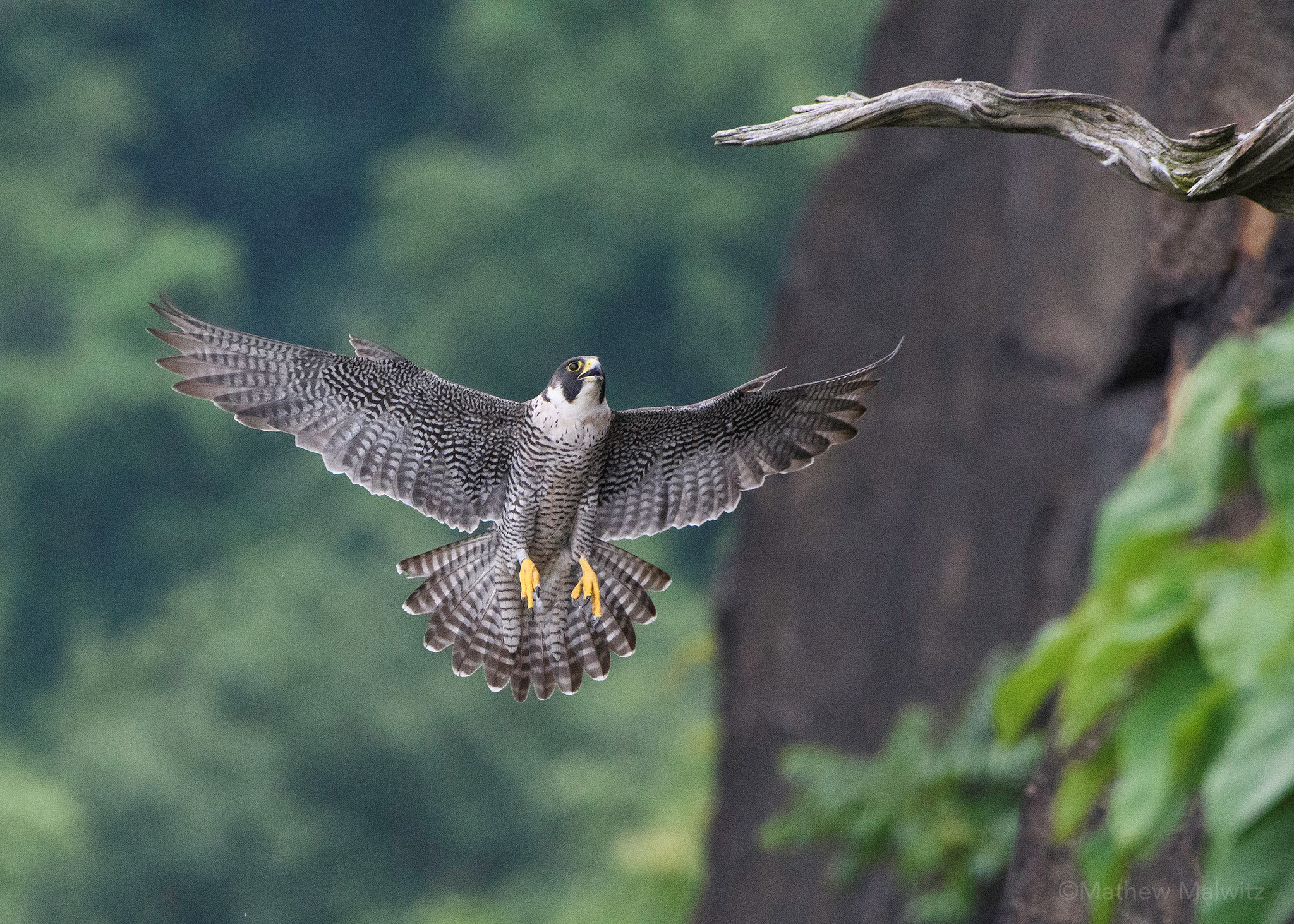
As ISO values climb, so does the level of digital noise, also called grain, in our images. Grain has always been a part of photography. In the film days, grain naturally occurred as a result of the silver halide particles reacting with light. The more sensitive the film, the bigger the grain. While what we see in digital is not technically grain, it’s similar in appearance and thus, is often referred to as such.

In a modern imaging sensor, we’re stuck with digital noise. There are a few variants of digital noise, but the most prominent is read noise. This is a result of a poor signal to noise ratio, or a poor ratio of light to the noise that naturally occurs in the sensor’s electronic signals. Noise has always been and always will be there. A lack of light shows these flaws more prominently.
Working with High ISOs
If you must use higher ISO’s there are a few tips to follow in order to get the best results. First and foremost is to expose to the right. A common decision photographers make in the field is to “fix it in post.” They believe that ISO creates noise, and by underexposing their image, they can brighten it after the fact for cleaner results. This could not be more wrong.
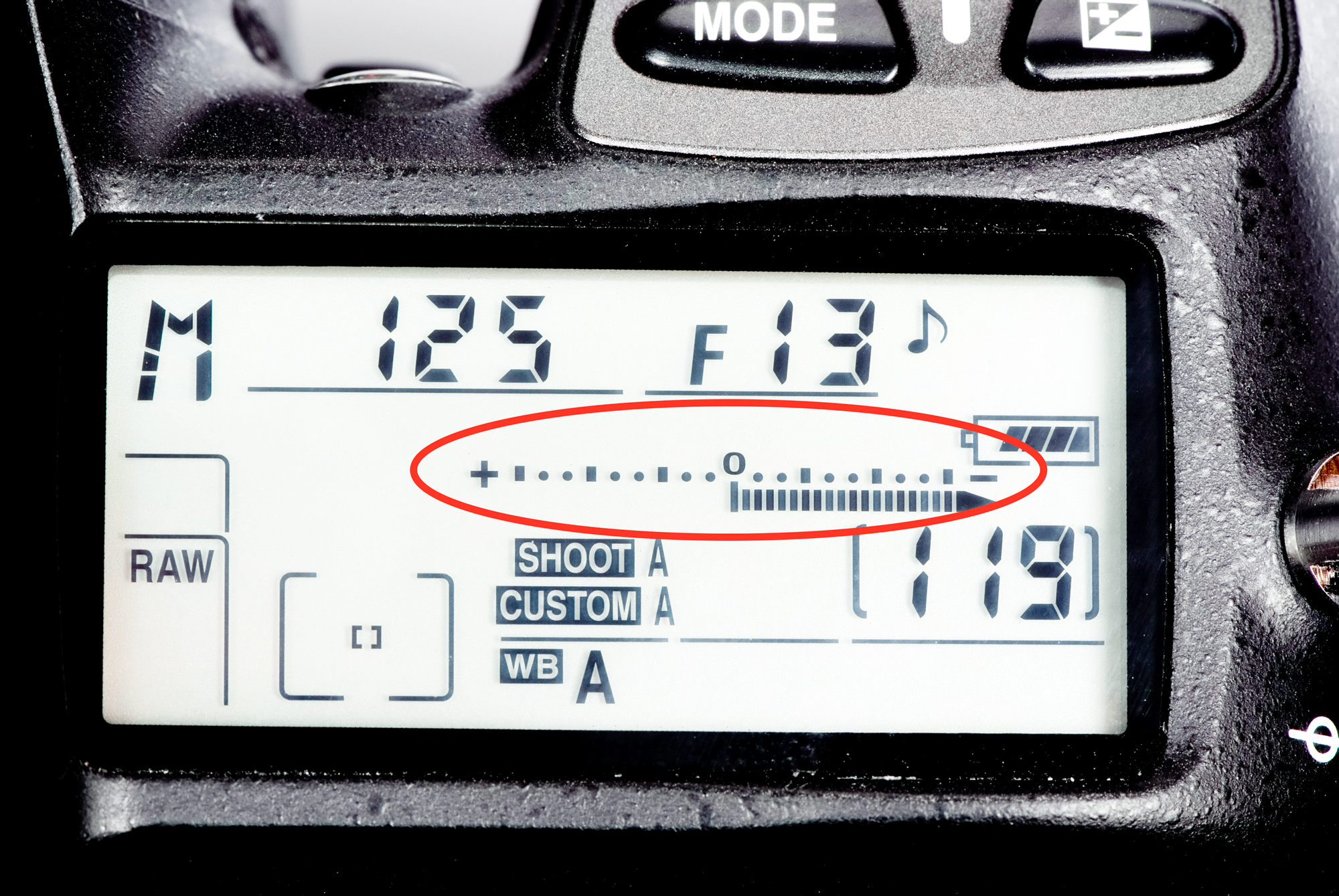
In reality, attempting to brighten an image in post will make noise even more prominent. This is why so many suggest that photographers “expose to the right.” This is in reference to the light meter found in most cameras.
Our light meter indicates whether our exposure settings are optimal for the available light. At 0, our exposure is neutral, to left indicates that our is too bright or overexposed. Neutral may sound good, but this can sometimes make our image flat or darker than anticipated. Hence why we want to expose to the right.
Noise is a natural part of photography, but some may find its presence to be displeasing or just downright ugly. Luckily, there’s a solution to this problem. Most cameras have built in noise reduction, though this only applies to JPEG file formats.
If that’s not enough or if you’re shooting in a RAW file format, there are many ways to remove noise from our images. Photo imaging software like Adobe Lightroom and Photoshop have denoise features built into current iterations of the apps.


Learning More
ISO is one of the most misunderstood and misused settings in the exposure triangle. With a better understanding of how it works, we can up our image quality and keep shooting longer, even when the light starts to dwindle. If you want to increase your understanding of ISO, we highly recommend checking our advanced guide on the topic.
If you’re looking to take your photography to the next level, taking control of your exposure is the first step. We even have other intro guides on both aperture and shutter speed to further your understanding of the subject. To learn even more about photography, check out our other guides on the B&H Explora page!
