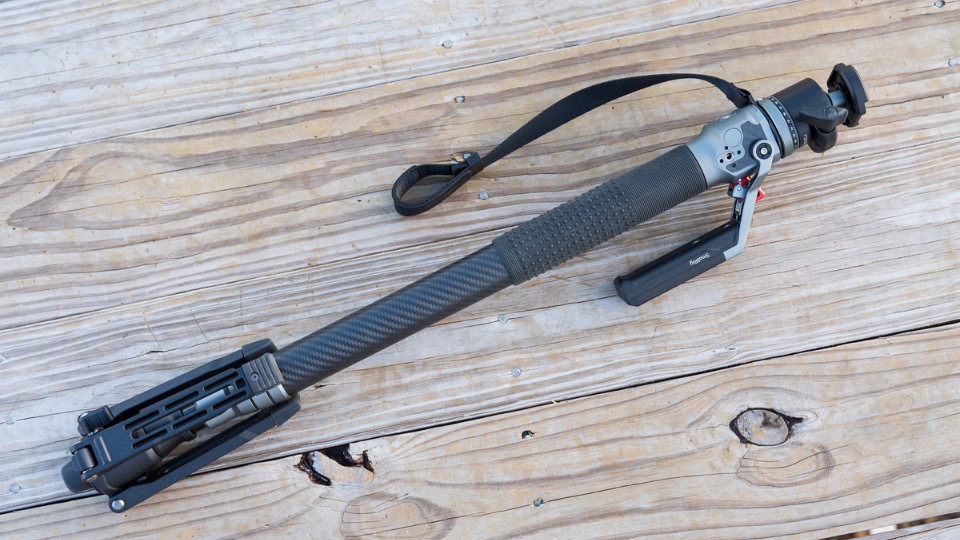
SmallRig has long been a staple of the run-and-gun video shooter's bag. Camera cages, base plates, and 15mm rod systems have been the brand’s bread and butter for years. Over time, more and more photo accessories began to fill out their lineup. Soon came tripods, and logically monopods. One of the latest additions to their arsenal is the SmallRig Carbon Fiber Monopod Lite.
All Photographs Mathew Malwitz
Monopods are an oft-forgotten tool. What I like most about them is their portability and ease of use when compared to tripods, which, for all they’re worth, are heavy and cumbersome. Like a tripod, a monopod takes the weight off of our arms so we can shoot for longer periods. Where they differ is in size and versatility.
I’m a big proponent of both tripods and monopods, and for that reason I was eager to take this monopod for a spin. I wanted to put the SmallRig Carbon Fiber Monopod Lite through its paces. I took it to the famous Shawangunk Grasslands National Wildlife Refuge and a local lake in search of birds of prey. Cold weather brings with it many photo opportunities, and wintering owls and bald eagles make for fun and exciting targets. Plus, the panning required to track birds in flight is a great test of any support system.

First impressions are key and I was pleasantly surprised by the weight of this monopod. At 3.8 lb, it isn’t going to win any “lightest monopod” contests, but it’s comparable to most monopod and head combinations out there. This is all the more impressive considering the variety of features it has to offer. Speaking of features, what really stood out to me was the one-touch quick deployment.
Earlier, I mentioned some grievances folks have with tripods. Monopods, while generally quicker to deploy, are still held back by the joints used. Twist or flip locks still take time, and unless you’re walking around with a fully extended monopod at all times, you’re going to waste time. The ability to open and collapse the unit with essentially the click of a button is a much-appreciated addition. There’s nothing more frustrating and time-consuming than needing to unlock each leg section individually.
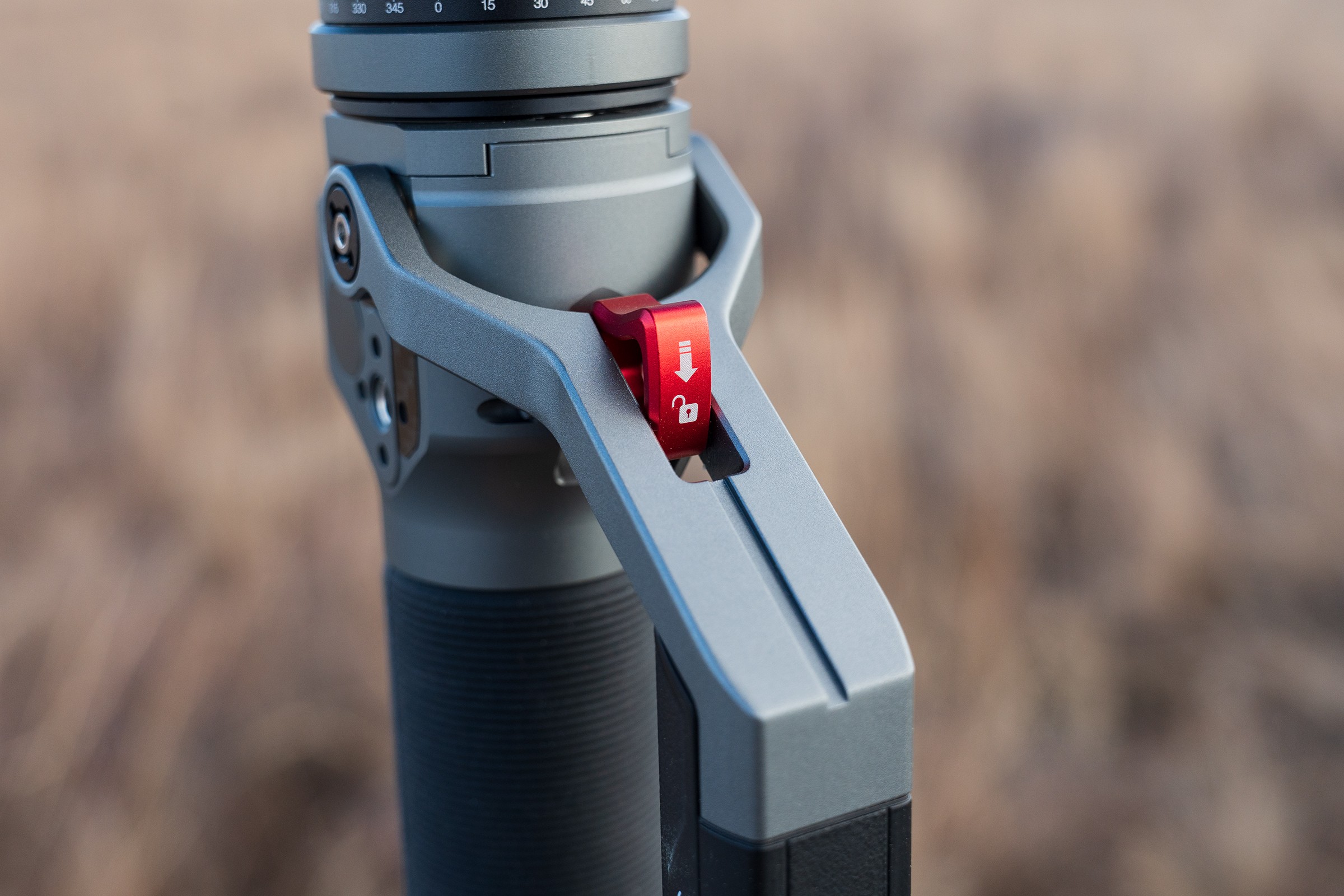
In practice, the one-touch height adjustment was fun to use and felt solid. I have no worries about this system and would love to see this become more common. The handle itself was also sturdy enough to be held while moving the monopod around. I would not carry your rig by this handle, but it won’t easily come loose during normal use.

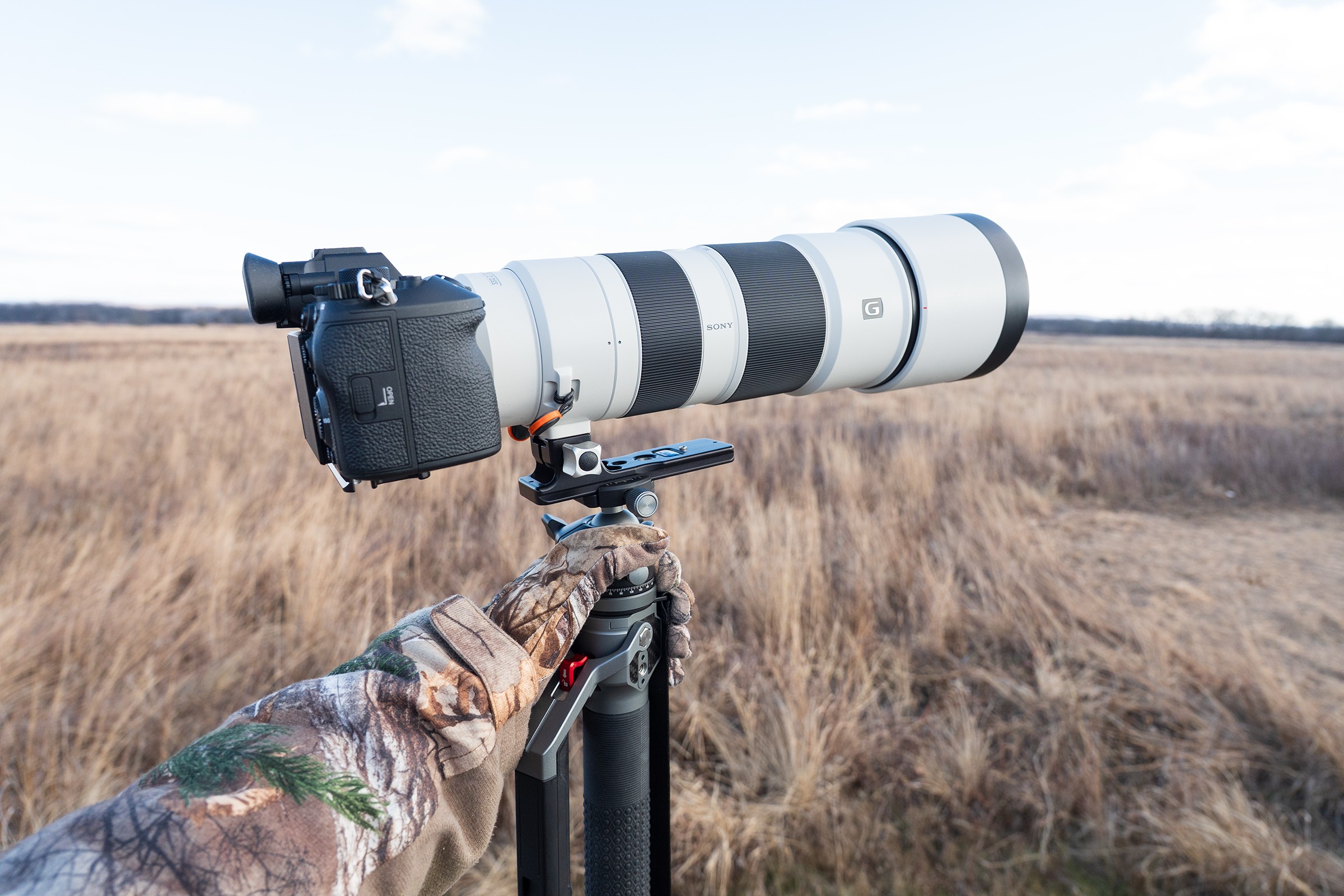
As mentioned above, this was the Lite version of the monopod. The Lite version is characterized by a smaller build and the inclusion of an Arca-Swiss style ball head. A small quick release plate is included with the monopod, but any compatible bracket or tripod foot will fit as well. The head does feature a panning dial, which can be useful when the base is deployed. That said, for most other uses, you can just rotate the monopod freely.
The Pro version comes equipped with a larger hydraulic fluid head and an overall beefier build and capacity. The Lite is capable of carrying 24.3 lb, which is more than enough for most photographers out there. Both heads can be easily removed with a spring-loaded release mechanism. This allows the user to swap in their preferred monopod or tripod head if they choose to do so.
On the other end of the monopod is the base. At the core of this base is a standard rubber peg akin to many monopods on the market. The larger “toes” found around the base can be deployed at two angles for a wider or near-flat platform. The three individual toes are surprisingly dense and robust. I say that as other monopods with similar bases have proven not so durable when testing.
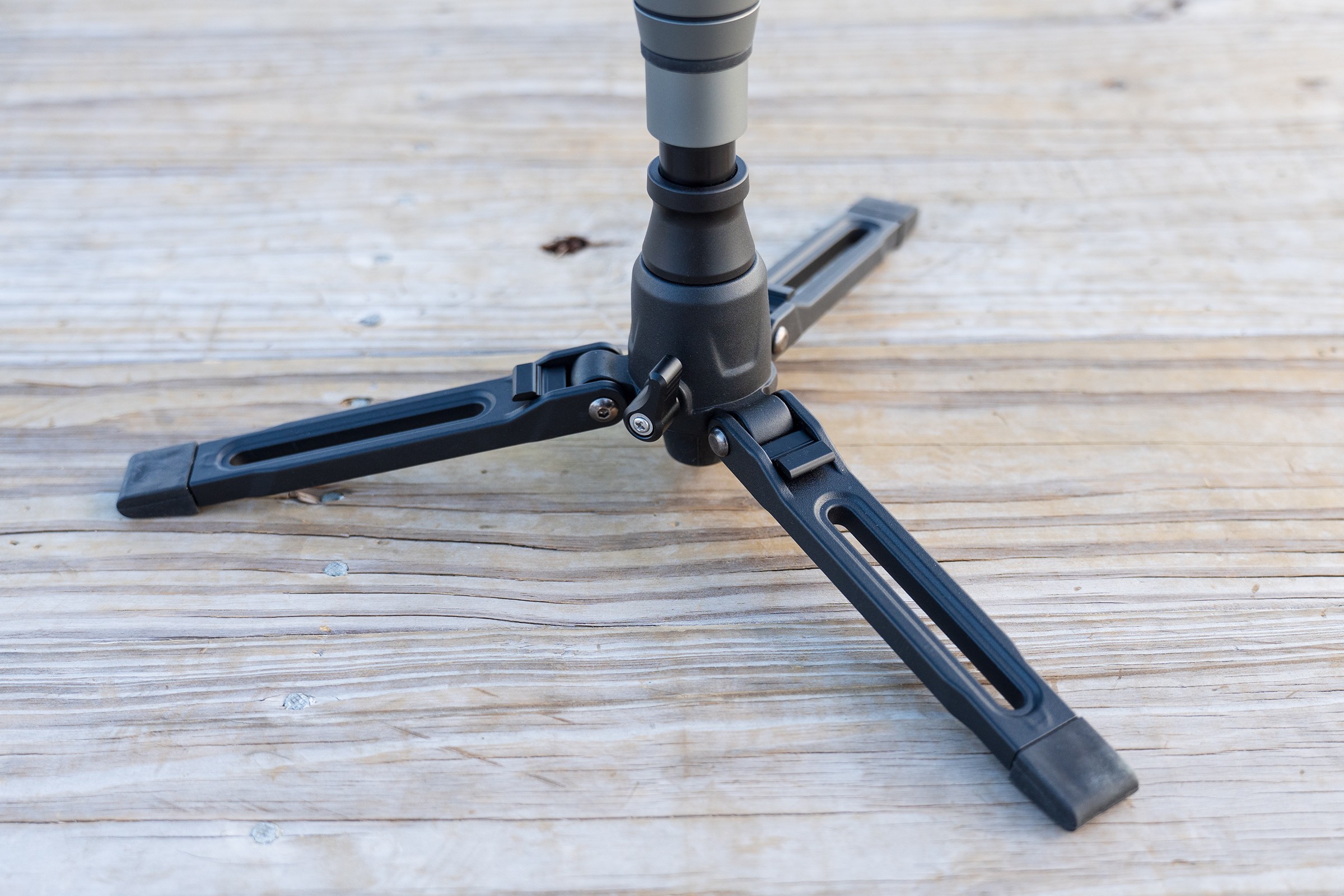
I’ve accidentally bent the feet on other monopods, and I would be lying if I said I wasn’t worried about doing the same when testing the SmallRig. I’m happy to report that once in hand, I could feel how sturdy these were in comparison to others out there so there’s no need to worry about it bending when used properly.
What do I mean by properly? These should be opened by hand before extending the monopod, as they’re not designed to support much weight individually. It may seem like a good idea to open the base with your shoe, but that’s a good way to cause damage. The Pro version does feature a foot peddle for easy adjustments, but this is not included on the Lite.
An area that doesn’t get a lot of attention on a monopod is the grip. This underwhelming compoanent doesn’t change the way we use a monopod, but it does affect our comfort. The rubberized grip on this monopod was not only comfortable to hold, but quite grippy even when wearing slick water-resistant gloves.

Taking all this into consideration, the SmallRig Carbon Fiber Monopod Lite is a solid, feature-rich support system. The one-touch height adjustment alone is worth the price of admission, but there’s much more to appreciate. The Lite version with the ball head is well suited for most users, though if you’re working with a larger lens, I would recommend the Pro version. Fluid heads are just more stable and easier to guide as they have a limited range of motion.
The extendable base is a great feature, but not for all applications. For sports shooters or scenarios where you’re camping out in one spot, these are a godsend as they add additional support and a sense of balance to the unit. Once the locking mechanism is released, the ball joint offers a great range of motion with the monopod being capable of tilting 40 degrees on its base.
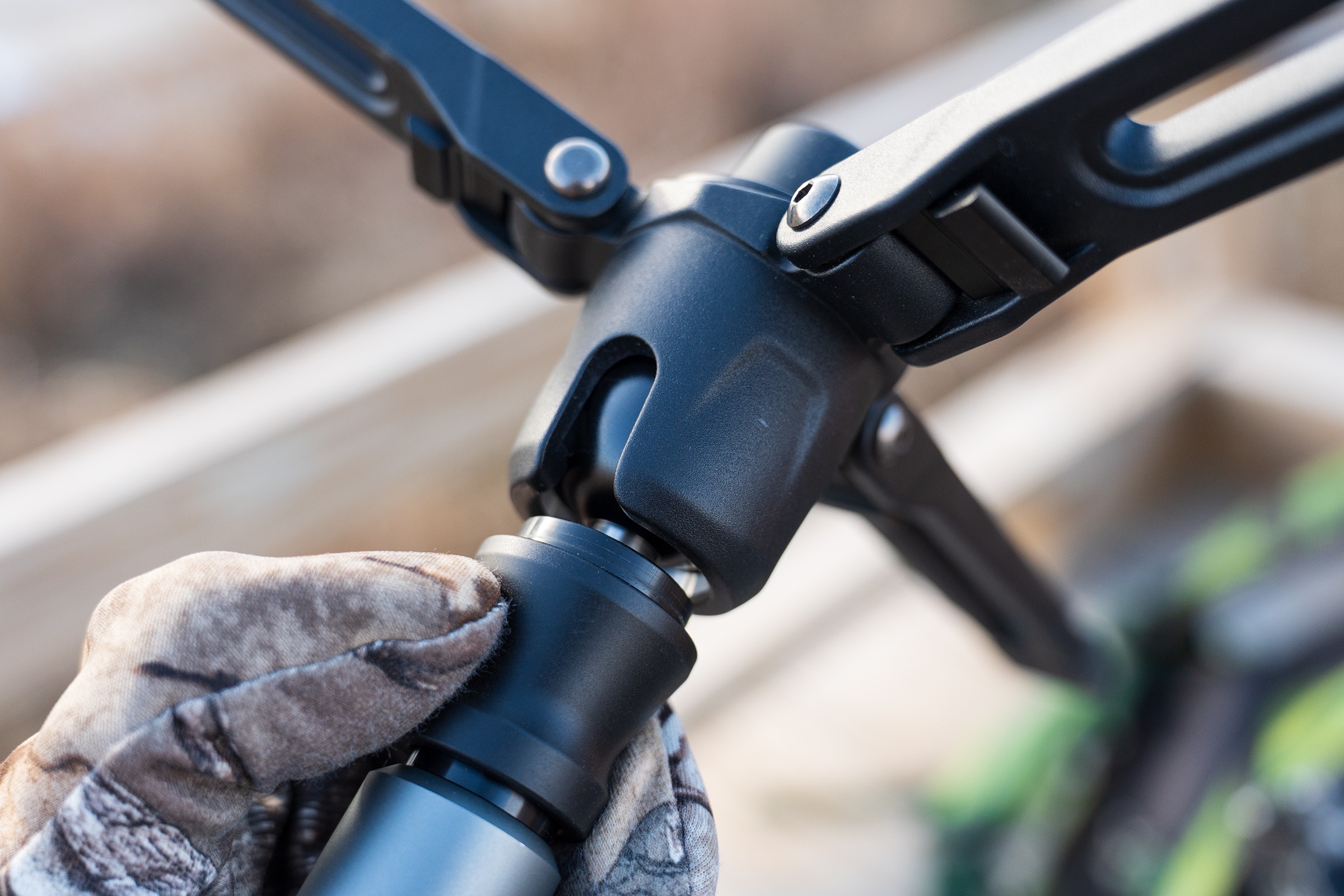
In case you’re wondering, the cold, snowy weather both I and the monopod faced left us exposed in single-digit windchills. Did the monopod falter in these conditions? Not at all. Even when facing a full-blown winter storm, the ball head and base joint remained fluid in their movement and showed no signs of stiffening from the cold.
If you’re interested in the SmallRig Carbon Fiber Monopods, check out the detailed product pages for more features and specifications. To read more about photography, take a look at the rest of the B&H Explora page!
