
Photography is by definition, the capture of light on a light sensitive surface. That surface could be glass, tin, film, or a digital imaging sensor like those found in most modern cameras. The amount of light that reaches our light-sensitive surface is what we can define as exposure.
A good exposure will look accurate to life or the photographer's creative vision. It will maximize an images quality and capture details in both the brightest shadows and darkest shadows. In fact, we're far less likely to stop and appreciate an image if it's too bright or too dark. With that said, let's take our photography to the next level and learn about the basics of exposure.
The Exposure Triangle
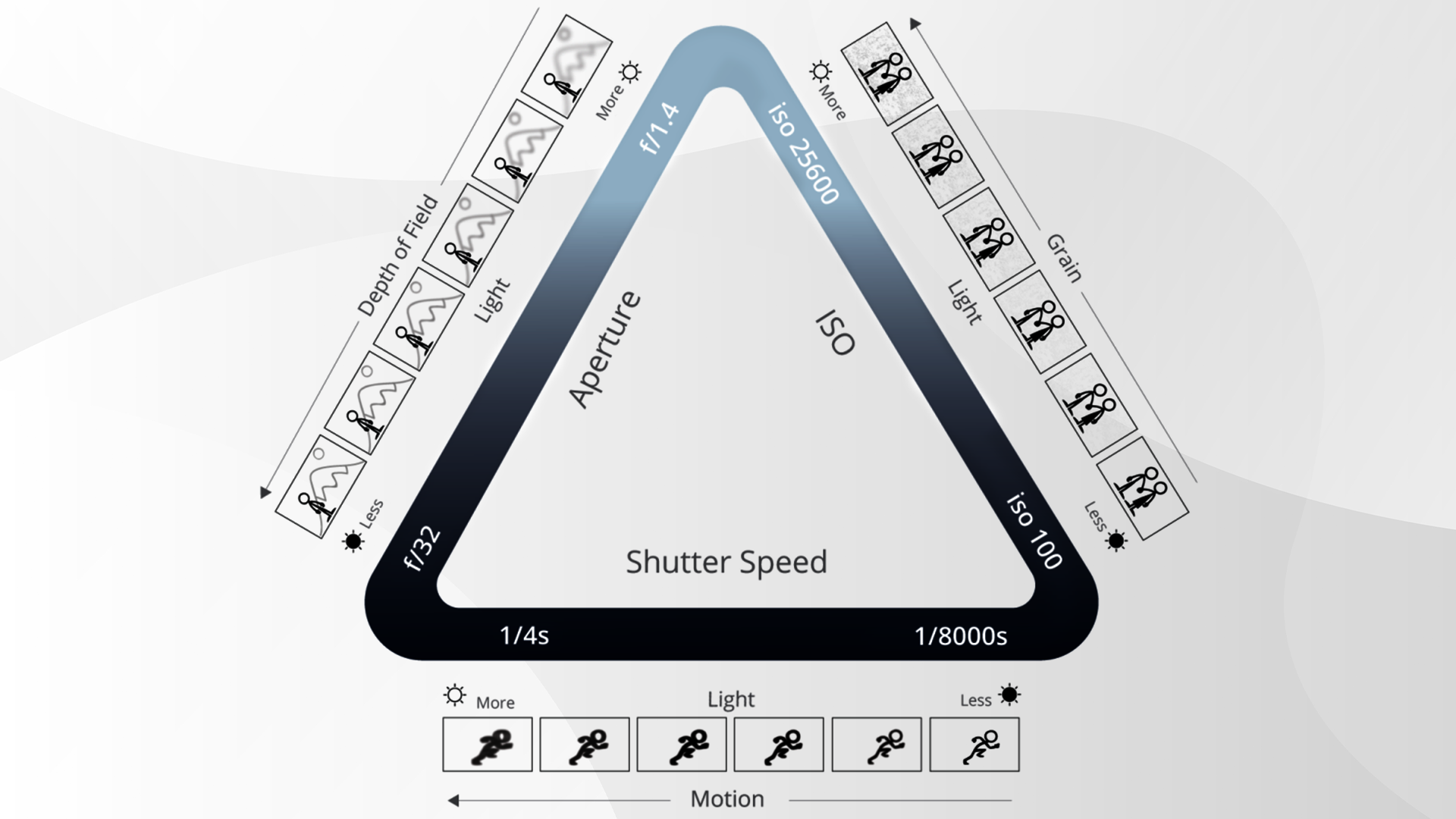
Exposure is determined by three settings in our camera. These settings are aperture, shutter speed, and ISO. Aperture and shutter speed not only contribute to our exposure, but they have an effect on the artistic quality of the image as well. ISO does not affect our image in the same way, but it alters the brightness of the image. These three aforementioned settings work in tandem to produce a photo that is properly exposed as well as artistically intentional.
Aperture
Aperture is the opening within the lens that controls the amount light that reaches our imaging sensor. The wider this opening is, the more light we allow to reach our imaging area. Wide apertures are described by smaller numbers, while narrower openings are described by larger numbers. For instance, a lens may have a maximum aperture of f/2.8 and a minimum of f/22. If you only remember one thing, let it be this. The smaller the opening, the larger the number.
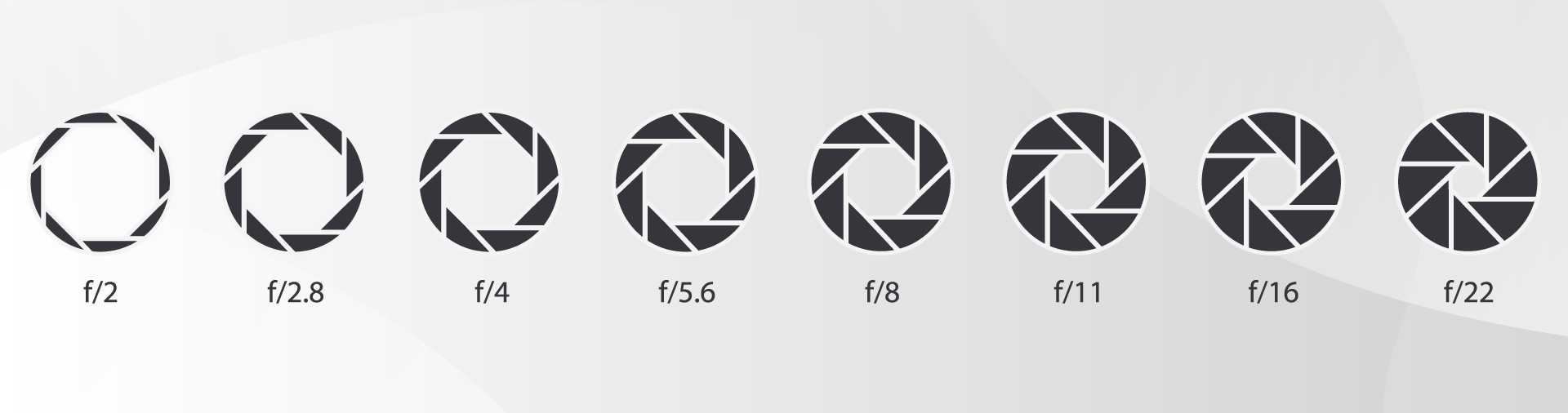
Aperture also has an effect on our depth of field, or the area of apparent focus. The larger the aperture, the greater our depth of field. This is significant as it greatly alters our final image. For instance, when photographing a landscape, we'll likely want a smaller aperture of f/11, whereas a portrait or wildlife image will be best captured wide open at f/4. The result here is a blurrier background, partly due to the aperture, but also due to focal length and other external factors.
Shutter Speed
Shutter speed controls the duration of the exposure. It can be set anywhere from 1/32,000 of a second to many hours in duration. The longer the exposure, the more time we allow light to hit the sensor. This brings with it some challenges, as with time, comes motion.
Similar to how aperture changes the physical appearance of our image, so does shutter speed. It determines whether we freeze or blur motion. If photographing a running athlete or a flying bird, a fast shutter speed would be required. Alternatively, a slower shutter speed is needed if trying to intentionally blur something like flowing water.


ISO
ISO refers to our camera's sensitivity to light. Unlike aperture and shutter speed, this has no effect on the artistic quality of our image. It does, however, affect the overall quality of our image. For the film shooters out there, you may be familiar with ISO in the form of film speeds. These behave similarly, though ISO values can vary shot after shot and far exceed the sensitivity of even the most sensitive film stocks.
We mentioned the ISO impacts quality but now let's discuss how. As ISO values increase, so does the amount of visible digital noise. Much like how high-speed films resulted in grainier images, higher ISOs introduce grain-like noise to our digital sensors.
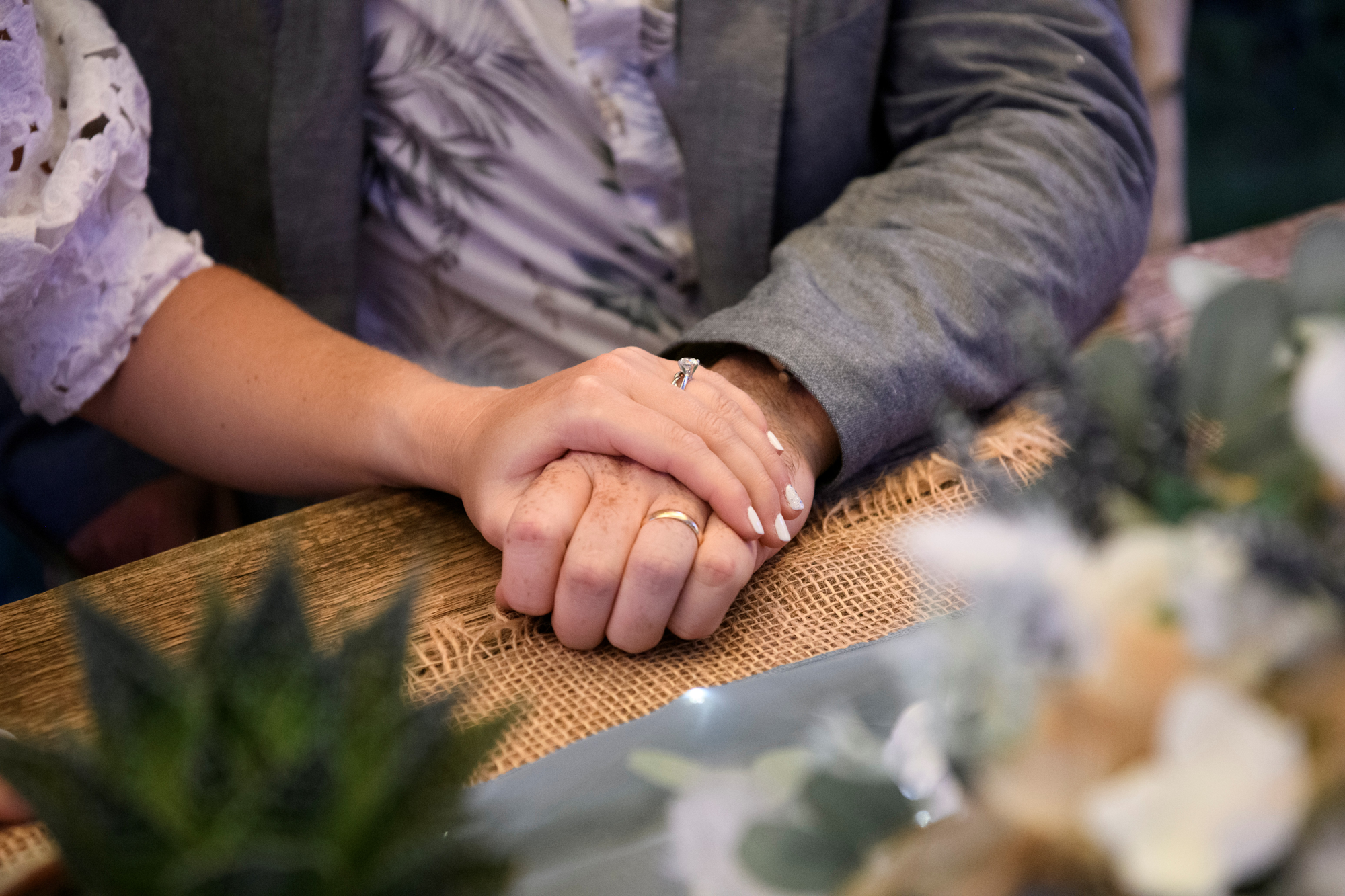
There are some who put ISO down a peg from aperture and shutter speed, believing it doesn't play as much of a role in our exposure. That said, none of these settings can exist without the others. Exposure is a balancing act. Though with such different settings, how do you piece them all together?
What's a "Stop" of Light?
A stop in photography is a term that represents the doubling of our light gathering capabilities. The need for a "stop" came from the conundrum of finding a universal way to measure a change in aperture, shutter speed, and ISO. By this metric, a one-stop change in aperture is equal to a one-stop change in shutter speed and so on.
For example, if you change your shutter speed from 1/250 of second to 1/500, you're decreasing your exposure by one stop. That means you need to open your aperture or increase ISO by one stop to bring that lost light back into the equation. This is why understanding stops is so important to the exposure triangle.
If the light has changed, but not enough to warrant a full stop of difference, we can adjust our settings by 1/2 or more commonly, 1/3 stop increments. These smaller steps allow for finer adjustments between settings for creative control of factors like depth of field or freezing fast action via shutter speed.
Pop Quiz!
Below, you'll see an image of a baseball player mid pitch. Knowing what we know about the exposure triangle, take a guess at the settings that were used to capture this image. What shutter speed do we need in order to freeze the action? What aperture and ISO do we need to allow us to achieve that shutter speed?

Aperture |
Shutter Speed |
ISO |
| f/2.8 | 1/250 | 400 |
| f/3.5 | 1/320 | 500 |
| f/4 | 1/400 | 640 |
| f/5 | 1/500 | 800 |
| f/5.6 | 1/640 | 1000 |
| f/6.3 | 1/800 | 1250 |
| f/7.1 | 1/1000 | 1600 |
| f/8 | 1/1250 | 2000 |
| f/9 | 1/1600 | 2500 |
| f/10 | 1/2000 | 3200 |
| f/11 | 1/2500 | 4000 |
Another element to consider is available light. While not in our control, available has a large impact on the exposure triangle. In the above example, you may notice the warm glow of dusk peaking out over the stairs in the background. This was shot in the evening hours of the day, meaning our available light was dimmer. Now, what were the settings used to capture this image?
Aperture |
Shutter Speed |
ISO |
| f/2.8 | 1/250 | 400 |
| f/3.5 | 1/320 | 500 |
| f/4 | 1/400 | 640 |
| f/5 | 1/500 | 800 |
| f/5.6 | 1/640 | 1000 |
| f/6.3 | 1/800 | 1250 |
| f/7.1 | 1/1000 | 1600 |
| f/8 | 1/1250 | 2000 |
| f/9 | 1/1600 | 2500 |
| f/10 | 1/2000 | 3200 |
| f/11 | 1/2500 | 4000 |
The dwindling light meant we needed to open up our aperture to its largest value, which in this case was f/2.8. The high-speed pitch requires a faster shutter speed, even though light is not on our side. In this case, 1/1600 of a second was fast enough. Lastly, in order to get our shutter speed high enough to freeze action, we needed to raise our ISO to 3200.
Thinking Fast
Now let's say that this pitch led to the batter striking out, and the mascot for the pitcher's team celebrates. We see the commotion and shift our focus to the mascot. He's not running nor doing a whole lot other than raising his arm, so shutter speed isn't as important here. What would we change?
If we're worried about depth of field on that big noggin, we can close down our aperture a bit to say f/5.6. How low can our shutter speed go? An old trick to always get a sharp shot is to lower your shutter speed no slower than your lens is long. For instance, a 200mm lens should in theory never be shot at less than 1/200, though newer image stabilization systems can work their magic at slower speeds.

Lastly, we have ISO. This can be lowered as needed once our aperture and shutter speed have been set to our liking. Now we know what you're thinking. How can we make all of these adjustments in the heat of the moment? One word, practice. Luckily, the camera has some handy tools to aid us as we learn.
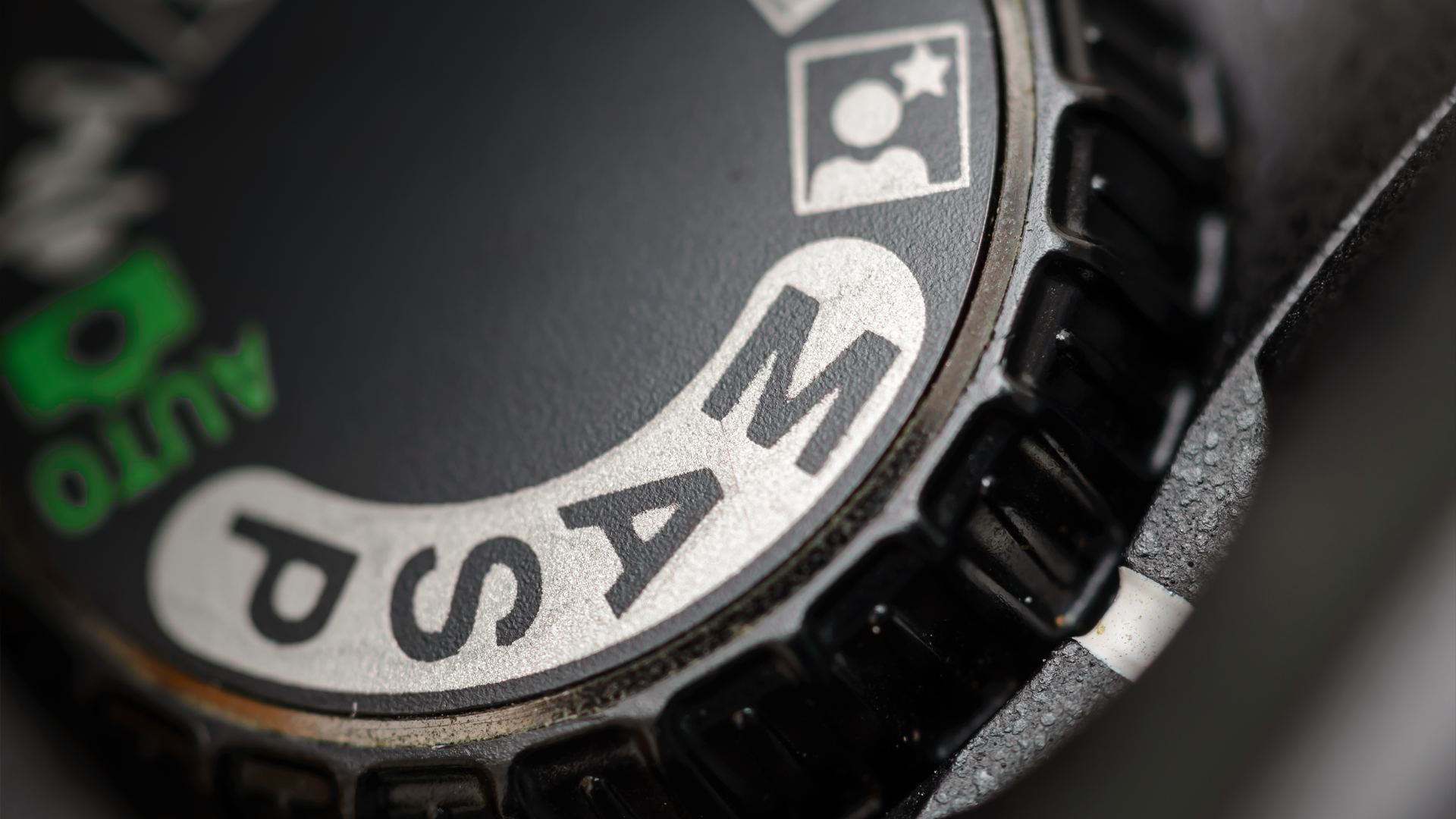
Exposure can be set automatically in either auto mode or program modes on the camera, though these have one major flaw. They do not know what we're photographing. For that reason, it is imperative that we take the helm and tell the camera what we want. Don't worry, cameras do have other modes and helpful tools that make quick exposure changes a bit easier.
ISO can be set to its own auto mode, known simply as Auto ISO. This puts control of this setting into the hands of the camera so we can focus our efforts on the other two. As we adjust our shutter speed and aperture, ISO will automatically be corrected by the camera.
In consistent lighting conditions, like those found under stadium lights, auto ISO works quite well. In inconsistent lighting conditions, it's not as reliable. A sunny day in the woods is a great example of a scene where auto ISO can make mistakes. While sunlight trickles through the trees, the shadows are significantly darker, and the differences in these spaces can result in over or underexposed shots as the camera struggles to quickly adjust.
Put It to Practice
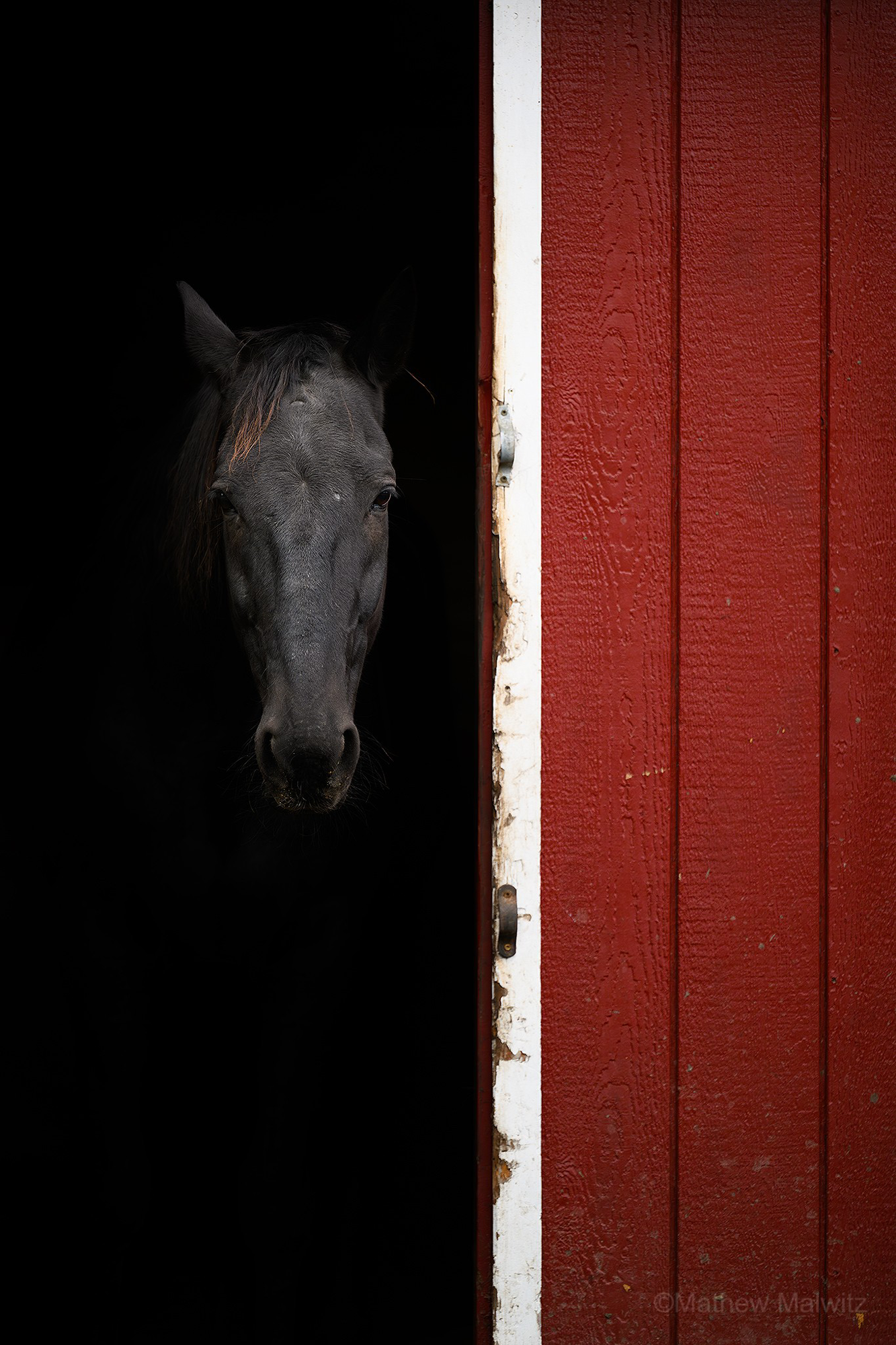
Now that we have a basic understanding of what exposure is, we can start experimenting with our cameras settings in order to take control of our photography. Exposure can be as simple or as complex as we want it. You can set your camera to auto mode and simply enjoy the ride, or you can set it to manual mode and take the reins yourself.
Even some of the most advanced shooters struggle with exposure, so don't give up. The full capability of any camera can only be achieved by taking greater control of our settings, and we hope this guide has sparked your interest in doing so.
To take your understanding of exposure to the next level, we recommend checking out our advanced exposure series. To learn more about all things photography, check out our other guides, articles, and reviews on the B&H Explora Page!
