
Everyone and their mothers are in on the digicam trend, a fact reflected in the used-market prices found across most platforms. Facebook Marketplace, Craigslist, eBay, B&H Used--everywhere you look, the best-known models are selling for prices that often meet or exceed their debut MSRP.
Take that old favorite of mine, the Canon S95. Extraordinarily capable, exceedingly pocketable, I got it for a song ($130) back in 2023. Three years later, the going rate has more than tripled, with the average price sitting above $400 and pushing $500 among certain sellers.
It's not all market inflation though. A camera like the Canon S95 (and similar options like the FUJIFILM XQ2, older-generation Sony RX100s, the Canon G9 X II, or the Panasonic LX10) boasts true ease of use, pocketability, excellent imaging quality, and an expanded feature set. The market is finding quality, and once recognized, is pricing for scarcity—a scarcity multiplied by the lack of true contemporary alternatives.
The market hasn't found everything, however. And at risk of contributing to the problem, we've compiled a list of used digicams that land in the top-right of a three-dimensional axis: ease of use, imaging quality, and value.
Criteria
Before debuting the cameras, let me briefly speak to each of the variables.
First, ease of use, or how seamlessly will the camera fit into real world, day-to-day usage? This includes pocketability, intuitive controls, responsiveness, fast and reliable autofocus, good Auto/Program mode behavior, and a quality built-in flash unit.
Second, image quality. This is less about sensor size, though that matters, and more about lens quality, speed, JPEG rendering, RAW potential, useful focal range, low-light behavior, and stabilization.
Last is value, which seems to come down to the extent of the hype that exists around the camera, and if it's made the rounds on social media.
Note: the below links are for reference only and not for active listings on the B&H site. You can, however, find accessories, batteries, chargers, and other compatible items at the discontinued product pages.
Best All-Around
The cameras below all have high scores across all three criteria.
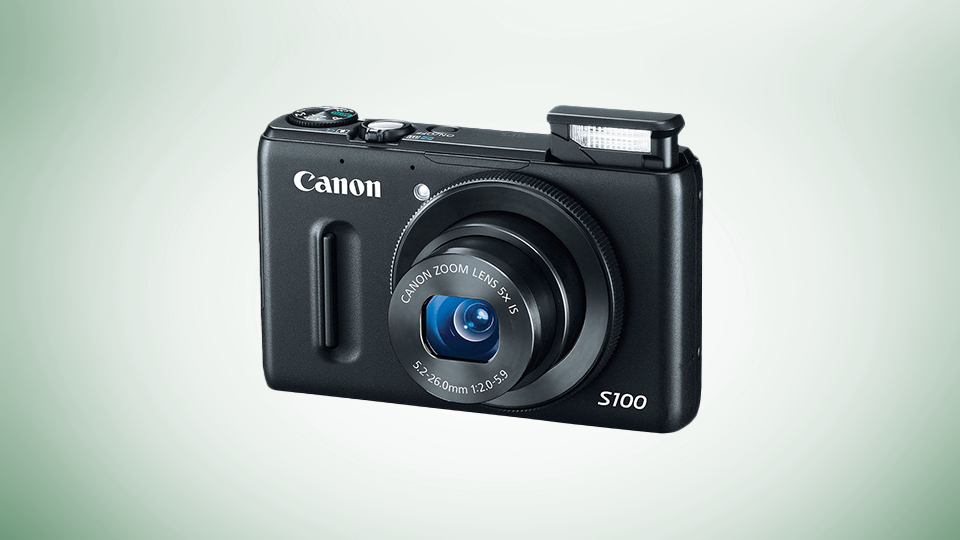
Canon PowerShot S100
The cameras that preceded and followed the cult S95, the S90 and S100, have received less of its middle sibling's accolades and affection—a fact that benefits your wallet. Unless you're hellbent on the S90's CCD sensor (understandable), we recommend the S100 for inheriting so much of what distinguishes the S95: genuine pocketability, RAW capture, Program/Aperture Priority/Shutter Priority/Manual (P/A/S/M) exposure modes, and an adjustable built-in flash. The S100 saw improvements in autofocus speed, low-light performance, lens focal range, and resolution. It can still be found for less than $300—if you do, snatch it up.
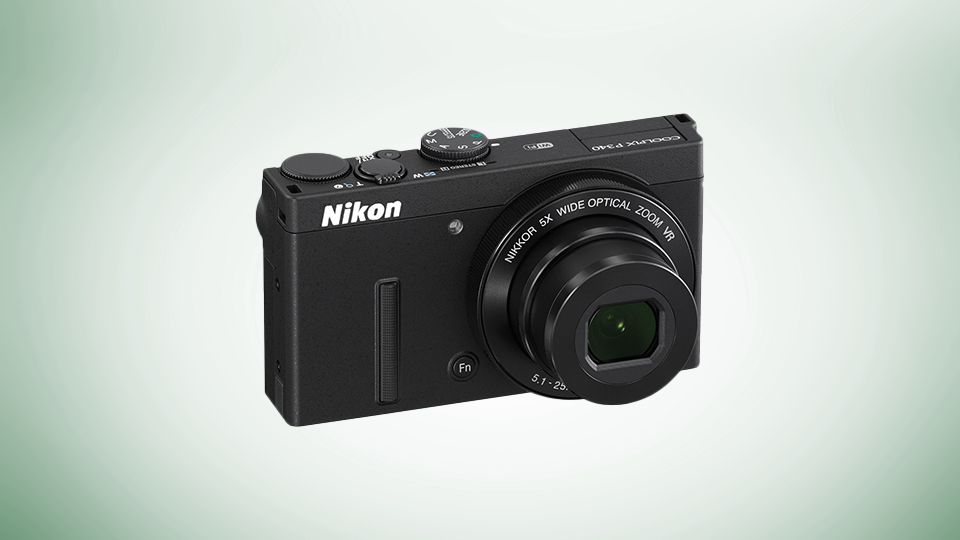
Nikon Coolpix P340
While not quite as comprehensively excellent as the PowerShot S-series cameras (a few controls are missing here), the Nikon Coolpix P340 is a handsome devil with a lot to like, not the least of which is that it comes cheaper on the used market. One area where it wins is the lens's maximum aperture, which is f/1.8 at the 24mm wide end to benefit low-light shooting. You still have P/A/S/M exposure modes, built-in flash, and RAW capture. Another 2026-friendly feature: built-in Wi-Fi for sending images to your smartphone.
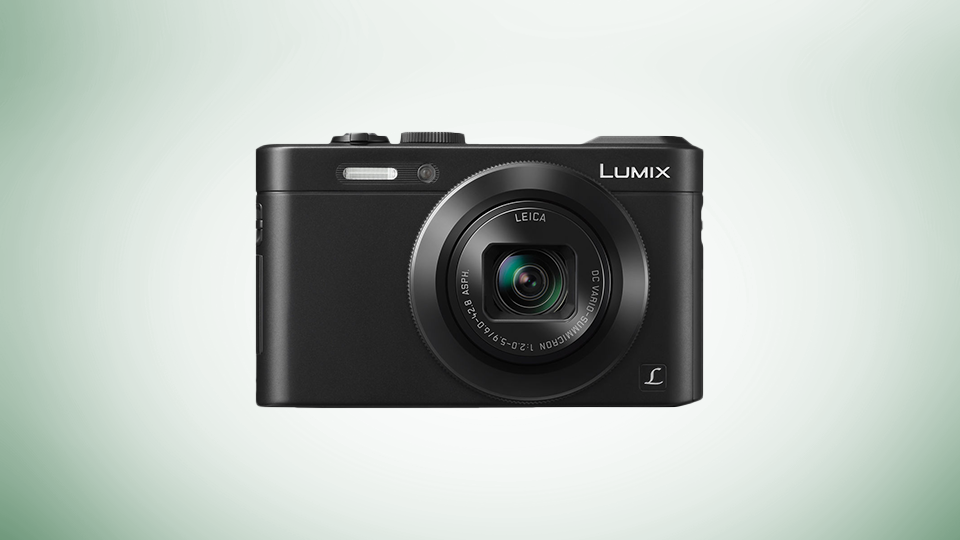
Panasonic Lumix LF1
The first of several Lumix point-and-shoot cameras to be featured in this article, the Panasonic Lumix LF1 stands out for including an electronic viewfinder while remaining eminently pocketable. Like the others, we have the P/A/S/M exposure modes, RAW capture, the built-in flash, a broader 28-200mm zoom range, and a wide range of connectivity options, including NFC, Wi-Fi, USB, micro-HDMI, and A/V composite. The EVF is probably the real find here, especially in a camera of its size and market price, which sits at around $300. That can't be overstated, as most other point-and-shoot cameras with an EVF either run bigger or more expensive.
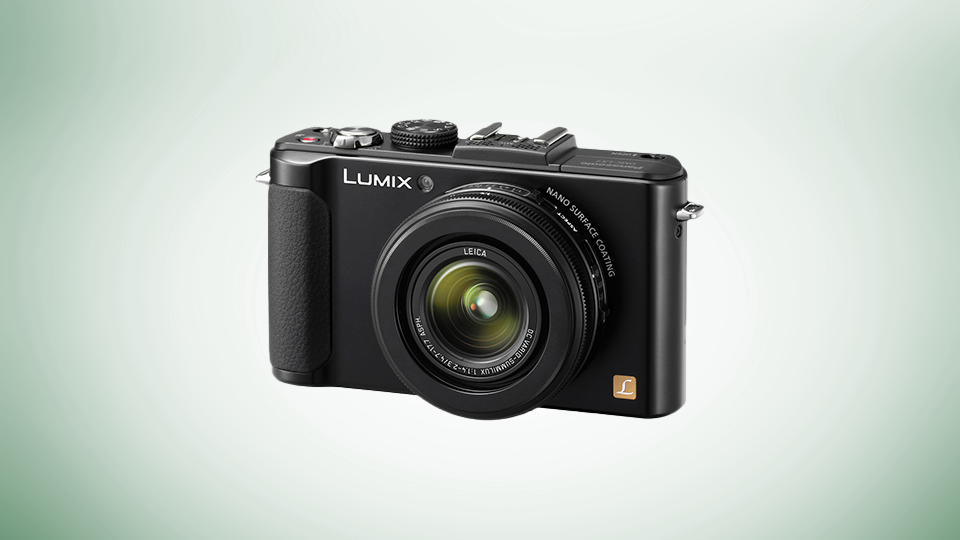
Panasonic Lumix LX7
Speaking of larger camera bodies, the Panasonic Lumix LX7 is a tad bulkier than the LF1, due in large part to the powerful and protruding Leica lens that boasts a maximum f/1.4 aperture at the wide end. Though the zoom range is smaller, topping out at 90mm, it stays relatively bright there at f/2.3. This makes the Lumix LX7 less rigorously pocketable, but for some, that will matter less than its heft and foregrounded seriousness. In addition to the P/A/S/M exposure modes, RAW capture, and built-in flash, and a micro-HDMI port, the LX7 also sports a hot shoe for an external flash or wireless radio trigger. If you're avoiding flash, its large maximum aperture and smaller megapixel count translate to excellent low-light performance. Most importantly, the camera can be had for well under $250, with some sellers offering it at less than $200.
Olympus XZ-10
Last, but not least, is the Olympus XZ-10, a highly versatile and functional little camera in more ways than immediately meets the eye. Of the cameras in this section, is has the smallest sensor, which raised eyebrows then and now. However, its low-light performance is sustained with its bright 26-130mm f/1.8-2.7 lens. Our mainstays are here: P/A/S/M exposure modes, RAW capture, and built-in flash. The camera also offers shutter speeds as slow as 30s, meaning the camera can achieve effects like light trails and other blurred motion. Perhaps the camera's most interesting feature is the versatility of its built-in flash: manually adjustable from full to 1/64, with two modes specifically for wireless remote flash triggering--#RC for shooting TTL with compatible Olympus strobes, and #SLV for triggering any ordinary optical slave without dumping ton of light into the scene. All this makes the XZ-10 the unlikely winner if you're considering point-and-shoot studio experimentation.
Best Value
This is the bargain bin, where you'll find surprisingly capable cameras at surprisingly little cost.
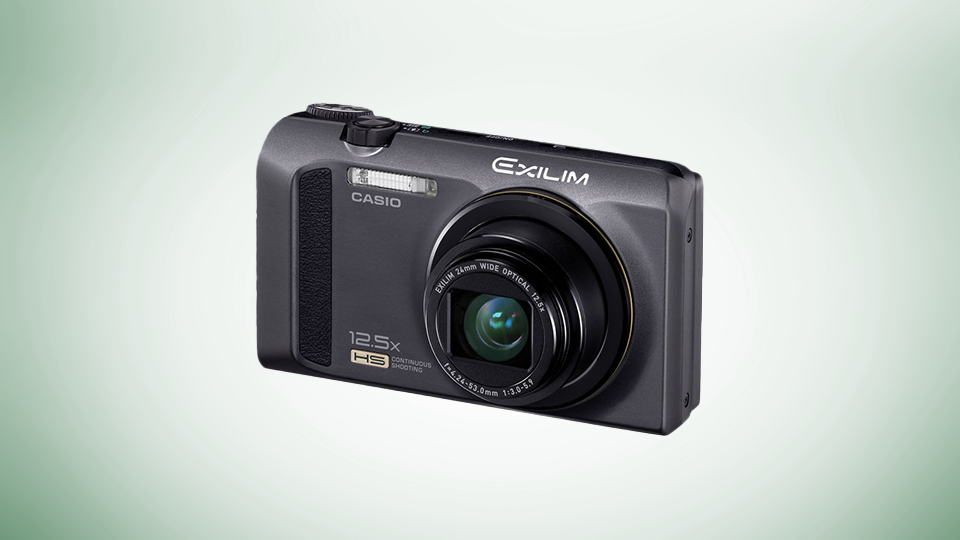
Casio EX-ZR100
Seeing a name like Casio reminds one of just how open the field was for point-and-shoot cameras in their heyday, with that breadth yielding surprising quality in unexpected places. Case in point, the EXILIM EX-ZR100, whose travel-not-pocket size allowed for an astounding 24-300mm equivalent zoom lens and an insane 40 frames-per-second burst speed. While we have P/A/S/M exposure modes and a built-in flash, the camera does not support RAW capture. The sacrifices here are all for speed and ease of use, and the EX-ZR100 rewards playing a little fast and loose. The upper range for this camera is $200, but plenty of good condition units can be found for less than $150.
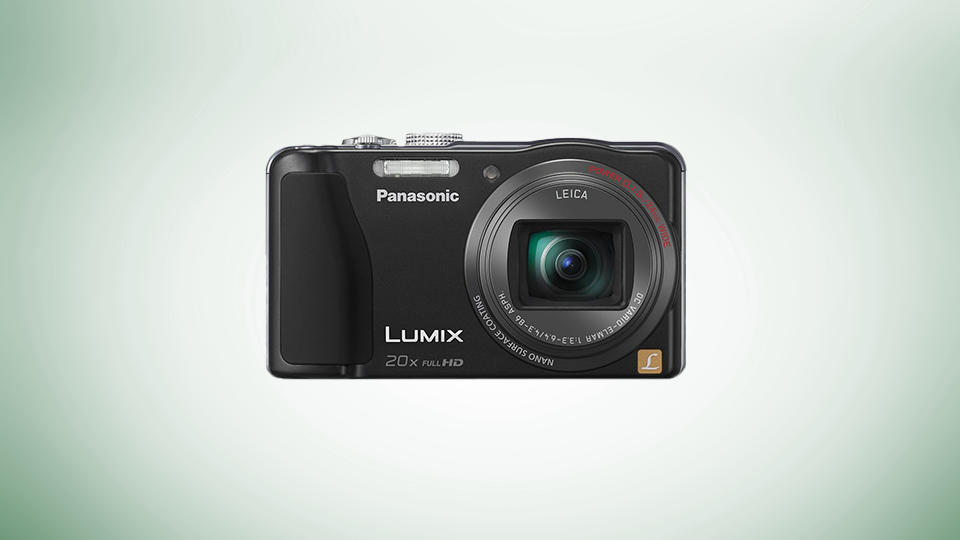
Panasonic Lumix ZS20
Continuing in the vein of "travel-zoom compact," we have the Panasonic Lumix ZS20, whose headline feature is a whopping 20x optical zoom lens stretching from 24-480mm. It's a similar situation to the Casio, where we have P/A/S/M exposure modes and a built-in flash, but no RAW capture. Instead, you quick operation, pocketability, and highly competent automation. Oh, and built-in GPS for all you geo-taggers out there. Good condition units are currently listing between $100-150, with some higher priced outliers for mint condition with full packaging.
Sony Cyber-shot HX20V
The pricing on this one is a little more erratic, but the $125-175 range seems like the sweet spot. Not to be outdone, the Sony Cyber-shot HX20V also has a 20x optical zoom, extending to a 500mm-equivalent length at the long end. It also has one of the higher resolution sensors on the list at 18.2MP. It's another one whose ease of use trumps its out-and-out virtue as a versatile imaging tool, lacking both Shutter and Aperture priority modes and RAW capture. Instead, you have fast and reliable autofocus, a built-in flash, and a very reasonable asking price.
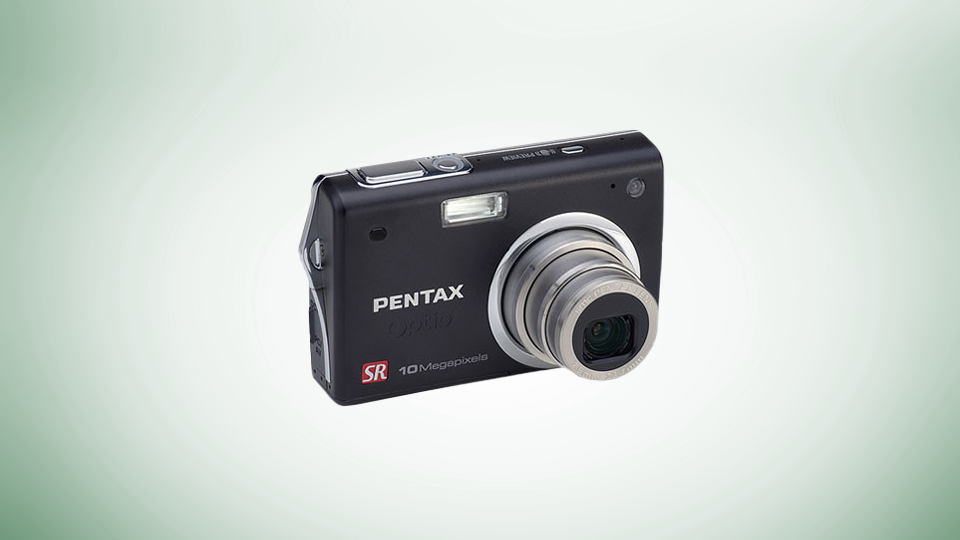
Pentax Optio A30
The Pentax Optio A30 is the true bargain of the bunch, selling for as low as $35 at the time of this writing, but more likely to be found in the $75-100 range. As one Reddit user raved, "The Optio A30 is the only [digicam] that produces shots that feel like a disposable film camera." If that's what you're after, this camera might be for you. It's an older camera from 2007, which means a CCD sensor, one that's larger than the other cameras in the bargain bin. No RAW capture or Aperture Priority mode, but there's still P/S/M and the built-in flash. The zoom lens offers a 38-114mm equivalent range with a solid f/2.8 maximum aperture on the wide end. It's charmingly small, too, a true pocketable point-and-shoot.
Samsung NV10
Charmingly small, charmingly inexpensive, the Samsung NV10 stands out for its forward-thinking ergonomics. The most prominent design choice is front grip with a rubberized strip, but its well-placed shutter button and aluminum build make it simple to shoot one-handed, with a sense of security at that. It also has a unique "smart button" approach to settings adjustments, where raised buttons along the right and bottom edges of the rear LCD offer different options depending on what's on screen. The CCD sensor and Schneider-KREUZNACH zoom lens offer both nostalgia and class, and with Program and Manual modes and a built-in flash. Better-conditioned options fall between $100-150.
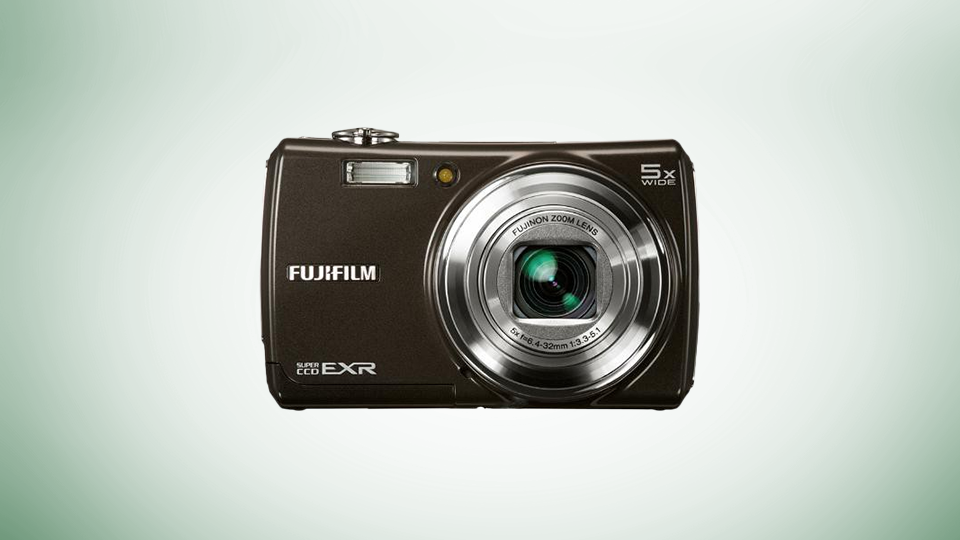
FUJIFILM FinePix F200EXR
The FUJIFILM FinePix F200EXR is the bargain image quality camera. Don't be fooled by its old age and CCD sensor--FUJIFILM pioneered a unique solution to the low-light problem in the CCD days, designing to shoot in full 12MP resolution, a 6MP combined-pixel formula for cleaner low-light files, and a dynamic range mode for expanded latitude in both highlights and shadows. Then, its EXR Auto mode offered a way for the camera to automate the mode selection process. Ignore the lack of RAW capture, because the JPEGs are strong straight out of the camera. While it’s less fully manual than the others, its unassuming form factor and unique sensor make it especially attractive at the sub-$200 asking price.
Better Camera, Higher Price
We move out of the bargain bin and into the savings account. Even when a newer camera with better technology might be cheaper, sometimes the allure of a certain family carries the day.
Sony RX100 III
Whereas every other camera on this list belongs to a defunct line that fell victim to the eventual near-extinction of the capable compact, the Sony RX100 III stands alone amongst them as a forebearer to a still-popular series. The third generation RX100 introduced many of the series' calling cards: the pop-up EVF, a bright f/1.8-2.8 maximum aperture lens with a wider field of view, fast and reliable autofocus. Not to mention the RX100's original imaging proposition: a 1" sensor in a truly pocketable body. To this day, the RX100 series is the gold standard for serious imaging capability in a pocketable body--RAW capture, P/A/S/M, built-in flash, and plenty more--and is perhaps only rivaled by the Ricoh GR series cameras, which sacrifice the zoom for the sake of an APS-C sensor. This consistent excellence has made the whole line attractive for used market buyers, with the price following accordingly.
Samsung EX2F
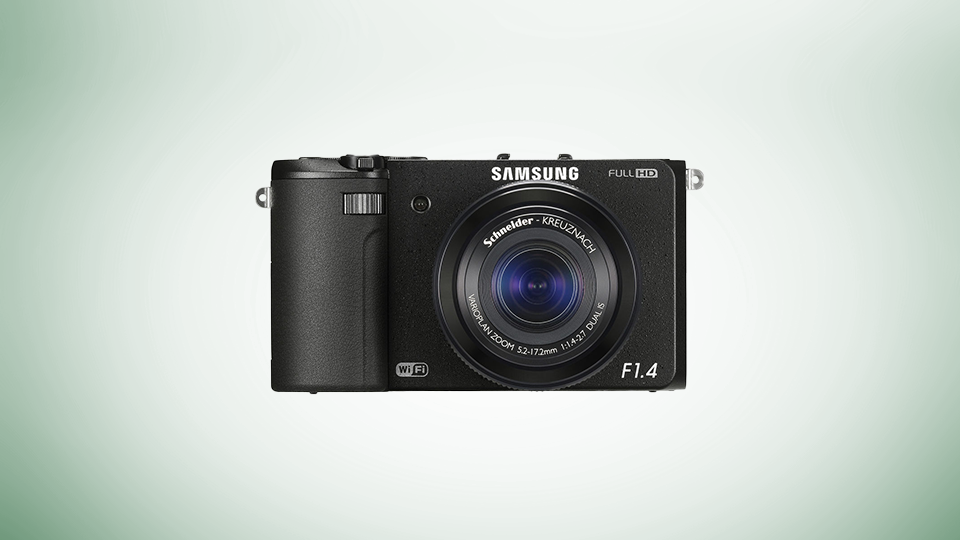
The pinnacle of Samsung's compact enthusiast experiments, the cult classic Samsung EX2F continues the sleek design philosophy (dials, buttons, bezels, and grips) while incorporating an impressive Schneider-KREUZNACH 24–80mm f/1.4-2.7 zoom lens. With a lens that fast at the wide end and a larger, 12MP sensor, it handles low-light scenes better than most of its contemporaries. Also unique on this list is its articulating rear AMOLED screen. In addition to its built-in flash, it also sports a hot shoe for an external flash or a wireless radio trigger.
Olympus Stylus 1
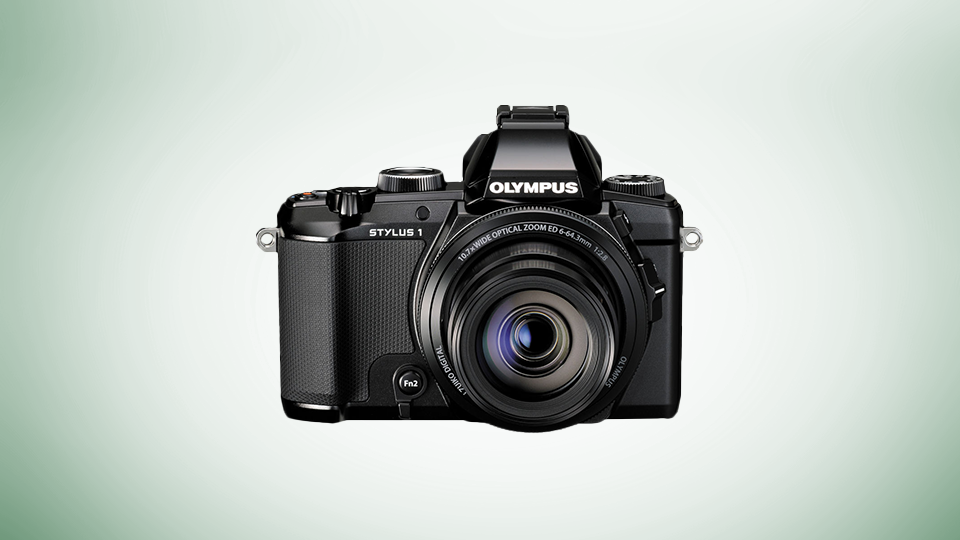
Is it a compact bridge camera, or an oversized travel point-and-shoot? Either way, the Olympus Stylus 1 is the one camera on this list that will absolutely not fit in your pants pocket (although it might fit in your coat), and for good reason: a 28-300mm zoom lens with a consistent f/2.8 aperture throughout the entire focal range. That's no mean feat, and it means sacrificing some size. It's got the same flash versatility as the XZ-10, here with a hot shoe, a built-in ND filter for landscape photography, an EVF, tilting rear screen, RAW capture, full P/A/S/M exposure modes. It's a functional beast that looks like a "real" camera and can still be palmed, provided you've got the forearm musculature. And you're paying more because the camera can really do it all.
Pentax MX-1
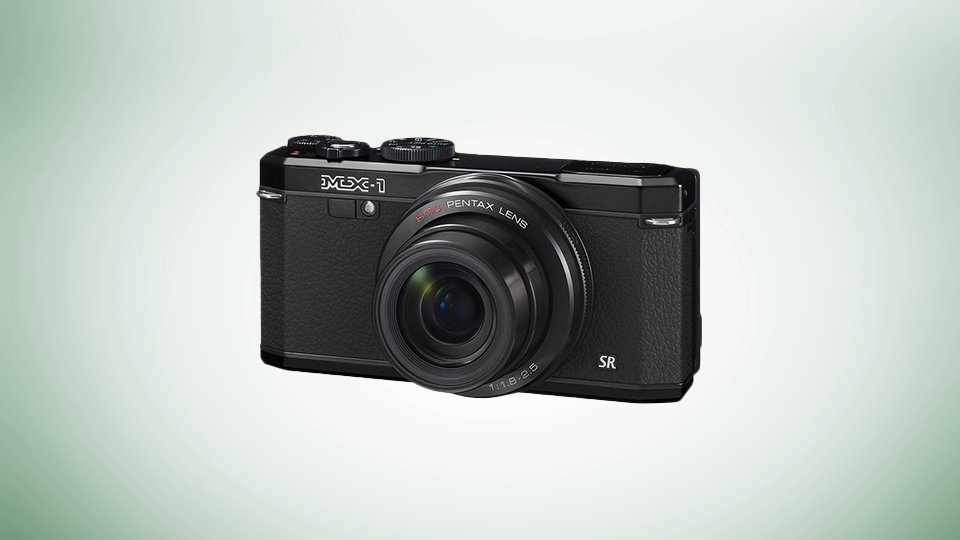
Although it came after the now-infamous FUJIFILM X100, the Pentax MX-1 was perhaps the only other manufacturer to anticipate the retro design bonanza that would come to befall and eventually dominate the camera industry. Like the X100, it directly references the manufacturer's filmic past, brass plates and all. Whereas the X100 compressed APS-C imaging quality, the MX-1 expands the digicam into a vintage, rangefinder-style handling experience. And it retains the freedom, frictionlessness, and versatility of the digicam, with its 28-112mm equivalent f/1.8-2.5 lens, macro capability, and quick, reliable autofocus. It's got the built-in flash, P/A/S/M exposure modes, and RAW capture you would expect. It's another, not-entirely pocketable entry on the list, but perhaps the clear winner by a mile for objecthood and film-vintage aesthetics.
If you end up getting a camera from this list, don’t forget to check out B&H’s extensive catalog of accessories, batteries, and chargers for your new old camera. And for more discussion of digicams, point-and-shoots, and other retro aesthetic fun, check out the articles at B&H Explora.
