
If renowned landscape photographer Ansel Adams were alive today, he would surely be astounded at the variety of cameras available. When compared to his hulking 8x10 view camera, today’s cameras look like child’s play. He would also be flabbergasted at the image quality these little devices produce.
This year, we have a bottomless well of cameras from which to choose. To help narrow down your options, we’ve compiled a handful of cameras that are at the top of their class this year, in terms of landscape photography.
Sony a7R VI
The most obvious advantage of the Sony a7R VI is its versatility and extraordinary imaging sensor. Equipped with a whopping 66.7-megapixel stacked full-frame sensor and a state-of-the-art BIONZ XR2 processor with a dedicated AI processing unit, the a7R VI can truly do it all. For landscape shooters, there’s something to be said about having the highest resolution sensor in an a7 camera to date, and the extra processing power makes for quicker, more intelligent autofocus, auto exposure, and auto white balance processing.
The BSI CMOS design of the sensor contributes to a rich image quality and stunning quality with low shadow noise and a wider, 16 stops of dynamic range. Additionally, the a7R VI offers the familiar Pixel Shift Multi Shooting mode that allows the camera to create a composite of up to 16 images for a single file with approximately 265.8 megapixels of information.
If you’re shooting landscapes and suddenly a wildlife or action scenario presents itself, fear not. All of that added speed and processing power allow this camera to fire away at 30-fps blackout-free continuous shooting in full resolution RAW. Pair that with pre-capture, speed boost, and it’s improved AI-powered subject recognition skills, and you have a camera made for more than just landscapes.

Sony a7R V and Sony a7CR
If 66.7 megapixels is overkill, or you just don’t need the flagship-level speed and focusing capabilities of the VI, consider the Sony a7R V, or its compact cousin, the slightly smaller a7CR. Both cameras still pack a punch with a whopping 61MP full-frame sensor and the original BIONZ XR processor, allowing them to take high-resolution images with impressive clarity, low noise, and high sensitivity.

Both cameras are equipped with Pixel Shift Multi Shooting technology that allows the camera to create a composite of 16 images for a single 240.8MP image. Is there a discernable difference between this and the larger a7R VI's file? Probably not. Either way, this gives you a higher-resolution image than normal shooting alone and is an amazing feature for landscape photographers looking to make large prints of their images.
The main differences between the a7R V and a7CR, however, are size, video recording capabilities, in-body stabilization, and continuous shooting.
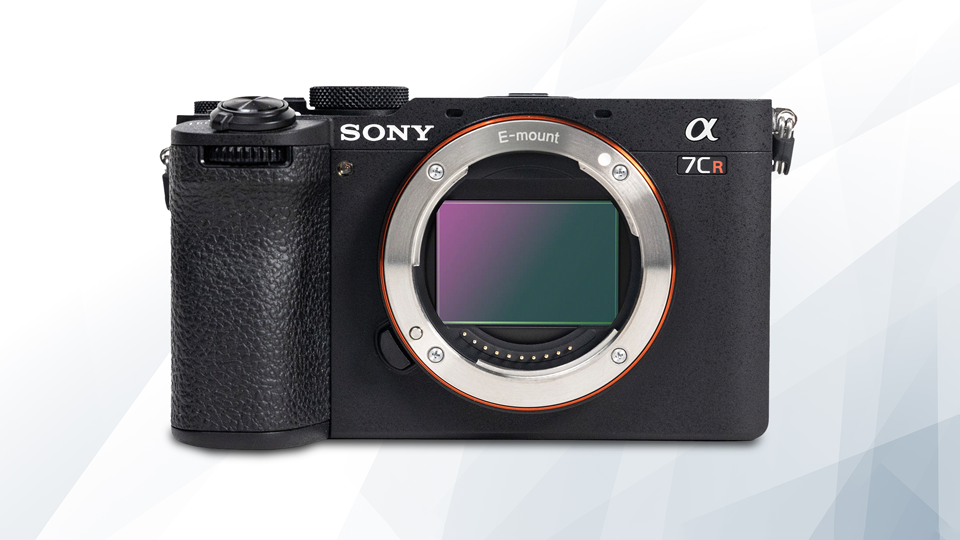
Slightly larger, the a7R V is also the more expensive of the two cameras. For that extra money, you get 8K video recording and up to eight stops of in-body stabilization (compared to the a7CR’s seven). The a7R V can also shoot up to ten frames per second, while the a7CR tops out at eight frames. Continuous shooting is important if you’re thinking about using your camera for other enterprises besides landscape photography, like taking pictures of birds or other wildlife.


Ultimately, while the a7R V is the better all-around camera, the a7CR is nearly half a pound lighter, making it a better choice for backcountry photographers. When you’re hiking with your gear dozens of miles into the wild, every extra ounce counts. If you’re planning to do mainly day hikes or shooting with a tripod from the back of your car, however, perhaps you’d be happier springing for the extra features in the a7R V.
Nikon Z8
Another heavy hitter in terms of the sensor and performance is the Nikon Z8. While the resolution is not as colossally high as the Sony cameras, the Z8’s sensor is nothing to sneeze at. It rocks a 45.7MP stacked back side illuminated CMOS sensor that’s great for capturing all the intricate details that landscapes have to offer and beyond.
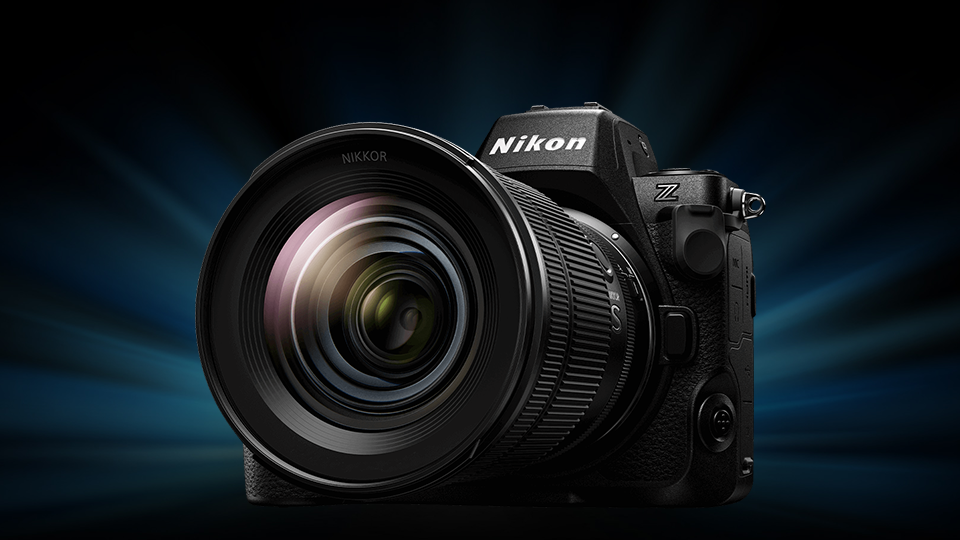
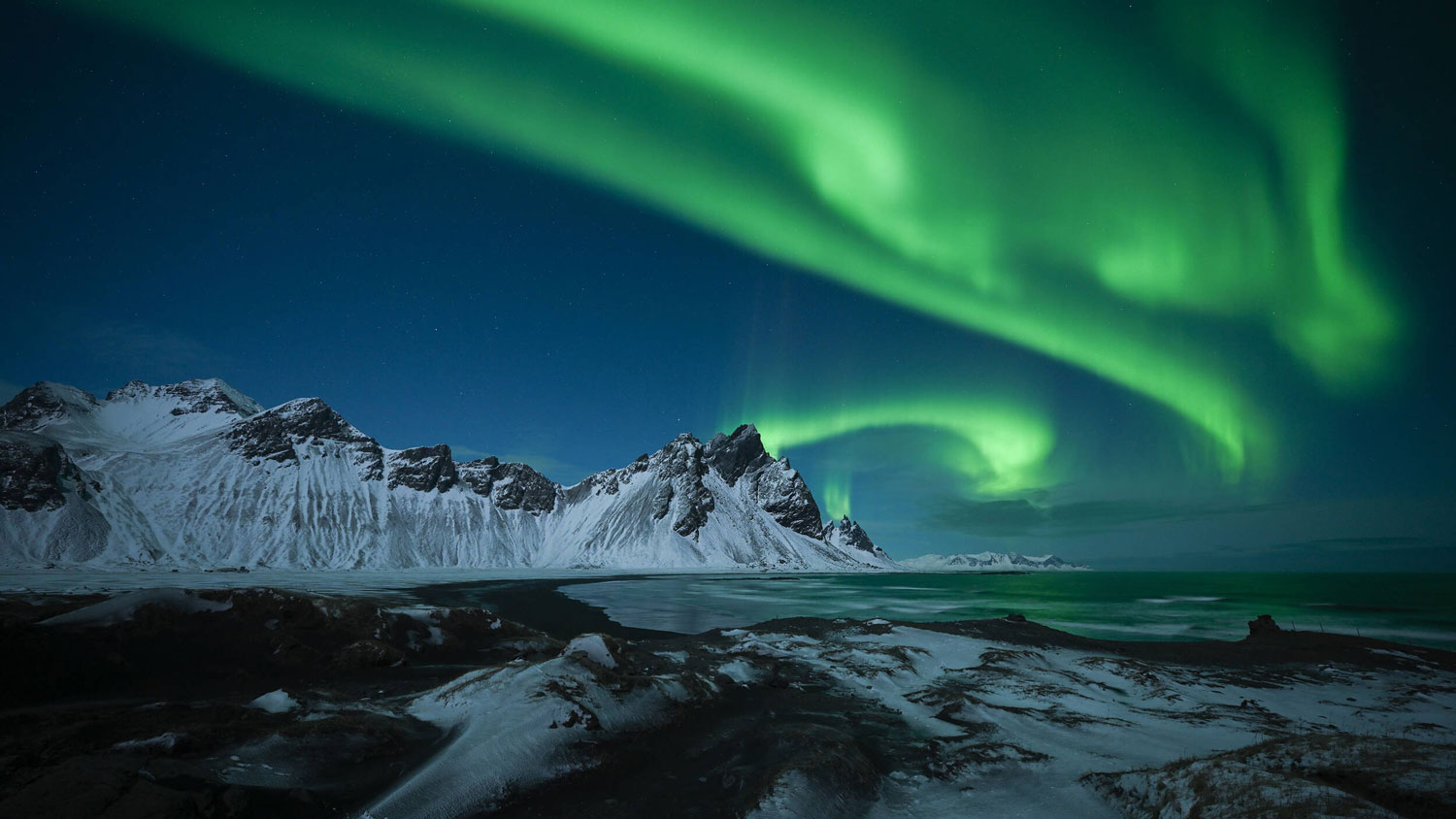
It’s also outfitted with a robust EXPEED 7 image processor. Ten times faster than its predecessor, the Z7 II, the EXPEED 7 ensures that the Z8 has fast autofocus and burst rates with low buffer rates. Furthermore, the 493-point phase-detection autofocus system covers the sensor’s entire surface area—beneficial when shooting in low-light scenarios. It even comes with a Starlight mode for astrophotography that allows you to focus down to -9 EV. This is helpful whether you’re photographing the fleeting northern lights or a fireworks show on the Fourth of July.
Imagine you are driving down the road and see a spectacular view. The sun is setting, bathing the scene in beautiful, golden light. You barely have time to pull over, get your camera up, and take a couple of shots before the sun dips below the horizon. That’s when you’ll want the Z8’s six stops of camera-shake stabilization. Even if you’re planning to use a tripod for most of your landscape photography, it’s still helpful to have in-body stabilization.
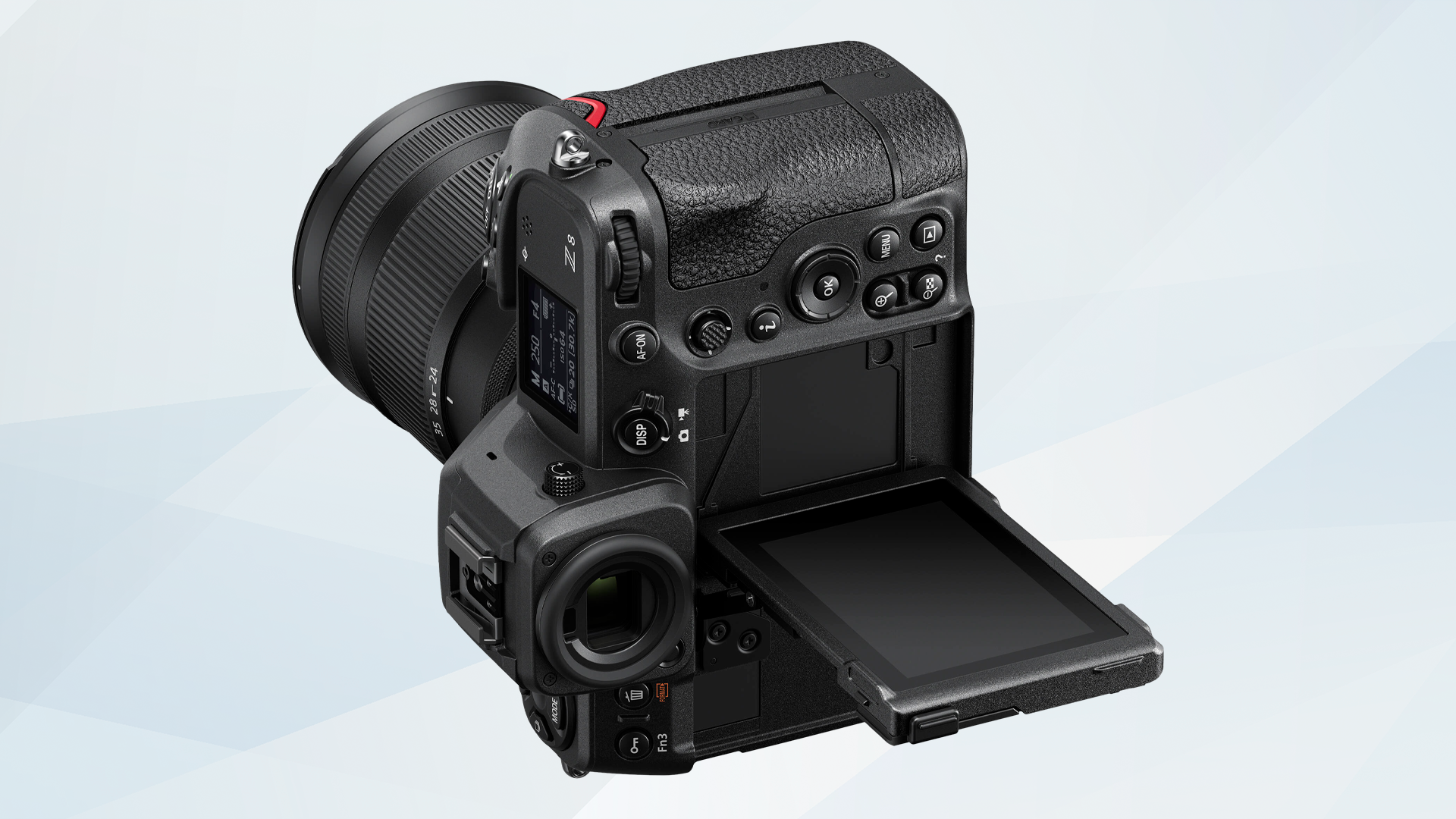
Another impressive feature is the four-axis tilting touchscreen which can be tilted outwards both in a horizontal orientation, and a vertical one. This may be familiar to Z9 shooters as well as fans of FUJIFILM’s lineup. No matter the orientation of your shot, you can tilt it to accommodate tough angles or to reduce glare.
Nikon released the Z8 in hopes of replacing the Nikon D850, but many landscape photographers might want to take a look at the old DSLR king, especially those who still crave the optical pentaprism viewfinder and maybe have a stable of F-mount lenses. These days it seems counterintuitive to invest in DSLRs, but the D850 has managed to hold its ground despite the industry moving in the opposite direction.
Nikon Z7 II
Didn’t we just say that the Z8 was ten times faster than this camera? Yes, but speed isn’t everything, especially when photographing landscapes. The Nikon Z7 II was the brand’s first D800 series follow-up, whether we collectively acknowledged it or not. It offers the same 45.7-megapixel resolution, albeit in a standard backside illuminated (BSI) CMOS sensor, meaning it has quite literally none of the Z8’s speed, but all of the low-light performance and detail.
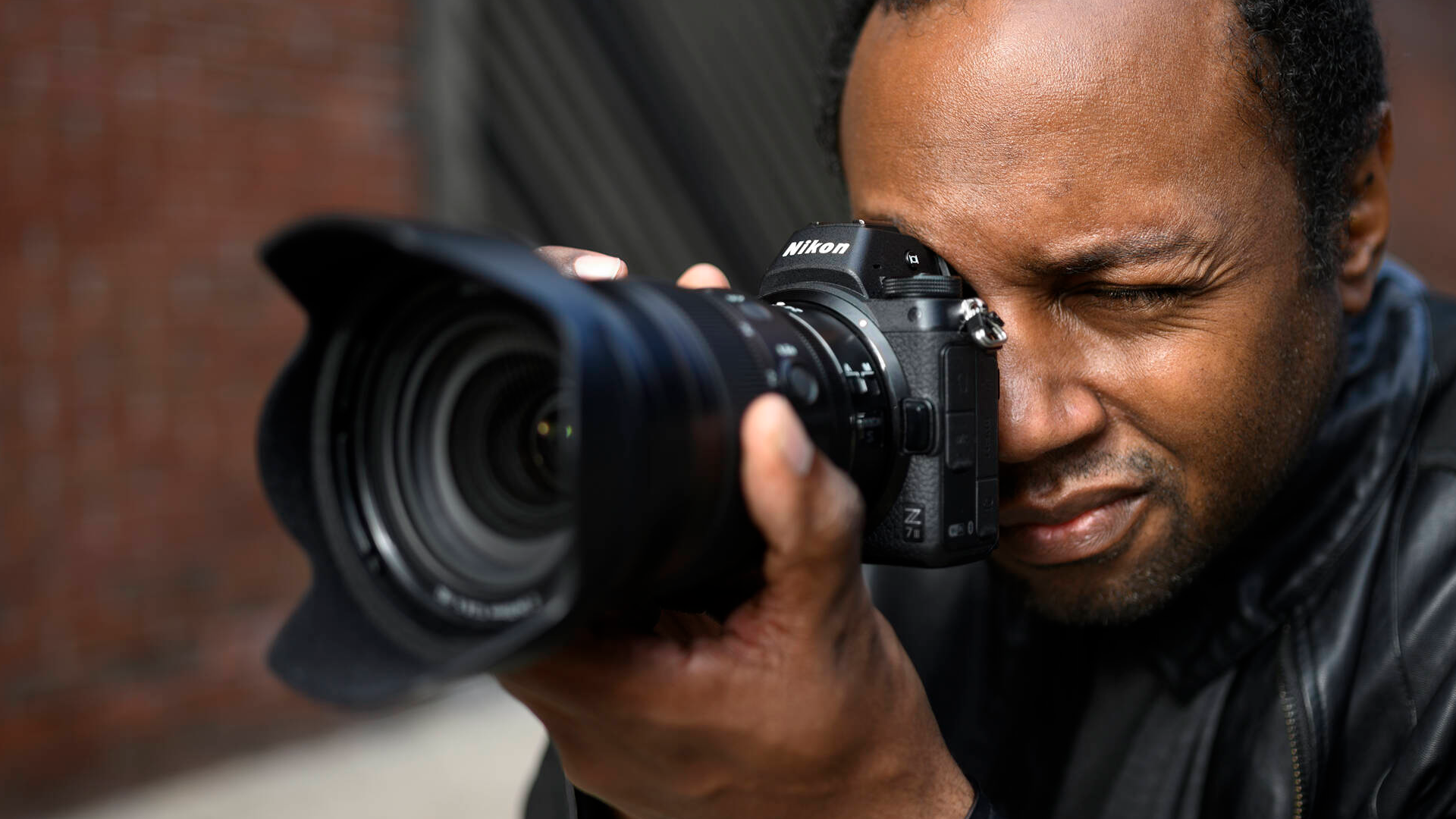
Like the Z8, the Z7 II features an incredibly low native base ISO value of 64 for even greater detail. To make it more appealing for those looking to keep their kits portable, the Z7 II is notably smaller than the Z8. Is it revolutionary? No, but it’ll deliver stellar image quality for a fraction of the price of other cameras on this list, earning it a well-deserved, albeit brief spot on this list.
Canon EOS R5 Mark II
We would be remiss if we didn’t mention the Canon EOS R5 Mark II, an equally powerful detail machine designed to be a master of all.
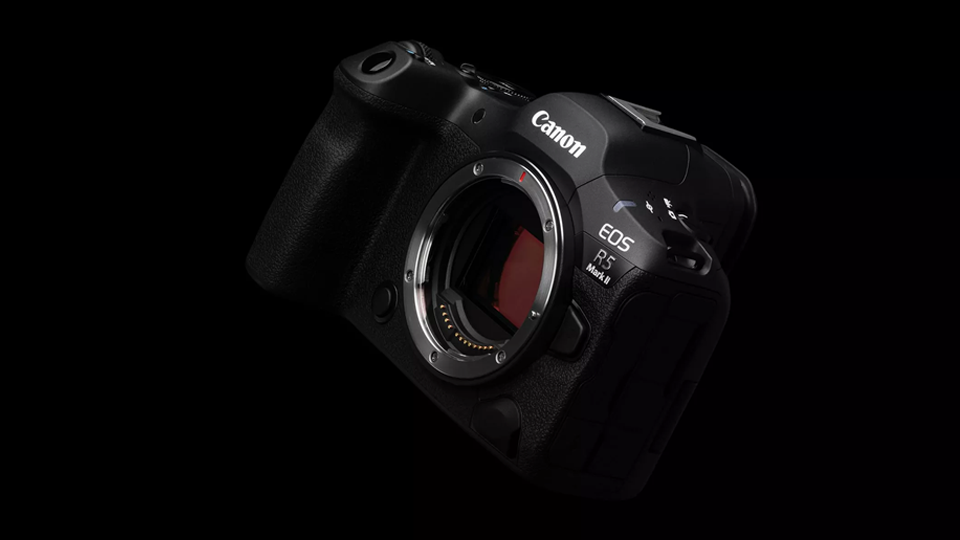
Aimed squarely at landscape photographers, the R5 Mark II contains several upgrades over the original R5, such as a new 45MP back-illuminated stacked CMOS sensor, a DIGIC X processor combined with a DIGIC Accelerator processor for speeds up to 30 fps in electronic shutter mode, next-gen autofocus tracking, Register People Priority mode, Action Priority mode, improved Eye Control AF, in-camera image upscaling to increase resolution to 179MP, pre-shooting in stills and movie modes, 8K 60p raw video, 5-axis sensor image stabilization that corrects up to 8.5 stops of unwanted camera shake for stable handheld shots, and more.
The R5 Mark II contains one of Canon’s best sensors, which means you should be able to capture more than enough dynamic range to play around with in post-production. It also comes with a high-resolution 5.76m-dot electronic viewfinder and 3.2" vari-angle LCD touchscreen. This is imperative when out in the field so you can check and make sure your images are properly exposed.
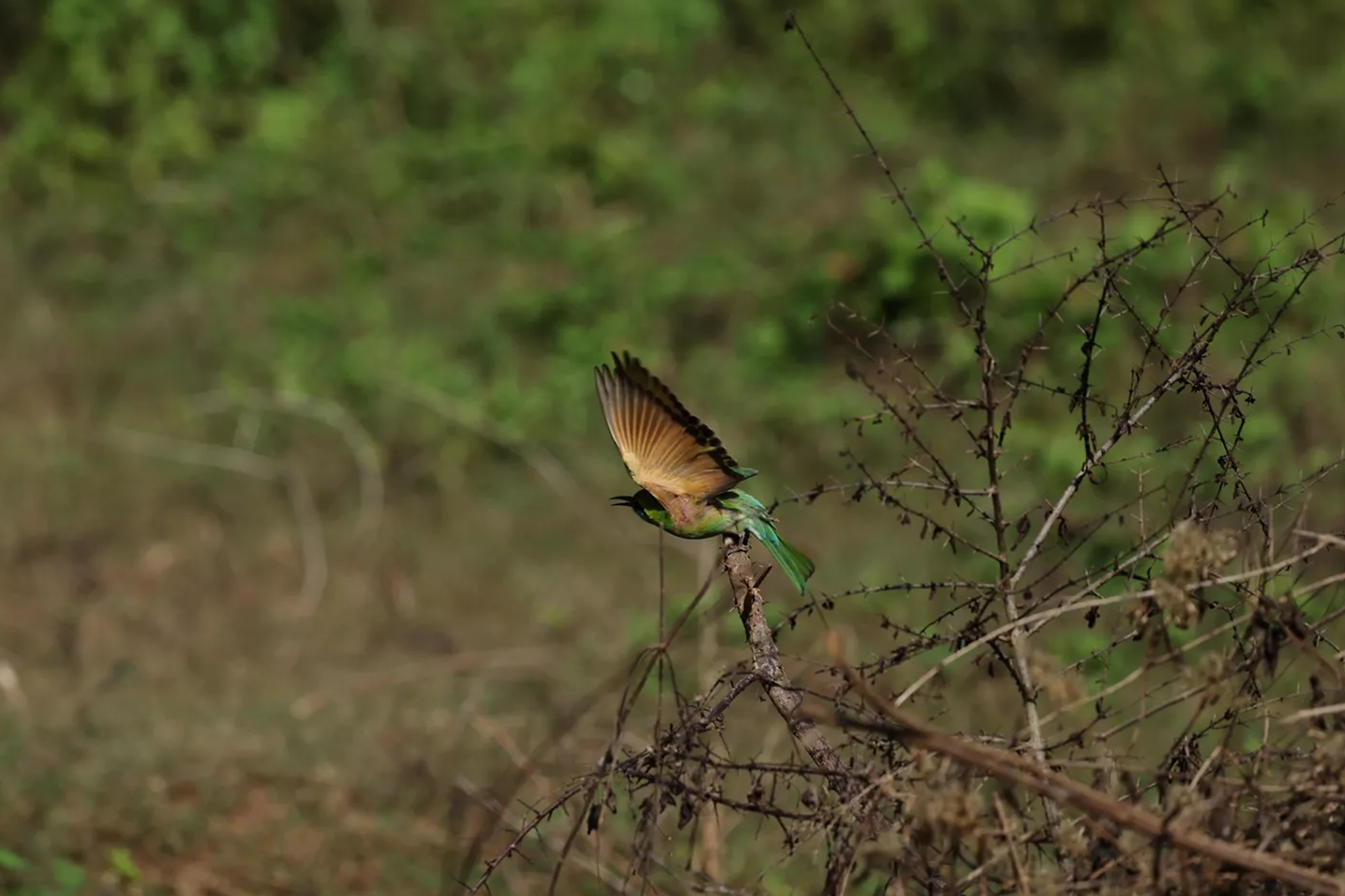
The R5 Mark II has an extremely durable, dust- and moisture-sealed weather-sealed body so you don’t have to worry about taking it out in inclement weather. That also makes it more attractive to backpackers, although its considerable bulk might give some people pause. At 1.5 lb, the R5 Mark II isn’t the heaviest camera on our list but it’s also not the lightest.
If you’re planning to use your camera for other things besides landscapes, the R5 Mark II’s fast autofocus, 30 fps burst rate, and ability to shoot 8K raw video, makes it an enticing option. Even if you’re not planning to do video or take wildlife photos right away, it’s comforting knowing that you own a camera that can grow with you.

Not only can you make beautiful, large prints from the R5, it also comes equipped with Canon’s color science, world-class image stabilization, and excellent dynamic range. If you can afford it, this camera is one that would serve you well for years to come.
Hasselblad X2D II 100C
For the pixel peepers out there, we had to include the Hasselblad X2D II 100C. Unlike the other cameras on this list, the X2D II 100C is a medium format mirrorless camera, meaning its sensor is about twice the size of a full-frame camera’s sensor. That large, 100MP BSI CMOS sensor commands an impressive 15.3 stops of dynamic range with 16-bit color depth. When applied to landscape photography, it makes scenes appear almost lifelike. With vivid color and impressive depth in the highlights and shadows, this is truly a magnificent camera.
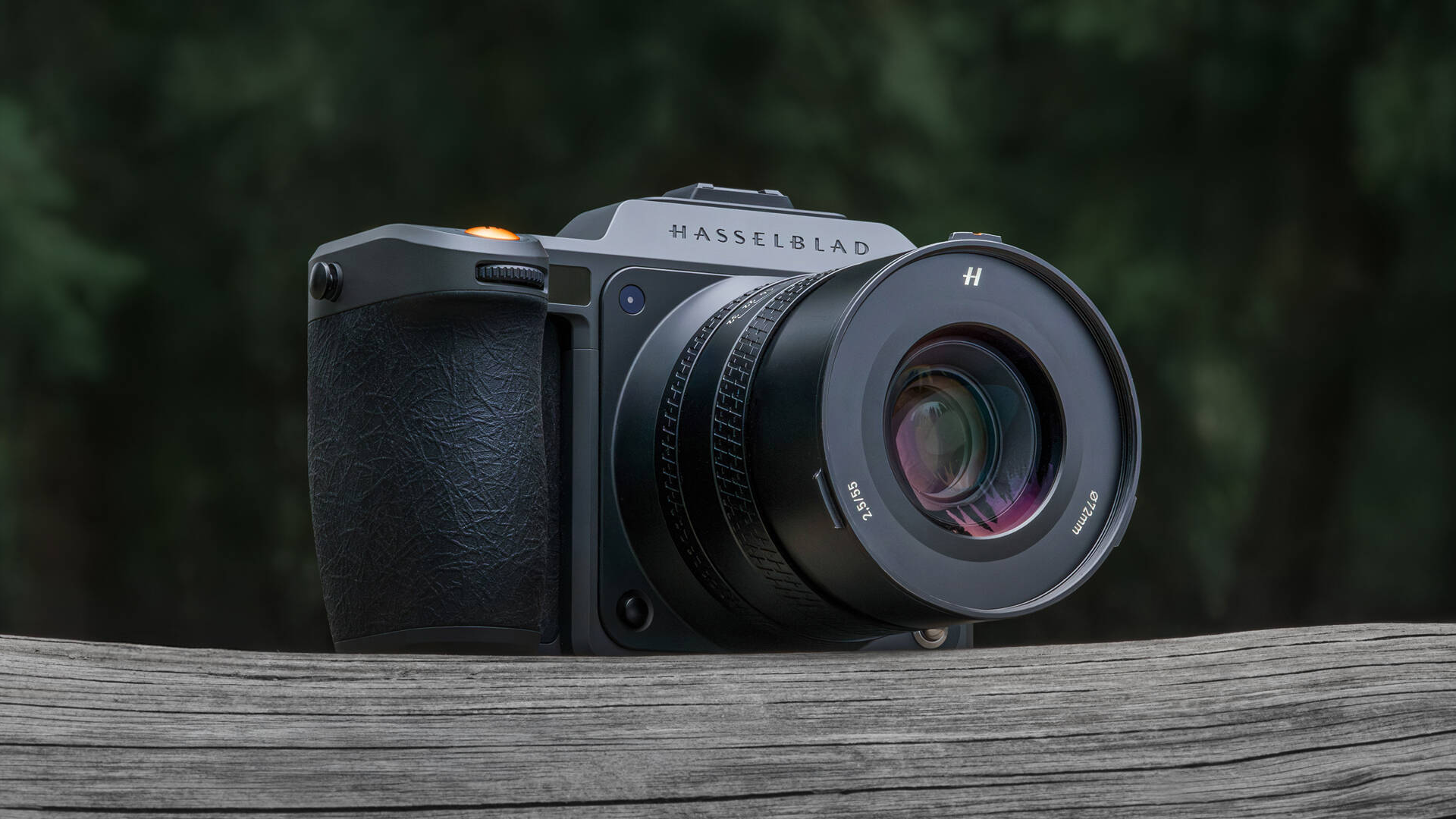
Sensor aside, the X2D II 100C also comes with 10 stops of in-body stabilization for capturing stable, handheld shots. On the back of the camera is a beautiful 3.6-inch two-way tilting OLED touch screen with 2.46m-dot resolution and a 5.76m-dot OLED electronic viewfinder. These two tools are crucial for assessing images out in the field.

One thing to note is that this camera is built for photography. There are no video functions. This camera, instead, prioritizes simplicity and elegance. For example, it has a menu layout that is easy enough for a child to understand.
More than anything though, the body design makes the X2D II 100C feel like a premium camera. It’s crafted from weather-resistant aluminum alloy, ideal for the outdoors in less-than-ideal conditions. It also comes with a large grip, necessary for holding the nearly two-pound body. At this weight, this camera is not ideal for intense backpacking. However, it will undoubtedly give you the incredible, sharp, beautiful images that you would expect from a Hasselblad.
FUJIFILM GFX 100S II
The GFX 100S II has taken the greatest elements of the 100 II and made it more practical for on-the-go shooters. It packs the same 102-megapixel medium-format sensor into a more portable, travel-friendly package. In fact, this medium-format camera is not much bigger than its full-frame counterparts. The GFX 100S II is dust and weather resistant, plus freeze resistant down to 14° F, meaning it can handle some of the toughest conditions you can throw at it.
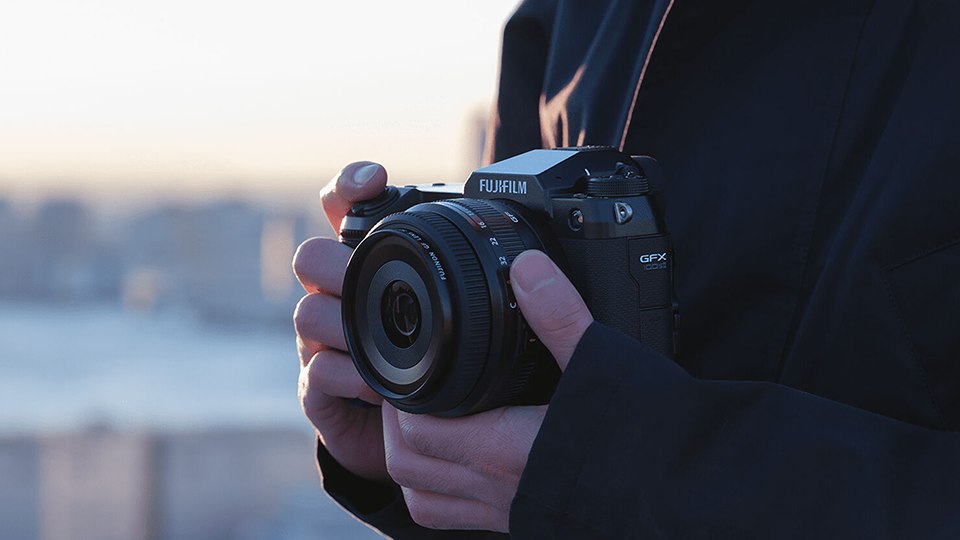
The GFX 100S II delivers images with a 4:3 aspect ratio, which is the same as shooting 120mm roll film in the 6 x 4.5 cm format. However, the sensor isn’t full-frame medium format, but don’t let that deter you, because the details in the 16-bit raw files are nothing short of stunning.
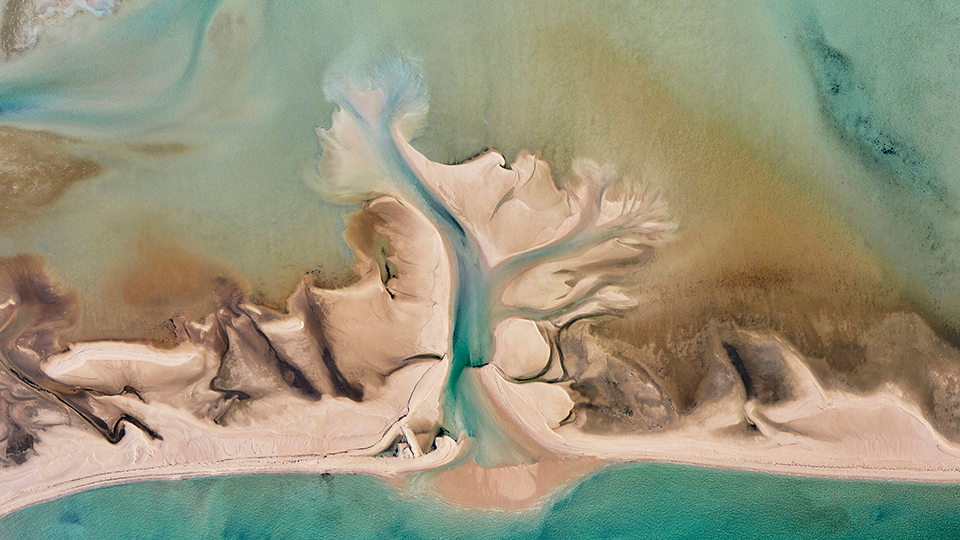
Instead of the CFExpress/SDXC dual card slots found in the II, the S features dual SDXC memory card slots. Now there’s only a need to carry one card type and therefore one reader. For studio or video jobs, the larger II is still the better option, but for landscape shooters looking to get the same quality while hiking to your destination, there’s no better option.
FUJIFILM X-T5
The FUJIFILM X-T5 further refines retro styling and ergonomics to deliver a touch-friendly body with speed, power, and pixel count users have come to expect from the flagship APS-C camera. The X-T5 features a 40.2MP APS-C X-Trans CMOS 5 HR sensor and an incredible array of filters and film simulations for users seeking that famous retro look. Even using its files in their bare form, the detail cannot be understated, enhanced when handheld by seven stops of compensation through its IBIS system.
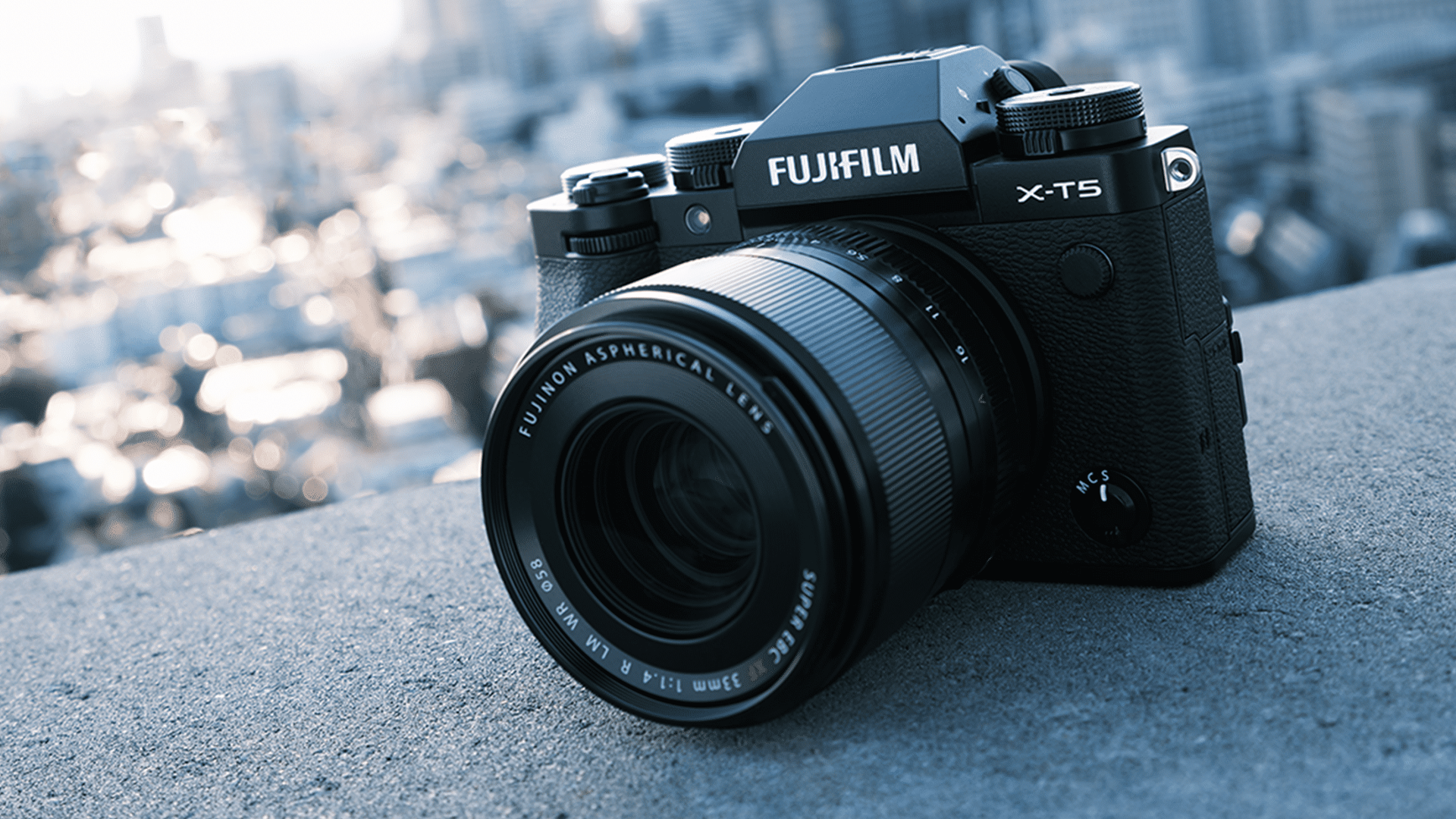
The 40.2MP sensor has an enhanced image-processing algorithm that boosts resolution without compromising the signal-to-noise ratio with an improved pixel structure, allowing light to be received more efficiently. When paired with the X-Processor 5 engine, which uses 64-bit processing to realize 3x faster speeds for both video and photo tasks, this sensor and processor achieve remarkably fast operation, wide dynamic range, and incredible photo quality, even at higher ISO sensitivities.
The FUJIFILM X-T5 also features a familiar three-way tilting rear LCD with both horizontal and vertical support. We spoke about the many landscape benefits of this camera when talking about the Nikon Z8 above, and the same apply here, making for yet another versatile solution. That said, this one comes in a smaller, more travel-friendly package.
Which One Is Right for Me?
Did you stumble upon a new favorite landscape camera this year? Are you considering one mentioned in this article? Choosing a camera for landscape photography can be as easy as picking the camera with the most resolution. That said, if we worked by that metric, we’d be leaving a lot of beneficial features on the table, possibly making our lives harder in the process.
There’s no wrong answer. While the models above showcase the top performers, great landscape images can be captured with any camera. What matters most is that you get out there and take photos. As with anything, the more you do something, the better you get. An upgraded camera just makes it easier. Interested in learning more? You can read about landscape photography and more on the B&H Explora page.
