
You might hear it all the time: "Protect your prints by storing them archivally" or "This paper is archival-rated for X years" or "Keep your film safe by storing it in an archival box." Whatever it is, it's easy to gather what you need to store your tangible photographic media in archival conditions to prolong its lifespan to the fullest and to ensure it looks just as good in several years as it does today.
What Is Archival?
The term "archival" is thrown around a lot in the world of storage and display methods for film and prints, but what does it really mean? It can generally be understood as the use of tools and methods to maintain a stable state and purity of your media, without introducing contaminants or otherwise physically degrading elements into your media. Without getting too scientific and chemically specific, a key term to look for in storage means is "acid-free," which generally indicates the material has a pH value of at least 7 and is more alkaline than acidic. When materials are more acidic, with pH values below 7, media can discolor, fade, and generally deteriorate in quality over time.
Shooting film is great, but developing your film is even better.
When something is considered "archival," this typically means it comprises materials with a high level of alkalinity. Some manufacturers may claim their storage boxes, folders, sleeves, or paper types are "archival for up to so many years" or "color-fast for X-number of years." These claims are reassuring but shouldn't necessarily be taken literally. Tests, such as the Photographic Activity Test (P.A.T.), use accelerated aging methods to estimate archival lifespans of materials; however, time proves to be ultimate test, in the long run. These tests also do not fully account for all variables of various storage conditions, but they do serve as a consistent representation and a guide as to whether or not the storage material will negatively affect your media.
Prints
Regardless if you shoot film or digital, and output inkjet prints or traditional silver, chromogenic, or alternative process prints, all photographers need to be concerned with proper storage and handling of prints to ensure the longest lifespan of your printed images. Different media types all have various estimated lifespans due to their composition and the process in which they were created, such as the type of paper you are printing on and the type of ink in use. For traditional black-and-white prints, the same can be said for material types, as well as the decision to tone your prints, such as with selenium, for greater archival stability.
After the print has been made, proper handling, display, and storage are essential to maintain its appearance over the years.
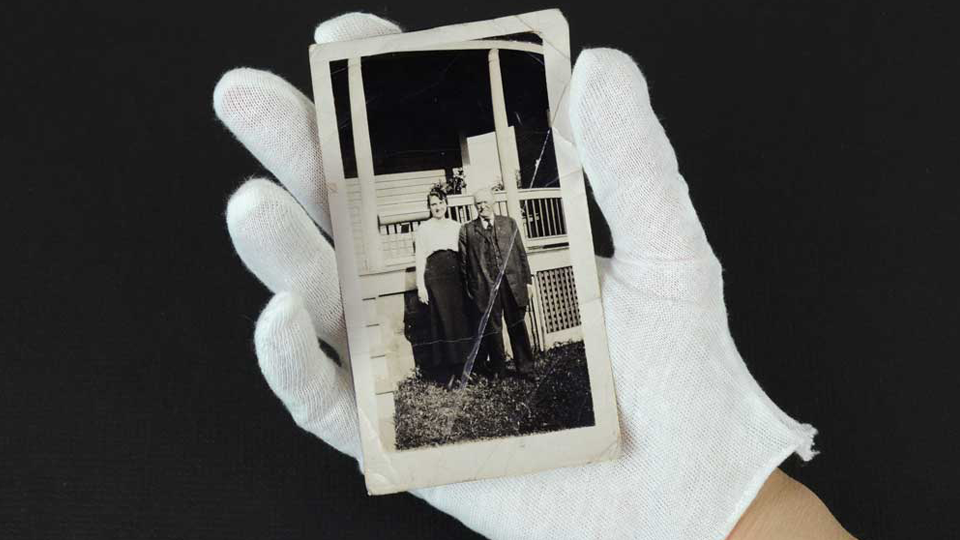
- When handling, the best recommendation is to avoid touching the surface of the print with your bare hands to prevent transferring the oils from your skin to the print. Cotton gloves are an easy way to limit oils from contacting your prints and will also prevent fingerprints from smudging the surface of the print.
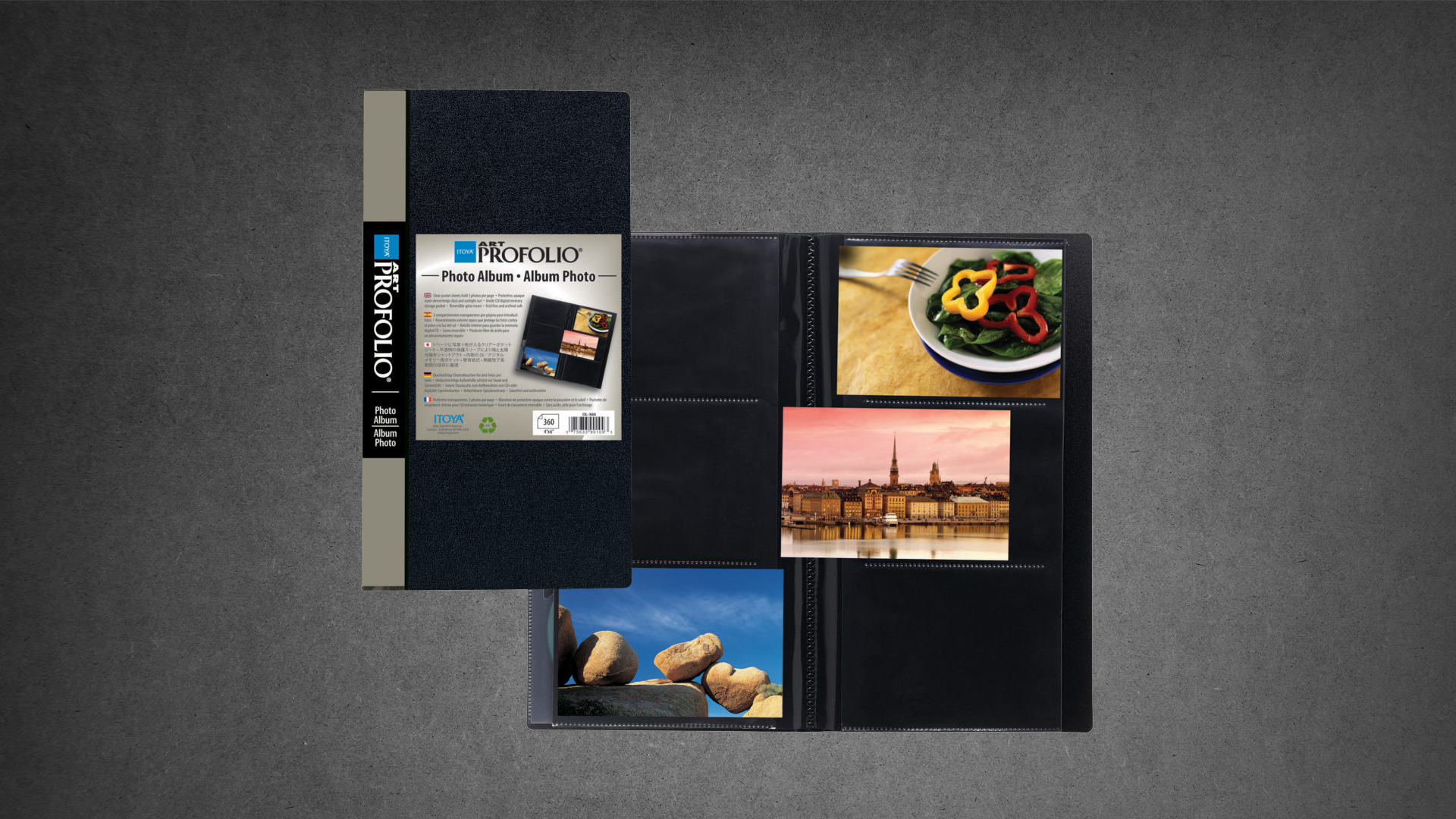
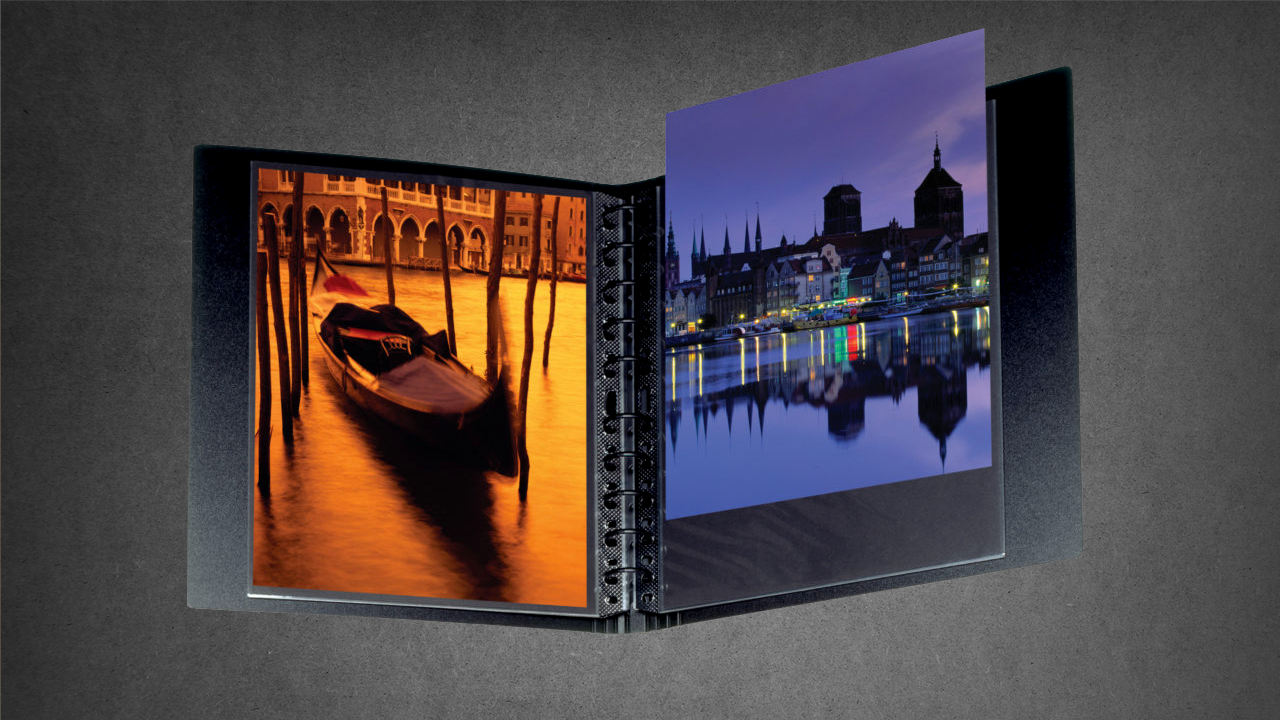
- For displaying your prints in a book format, a presentation portfolio is a straightforward way to protect and showcase your work. Available in a wide variety of sizes and configurations, portfolios are commonly used as an alternative to simply sharing loose prints and (perhaps awkwardly) asking your viewer to wear a pair of white gloves to flip through your photos.
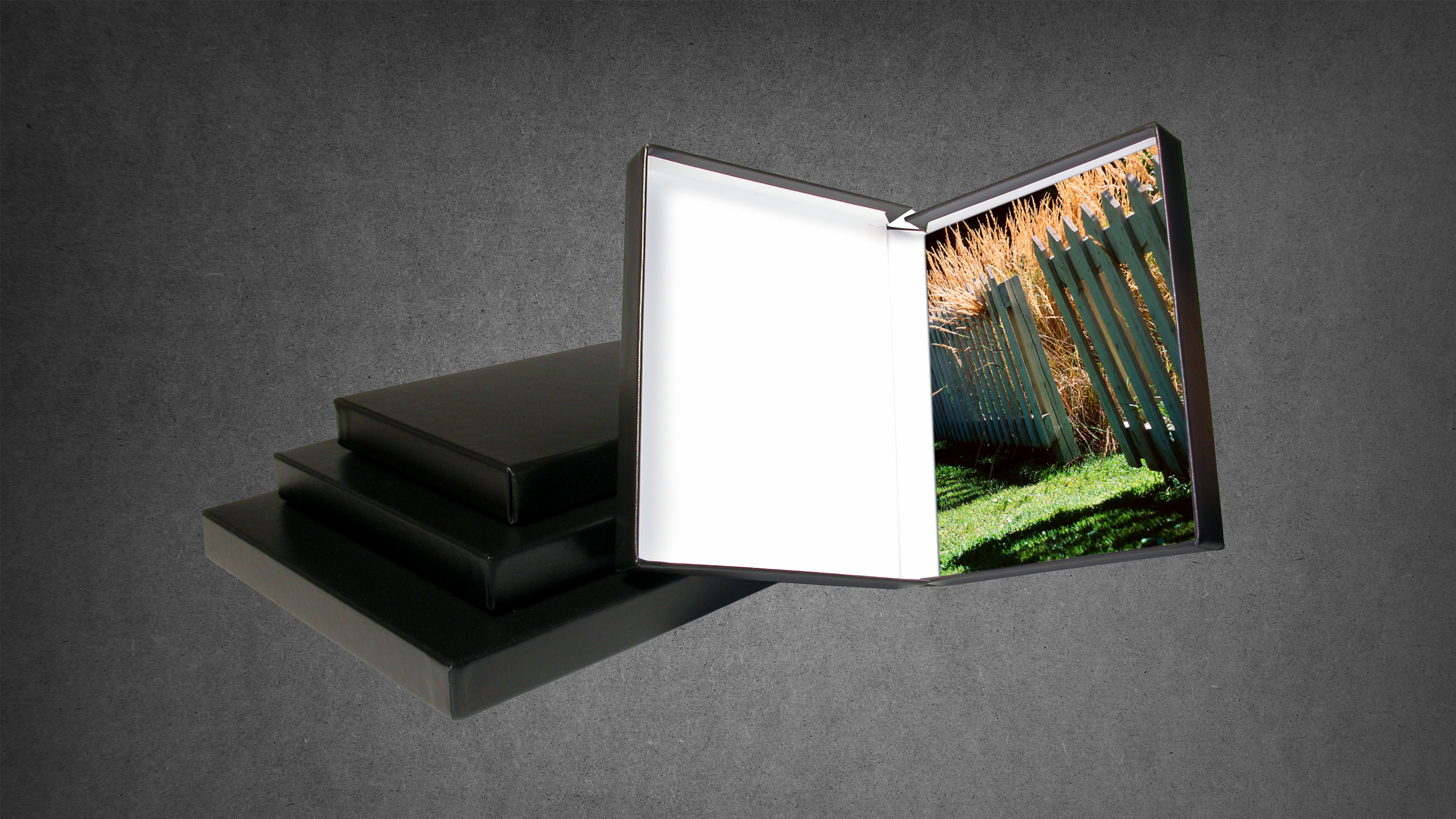
- For more fine art applications where a portfolio book can compromise the context and aesthetics of your prints, a portfolio box is the standard for housing loose prints. Dedicated portfolio boxes are acid- and lignin-free and can also lend a professional appearance to your print storage. Boxes are also perfect for storing matted prints and uniquely shaped or delicate prints.
- Photo albums are also a classic means for sharing and housing photos, although they tend to provide the least protection for your prints if they are mounted with photo corners or some other less-than-permanent method of holding the prints in place.

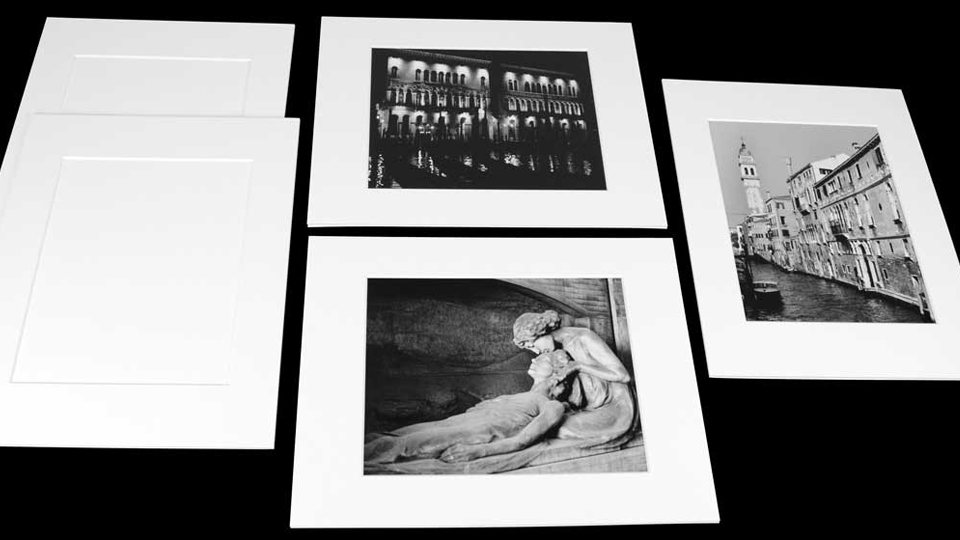
- When framing your prints for display on a wall, it's crucial to remember not to have the print directly touching the glazing. While the glass, acrylic, or Plexiglas may be archival, over time the print may bind or adhere to the surface and result in the emulsion separating from the paper. Window mats are a simple and appealing method to keep the print away from the glazing. For more considerations on framing, check out our article, How to Display Your Photos Like a Pro.
- Finally, the essential tool that all photographers who print should own: a storage box. Similar to portfolio boxes, these generally oversized boxes far surpass the proverbial shoebox of prints, due to their archival construction, durable metal corners to retain rigidity under load, and hinged front lids for easy removal of prints.

Film
While similar in many regards to prints, film is even more delicate and requires a range of special storage requirements to ensure top condition over time. Fading and transferring of oils are certainly concerns when handling and storing film; however, dust and scratches can also be added to the list of elements to minimize. Since film is not displayed in the same manner as prints, more permanent storage means are typically used.
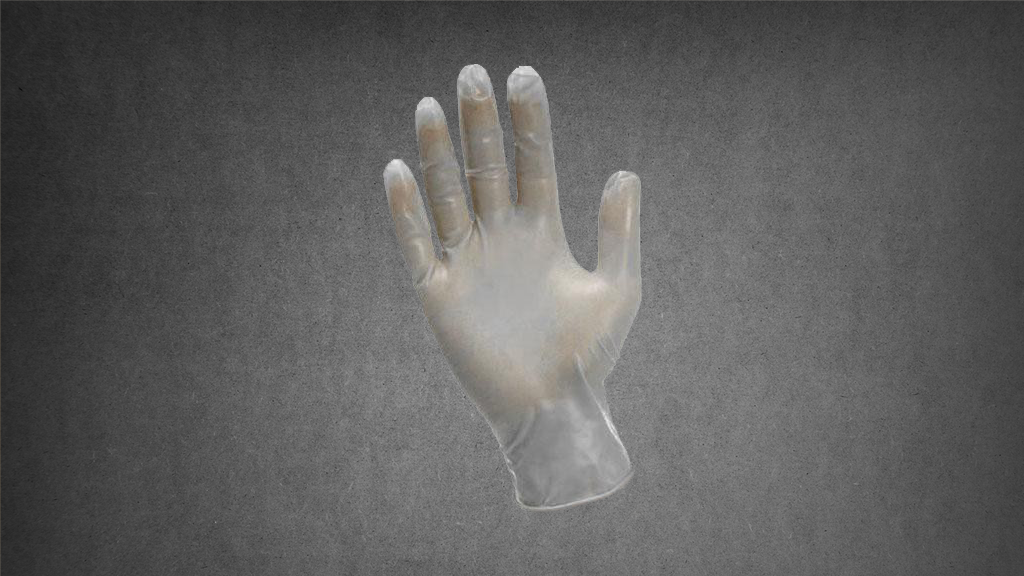
- We suggest wearing some form of powderless gloves when handling your film. Cotton gloves can shed microfibers and cause smudging, so look for powderless vinyl gloves for this purpose. Whether you are inserting your film into a film holder for scanning, a negative carrier for enlarging in a darkroom, or sleeves for storing, gloves make it substantially easier to prevent adding unwanted fingerprints to the film surface.
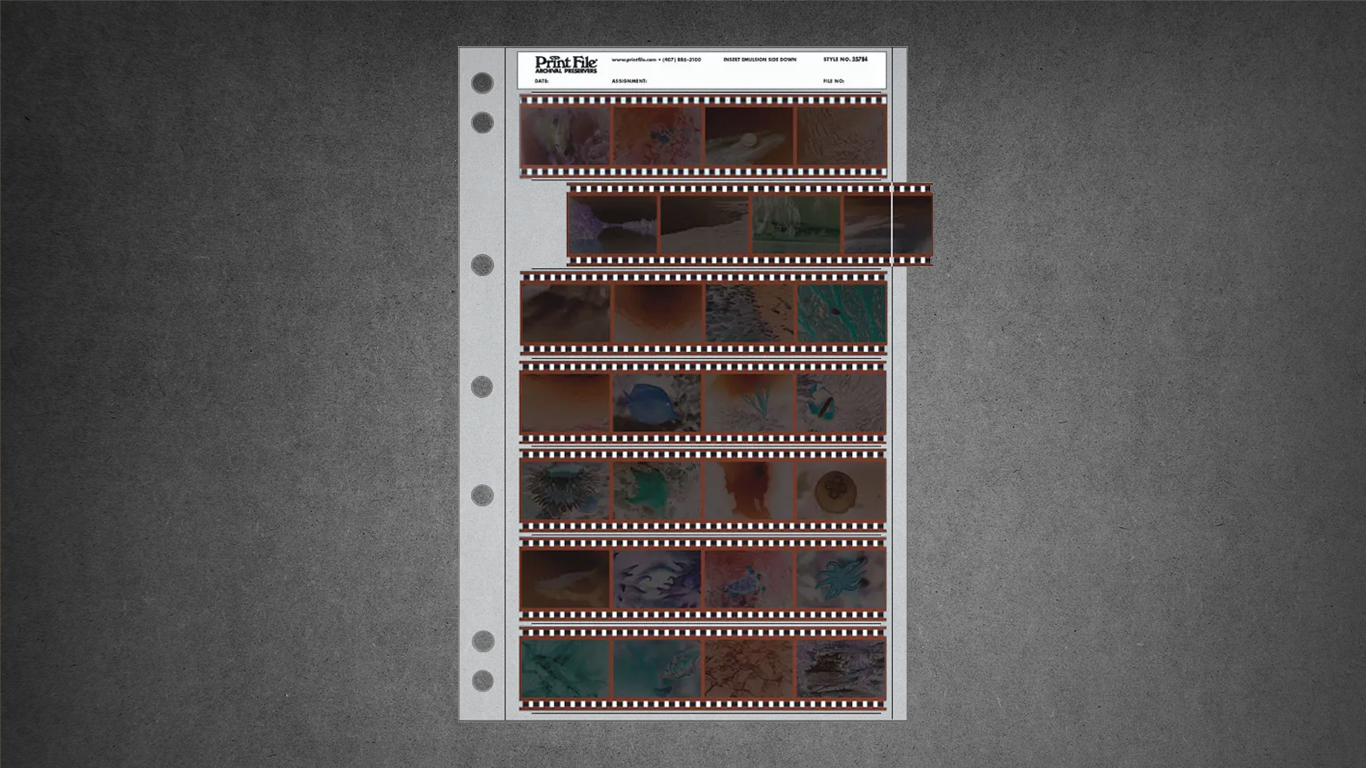
- Speaking of sleeves, negative sleeves (or storage pages) are compulsory for safekeeping film. Available in myriad sizes and able to accommodate nearly any film format and frame count you can imagine, these clear plastic holders safeguard film from dust and scratches when they're being stored in a binder. Just make sure your sleeves are PVC-free prior to using them for long-term storage.
- And speaking of binders, special storage binders are another necessity for housing film within negative sleeves. These three-ring binders are a bit more involved than the binders you used during high school, because they are fully enclosed, constructed from archival materials, and feature security tabs to prevent unwanted elements from entering during storage.
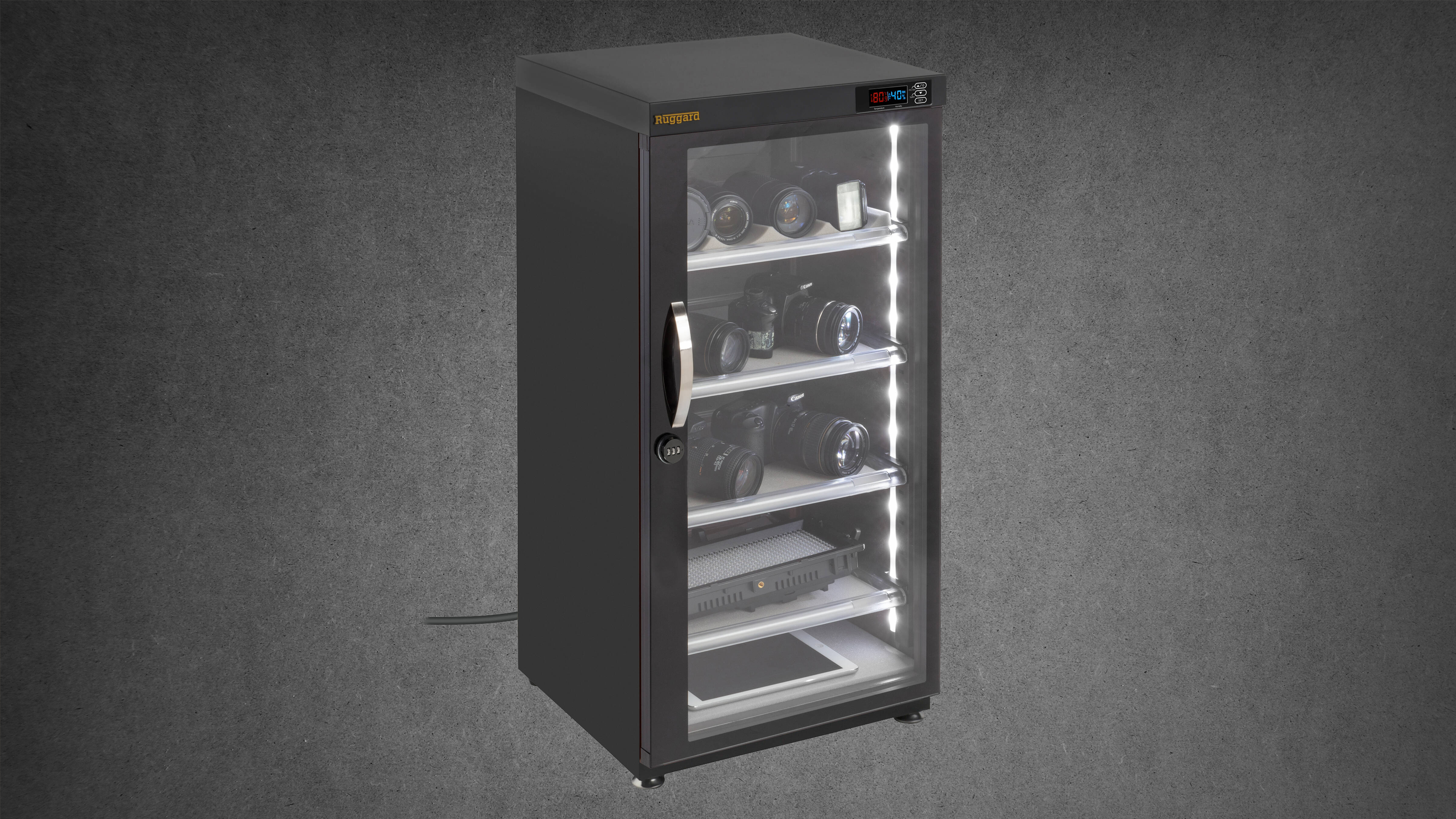
- It's also worth considering the environment in which you're keeping your film binders (and print storage boxes, for that matter). Low humidity and cool temps are preferred over high heat and high humidity, and darkness or subdued light will, of course, be ideal, too. If you live in a climate with high humidity, consider a dry cabinet or dehumidifier if there are no other alternatives, or even dehumidifier packs and desiccant silica gel can work for smaller enclosures. Also, avoid storing film and prints near sources of extreme heat or cold, like radiators, heaters, or air conditioning units.
- Finally, the last tool that is crucial for protecting and preserving your film is a means for keeping it clean in the event dust or other particles find their way onto your negatives (and they will). The author's preferred tool is the distinctly smelling Antistaticum Cloth from Ilford; however, a range of other tools, as well as blowers and canned air, can be used with equal success.
For more information on everything photography, check out B&H's Learn Photography portal. You'll find video tutorials, tips, inspirational articles, and gear reviews. B&H is "The Professional's Source" for learning about photography.
