Search results for: photography tips solutions how to use an infrared filter
About 6 filtered results
by Mathew Malwitz · Posted
As photographers, we are faced with a wide array of lighting conditions, ranging from bright sunlight to dimly lit interiors. Using ambient light as your main source is often preferable; however, in a situation such as an event or portrait where time is of the essence, you will need to know how to properly expose all these varying scenes using both natural and artificial light sources.
Being resourceful with your lighting setups lends greater efficiency, and having a lighting system you can easily move from one situation to the next quickly is

by Cory Rice · Posted
Before computers and digital cameras, lens filters were among the indispensable tools filling every serious photographer’s bag. Fast forward to the present and the first things that come to many minds when they hear the words “photo filter” are overused color profiles and distorted selfies on social media. Today, editing software can simulate the effect of many types of lens filters, reducing the need for photographers to invest in and carry around entire collections of additional glass. However, there are still a number of filters that cannot

by Mary Latvis · Posted
When I’d perform a camera package checkout as a camera assistant, if there was any chance that we’d be shooting outside during the day, guess which filters I would add to the order? Neutral Density filters (aka NDs)! Even if they were not part of the original order, any production office coordinator (P.O.C.) worth their salt would approve this addition by the A.C. Read on to discover why, next to a polarizer, these are the filters most essential to your video shoot.
Shallow depth of field, daylight
ND Basics
Neutral: meaning there’s no

by Todd Vorenkamp · Posted
Many of us have been there. We get into photography and then we start getting more serious about the art, craft, hobby, or profession. Eventually, the “kit lenses” don’t seem to cut it any longer. Regardless of your path through the world of photography, it is likely that you set your gaze on the camera bag of a professional photographer and saved your hard-earned nickels to buy a set of “pro” lenses. Those lenses usually include the triad of f/2.8 aperture zooms covering wide (14-24mm), mid-range (24-70mm), and telephoto (70-200mm) needs.

by Todd Vorenkamp · Posted
The Sun, our source of light and warmth, is a notoriously poor photographic target, due to its extreme brightness and constant emissions of damaging ultraviolet and infrared radiation. However, with the right equipment, the sun can be a challenging and rewarding photographic subject.
The sun, like the moon, is above the horizon and in our skies half of the time. However, unlike the moon, when the sun is above the horizon, it is always visible (unless it is cloudy). The moon progresses through different phases as it orbits our planet, from new
by Bjorn Petersen · Posted
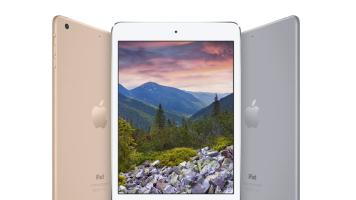
Apple’s iPad, both the iPad Air and iPad mini models, has its obvious appeal and values that make it a go-to tool for numerous situations. Its wide-ranging functionality and general all-around utility make it an ideal component of almost anyone’s daily life. Sometimes its values lie in the realms of luxury, whereas other times it is an incredibly useful asset that can boost productivity more than any other technological component can. In the hands of a photographer,