Search results for: photography tips solutions using nd filters outdoor photography
About 8 filtered results
by Mathew Malwitz · Posted
For macro photographers, having the right gear is essential. Magnification and lighting are key, but you don’t necessarily need the biggest, priciest macro lenses out there to get close-up shots. If you’re a macro photographer yourself or buying a gift for one, we have some excellent recommendations for every budget.
Gifts Under $50
1. Close-up macro filters (like this Macro Lens

by Allan Weitz · Posted
If wanderlust is starting to get the best of you, consider upgrading your camera gear before heading out on your next outdoor adventure.
1. Clean Your Gear
Your first order of business should be to make sure your camera bodies and lenses are clean and in proper working order. To learn more about cleaning and optimizing the performance of your cameras, camera sensors, lenses, and other photo essentials, refer to the tips I offer in

by Todd Vorenkamp · Posted
When most of us think of “sports photography,” we immediately think of iconic images from the world of land-based sports—American football, track and field, boxing, baseball, and others. One could argue, however, that yacht racing and sailing regattas provide the canvas for some of the most spectacular images in all of sports. And, if you have spent time around the water, seen the framed print on the wall of my physical therapist’s office, or flipped through the pages of any sailing magazine, you might have noticed that professional sailboat

by Bjorn Petersen · Posted
There is a lot of talk about lighting and photography, and specifically how learning to use light can make you a better photographer. This is true, of course, but is also a notion that’s more often applied to working with artificial lighting, such as for portraits or products, where you can work in a studio with a strobe or LED to fine-tune how your shot looks. When it comes to landscapes, on the other hand, most likely you won’t have the ability to or just won’t want to use artificial lighting for your scenic shots. This is part of the

by Jill Waterman · Posted
Each autumn, as the days get shorter and the weather cools, chlorophyll production slows in hardwood trees and bushes, causing leaves to lose the vibrant green of summer. As these conditions overtake the map, nature puts on a brilliant show of color in many parts of the United States. The changing of the leaves follows a rough pathway from north to south, starting in early September and often lasting into November in southern locales.
Above photograph: Colorado Gold, Maroon Bells Scenic Area © Bryan Carnathan
Fall foliage season is a big draw

by Bjorn Petersen · Posted
As wintertime approaches and temperatures begin to drop, certain precautions and preparations should be taken in to improve your photographing experience during this most beautiful time of the year. Wintertime provides a unique opportunity to photograph your surroundings, either nearby or whilst traveling, in a manner unlike any other time of the year.
The quality of light and activities taking place during this season are undeniably special, as are the weather-related conditions that bring an extra challenge to your everyday shooting. Unlike
by Dawn Wayand · Posted
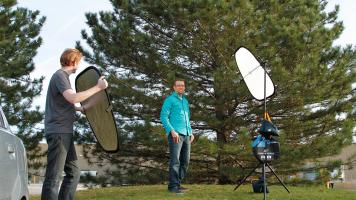
Generally, photographers are taught to shoot in the early morning hours, or around the “Golden Hour” (sunset/twilight hour) for the best light, because the light of midday afternoon is too harsh or too bright for making well-balanced exposures. However, if we were limited to just those nominal number of hours per day to capture a photo, we would miss many opportunities for great photos and decisive moments.


by Allan Weitz · Posted
As a working photographer, the center of the universe is your camera bag and its contents. Your cameras and lenses are the tools of your trade. As you may have noted, both are mentioned in plural because just as you wouldn’t jump out of an airplane without a backup parachute, you shouldn’t attempt to photograph an emotionally spiked, non-repeatable event armed with only one camera. The same applies to lenses, too. The many aspects that comprise shooting weddings—portraits, the ceremony, dimly lit environs, tight, crowded quarters and bright