
For macro photographers, having the right gear is essential. Magnification and lighting are key, but you don’t necessarily need the biggest, priciest macro lenses out there to get close-up shots. If you’re a macro photographer yourself or buying a gift for one, we have some excellent recommendations for every budget.
Gifts Under $50
1. Close-up macro filters (like this Macro Lens Kit from Vivitar) are a great way of getting close-up images on a budget. Whether the photographer in your life is thinking of dabbling in the world of macro or you’re simply looking for a fun gift to give them a creative spark, these are a fun, low-profile item that fit in any photographer’s kit.
2. UV filters protect the front of a lens from scratches and small impacts. When photographing close to the subject as one does when shooting macro, lenses are higher risk for scratches or smudges. On the off chance you inadvertently scratch the filter while cleaning it, you simply get a new filter. Better than scratching your expensive lens.
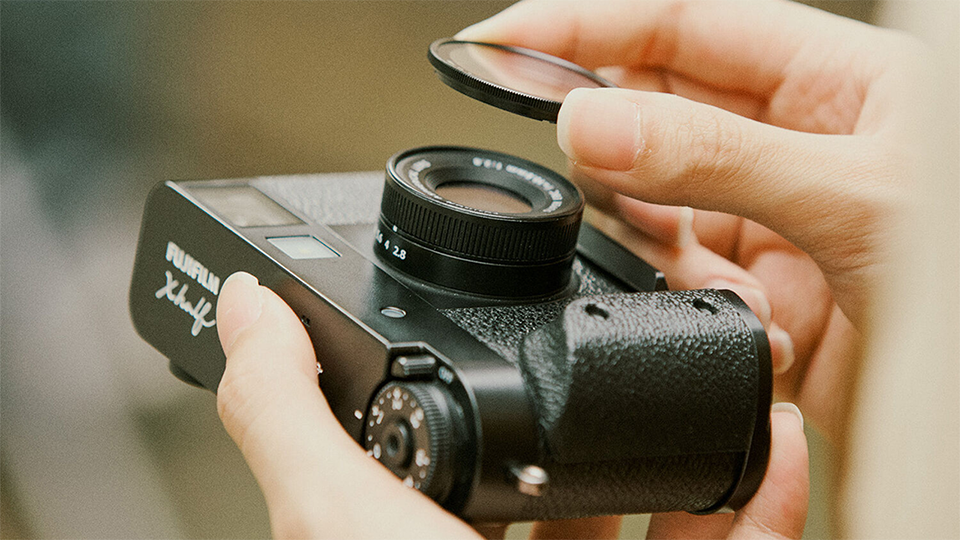
3. Circular polarizers (or “CPL” filters) are designed to reduce reflections, glare, and haze. They have the added benefit of making blue skies look bluer, and by controlling reflections and haze, can make all colors a bit more vibrant.
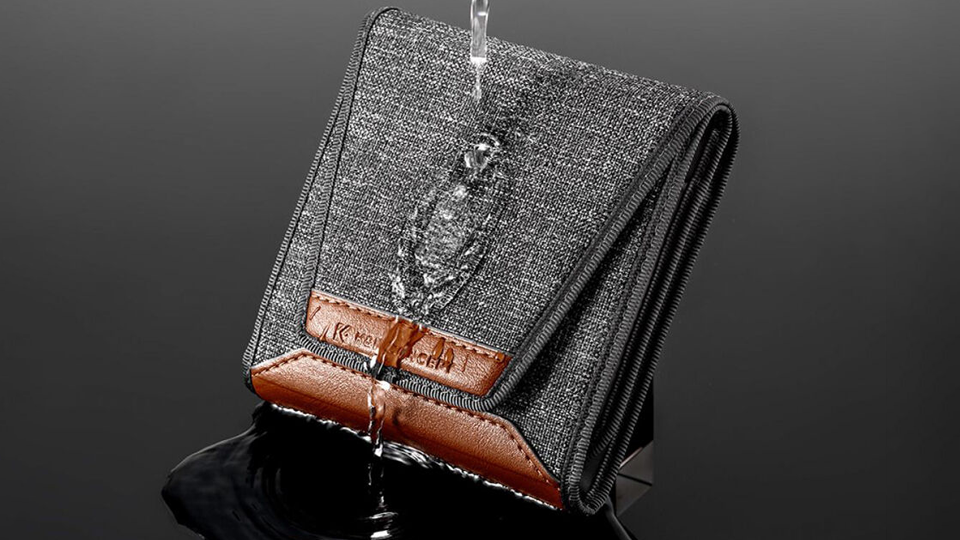
4. With all these filters accumulating, it would be nice to have a place to store them when not in use. A filter pouch keeps filters in one place and safe from harm. Some are padded while others feature a hard, shockproof design.
5. Books are always a fun gift. A macro guide like Cyrill Harnischmacher’s The Complete Guide to Macro and Close-Up Photography is an excellent choice. Flash is an essential tool for macro work, and it’s one of the most intimidating and misunderstood areas of photography, so a book on the topic will be well appreciated. Understanding Flash Photography by Bryan Peterson teaches you not only how to take flash photos, but how to fully understand it so you can shoot with confidence.
6. Multi-tools are a photographer’s best friend which tightens and secures your gear at home and in the field. The SmallRig Foldable Multi-Tool is low profile and features seven screw drivers and hex wrenches. It fits in your pocket and even the smallest of pouches in any camera bag.

7. A UV filter may protect your sensitive optical glass from scratches, but it won’t keep the dirt and grime of everyday use away. Having a lens cleaning kit on hand is always a wise choice, especially when working outdoors. The Zeiss Lens Cleaning Kit comes packed with a great assortment of both wet and dry cleaning tools for both quick and intensive jobs.
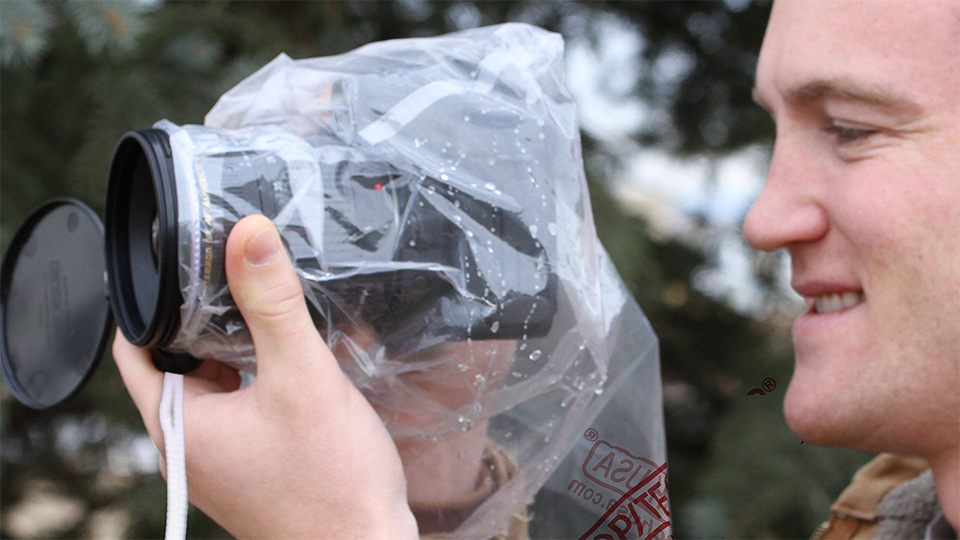
8. Rain can bring out some of the most vibrant colors in our images, so we shouldn’t let a little wet weather keep us inside. Rain covers deflect the elements while keeping your camera accessible. OP/TECH's simple rain covers are affordable and reliable, working well to keep rain, snow, and sand away from your precious camera.
9. Reversing rings are another affordable and low-profile way to dip your toes into the world of macro photography. This adapter works by reversing a normal lens on the mount to enable macro-level focusing. By doing so you do lose some functionality such as autofocus, but with little practice, this is a useful tool for capturing close-up images. In the same vein as reversing rings, there are macro couplers. These allow the user to face two lenses together, enabling quality macro shots.
10. Reflectors and diffusers can be used to shape, soften, and fill natural light as it falls upon your subject. For maximum versatility, Westcott’s Illuminator Collapsible 5-in-1 Reflector offers full-stop diffuser, white reflector, silver reflector, sunlight reflector, and a black block. You don’t need a giant size either. A 20” reflector is more than enough for macro work thanks to the smaller subject matter.
Gifts Under $100
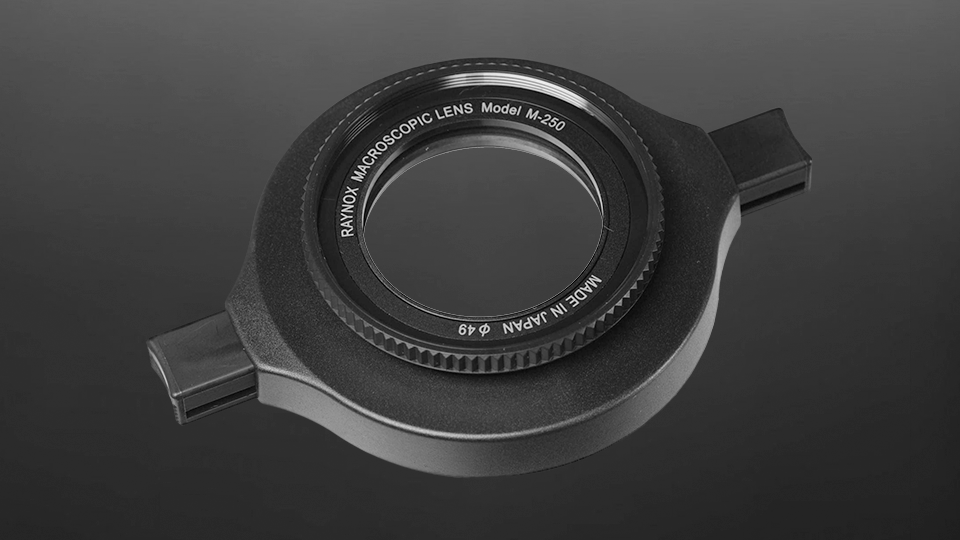
1. The Raynox DCR-250 2.5x Super Macro Lens is an attachment that snaps on to the front of any macro lens with a filter thread of 52mm to 67mm. It increases the magnification of these lenses up to 2.5x as compared to the 1x many 100mm macros deliver on their own.
2. Turn any lens into a macro lens with an extension tube, which allows you to focus closer than your lens’s typical minimum focus distance. Extension tubes are a great way to shoot macro on budget and can help limit the number of lenses you’re lugging around.
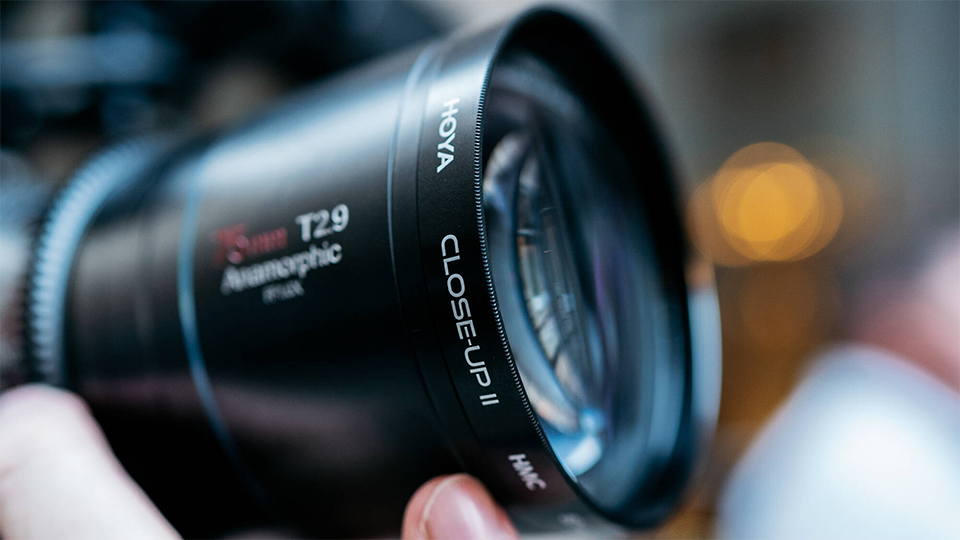
3. Higher-end filters go hand in hand with higher-end lenses. Close-up lens filters (like the Hoya HMC Close-Up Filter Set II) are a logical choice if the recipient has already begun upgrading their glass. They deliver superior clarity and feature similar anti-reflective coatings to those found on the lenses themselves for improved contrast.
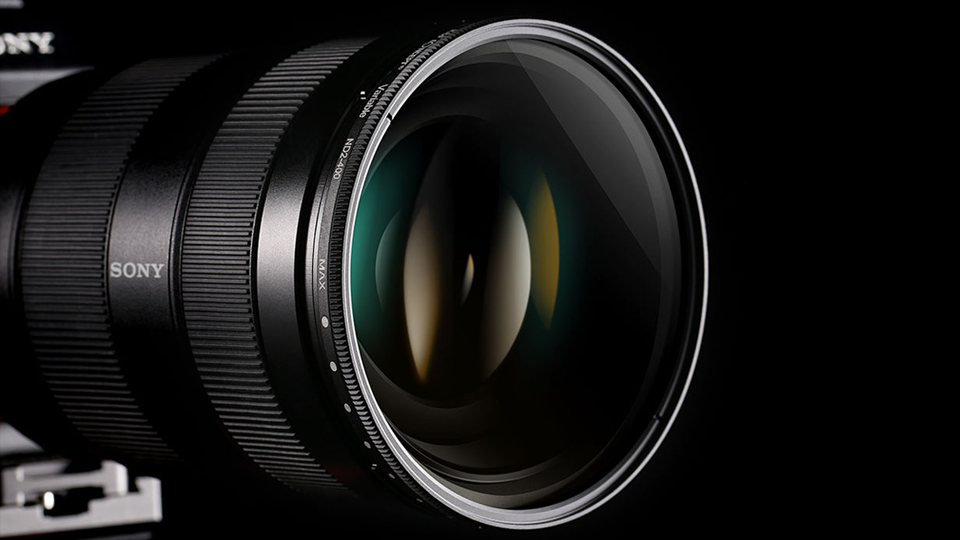
4. When shooting in bright, midday light, it can be challenging to get the exposures we want. A variable ND filter provides an adjustable light reduction solution. These darken the entire image, allowing the photographer to shoot at a wider aperture or a slower shutter speed without overexposing their image.
5. The Wimberley Plamp II is an invaluable and oft-forgotten tool for positioning and/or stabilizing objects. The fine, foam-lined thumbscrew is suited well for clamping flowers, reflectors, and other small objects. The large base clamps can be attached directly to your tripod or a dedicated light stand. It’s worth noting that the Plamp has a maximum load of just 8 oz, but this is perfectly fine for delicate plants and flowers.
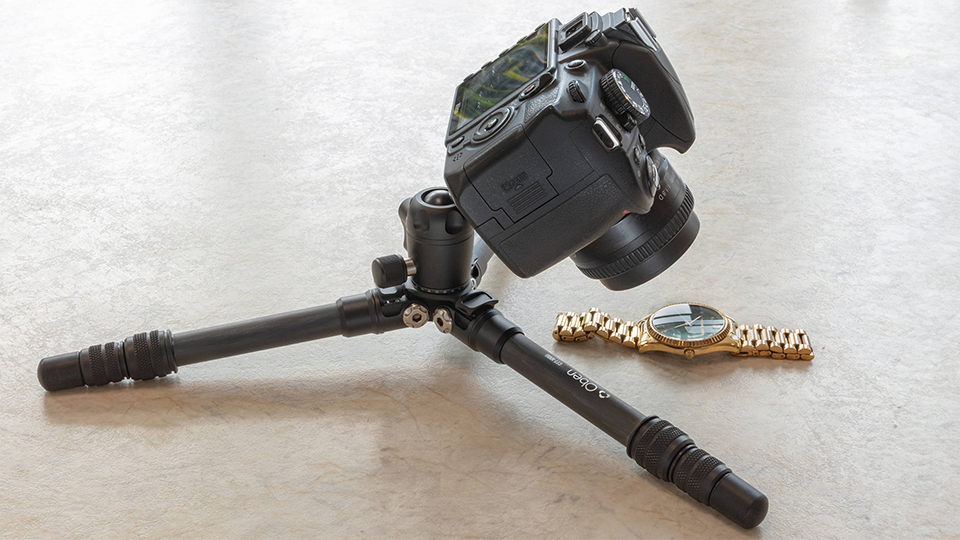
6. A mini tripod is ideal for tabletop studio shooting and even some outdoor applications. The VT-20 by SmallRig is able to support up 13 lb, meaning it can even hold full-frame mirrorless cameras. It can be reverse folded for compact storage or transport and features a carabiner-type ballast hook to aid in weighing it down with heavier loads atop. It features an Arca-Type ball head, which it shares with many tripod heads, both mini and full-sized, so you can use one tripod plate across platforms.
7. As stated, flash is an essential tool for macro work. Lighting can bring out additional detail, fill shadows, and even freeze motion. A mini TTL flash (like the Godox TT350S Mini Thinklite TTL Flash) is a great gateway into the world of photo lighting and will improve the quality of light over a camera’s built-in flash unit. To alter the light beyond internal settings, speedlights can be paired with modifiers like the Vello Mini Softbox for softer, diffuse light.
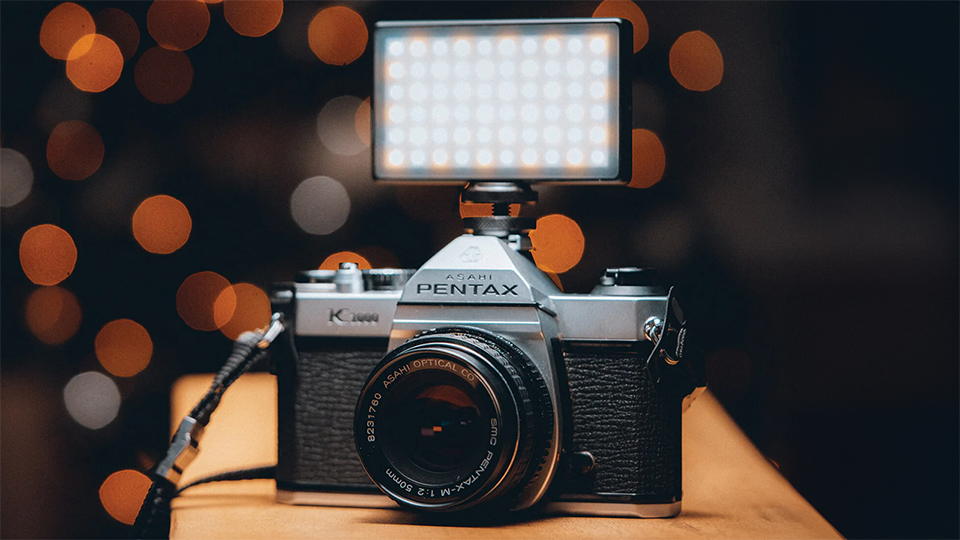
8. If flash is too involved, a constant LED light can suffice. While not as powerful as speedlight, an LED on-camera light panel—like the Lume Cube Panel Mini—can provide additional light in an image. A benefit of a constant light is the ability to see how the light alters our image before we take it. There’s no guesswork here.
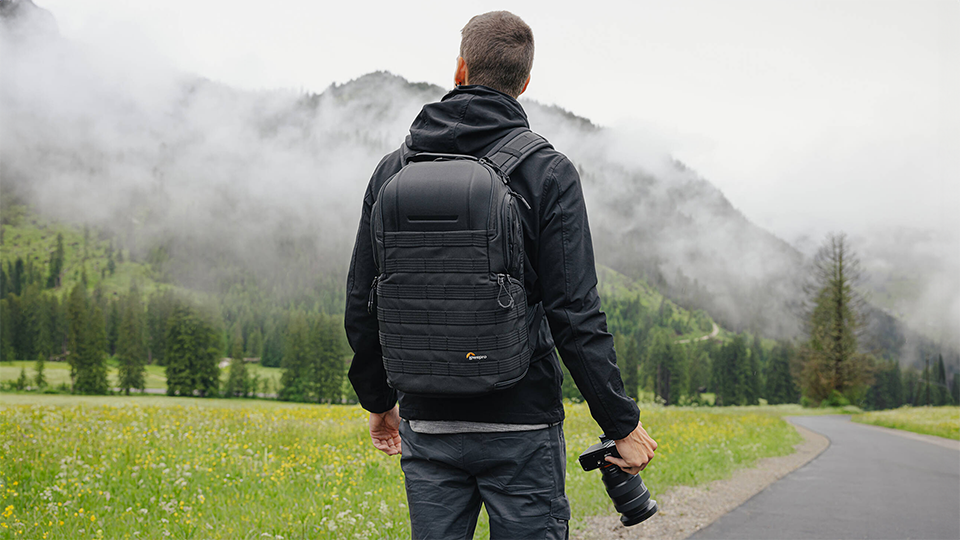
9. Bags and backpacks are essential for getting your gear around or just storing it. A good backpack should fit all the gear a photographer needs, and if you plan on expanding your arsenal, have some extra room. The exact design and features of a backpack will depend greatly on the photographer’s intended usage. Some are designed for more outdoorsy uses while others are sleeker and similar to a typical work or school bag.
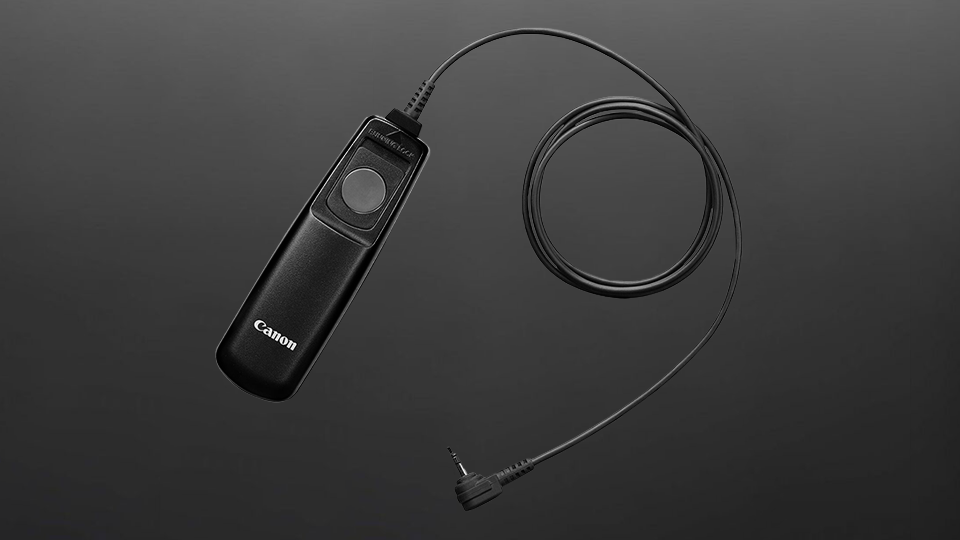
10. A remote shutter release allows the user to trigger their camera’s shutter without touching and accidentally shaking their camera. When working in such a detail-rich genre, any shake or vibration can ruin a shot. While most modern cameras feature a built-in timer, this costs the user precious time, and when working with insects or any moving subject matter, time is not on our side.
Gifts Over $100
1. Circular polarizers … again? Yes, we’re talking about CPL filters again, and that’s a result of there being various grades of filters. Just as there are high- and low-end lenses, there are high- and low-end filters. Lenses with greater image quality require higher-end filters to maintain that quality, and photographers using such gear tend to use it in tougher conditions.
2. If it isn’t clear yet, good lighting is key to capturing bright, sharp images. We’ve covered small TTL flash units and constant LEDs, but now it’s time we address full-sized flash units. A flash or “speedlight” is the traditional and most effective way of adding light to our images. These are powerful light sources and come in a variety of shapes and sizes. Round flash heads are quite popular now, as they provide an even light spread.
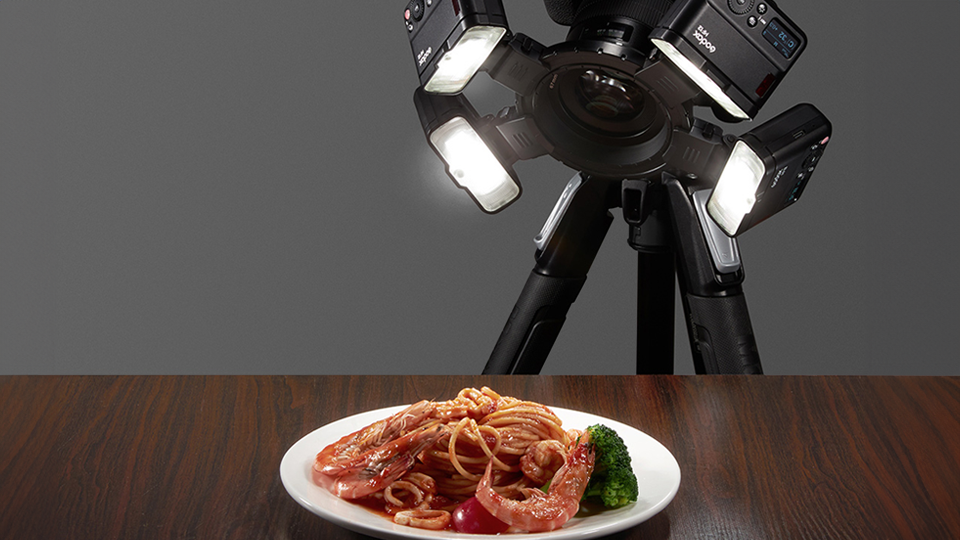
3. For smaller subject matter and a more compact rig, dedicated macro lighting is the preferred choice of flash unit. The GODOX MF-12 system features two or more lights that can be mounted around the front of your lens for a more direct light source cast on smaller subjects like insects. Having two lights angled inward creates wraparound lighting for better depth and mimic the look of natural lighting.
4. Many macro lenses require focusing to be done manually or even by moving the camera forward and back. A macro focusing rail—like the NiSi Macro Focusing Rail—mounts on a tripod and features a geared or threaded mechanism that allows the user to finely adjust the position of the camera by turning a knob or crank.
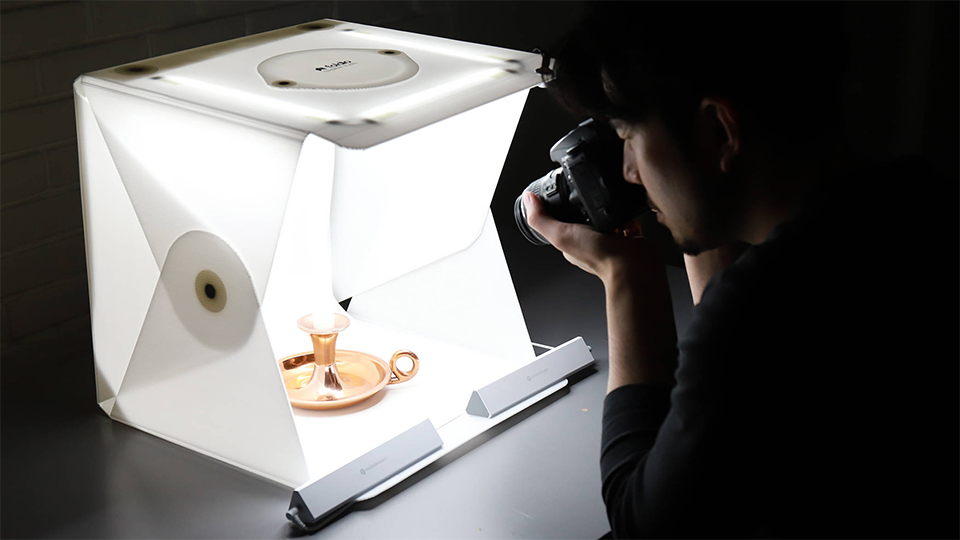
5. For more controlled at-home/studio shooting, an LED light tent can provide a bright contained space. The daylight balanced LED lights can be dimmed as needed, and an included diffuser can be equipped for a softer light source. Many of these tents come packaged with white, black, gray and occasionally blue or green inserts for a variety of backdrops. How do you insert these? The entire tent is collapsible into a near flat package that can be easily stored when not in use.
6. A good sturdy tripod is worth spending a little extra on. Macro photography requires time and precision, so a stabile base is a must have to get the best results. Tripods like the Gitzo GT2545T Traveler are among the most durable options available today. Weighing just 2.95 lb, this 4-section tripod is perfect for travel or hiking, plus it can support up to 26 lb for some of the heaviest interchangeable lens cameras. The Arca-type ball head is just 1.1 lb and features a specialized tungsten disulfide coating to keep the ball movement smooth while minimizing slippage.
7. As you can probably tell by now, precise focusing is of utmost importance to the macro photography. One unconventional way for a photographer to get there is by using tools from the video world. A follow-focus unit—like the SmallRig F40 mini Follow Focus—can double as a macro focus assist. This will require an adapter for a 15mm rod system, but SmallRig offers solutions that can be mounted to the bottom of the camera or onto one of their cage systems.
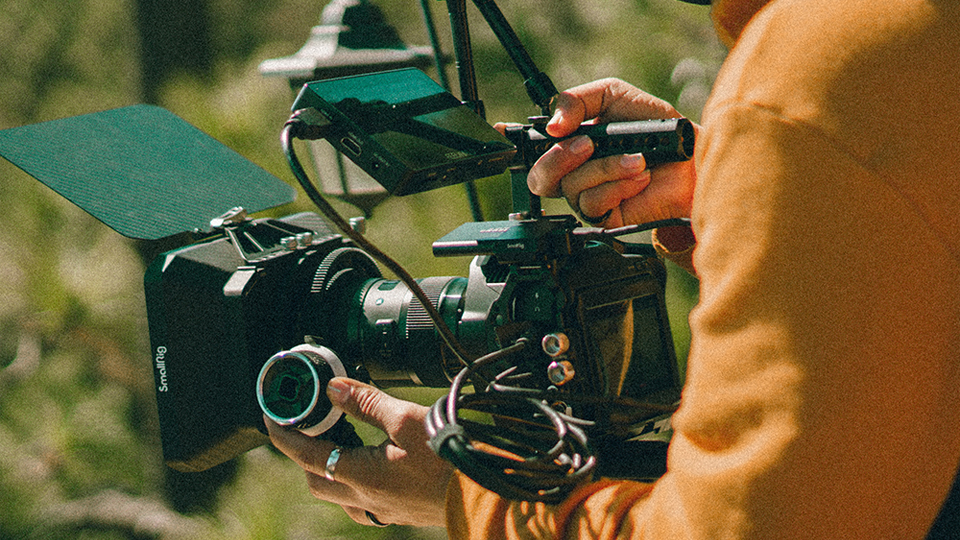
8. Similar to a focusing rail system, bellows allow photographers to precisely focus on close-up objects. The difference begins with the simple fact that bellows sit between the camera and lens. Bellows allow photographers to move the lens farther away from the camera to capture extremely close views. Adjustments are smooth, and a printed scale helps ensure consistent settings.
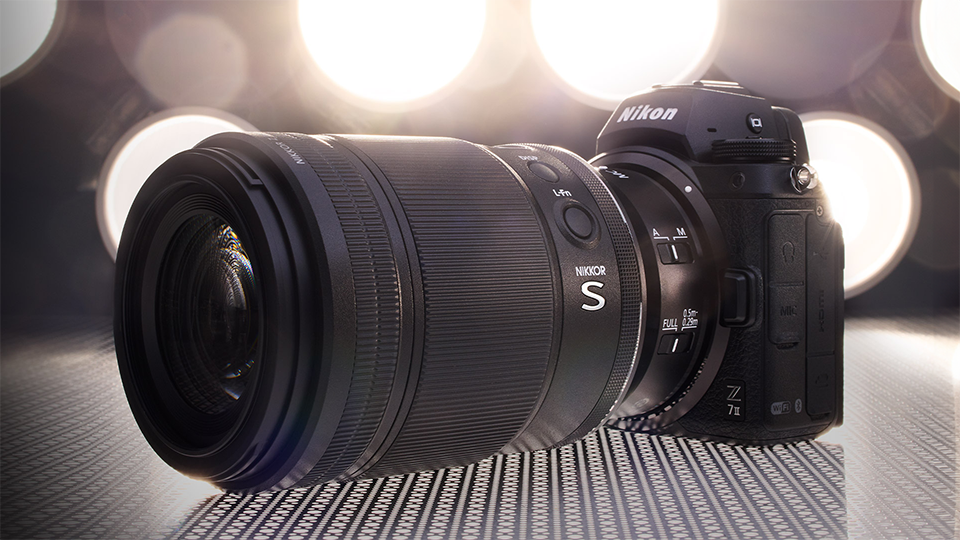
9. Now this one is quite obvious. But a macro lens makes for a great gift. Of course, you may need to do some fishing and find out if there’s a lens the recipient desires or even what camera system they use. Popular macro lenses like the Nikon Z MC 105mm f/2.8 VR S deliver great magnification and a robust build quality ready to handle whatever a photographer can throw at them. These lenses can be combined with other items on the list like the Raynox 2.5x lens for even greater magnification!
10. Once the images are taken, photographers head to the “studio” to add the finishing touches. Post-processing software allows the photographer to make minor or more drastic adjustments and edits to their images. From simple color and contrast changes to removing distracting elements entirely. There is a lot of software available for most budgets and workflows via subscription services and one-time purchases.
We hope this guide has helped you find the right gift for the macro photographer in your life, whether it be yourself, a friend, or a loved one. There may be some great pieces of gear we missed, but there are simply too many items to list everything here. For more information on macro gear as well as tips and news on all thing photography, check out the B&H Explora site.
