Search results for: video tips solutions timecode explained
About 3 filtered results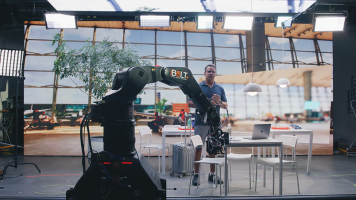
by Zack Young · Posted
On-set virtual production (OSVP) is the real-time mixing of live-action footage with computer-generated imagery to create amazing in-camera visual effects (ICVFX). These days, most OSVP happens on a volume, a studio space with seamless LED panels (or cabinets, as they’re known in OSVP) grouped together to display rendered images that are then captured live in-camera alongside human talent. These cabinet configurations can be as simple as a flat backdrop stacked from the ground up, and as complicated as a full curved 360° wrap hung from trusses

Posted
Doug discusses more advanced concepts to help deepen your understanding of frame rates. Both editors and videographers will find this video useful, since it will allow them to work in better tandem. We'll cover timecode basics, fractional frame rates (such as 29.97 fps and 23.98 fps), variable frame rates, and more.
0:00 - In This Video
0:39 - Timecode & Drop-Frames
5:36 - Variable Frame Rates
7:02 - Interlaced Video
10:34 - Telecine & Pulldown
12:47 - Mismatched Frame Rates & Refresh Rates
14:54 - Practical Tips

by Steven Gladstone · Posted
One of the more often overlooked production steps, especially in the digital age, is proper slating technique. It is easy to understand why: banging a slate seems to belong to a bygone era, something relevant only to productions shooting on film, and in today’s rapid-fire production environment with directors rolling endlessly on multiple takes or wanting to shoot without alerting the actors that they are being recorded, slating has become something seen as more of a hindrance than a help.
"The primary purpose of slating is to identify