Gossen

Nowadays, making a proper exposure with your digital camera is simple and straightforward: set your camera to A, S, or P and let the camera do the work. It’ll work most of the time and, in those instances where it doesn’t, you might pull out an external meter for a bit more precision. In all of these cases, you always have the rear LCD to double-check your shots if you’re unsure and, for the fanatical, you can even use a live-exposure histogram while shooting. When you’re using film, however, the luxury of being able to check your exposure by

by Sam Mallery and Nicholas Messitte ·Posted
Nowadays, many people are using portable digital recorders like the Zoom H4n, Zoom H6, or Tascam DR-40X to record the audio during video shoots with DSLR/mirrorless cameras. Now you need some real-world advice about using this
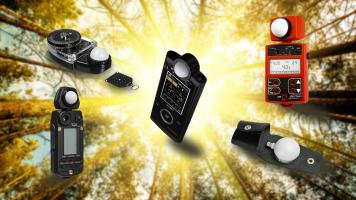
Almost every camera sold at B&H contains a light meter designed to calculate extremely accurate exposure readings, typically with a choice of Spot, Average, and Segmented metering modes. Good as they are, handheld light meters still have the upper hand when it comes to analyzing light.
For starters, the meter in your camera only reads reflected ambient light. If you’d prefer to take an incident reading, i.e., measure the light falling onto you subject rather than reflecting off your subject, you can’t do it without having to add

As a working photographer, the center of the universe is your camera bag and its contents. Your cameras and lenses are the tools of your trade. As you may have noted, both are mentioned in plural because just as you wouldn’t jump out of an airplane without a backup parachute, you shouldn’t attempt to photograph an emotionally spiked, non-repeatable event armed with only one camera. The same applies to lenses, too. The many aspects that comprise shooting weddings—portraits, the ceremony, dimly lit environs, tight, crowded quarters and bright