
While it does present its own unique set of challenges and opportunities, flying your drone at night isn’t all that dissimilar from flying it during the day. In this guide, we’ll cover everything you need to know about operating your drone at night, including the mandatory equipment and all of the pertinent rules and regulations.
Is It Legal to Fly Your Drone at Night?
According to the FAA, you are legally allowed to fly your drone at night—so long as your aircraft is equipped with the appropriate anti-collision lighting equipment. This applies to both Part 107-licensed (i.e., commercial) and recreational pilots.
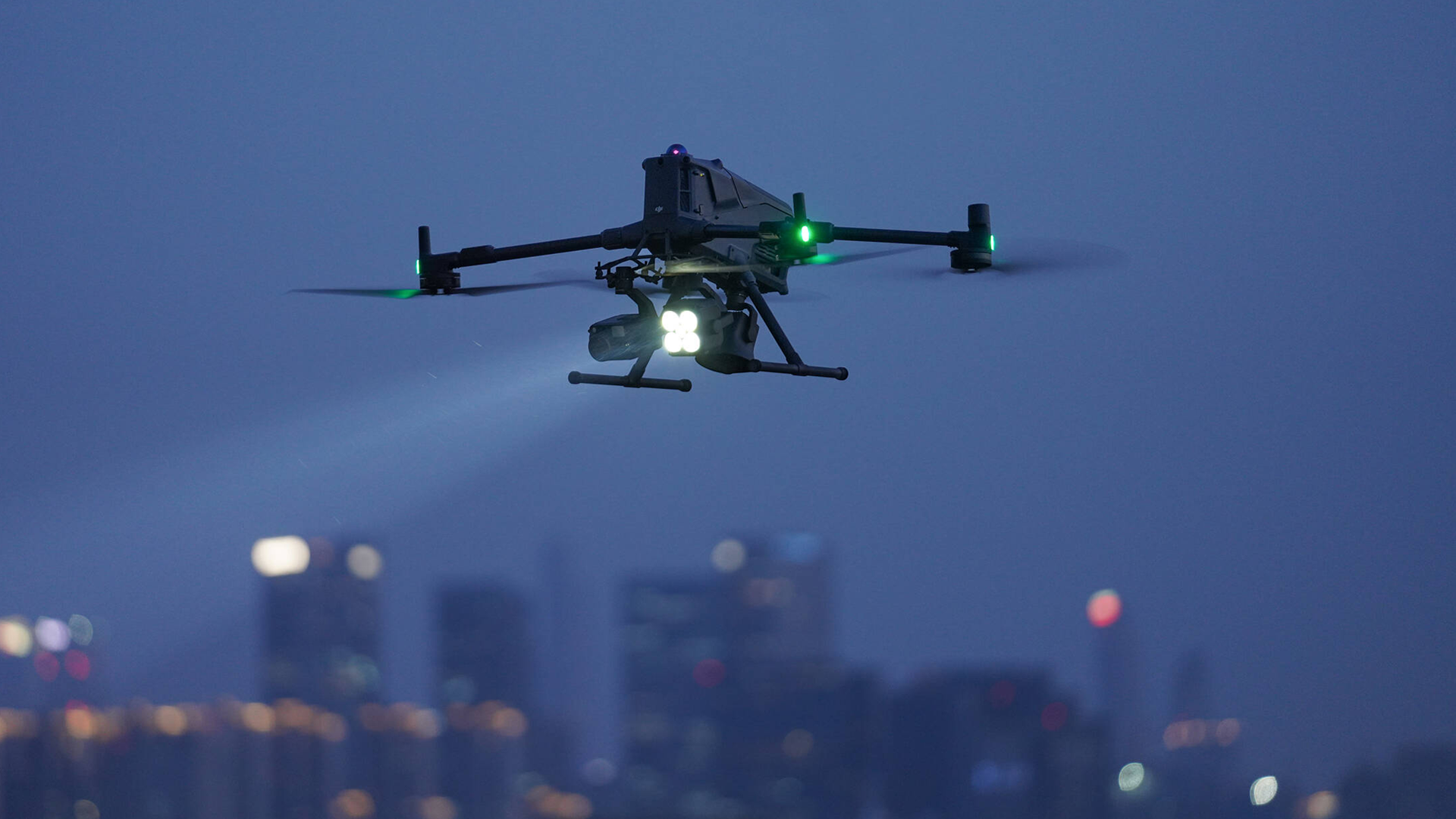
For years, legally operating a drone at night meant commercial pilots had to apply for a special waiver from the FAA. That changed in 2021, when the FAA updated Part 107 to include rules for nighttime operation, allowing commercial pilots to legally fly at night without a waiver.
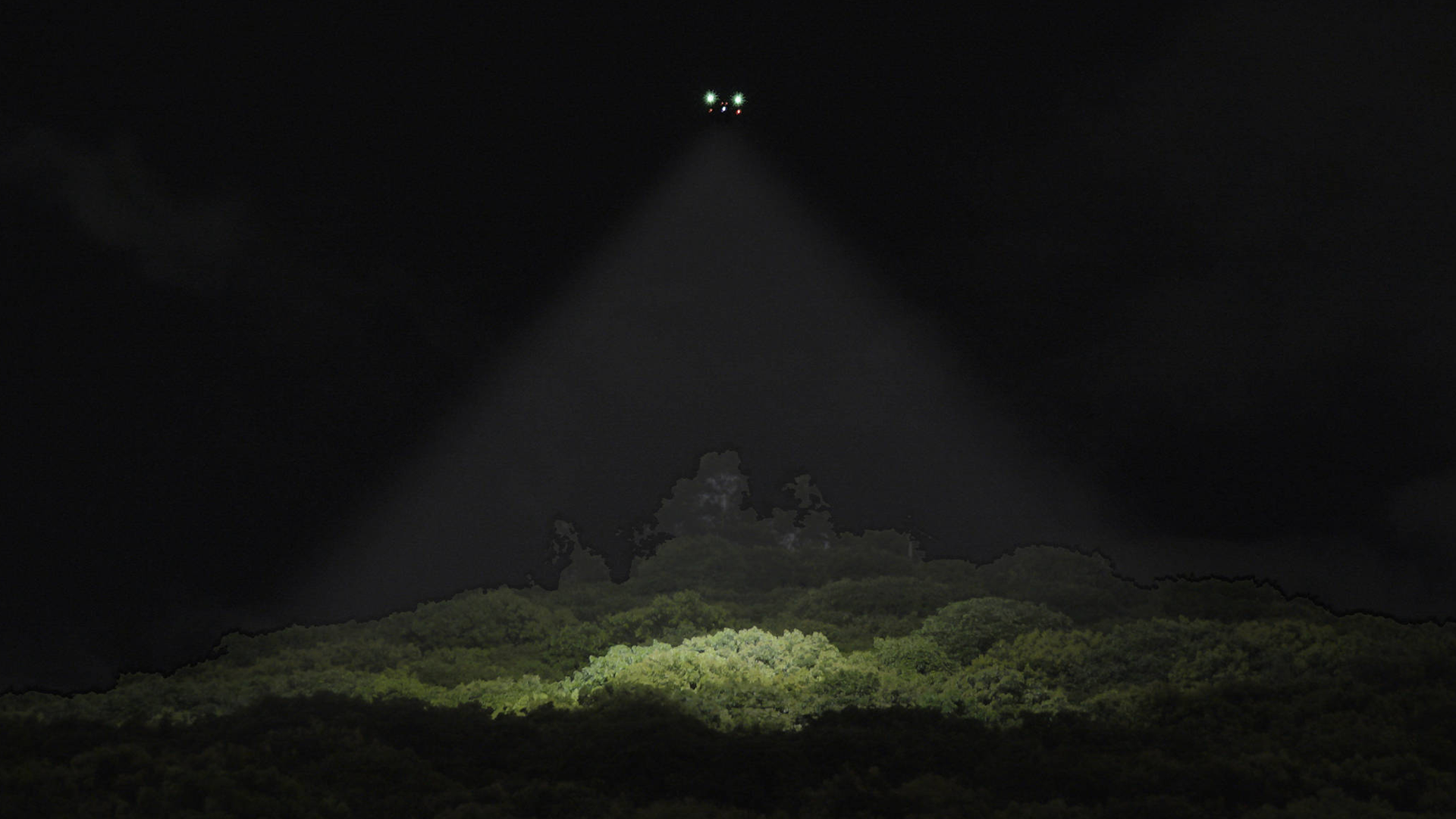
However, just because a waiver is no longer required for nighttime operation, that doesn’t mean commercial pilots are off the hook as far as rules go. Commercial pilots are still required to every single rule listed in Part 107, including the following rules for nighttime operation:
-
You must complete the requisite knowledge test or training, as applicable, after April 6, 2021. If you were certified and/or received a certificate of waiver for nighttime operation prior to this date, you must complete the FAA’s online recurrent training course before flying at night.
-
Your drone must be equipped with anti-collision lighting that is visible for at least three statute miles and has a flash rate sufficient to avoid collision.
-
You (or your visual observer) must maintain unaided visual line of sight (VLOS) of your drone at all times.
-
Remote ID must be compliant and active.

Recreational pilots must also continue to follow all general safety rules (e.g., keeping your drone within visual line of sight, avoiding restricted airspace, etc.) and abide by the safety guidelines of an FAA-recognized Community-Based Organization (CBO) when operating a drone at night.
How Does the FAA Define Night?
According to the FAA, the night doesn’t start until 30 minutes after official sunset and ends 30 minutes before official sunrise. The periods in between day and night are considered civil twilight—except in Alaska, where civil twilight is determined by the Air Almanac. The same rules and regulations that apply to nighttime flying (e.g., anti-collision lighting) also apply to operation during civil twilight.

What Equipment Do You Need to Fly Your Drone at Night?
Per FAA regulations, to operate a drone at night, your aircraft must be equipped with anti-collision lights that satisfy the following conditions:
-
Visibility: Anti-collision lighting must be “visible for at least three statute miles” in every direction. Keep this in mind when choosing the mounting location of your ant-collision lights—you need full 360-degree coverage.
-
Pattern: Anti-collision lighting must exhibit a flash pattern. Solid lights, continuous glow strips, and any other non-flashing lights do not qualify as non-collision lights.
-
Intensity: According to the FAA, the flash rate of anti-collision lighting must be “sufficient to avoid a collision.” That language isn’t very specific, so use your best judgement when choosing anti-collision lighting.
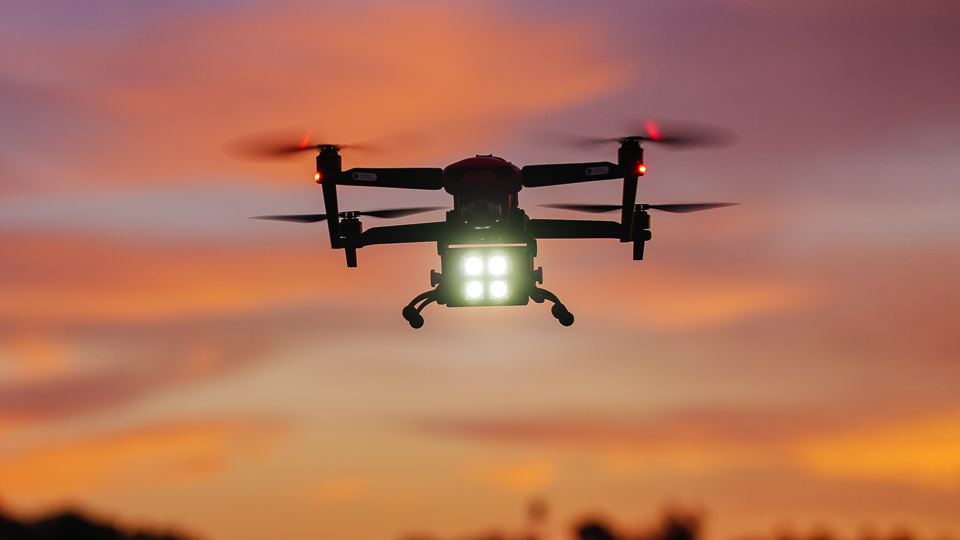
If you’re unsure whether meet FAA requirements, check the product description page. Most manufacturers will detail whether a light is FAA-approved or not. For example, both Lume Cube and FoxFury typically advertise their products as compliant.
Final Thoughts
Regardless of whether you’re a commercial or recreational pilot, flying your drone at night isn’t all that dissimilar from daytime operation. As far as rules go, the biggest difference is the mandatory anti-collision lighting equipment requirement for both nighttime and civil twilight operation. Equip your drone with FAA-compliant anti-collision lighting equipment and continue to observe all applicable rules and regulations and you’ll be able to legally operate your drone at night.
