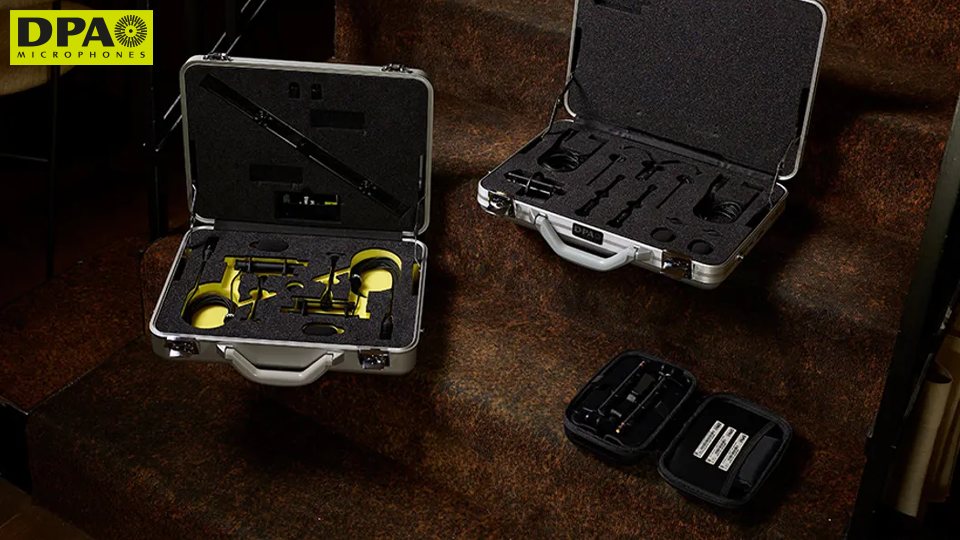
Since its founding in 1992, DPA Microphones has gained a prestigious reputation in the audio industry for their mics' exceptional quality, crystalline transparency, and rugged and reliable build quality. And while DPA's microphones have found their way onto the stage with Beyonce, onto the sets of Game of Thrones, and into the concert halls of the world's greatest orchestras, what's perhaps most impactful to our world is the contributions they've made to the scientific community: DPA's microphones have enabled advancements in medicine, audiology, ecology, anthropology/ethology, and even space exploration.
It's easy to forget that the societal beneficence afforded by recording technology extends far beyond the music and entertainment industry. This article will spotlight the various ways that DPA's microphones have contributed to momentous occasions and remarkable accomplishments, fueling the continuous progress of science, medicine, and verisimilitude of virtual experience.
The Beginnings of DPA Microphones
DPA Microphones is an offshoot of Brüel & Kjær, once the leading manufacturer of high-level professional acoustic testing equipment responsible for, among other things, recording the launch of the Saturn V Rocket during NASA's Apollo 13 mission. When the company shuttered its audio department in 1992, two former employees—Ole Brøsted Sørensen and Morten Støve—founded their own microphone business, leveraging the technical development knowledge and fabrication facilities of their former company to develop and manufacture their own high-end microphones—this time zeroing in on recording and broadcasting rather than scientific measurement.
The pair quickly found success with the release of the DPA 4006 omni microphone (based off the design of B&K's 4133 measurement microphone), a mic that garners superlative admiration to this day. In 1995, DPA Microphones collaborated with the hearing aid manufacturer Muphone (originally DanaBallerina) to create the 4060 series of miniature lavalier microphones, now one of the leading industry standard mics for Broadway musical productions, theater, and live performances. This success led to the merging of the two companies in 2005, creating the DPA we know today.

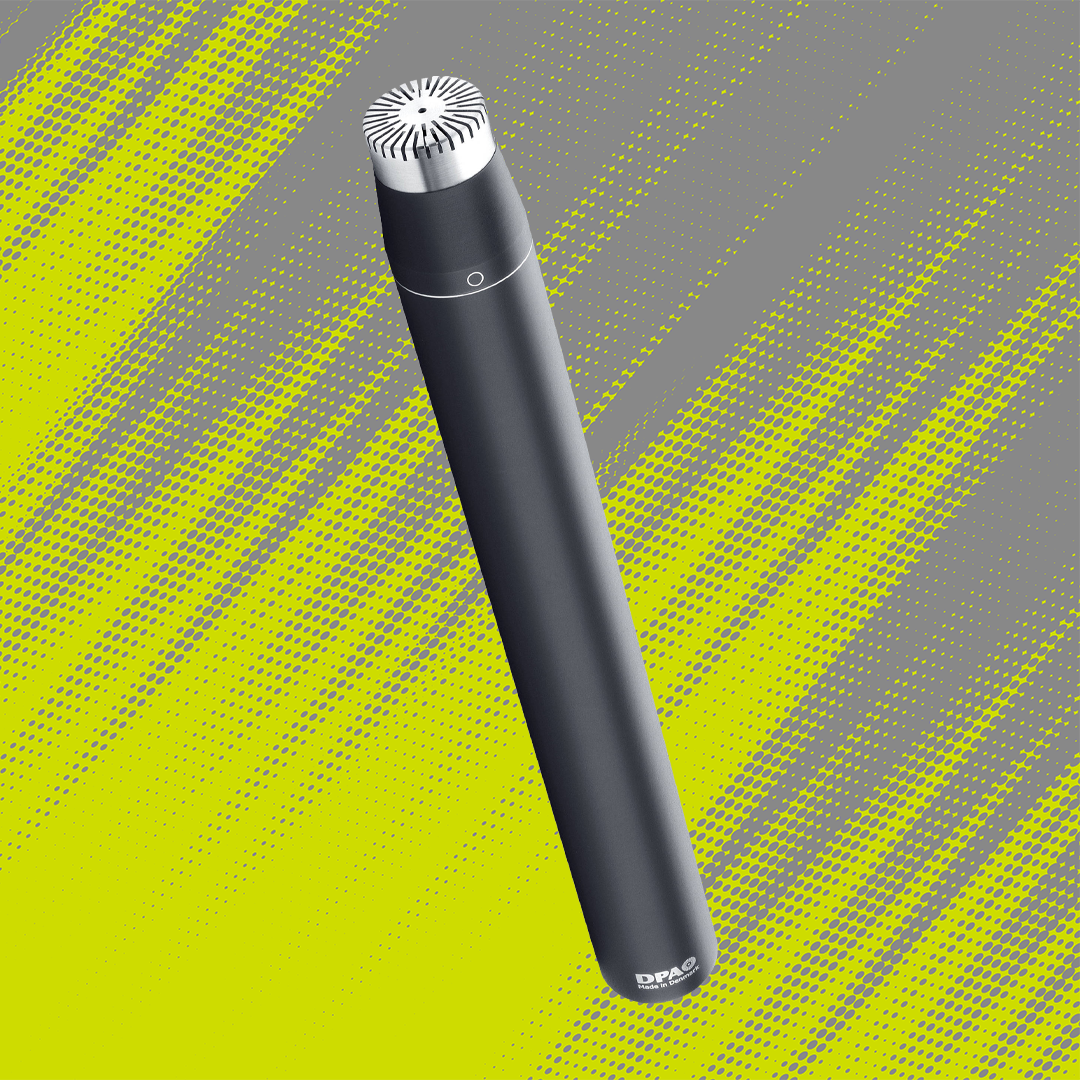
DPA Microphones' background in the production of scientific measurement tools afford them two significant advantages: their mics have a crazy accurate frequency response for transparent sound reproduction, and they are extremely resilient—often able to shrug off deafening volumes, water contact, intense heat, and high humidities that would brick lesser mics. These two factors led to the widespread adoption of DPA microphones by field recording professionals whose intense and often hazardous work demonstrated to the scientific community a proof of concept. DPA microphones are viable for use in highly specialized fields that require reliability in extreme conditions and unconventional situations. Situations like:
Recording Sound on the Planet Mars
Supported by DPA's MMP-GR Preamp and (the now discontinued) MMA-A Audio Interface, DPA Microphones' vaunted 4006 omnidirectional microphone was chosen to be the audio recording instrument affixed to NASA's Perseverance Rover, which at the time of this writing is still going strong after almost five years of exploring the surface of our celestial neighbor.
Launched in July 2020 aboard the Atlas V-541 rocket, DPA's equipment has endured seven months of space travel, severe pressure changes when leaving Earth's atmosphere and approaching the Martian surface, extreme temperatures as low as -100 Celsius/-148 Fahrenheit, and the massive vibrational force from the rocket launch and subsequent landing—and it's all continuing to function properly despite the inhospitable conditions of Mars's chaotic atmosphere and terrain.
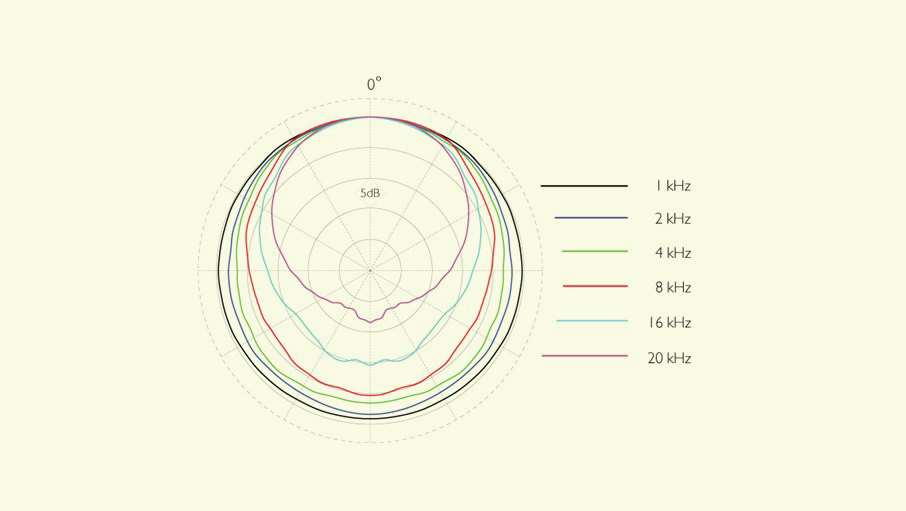
The DPA 4006 was chosen not only for its rugged build quality but also for its sonic characteristics. NASA's research and development team needed a microphone with a low noise floor, high dynamic range, and the flattest response curve possible; with its scientific heritage, the 4006 was practically made for this mission (particularly because of its remarkably flat response at 20 -100Hz).
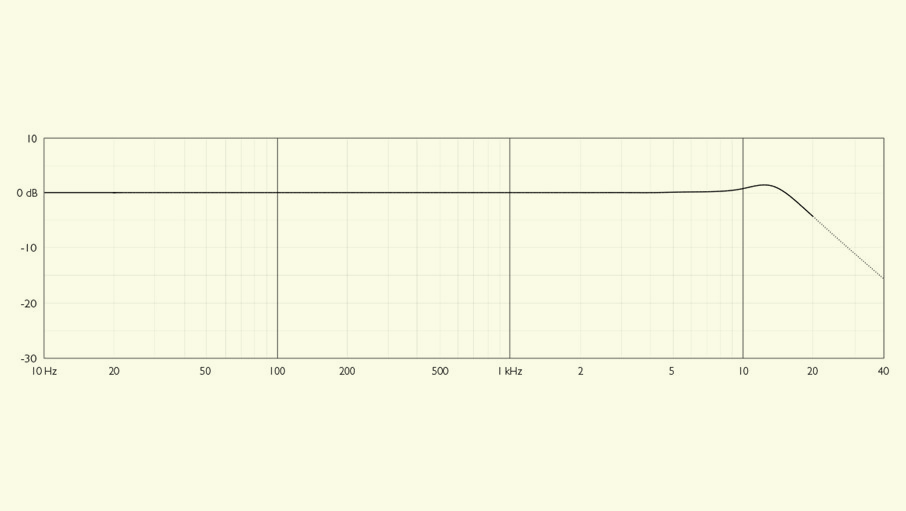
What's so incredible about this achievement is that the audio equipment used on the Perseverance Rover contains solely off-the-shelf factory components from DPA—and while there needed to be some modifications to the layout of the MMA-A interface's amp and chassis, the audio gear used for the mission is quite literally the same stuff you can buy right now. DPA's microphones and equipment are known to be among the most expensive on the market, but the price tag seems quite reasonable when you take into consideration the fact that it can survive a 140,000,000-mile journey through outer space.
And this isn't the only time a DPA microphone has been used in outer space—Sarah Gillis, a SpaceX engineer, astronaut, and classically trained violinist, performed "Ray's Theme" from Star Wars: The Force Awakens in the Crew Dragon spacecraft on September 13, 2024. Her performance was captured with a DPA 4099 instrument microphone and transmitted to Earth via Starlink satellite constellation. A bit of eccentric viral marketing to be sure, but what would you expect from a commercial space exploration company?
Medical Research and Diagnostic Development
DPA Microphones' reputation for precise linearity and low self-noise has made their mics a common choice for medical research and development, which has led to emerging diagnostic practices and even proposed treatments. DPA's 4060 and 4660 series of miniature and subminiature lavalier mics are go-tos in the medical research industry; small enough to be minimally invasive and/or comfortable for patients, or to be integrated into components for scientific experimentation with relative ease—and most of them (especially ones featuring their CORE or CORE+ technology) are water resistant with an IP58 certification, making them suitable to withstand exposure to the wet conditions common in medicine as well as the strict sanitization protocols required in healthcare facilities and clinical laboratory environments.
I've compiled some recent medical research journal publications whose experiments have used DPA microphones as a main component in their research methodology. References are listed at the end of this article.
Using Audio to Assist in Minimally Invasive Surgery
This research explores the viability of using "acoustic emissions" to provide information and feedback for surgeons performing laparoscopic surgery, a type of minimally invasive surgery performed via the insertion of a camera-equipped tube (laparoscope) through small keyhole incisions.
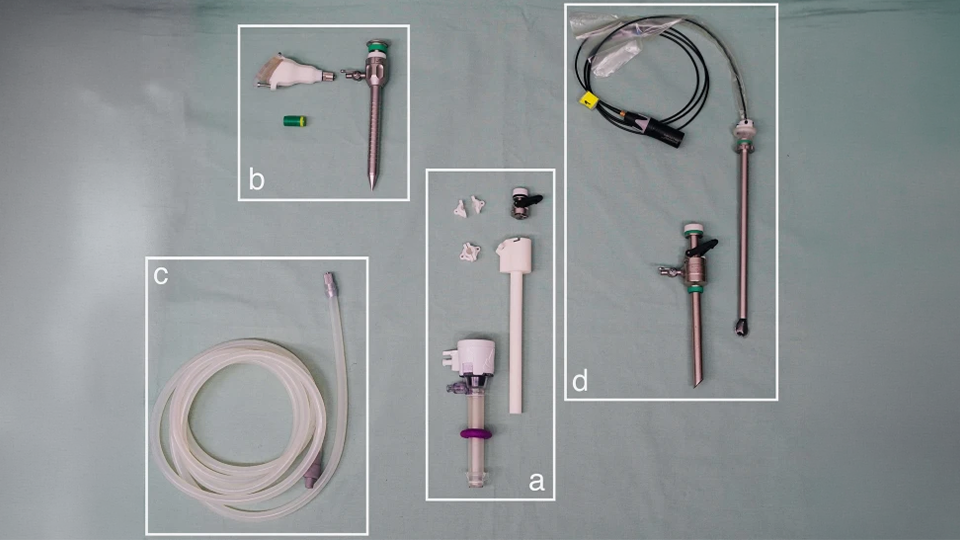
According to the authors, the microphone chosen for this research was the DPA Core 4660 CORE Heavy Duty Microphone due to its "omnidirectional pattern, durability, and compact size (5.4 mm capsular head diameter) … [which makes it] well suited for integrating into space-constrained designs" (Ostler-Mildner, et al., p. 2390). This research essentially attached DPA microphones to trocars [surgical equipment] to monitor vibroacoustic sound (sounds created by contact between the surgical tool and the body) and airborne sounds (sounds that exist within the body itself) and to test the viability, sterility, sound quality, and invasiveness of putting a microphone in a human body.

What they found looks to be promising, although further examination is currently limited by ethical procedure—performing this type of experimental surgery on a real human has yet to be approved.
Improving Telemedicine
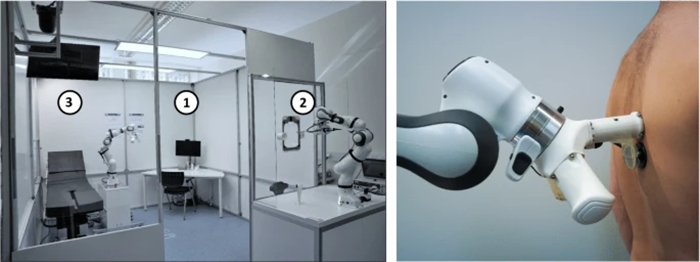
The accessibility of medical treatment is a forefront issue of healthcare. Many patients are restricted to tele-consultations where they are unable to receive proper diagnoses that require the in-person presence of a physician. Researchers have used DPA microphones to help develop a potential diagnostic technique where a physician can utilize robotic sensors to accurately diagnose patients from a remote location via mechanical percussion.
Percussion has been used in medicine dating back to the time of the Ancient Greeks and is still used today as part of fundamental examination to (among other things) determine the size and placement of organs for diagnoses of lung issues, enlarged abdominal organs, or abnormal fluid accumulation.
This research examined the effectualness of placing a DPA 4660 microphone on a mechanically actuated stethoscope to capture the sound of the lungs, abdomen, and sternum. While the results of this research are promising, the authors wrote that we still need development of the motorized percussive systems so that the microphones can reject mechanical noise and improve diagnostic accuracy—the system recorded a 71.4% accuracy for 21 participants.
There is also similar research being done in the field of traditional Chinese medicine for better understanding digital auscultation (listening to the sounds of the heart, lungs, arteries, and abdomen) for better treatment which used the transducers from a DPA 4066.
Improving Diagnosis of Dysphagia (Difficulty Swallowing)
Dysphagia is a significant predictor of functional dependence and of death, with some studies showing that swallowing issues can double mortality rates in patients. Diagnosis is currently done using invasive and often uncomfortable or painful procedures like endoscopy where medical instruments and cameras need to enter the body through the throat or nose cavity. Noninvasive procedures like ultrasounds or CT scans are not very useful in finding causes of dysphagia; fluoroscopy (real time X-ray imaging) is radioactive and carcinogenic; and the current viability of cervical auscultation (CA, using a stethoscope on the throat) is extremely limited, used only as a diagnostic aid.
In (very) recent years, modern digital signal processing techniques and the development of deep learning AI has enabled the research and development of "high-resolution cervical auscultation" that will hopefully overcome the previous limitations of CA and give doctors an easy and noninvasive way to diagnose a serious health concern.
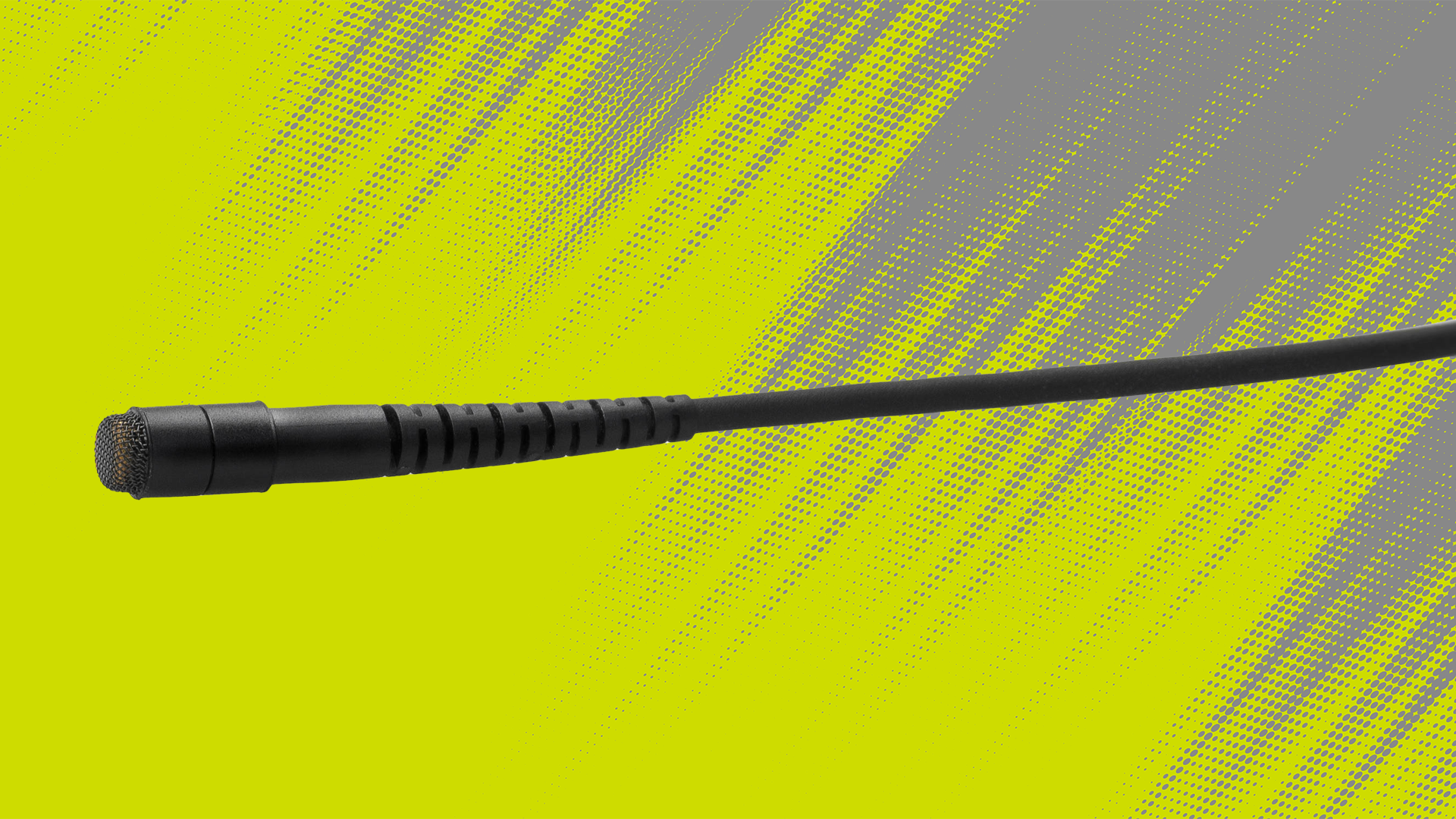
In 2024, German researchers used two DPA 4660 miniature microphones attached to stethoscope heads to capture the sound of both sides of a patient's neck and then sent to a computer for AI classification. Volunteers (both healthy and those with dysphagia) were hooked up to this device to have their swallows recorded (with water, dry food, and wet food) while simultaneously undergoing a video endoscopic swallowing examination to reference the AI's accuracy. They found that we have a ways to go until we can definitively and noninvasively diagnose dysphagia with microphones.
Luckily, this research is still in its early stages and will be iterated time and time again as the data set grows and more influential factors are discovered—and DPA will most likely be supplying the microphones for it.
Ecology, Ethology, Anthropology, and Gaming: Capturing the Sounds of Our World
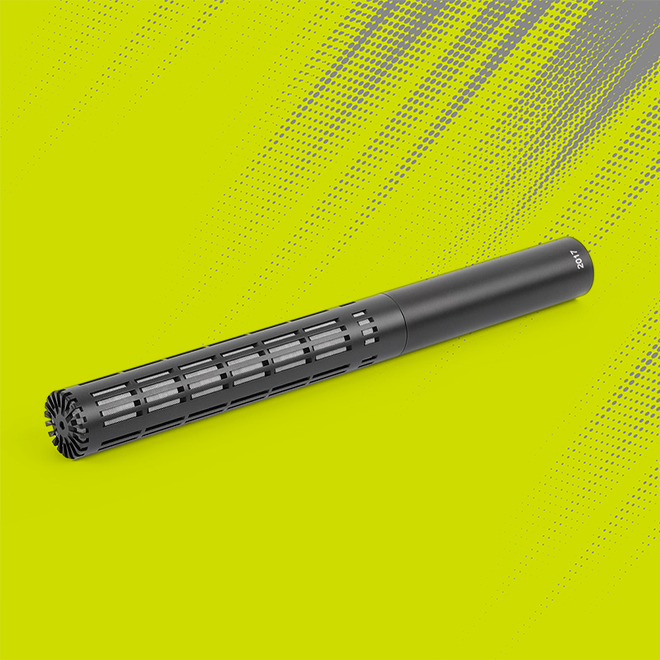
DPA's mics have been a staple in field recording kits since the release of their 4060 miniature lavaliers in the mid 1990s due to their size, weight, and concealability. We've discussed how the DPA 4060 series is a go-to in unforgiving conditions. Notable field recordists like Chris Watson, Jez Riley French, and George Vlad also use mics like the DPA 2017 super cardioid shotgun microphone for directional recording and the DPA 6060 series of subminiature lavalier mics, which are even smaller than 4060s, measuring at only 3 millimeters—perfect for concealing in nature as to not bother wildlife and ensure no one (or nothing) tampers with or steals the equipment. Hydrophones like the discontinued DPA 8011 are still often used for underwater recordings and waterlogged locations and are still found in many field recording kits.
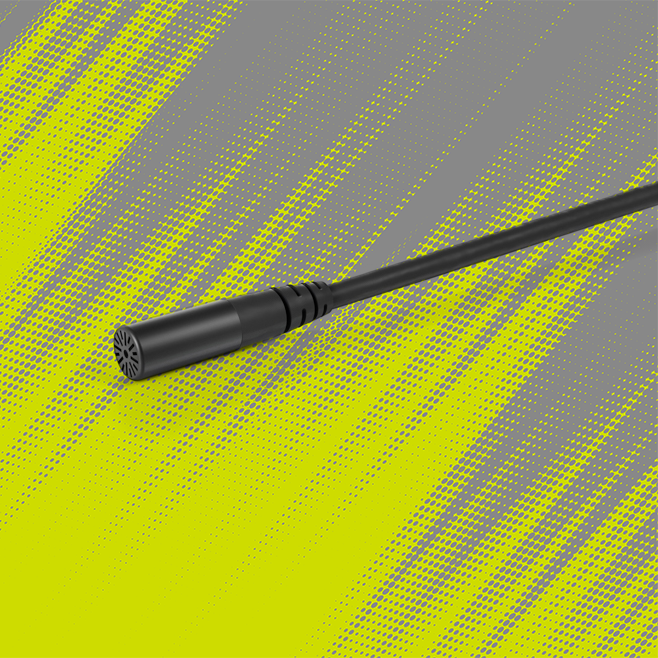
Gaming companies and game developers are highly involved in the field recording scene as well. The soundscapes and sonic textures developers use in their games (especially AAA games) must be realistic and immersive—you can hear accounts of expeditions where nature preservationists and scientists recall being pleasantly confounded by the welcome presence of audio "outsiders" from the gaming industry, who are then subsequently enamored by their expertise.
Here are some notable examples of DPA microphones being used in field recording:
Capturing Snowflakes of Antarctica
Because of the extreme and harsh conditions of Antarctica, when putting together the gear list for the 2019 documentary "Antarctica: A Message from Another Planet," producer Nerio Gutierrez chose the DPA 4017B shotgun, 4011C cardioid, and 4061 lavalier microphones.
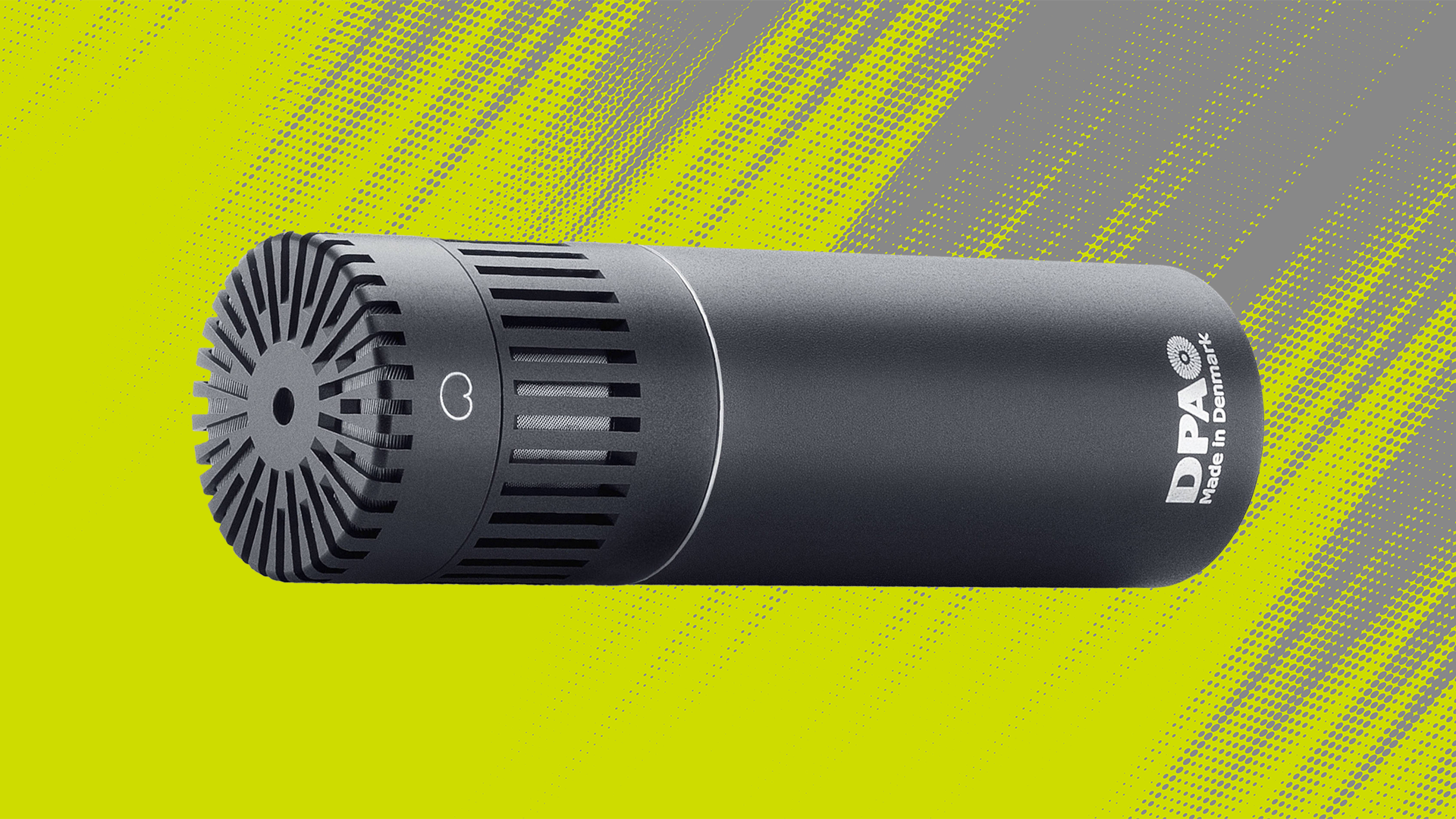
These microphones were able to withstand extreme cold, moisture, and wind gusts as they captured the sounds of penguin colonies, whales, elephant seals, shifting icebergs, and most impressively, the sound of snowflakes—something I wasn't aware made sound before the research phase of this article; truly a testament to the minute precision of DPA microphones.
Capturing Ants in the Rainforest
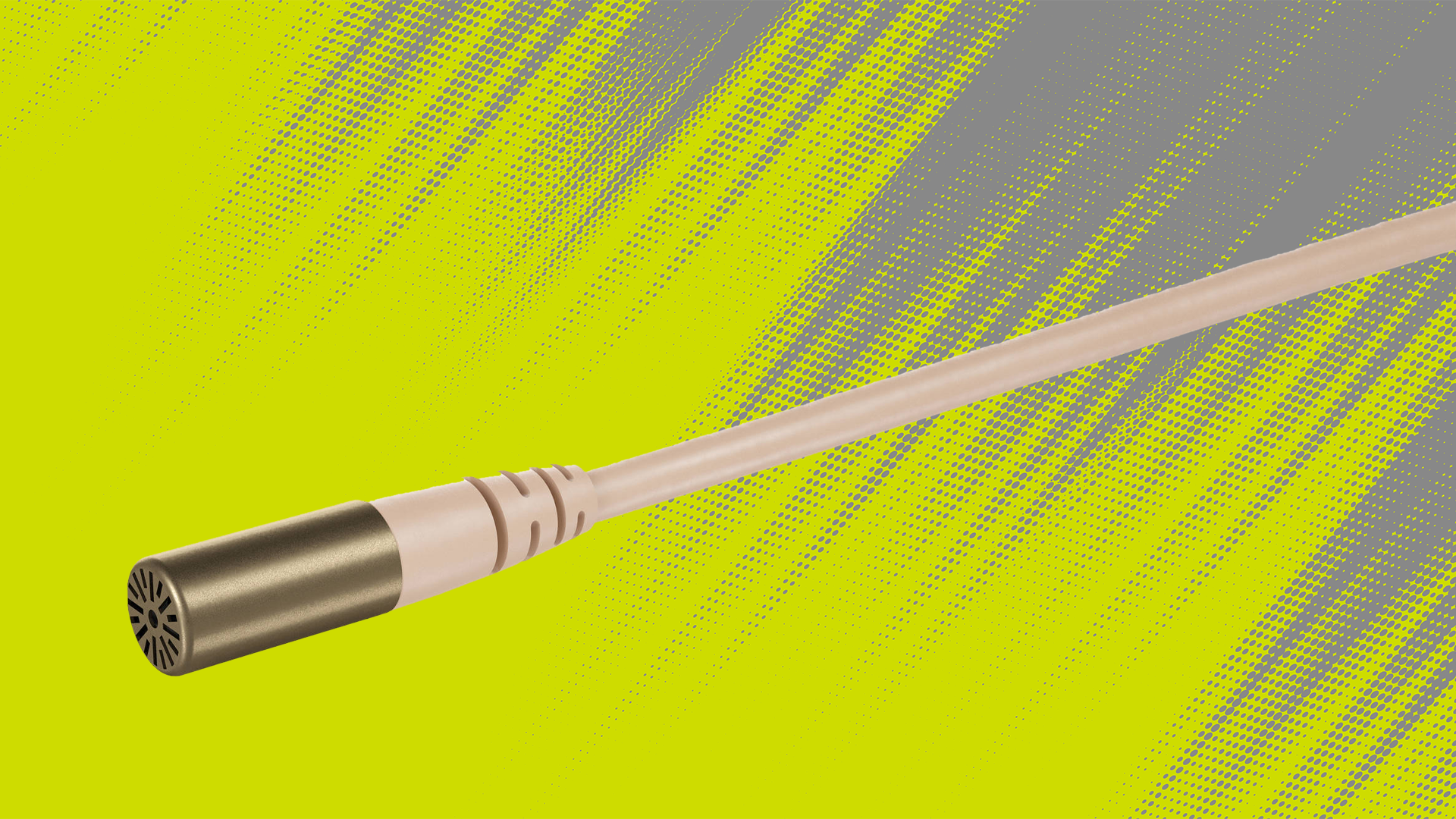
Recordist George Vlad is renowned for his field work; his ambient field recordings are featured in various prestige films, games, and television including Dune: Part Two, Horizon Zero Dawn: Forbidden West, and House of the Dragon. Much of this work is done in some of the most remote locations in the world including the Amazon, the West African Savanna, the mountains of Patagonia, and the dunes of Arabia. His pair of DPA 6060 subminiature microphones captured the subtle sounds of ants in the rainforest. Check out the video (preferably with a pair of solid headphones) – the verisimilitude captured by the stereo pair is astounding to say the least.
Bringing Video Games to Life
Including the ambient sounds of Horizon Zero Dawn: Forbidden West, DPA microphones have been used to capture the sound of firearms in Titanfall 2 (a truly underappreciated gem) and the sound of vehicle engines for various racing games including DiRT Rally.
The first-person movement shooter Titanfall 2 used DPA's 4017B-R shotgun mic to capture sounds of machinery and metal impacts used to create the Titan's foot stomps and motions (basically a giant walking mech a la Gundam or Metal Gear Solid—any fan of Call of Duty or Apex Legends should play it immediately), a 4060 for live weapon and firearm recordings, and the DPA 5100 Mobile surround microphone for 5.1 surround sound ambience. As someone who put in hundreds of hours and even once made it to the top 250 worldwide players in this underplayed FPS, I can attest to its pristine and meticulous sound design.


Codemasters' DiRT Rally is racing game that needed exceptionally high-quality microphones with enough SPL tolerance to properly record the deafening sounds of high-performance vehicles, especially when exhaust levels, overrun pops, and detonations register higher than 135dB. Audio engineer Chris Jojo would attach up to ten microphones to dozens of different cars as well as place shotguns on the tracks they were driven on to the capture authentic sound of various driving scenarios. Mics used for the project were the DPA 4007, 4018c, 4011, and 4062 lavaliers. Jojo describes his approach (see video here):
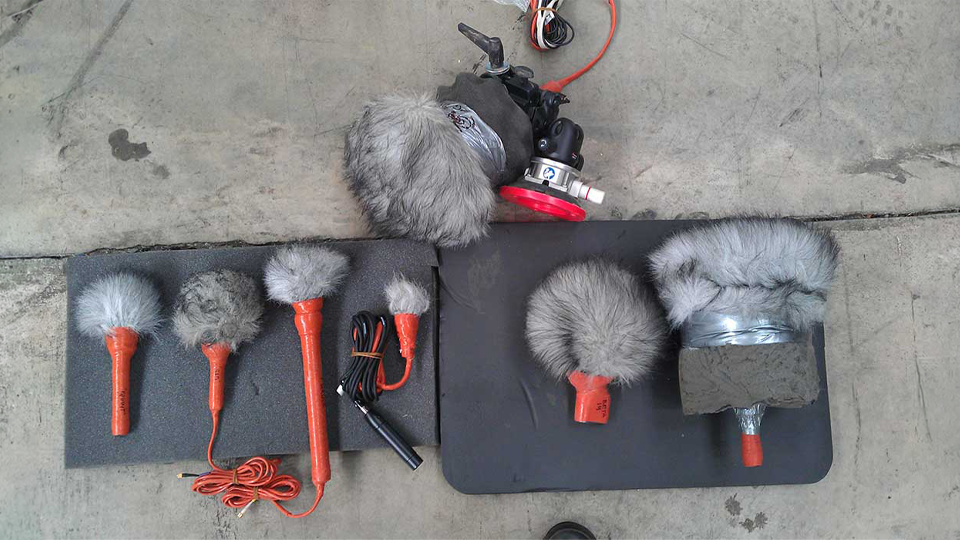
"I often use the 4007 in tandem with a 4011 on exhaust recording: the 4007 above an exhaust, with the 4011 in close proximity to the pipe, side-on. The 4007 provides a natural ambient bed for the 'bite' and CU detail captured by the 4011. Also, it often supports the ancillary 'character' engine/exhaust mic channels which can be blended into a mix to highlight a specific attribute."
Conclusion
After reading this article, you may have concluded that DPA Microphones has asked us to pitch this article to them … and you'd be right. However, at B&H, we never exaggerate the quality and effectiveness of a product just for a contract; dedicated articles like these will only be about products we emphatically recommend.
Our reputation depends on our ability to educate people to the best of our ability so they can be empowered to make the best purchasing decision possible—so believe me when I say: DPA Microphones' microphones (I've been wanting to say that!) are truly some of the most robust, accurate, and reliable recording tools in the world—so much so that our progression as a species is empowered by them.
If you're interested in learning more about the research done with DPA microphones or just want to make sure I'm telling you the truth, check out the bibliography below.
Either way, feel free to come check out some DPA microphones yourself at our Manhattan Superstore, or check out reviews and learn more about their many models on our storefront website and on Explora!
References
Minimally Invasive Surgery:
Ostler-Mildner, D., Wegener, L., Fuchtmann, J. et al. "The Sound of Surgery - Development of an Acoustic Trocar System Enabling Laparoscopic Sound Analysis." International Journal of Computer Assisted Radiology and Surgery, no. 19 (2024): 2389–2397, accessed February 5th, 2026. https://doi.org/10.1007/s11548-024-03183-2
Ostler-Mildner, D., Seibold, M., Fuchtmann, J. et al. "Acoustic signal analysis of instrument–tissue interaction for minimally invasive interventions." International Journal of Computer Assisted Radiology and Surgery, no. 15 (2020): 771–779, accessed February 5th, 2026. https://doi.org/10.1007/s11548-020-02146-7
Telemedicine:
Krumpholz, R., Fuchtmann, J., Berlet, M. et al. "Telemedical percussion: objectifying a fundamental clinical examination technique for telemedicine." International Journal of Computer Assisted Radiology and Surgery, no. 17 (2022): 795–804, accessed February 5th, 2026. https://doi.org/10.1007/s11548-021-02520-z
Fuchtmann, J., Krumpholz, R., Berlet, M. et al. "COVID-19 and beyond: development of a comprehensive telemedical diagnostic framework." International Journal of Computer Assisted Radiology and Surgery, no. 16, 1403–1412 (2021), accessed February 5, 2026. https://doi.org/10.1007/s11548-021-02424-y
Zhang Shuyi, Jiang Tao, Xu Jiatuo. "Research progress in digital auscultation: equipment and systems, characteristic parameters, and their application in diagnosis of pulmonary diseases and syndromes". Digital Chinese Medicine 1, no. 8 (2025) 20-27, accessed February 5, 2026. https://doi.org/10.1016/j.dcmed.2025.03.004.
Dysphagia:
Salloum, H., Graf, S., Schilling, B. et al. "Deep Learning-based Artificial Intelligence in Audio based Analysis of Swallowing using Cervical Auscultation." Current Directions in Biomedical Engineering 10, no. 2 (2024), 16-19, accessed February 10, 2026. https://doi.org/10.1515/cdbme-2024-1055
Li, Dan., Wu, J., Jin, X., et al. "A review on intelligent aid diagnosis for dysphagia using swallowing sounds." Interdisciplinary Nursing Research 2, no. 4 (2023): 250-256, accessed February 10, 2026. https://doi.org/10.1097/NR9.0000000000000040
Other References and Additional Research Utilizing DPA Microphones – an Annotated Bibliography
Observing and analyzing head movements to better aid and understand patients during psychotherapy (DPA 4060)
Inoue M, Irino T, Furuyama N, Hanada R. "Observational and Accelerometer Analysis of Head Movement Patterns in Psychotherapeutic Dialogue." Sensors (Basel) 21, no. 9 (2021). https://doi.org/10.3390/s21093162
Study of the physical and physiological basis cat purring, which is more mysterious than you'd think (DPA 4061)
Herbst, C., Prigge, T., Garcia, M., et al. "Domestic cat larynges can produce purring frequencies without neural input." Current Biology 33, no. 21 (2023) 4727-4732. https://doi.org/10.1016/j.cub.2023.09.014
Studies of speech and hypophonia in people with Parkinson's Disease (DPA 4060)
Adams, S., Dykstra, A., Jog, M. "A Comparison of Throat and Head Microphones in a PDA-Based Evaluations of Hypophonia in Parkinson's Disease." Journal of Medical Speech-Language Pathology 20, no. 4 (2012) 1-6. https://link.gale.com/apps/doc/A328852872/AONE?u=nysl_oweb&sid=googleScholar&xid=d5d8c113.
Gaballah, A., Parsa, V., Cushnie-Sparrow, D., Adams, S. "Improved Estimation of Parkinsonian Vowel Quality through Acoustic Feature Assimilation." The Scientific World Journal, (2021). https://doi.org/10.1155/2021/6076828
A study on noise exposure and hearing loss for prehospital medical staff in effort to improve the quality of life both on and off the job (DPA 4063 – discontinued)
Hansen, M.C.T., Schmidt, J.H., Brøchner, A.C. et al. "Noise exposure during prehospital emergency physicians work on Mobile Emergency Care Units and Helicopter Emergency Medical Services." Scandinavian Journal of Trauma, Resuscitation and Emergency Medicine 25, no. 119 (2017). https://doi.org/10.1186/s13049-017-0459-9
A simulation created to study noise exposure within hospitals and healthcare facilities, made in effort to improve acoustic conditions for patients to enhance the quality of restorative sleep. (A Holophone H2-Pro (discontinued) outfitted with eight DPA 4060 capsules)
Carballeira, A., Solet, J., Buxton, O., Sykes, D. "Designing a simulation center to test acoustical criteria for healthcare facilities." Paper presented at INTER-NOISE and NOISE-CON Congress and Conference Proceedings, Reno, Nevada, October 2007. https://ince.publisher.ingentaconnect.com/contentone/ince/incecp/2007/00002007/00000001/art00095?crawler=true&mimetype=application
Study on vocal folds and vocal tract structure of a professional metal singer (DPA 4061)
Traser, L., Fleischer, M., Priegnitz, D., et al. "In vivo insights into irregular voice production as a complex nonlinear system—a case study." Journal of the Royal Society Interface 22, no. 229 (2025). https://doi.org/10.1098/rsif.2025.0086
Study on the effects of water resistance therapy for vocal fold mass lesions, a common injury and treatment for professional vocalists (DPA 4061)
Echternach, M., Raschka, J., Kuranova, L. et al. "Immediate effects of water resistance therapy on patients with vocal fold mass lesions." European Archives of Oto-Rhino-Laryngology 277 (2020), 1995–2003. https://doi.org/10.1007/s00405-020-05887-y
Software tool to objectively measure the recovery of someone's voice after trauma or surgery (Unknown DPA d:fine omnidirectional mic, likely a DPA d:fine 4066 headset microphone)
Jičínský, M., Mares, J. (2019). "Software Tool for Voice Disorder Diagnostics." Transactions of the VŠB - Technical University of Ostrava, Mechanical Series 65, no. 1 (2019), 11-18. https://doi.org/10.22223/tr.2019-1/2051
Study on voice changes in professional vocalists due to menopause
Fiuza,M.B., Lã, F., Coronado, P., Sofia Roberto, M. "The Effects of Menopause on Vocal Folds' Vibratory Characteristics of Female Professional Voice Users." Journal of Voice: Official Journal of the Voice Foundation, 2025. https://doi.org/10.1016/j.jvoice.2025.05.014
The author of this entry recounts recording wildlife and ambience in the taiga and boreal forests of Sweden. He also mentions that a team of game developers from DICE was in attendance, most likely working on Battlefield 4 given the timeline.
Moon, David. "The Snarl of the Taiga." Wildlife Sound: The Journal of the Wildlife Sound Recording Society 14, no.4. (Autumn 2012), 45-50. https://nevillerecording.com/pdfs/wildlife_sound.pdf
