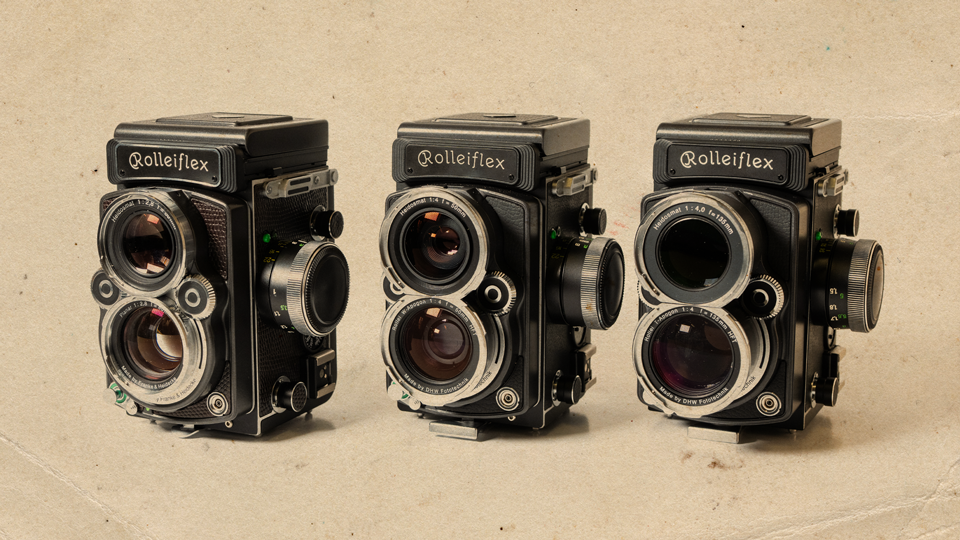
It's not every day that a piece of photography history passes through B&H. Sure, every camera and lens carries a little bit of the past with it, from a DSLR made in 2015 to an old rangefinder from the 50s. History lives in the images they've captured and the hands they've been passed through. That said, there are some cameras and lenses that stand out among the rest. Especially when they come bearing the serial numbers 0000001, 0000002, and 0000003.
The B&H Used Team is accustomed to seeing rare and unique items come through the store from time to time. It comes with being situated in the heart of the bustling NYC. That said, sometimes we come across something special that excites even the veteran buyers. In this case, it was a trio of Rolleiflex cameras that did the trick.
A Piece of Photo History
The Rolleiflex is easily one of the most iconic cameras of all time, coming to fruition in 1928. The camera would see a commercial release just one year later in 1929, just before the Great Depression. A 6x6 medium format TLR (Twin-Lens Reflex) camera, the Rolleiflex delivered impressive image quality on the go in an era where such things seemed impossible.
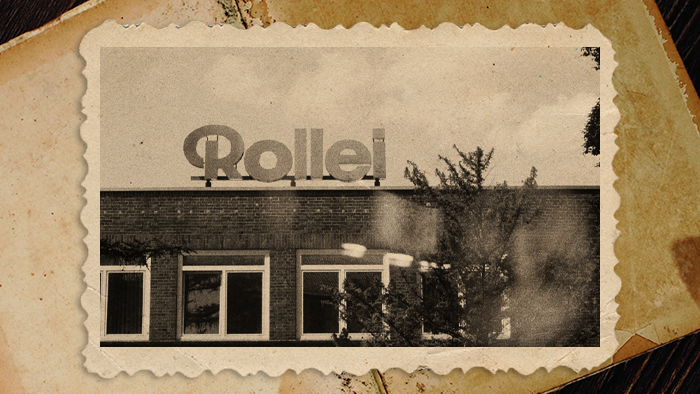
Whether you pronounce it as "Roll-ee" as in Rolly Polly or "Rah-lee" as in Greg Rollie, original keyboardist for the rock band Journey, we've all heard of the legendary camera maker. Franke & Heidecke, that is. They were the original makers of the Rolleiflex, and had been based in the city of Braunschweig, Germany. From there, they saw the end of the second world war followed by British occupation of the region that would eventually become West Germany.
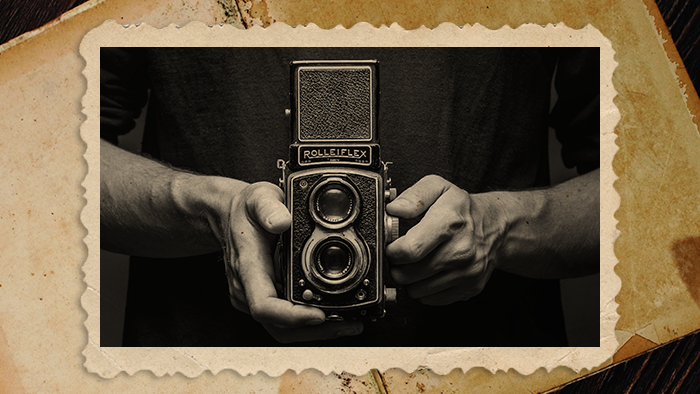
Wartime bombing had destroyed much of their infrastructure, but Franke & Heidecke persevered. The war had cut them off from their international markets, but their expert craftsmanship lived on in used models. Just a few short years later in 1947, the company resumed production of their famous cameras. By 1956, recovery seemed like a distant memory as Rolleiflex number 1,000,000 rolled off the production line.
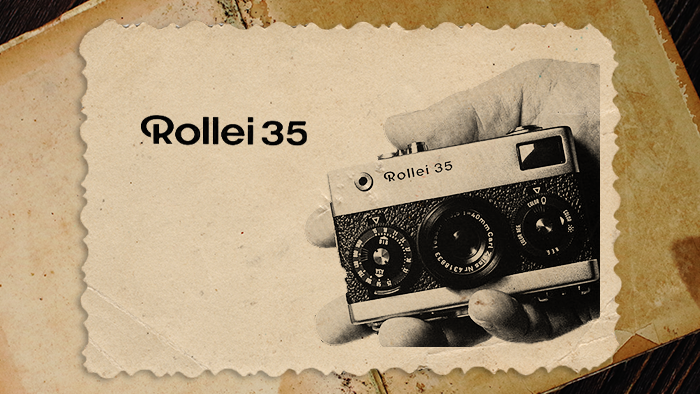
By the 60s, the Rollei had become a name recognized with superior craftsmanship and optical quality, but things weren't so rosy. The problem? They faced a new threat, the Japanese camera industry. Well into the 70s, Rollei was fighting a losing battle against Yashica and eventually Mamiya. Ultimately, the company in its original form would go bankrupt in 1981.
This would not be the end of this industry titan. While the company would change, their cameras remained in the hands of photographers across the world. After chronicling the ever-changing city of San Francisco in the 80s, great American photographer Janet Delaney took to the streets of New York City with surely a variety of imaging tools, but among them was her trusty Rolleiflex.
Let's jump forward to the early 21st century. By this time, 35mm reigned supreme for most applications, including press and street, and sports work. Modular systems had largely taken over the event and portrait spaces. Additionally, a new technology was creeping onto the scene with the advent of digital imaging. The first DSLR cameras had hit the market, and while they were yet to match the quality and capabilities of their film counterparts, the writing was on the wall.
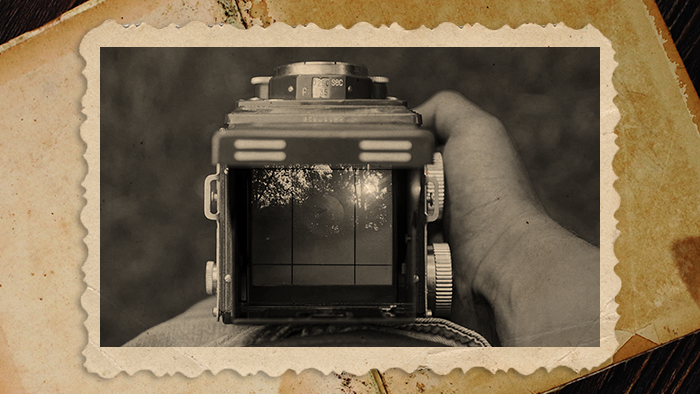
Still, film held out, and if you've been paying attention to the photo industry, it's still doing so. Medium format photography may no longer be the standard in its field, but there's no denying the unique quality that images taken in this analog format offer. It's apparent today, and it was apparent in the early 2000s when Rolleiflex delivered their last 6x6 cameras.
Rolleiflex 2.8 FX
Introduced in 2002, the Rolleiflex 2.8 FX was one of their last cameras developed. Featuring a standard 80mm f/2.8 lens, the camera covered a versatile range, giving users the perfect focal when heading out to shoot on the move.
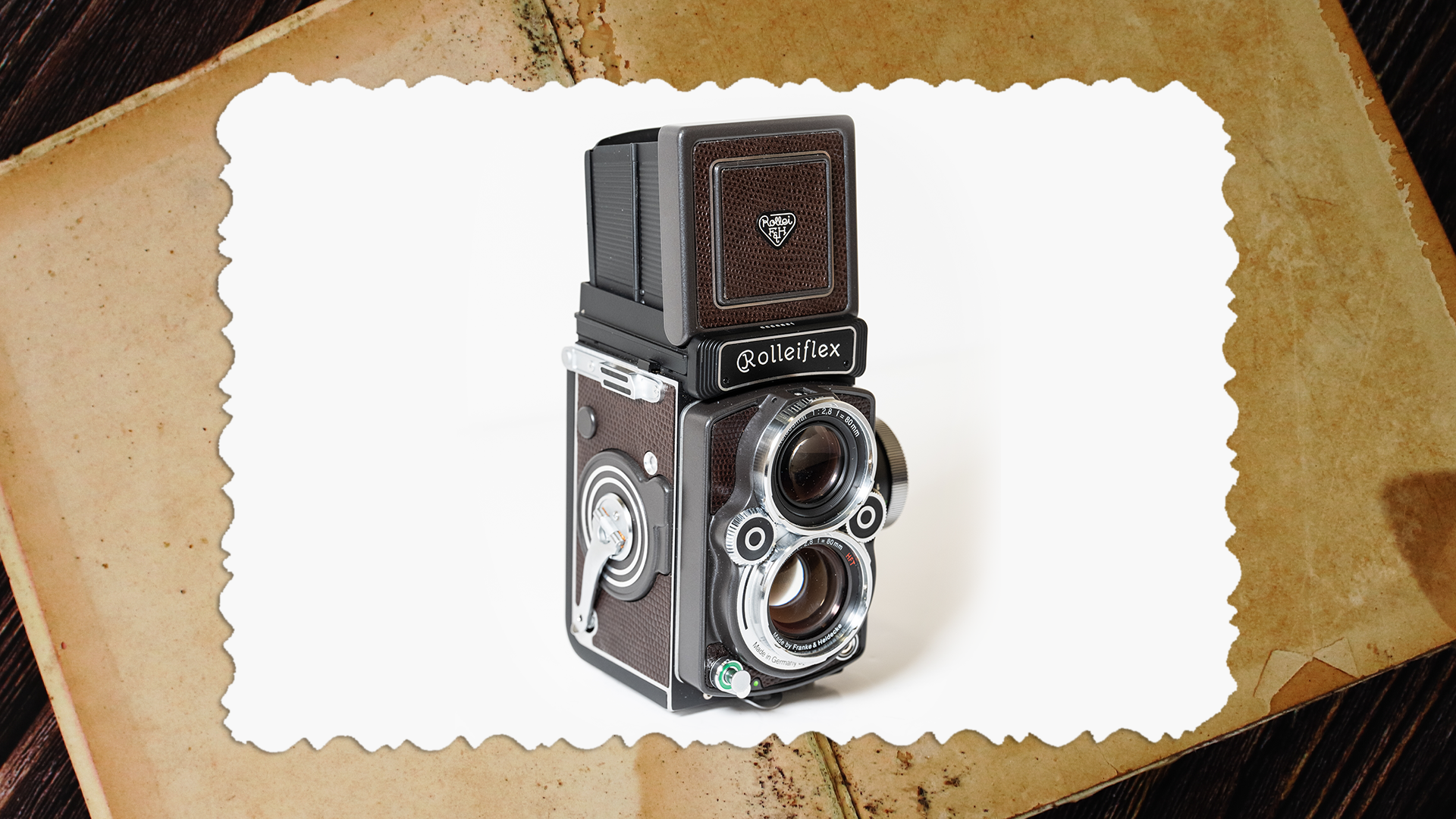
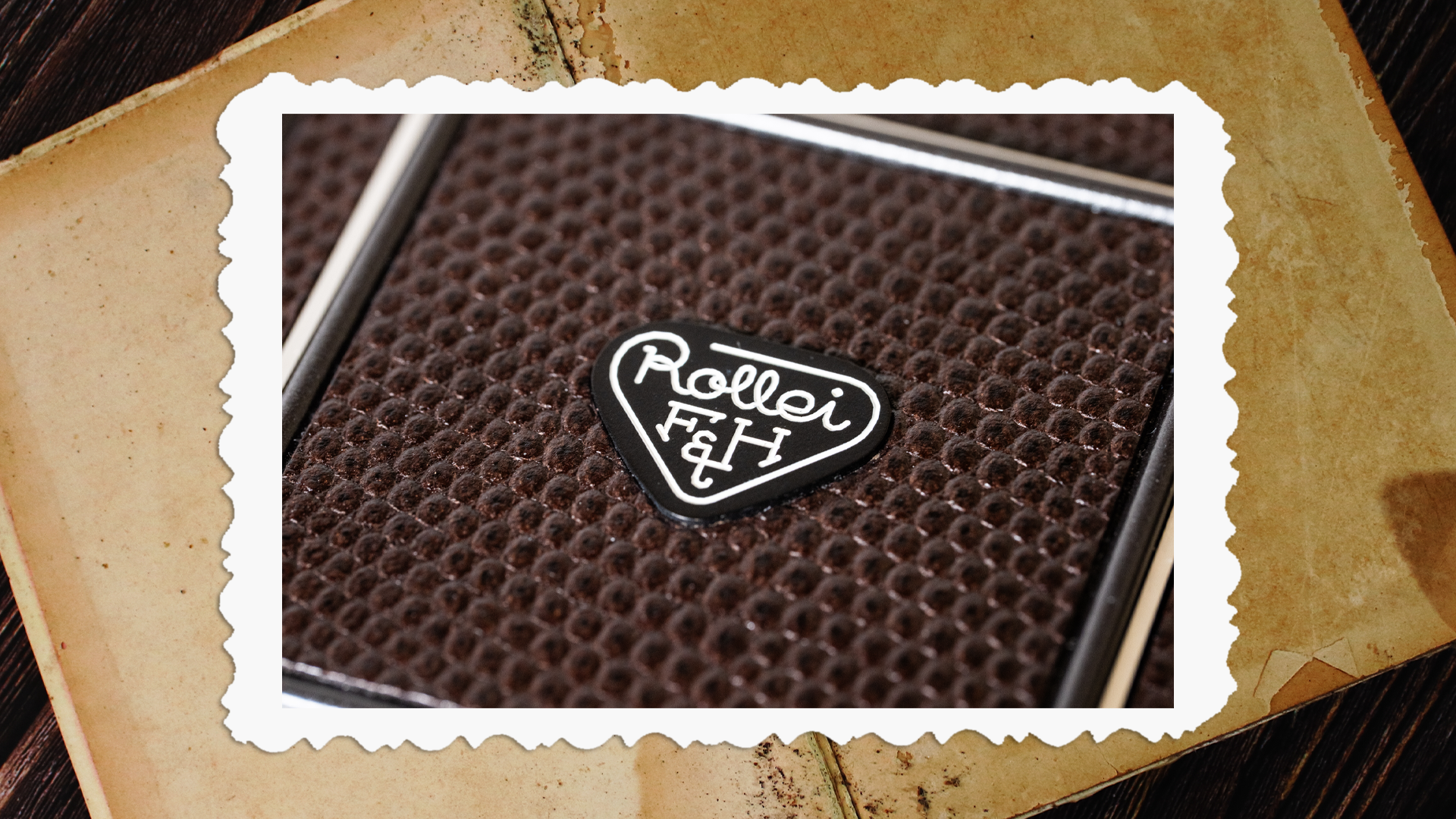
Keeping with tradition, the camera was adorned with the very same logo found on its predecessors from the 1930s, the FX embodies legendary looks and feel of its predecessors. While it looks and feels familiar, inside things start to look a bit more modern.
In a stunning display of ingenuity, Rollei melded modern technology with their legendary 6x6 TLR camera. The Rolleiflex 2.8 FX now featured TTL flash metering when using the Rollei SCA 356 Adapter and an automatic flash unit on the SCA 300 system.
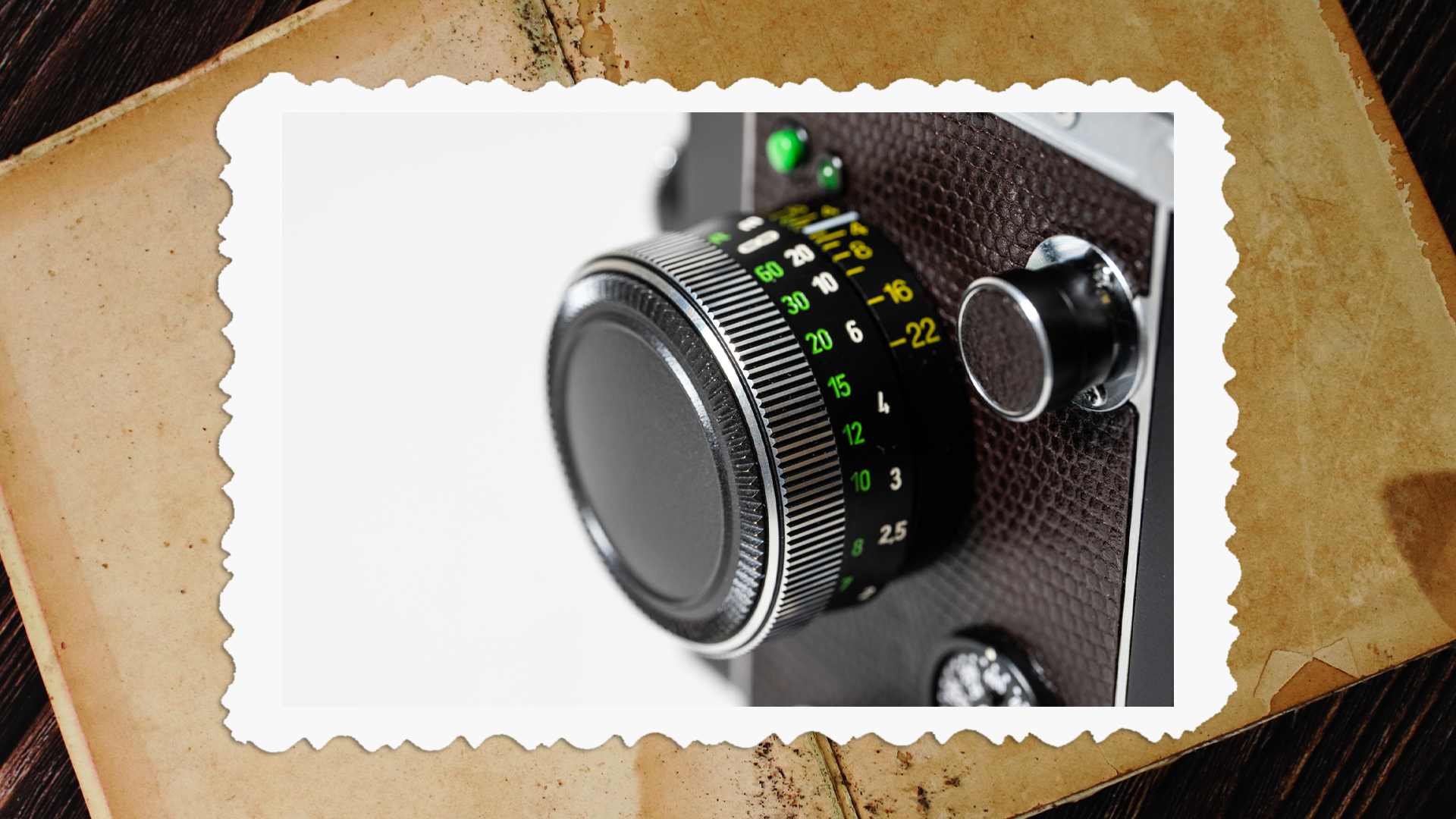
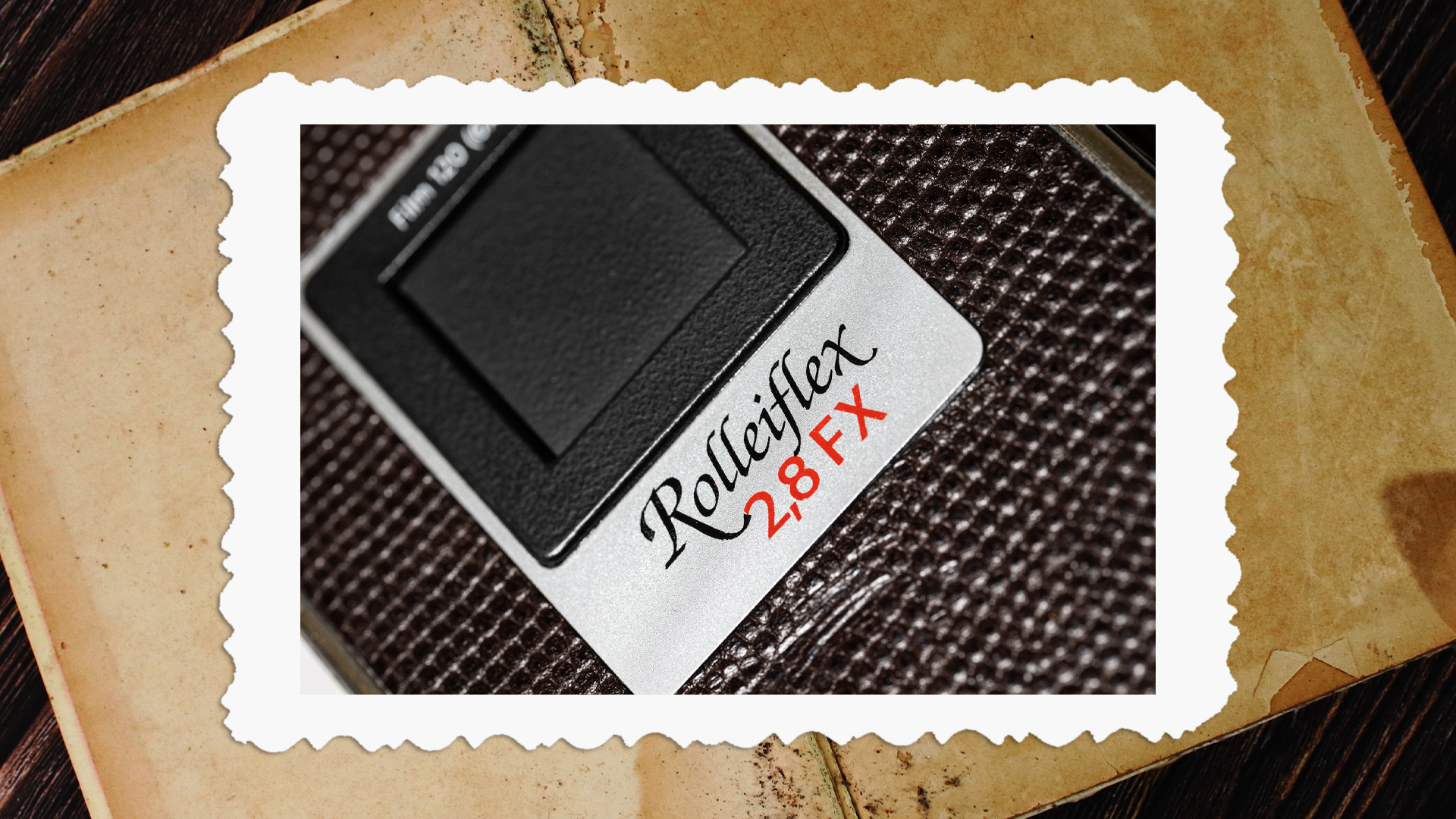
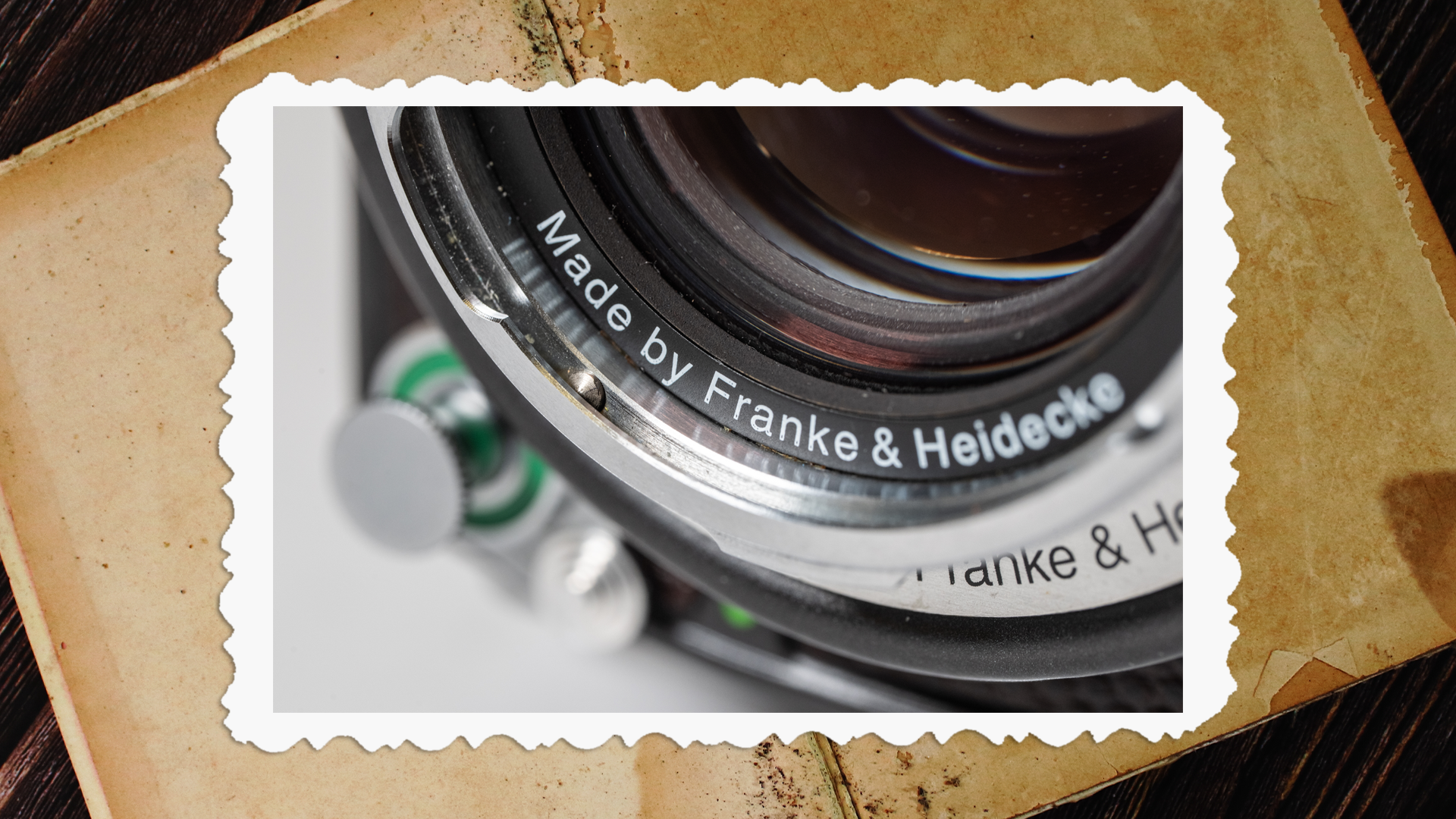
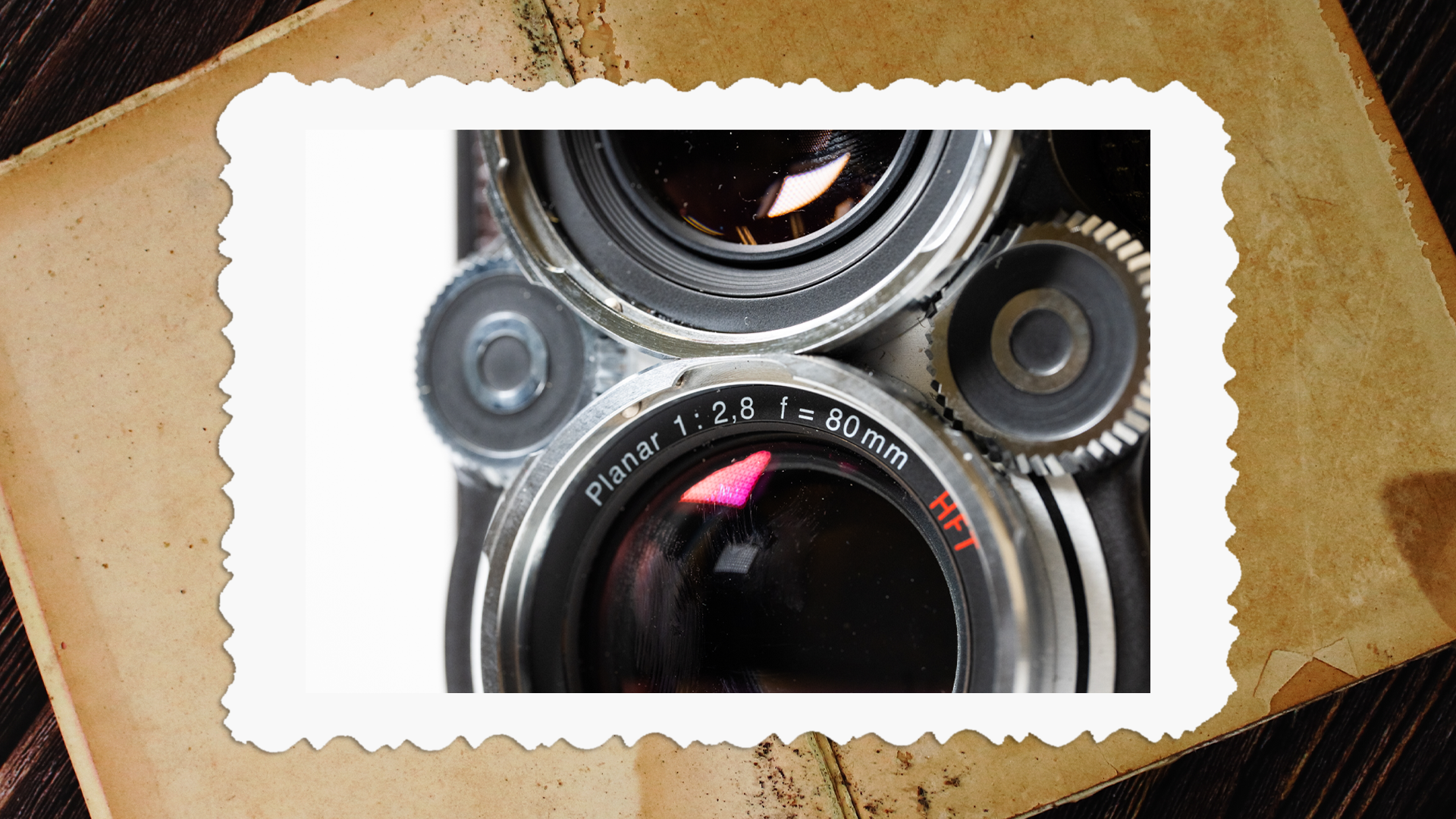
Optically, the lens was treated with a special High-Fidelity Transfer (HFT) multicoating for reduced reflections, significantly improved contrast, and greater color brilliance. Pair that with the fast f/2.8 aperture and you've got an impressive piece of glass to work with.
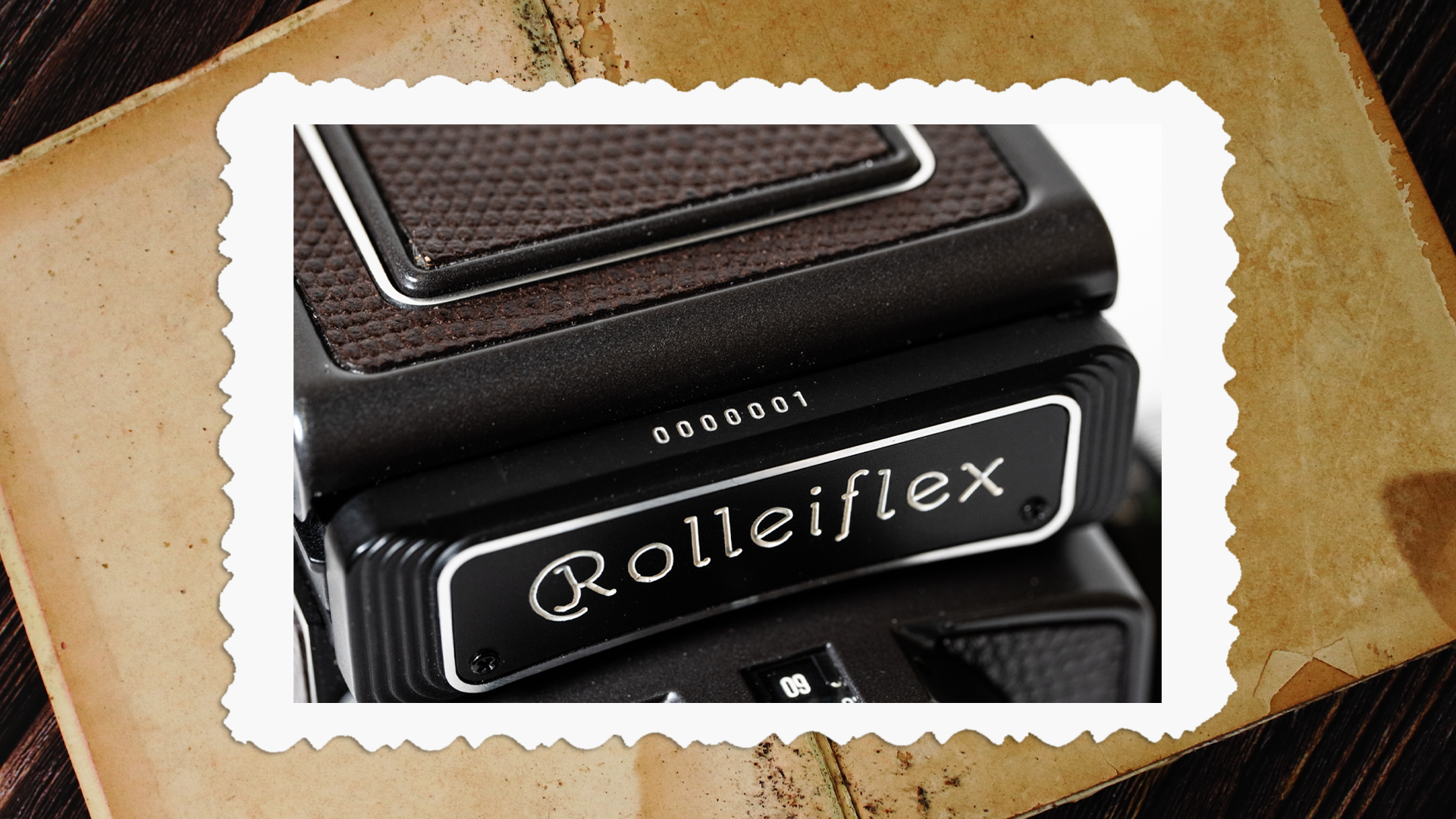
At the time of publishing this article, we are in possession of the Rolleiflex 2.8 FX inscribed with the serial number 0000001.
Rolleiflex 4.0 FW
Those who desired a wider field of view were pleased when Rollei released the 4.0 FW. Building on the 2.8 FX, this complimentary camera featured a Zeiss licensed Super Angulon 50mm f/4.0 lens, which provides high color correction and the same HFT coating for excellent contrast and color brilliance.
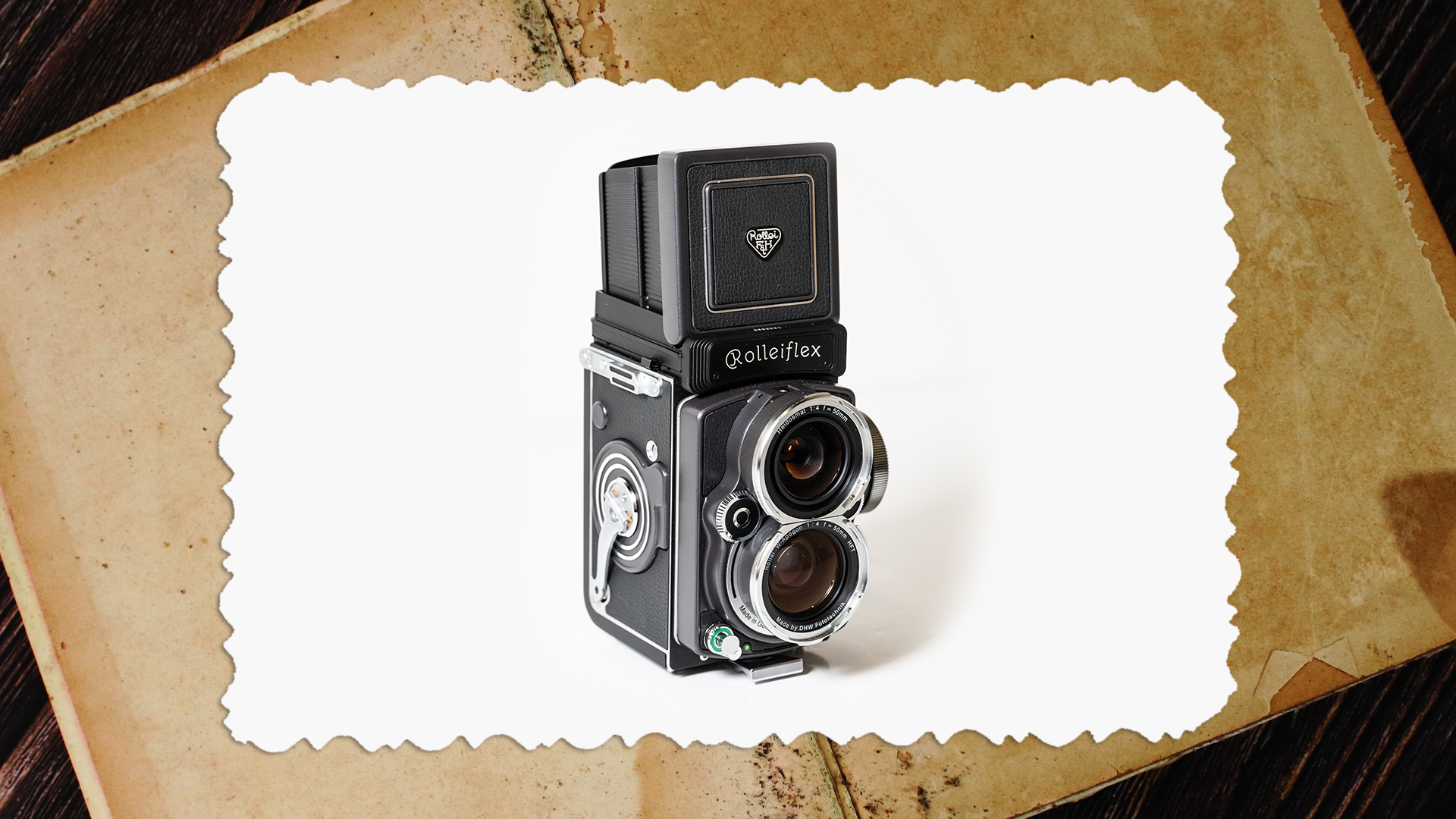
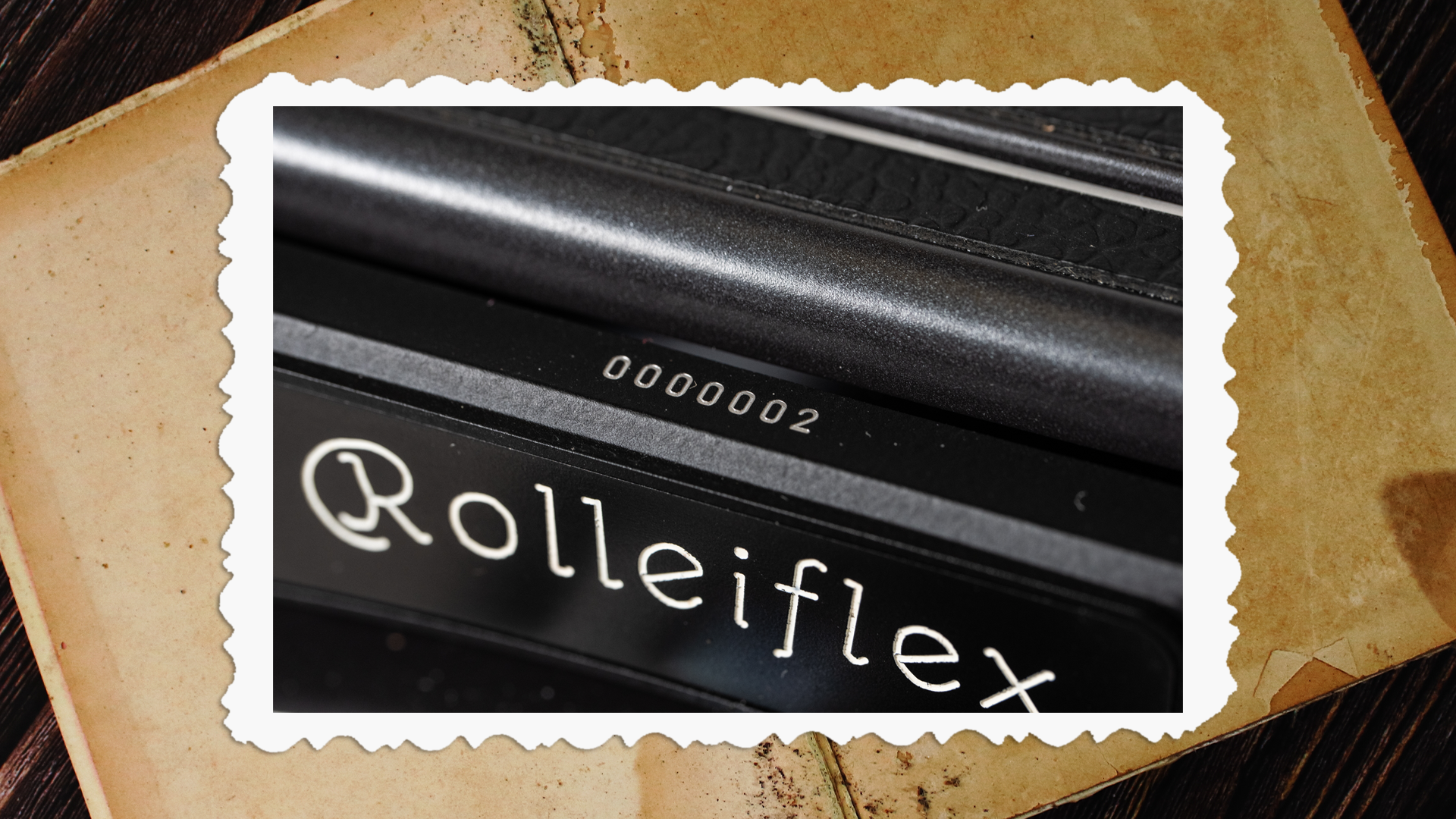
The original wide-angle Rolleiflex TLR camera had been discontinued decades earlier in 1967, making this release one for the record books. Like the other two cameras in this article, the FW is wrapped in a brown cowhide, imprinted with a crocodile grain. And the back has chromium plated edges for a sleeker overall style.
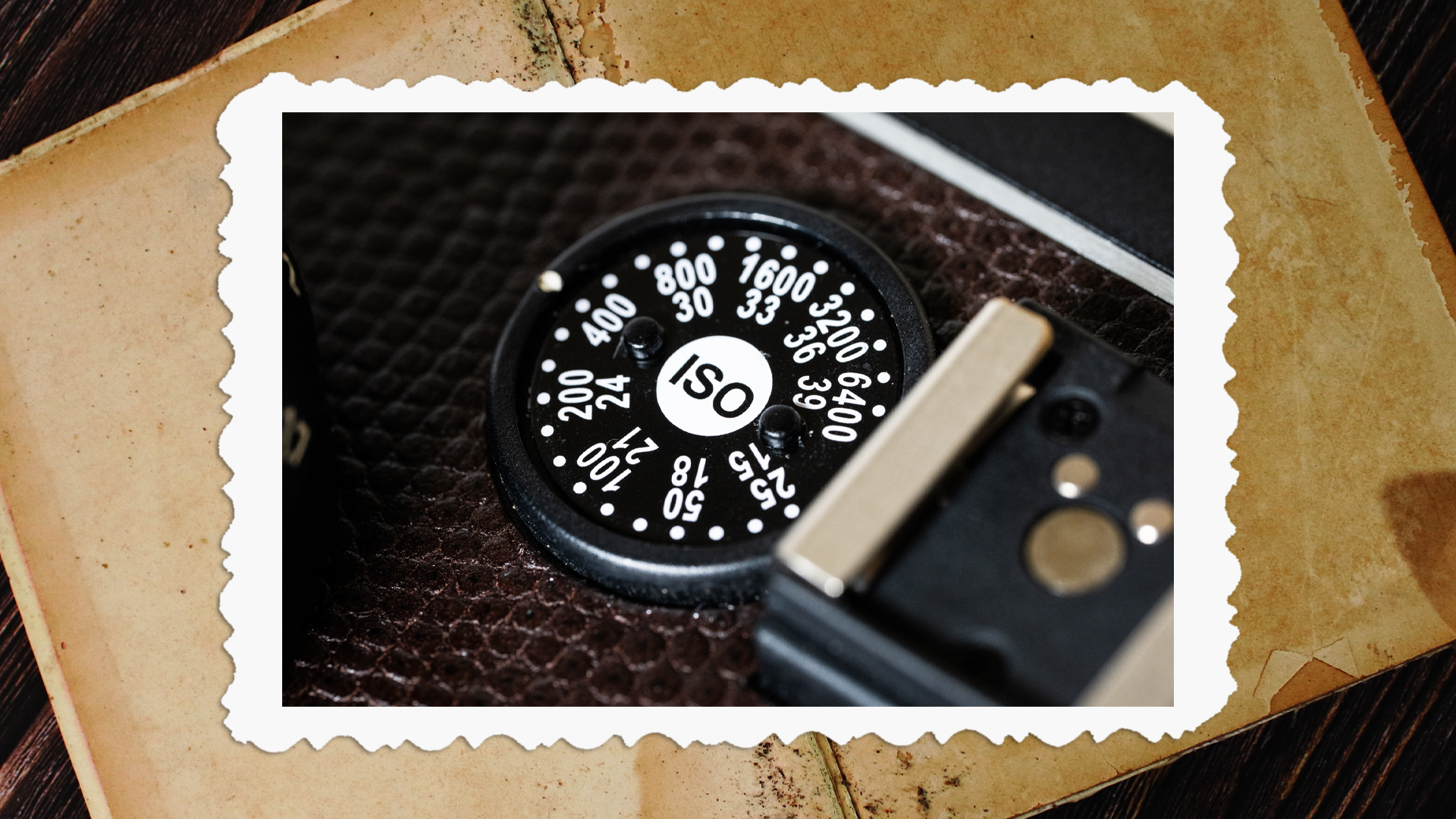
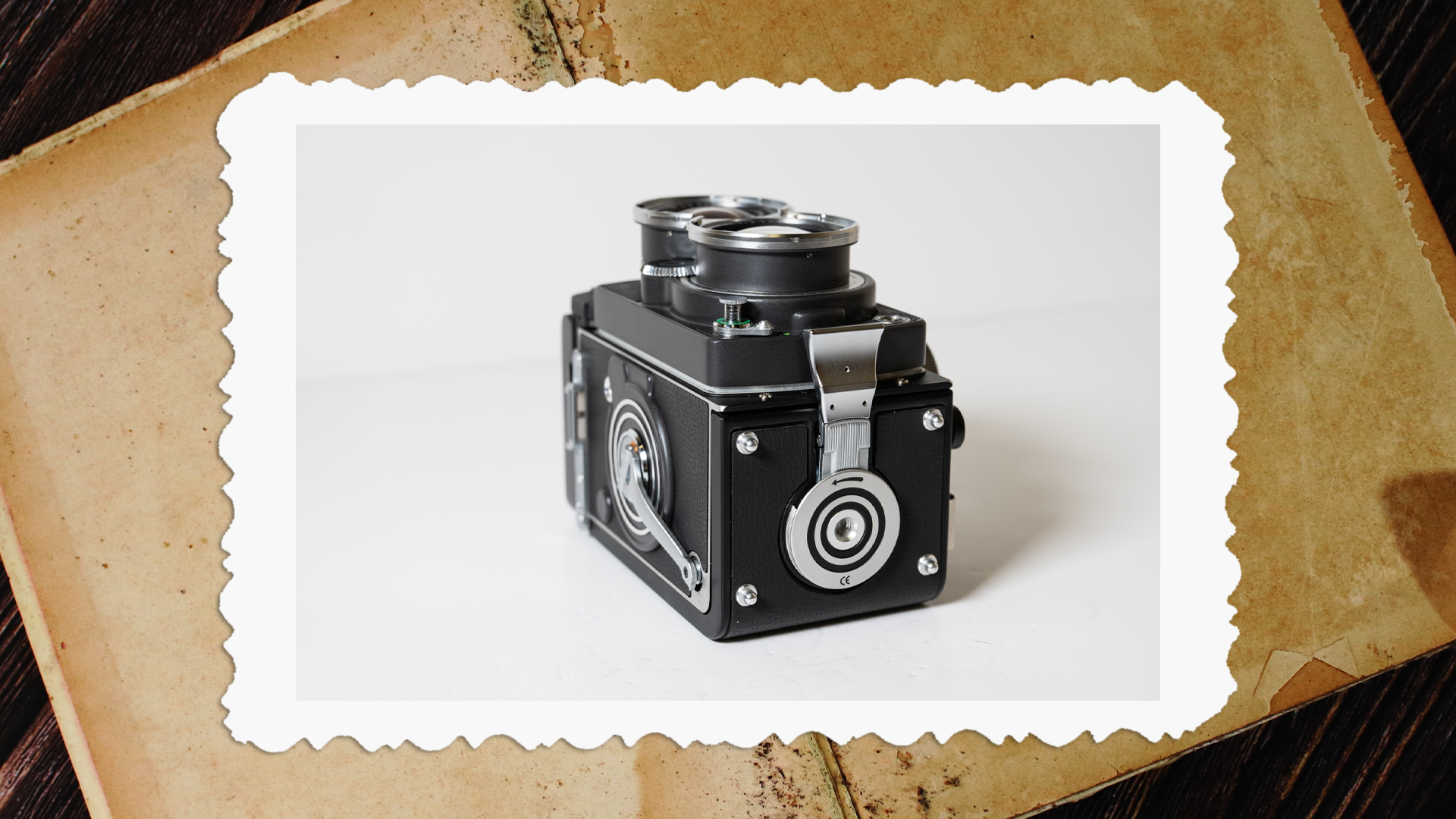
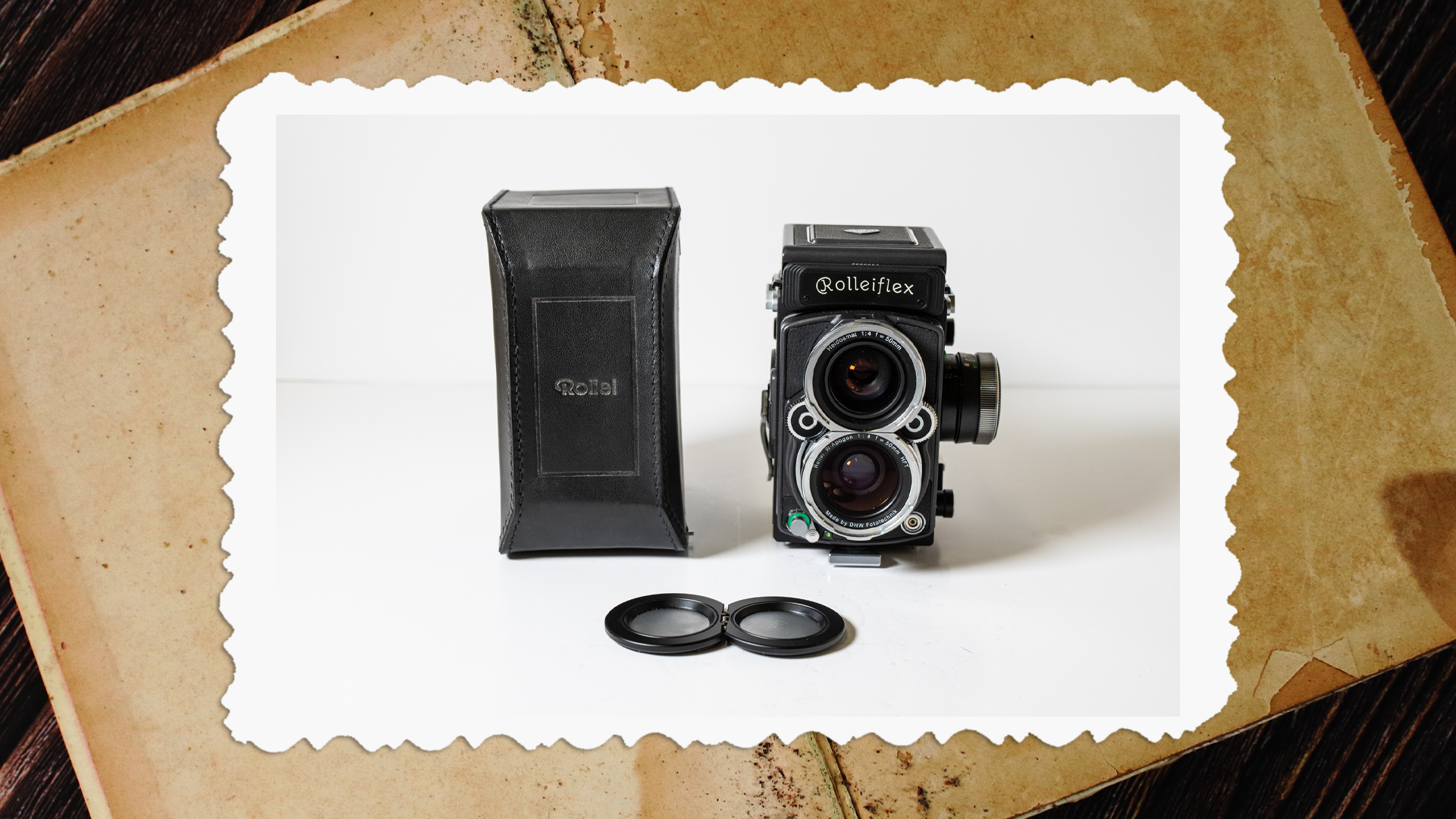
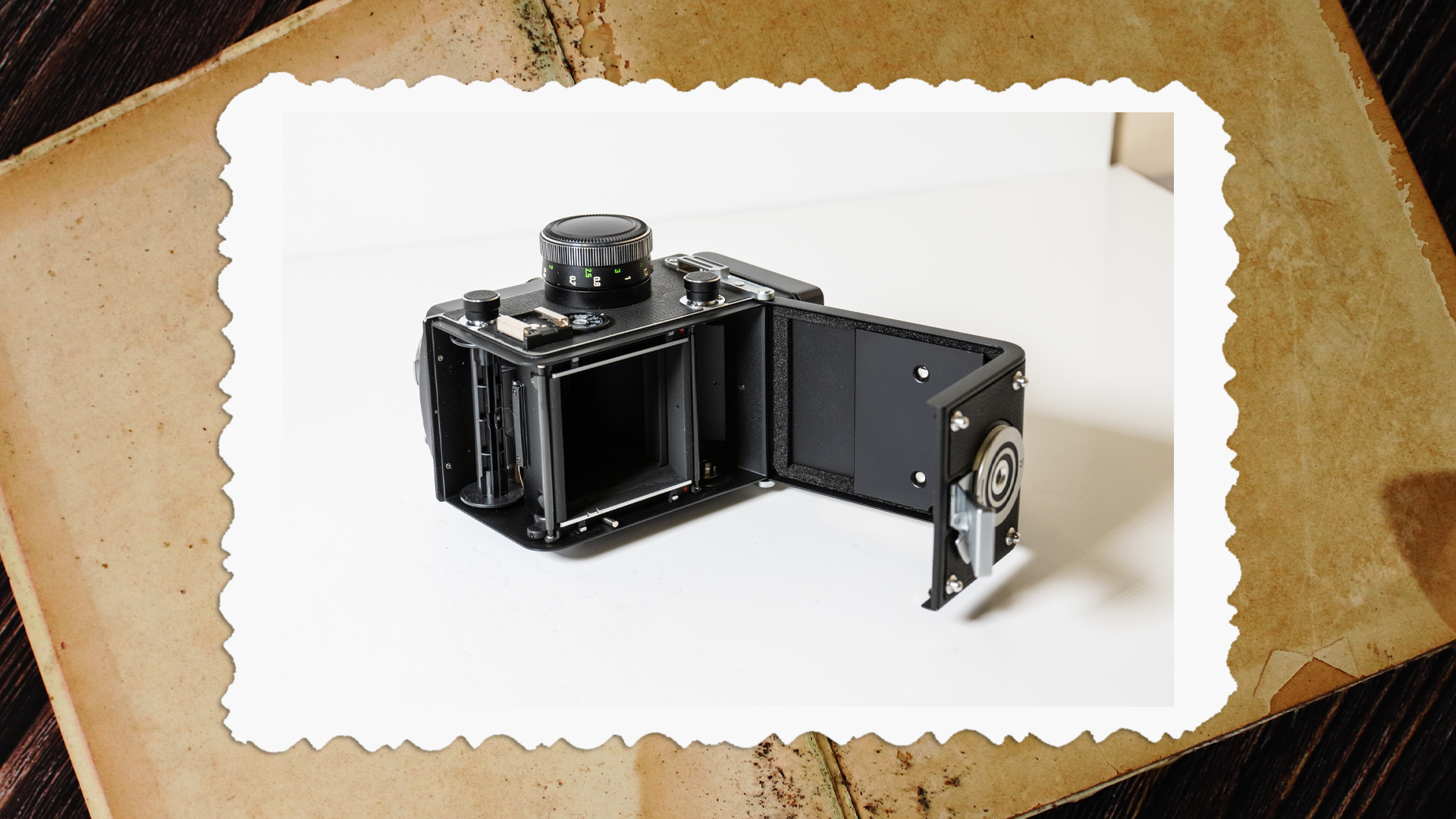
At the time of publishing this article, we are lucky to be in possession of the Rolleiflex 4.0 FW inscribed with serial number 0000002.
Rolleiflex 4.0 FT
Lastly, we have the telephoto equipped Rolleiflex 4.0 FT with a 135mm f/4.0 lens. Featuring all of the legendary style and mechanical features of the two aforementioned models, the FT sports one noticeable difference. That would be the lens.
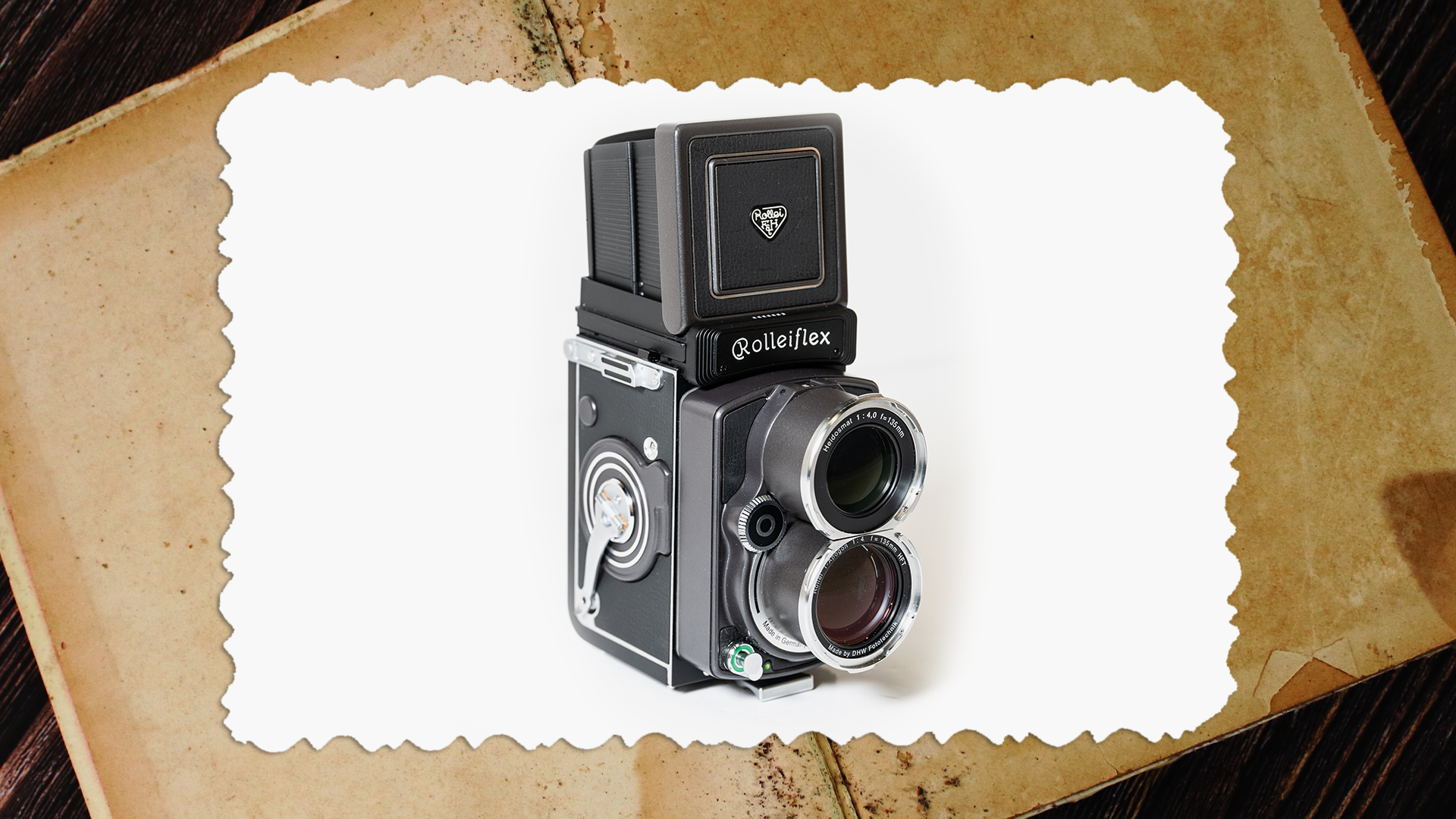
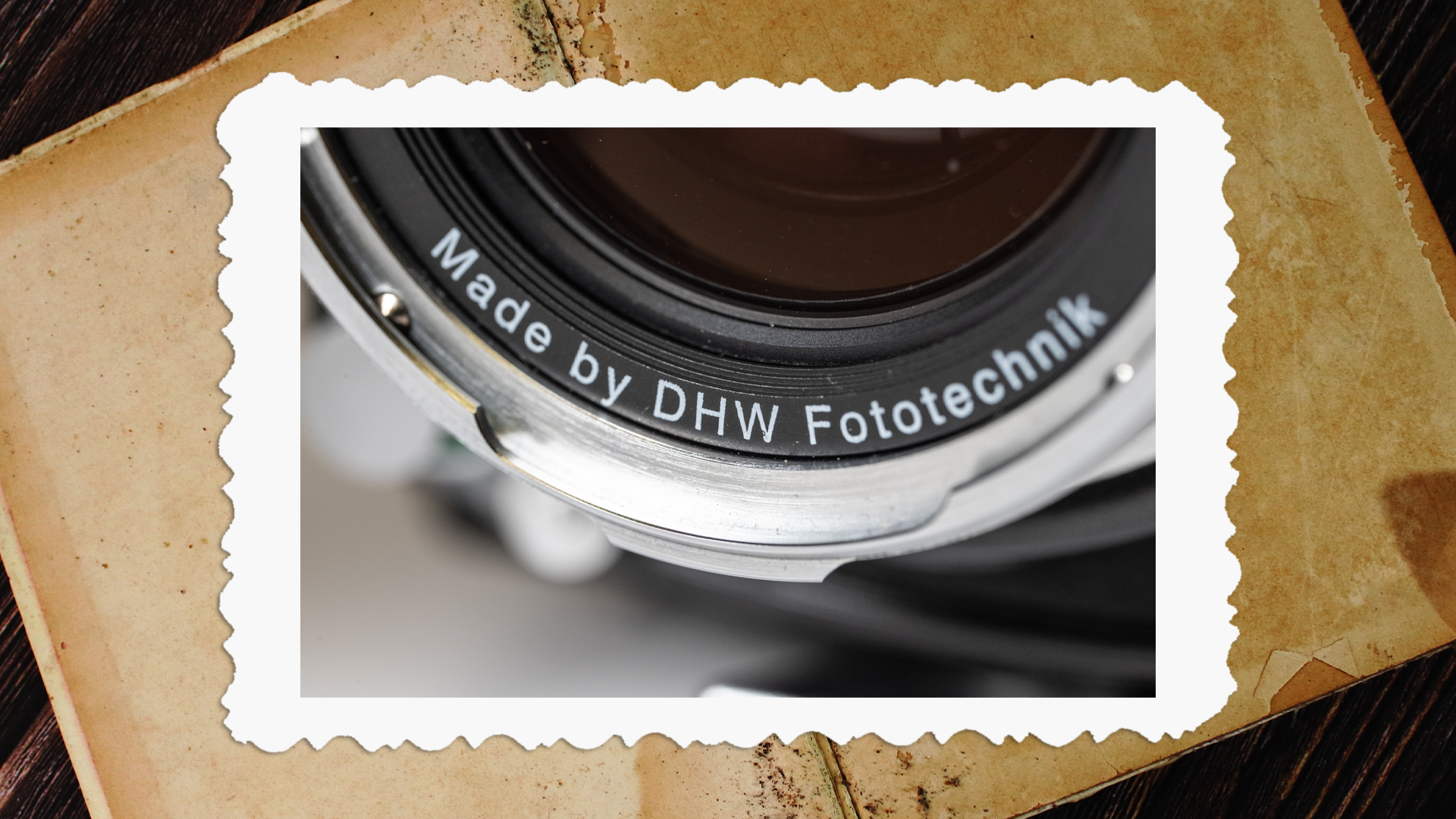
Front and center on this iteration of the iconic 6x6 camera sits a Schneider Tele-Xenar 135mm f/4 coated with the same HFT multicoating of its sister cameras. Why would one need such a long focal length? Why, would we suggest such a camera for portraits or tight street shots. This isn't as versatile a camera as either of its aforementioned contemporaries, but it's just as refined.
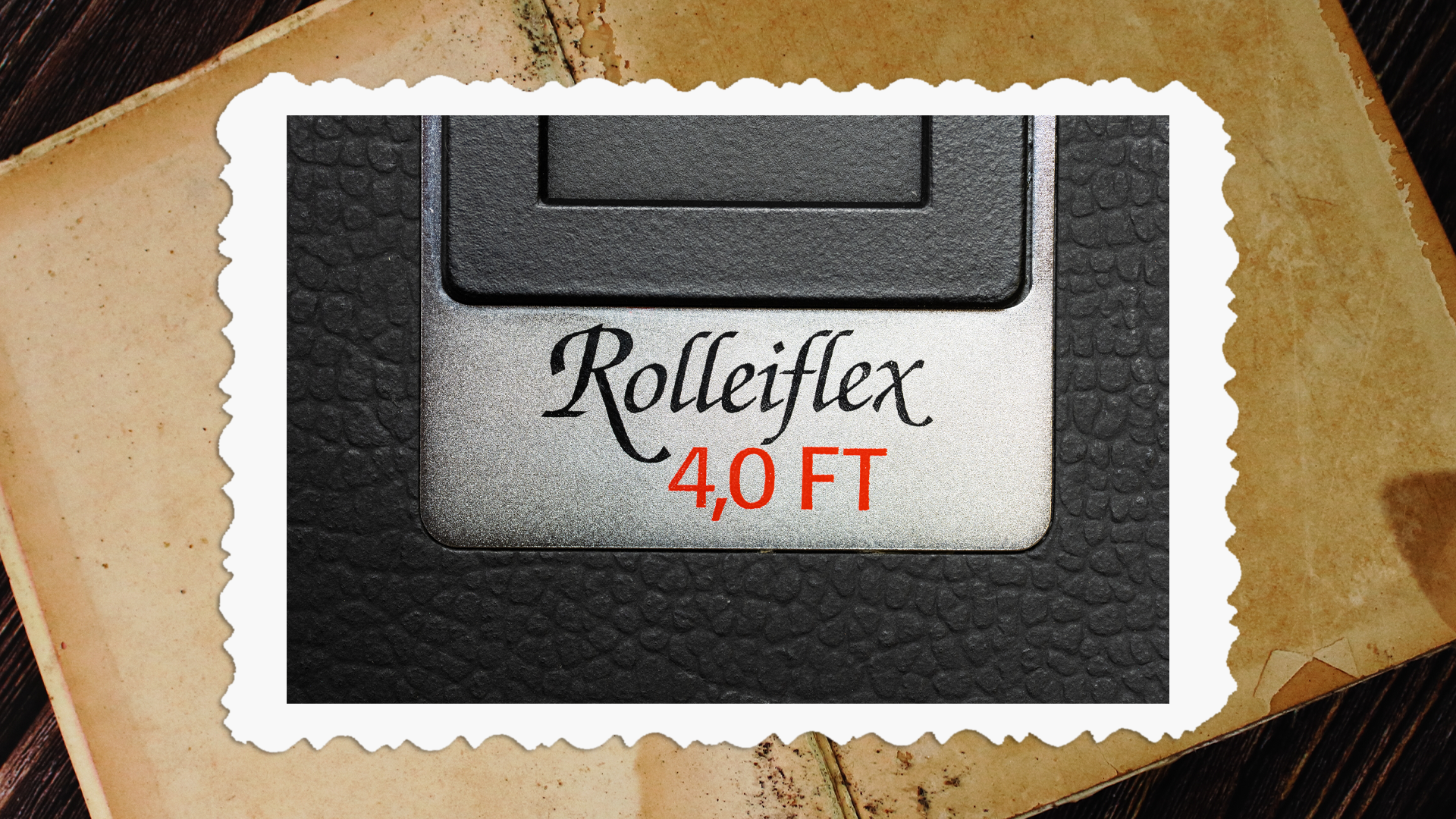
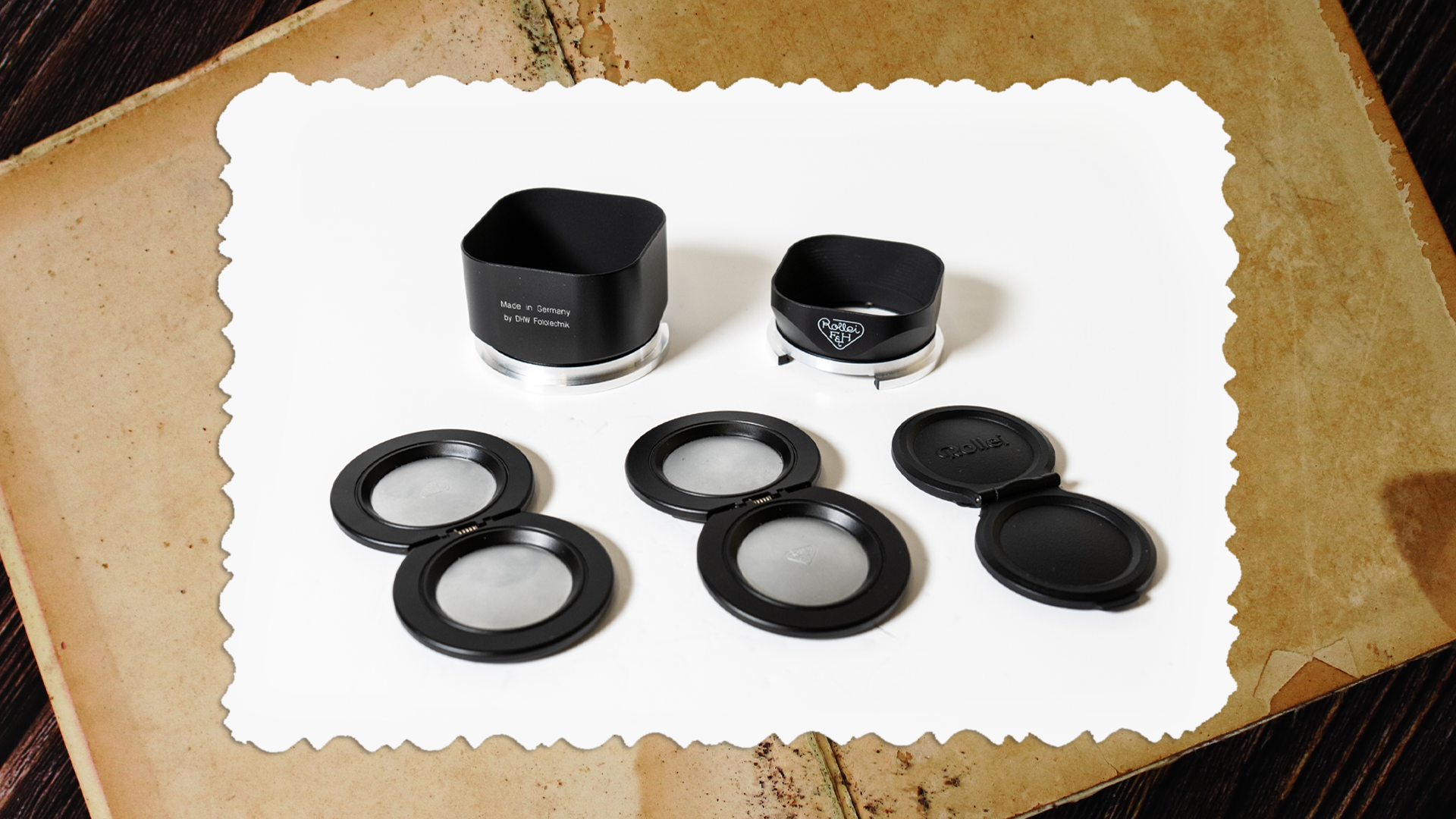
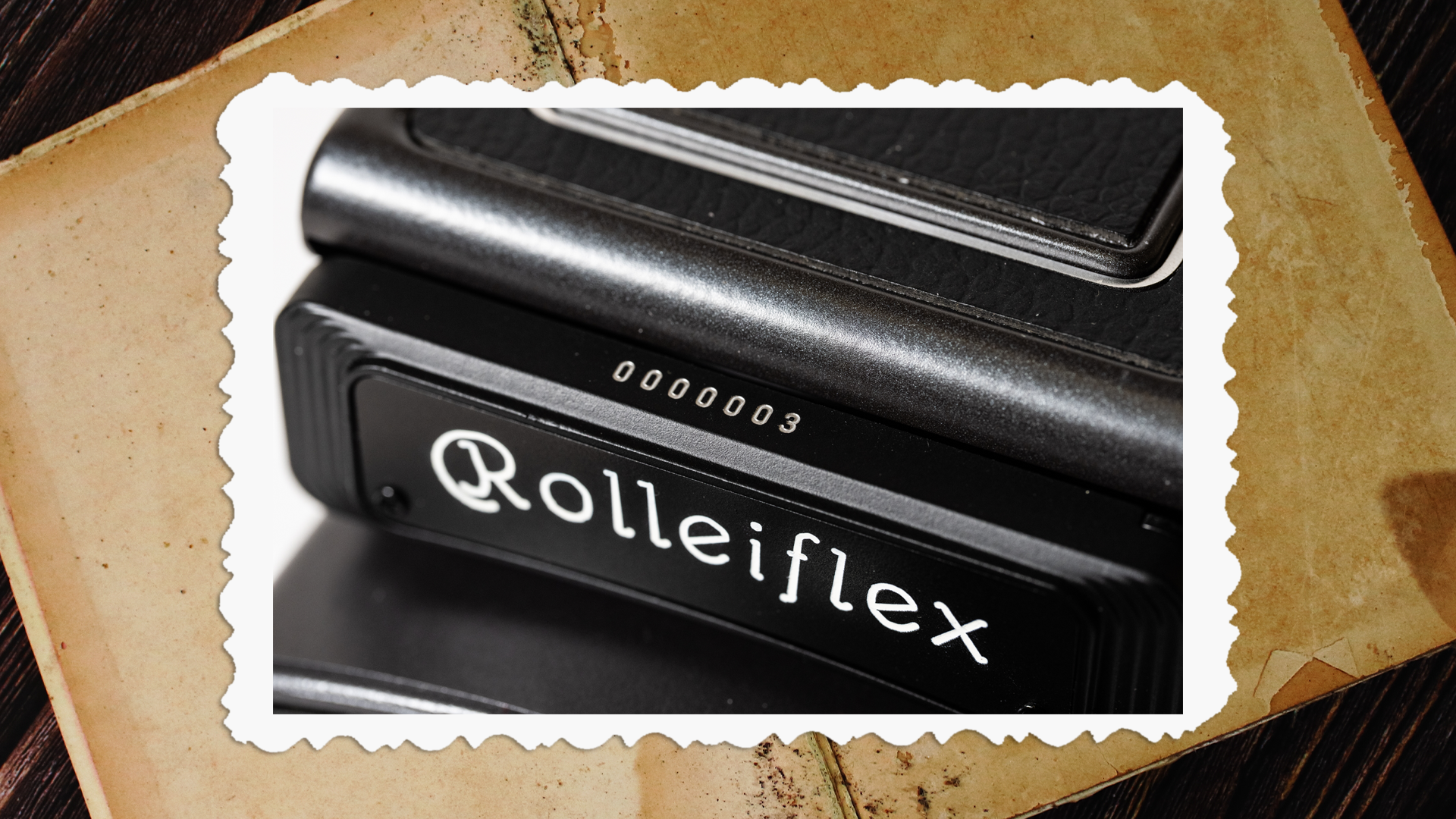
Once again, at the time of writing this article, we are fortunate to be in possession of the Rolleiflex 4.0 FT inscribed with the serial number 0000003.
A Trio to Remember
These cameras, and the history they hold, would be among the last of their kind. Although these three specific cameras mark among the first in their respective productions, the Rolleiflex line as the industry knew it would come to an end in 2009.
Although the name Rollei would be revived under new ownership, and an updated version of the camera, the 2.8 FX-N would be released. Other models like the FT would continue production, but the original 2.8 FX and its sister cameras marked the end of an era.
More than Just a Camera
Synonymous with the golden age of photography, the name Rollei ignites a certain spark in the eyes of photographers of all generations. Throughout its history, Rollei has seen recession, war, and so many other global events both good and bad. Even though the brand may not exist in the same form that it once has, the name and legacy live on and will continue to live on as a part of photography history. That extends to both world history, and the history of one's own family.
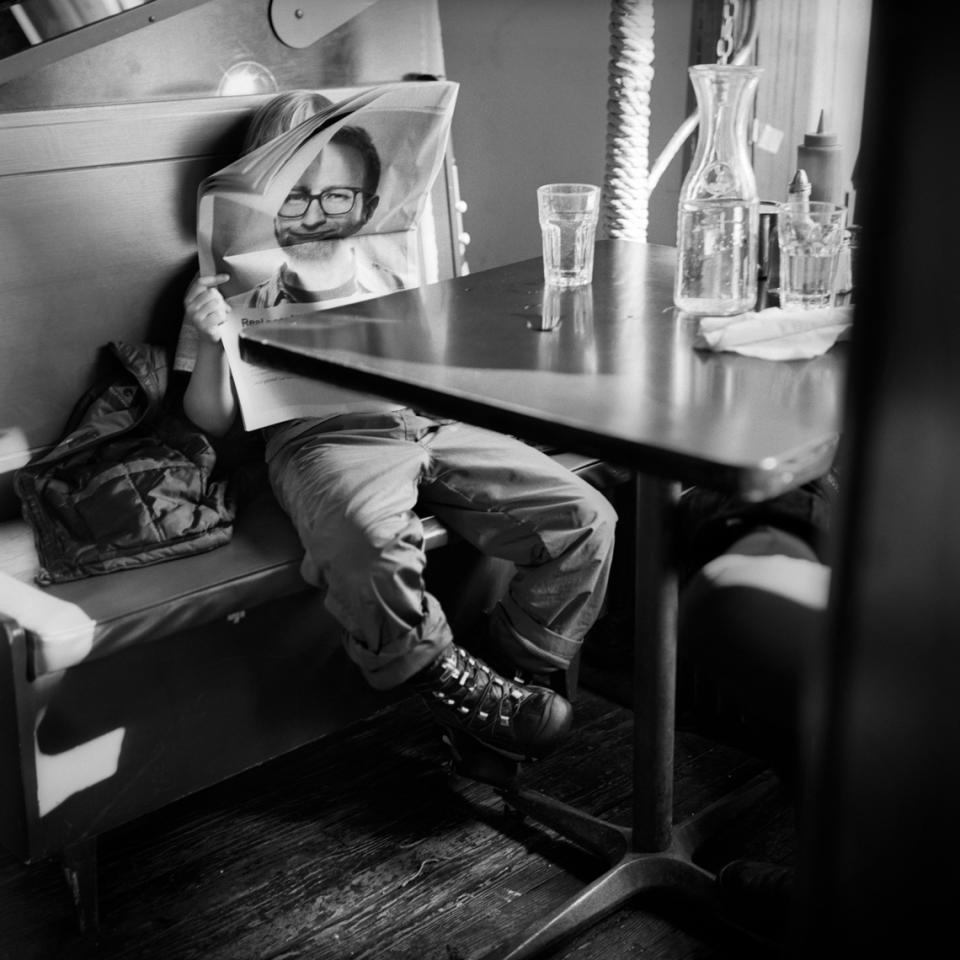
A camera is a tool in the photographer's arsenal, just as a power drill is a tool in a builder's bag. It serves a purpose, and to the owner, it often holds no sentimental value. But, with a camera like a Rolleiflex, there's something more at play. Unlike the modern mirrorless camera, a Rollei is something that holds a value beyond a monetary one. Many sons and daughters, nieces and nephews have inherited these old work horses and view them, not as a tool, but as a part of their parents, grandparents, or whoever owned them before.
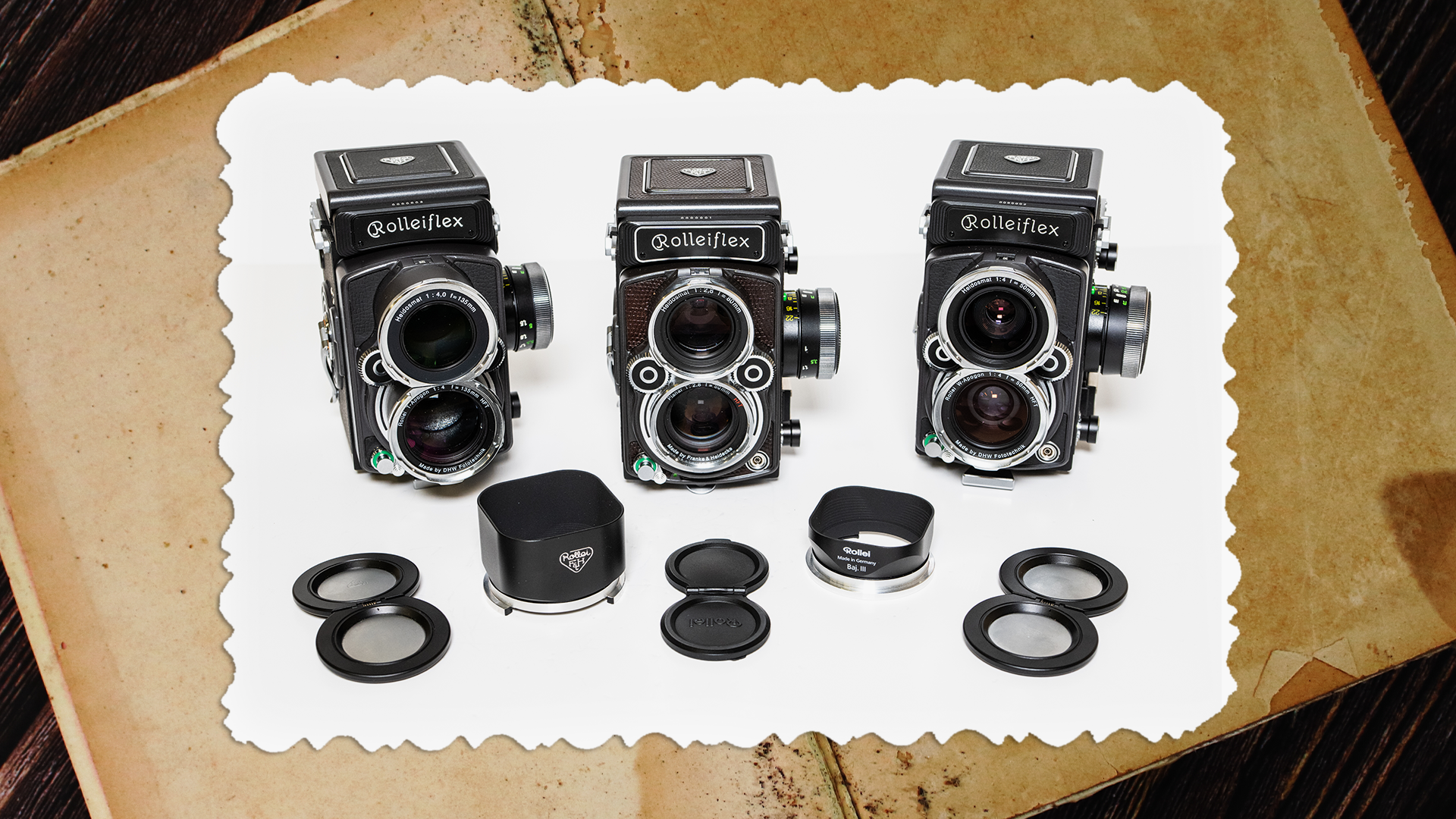
This trio of Rolleiflex cameras come in beautiful condition and sporting a significant set of serial numbers as well. As a kit, this set is one that we hate to see go, but one that we know will find a worthy home. After all, what photo enthusiast wouldn't want to own a piece of photographic history?
To Own a Piece of History
The Rolleiflex 2.8 FX, 4.0 FW, and 4.0 FT may have marked the end of an era, but they also serve as a celebration of the long history and innovations in an artform that can seem overwhelming nowadays. With huge advances in technology, modern cameras, with constantly revolving tech cycles, do not have the cultural longevity of their analogue predecessors. This is a testament to modern ingenuity, but there's something undeniably distinctive about something as archaic as a Rolleiflex.
It represents a time before we were worried about megapixels, AF tracking speeds, and the dreaded bokeh of a lens. The Rolleiflex wowed artists with its reliability in the field and the craftsmanship that went into designing and building it. This is what draws collectors and film enthusiasts to cameras like these.
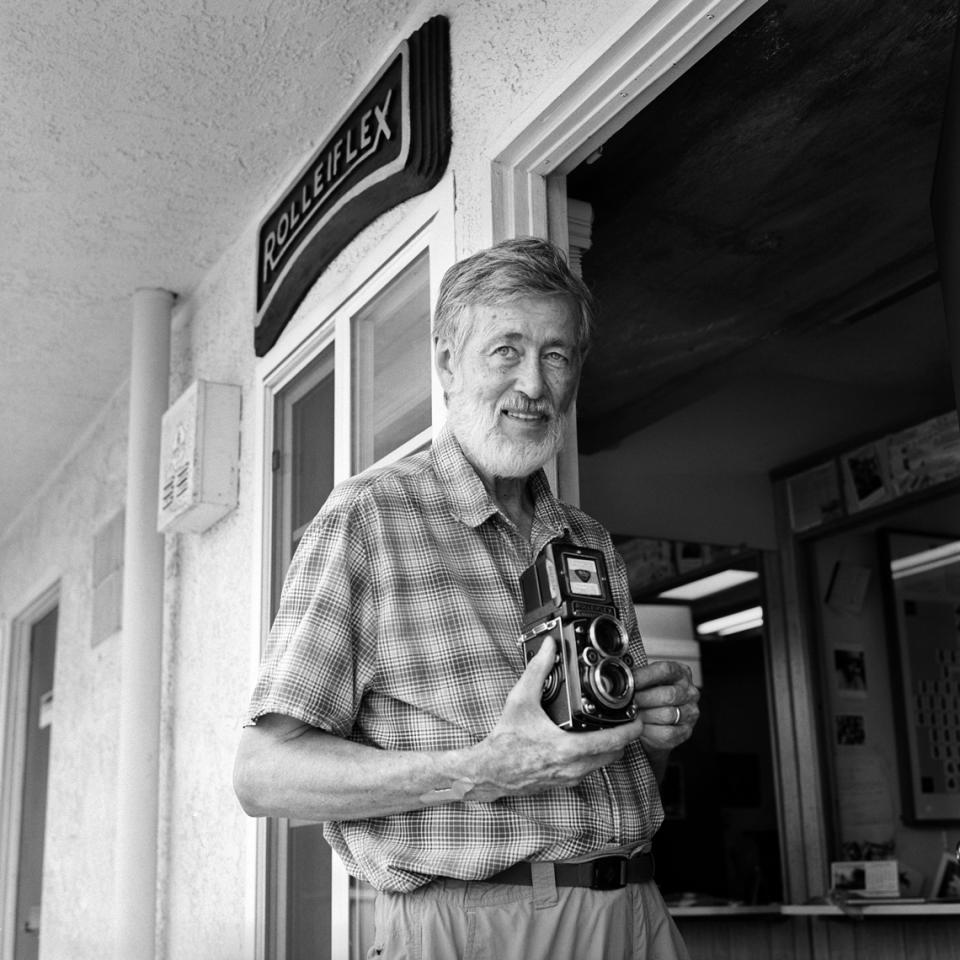
Owning any old Rolleiflex is a joy to any film photography fan. Now imagine owning not one, but three of the first models in their production. The 2.8 FX is marked with the serial number 0000001, the 4.0 FW is marked 0000002, and the 4.0 FT is marked 0000003. These cameras mark the beginning of their era, and a major milestone for one of the Titans of photo history.
Whether for display, or to be locked away in a personal collection, this set of Rolleiflex cameras mark a turning point in the industry. The significance of their serial numbers alone makes them an incredibly rare find, but the fact that they are complimentary models adds another layer to the mix. They were the first and the last of a dying breed of camera.
Even if one dares to use them in the field, they'll find a beautiful set of cameras, each specialized for certain applications thanks to their varying lenses. Though, we don't imagine these cameras will see much daylight, as they're pristine and likely will serve as a commemoration of an iconic brand.
Why We Do What We Do
We at B&H are a group of people who are passionate about photography, videography, music, and beyond. We're fortunate to be able to share these passions with the many people who've walked through our doors or visited our website. No matter how big our reach grows, we'll never forget how lucky we are to act as a steward for such incredible pieces of photo history, so that future generations can enjoy these cameras as we have enjoyed cameras of the past.
The B&H Used department is no stranger to unusual and unique finds, and these cameras are certainly unusual. If you're looking for a particular camera, lens, strobe, or even computer, check out our used page. As you can tell, you never know what may come through our doors. Whether it be an analog legend from 70 years ago, or a recent release you're looking to save a few bucks on, we've got you covered.
We hope you've enjoyed this look into the world of photography we hold so near and dear. To learn more about the art of photography and new gear that we'll hopefully look back at as fondly as we do the Rolleiflex, check out our other guides, articles, and reviews on the B&H Explora site.
