Search results for: photography basics color temperature kelvin
About 3 filtered results
by Jill Waterman · Posted
While much has been written about the significance of color management to optimal print output, the topic of adequate lighting conditions for the viewing and evaluation of photographic prints is an important detail that's usually given short shrift.
Tom P. Ashe is an undisputed expert in translating transitory images viewed on a screen to a stunning presence in print. In addition to literally writing the book on this subject with his 2014 title Color Management and Quality Output: Working with Color from Camera to Display to Print, Ashe is an
by Allan Weitz · Posted
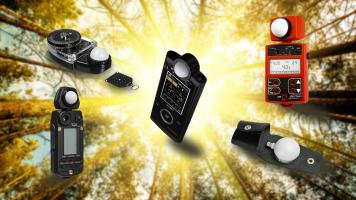
Almost every camera sold at B&H contains a light meter designed to calculate extremely accurate exposure readings, typically with a choice of Spot, Average, and Segmented metering modes. Good as they are, handheld light meters still have the upper hand when it comes to analyzing light.
For starters, the meter in your camera only reads reflected ambient light. If you’d prefer to take an incident reading, i.e., measure the light falling onto you subject rather than reflecting off your subject, you can’t do it without having to add

by Allan Weitz · Posted
Sometimes, the phrases, acronyms and strings of numbers or number-letter combinations used to identify photographic hardware or techniques can be daunting to the uninitiated neophyte photographer.
We've prepared a list of the basic terms. Have we left any out that you think should be added? Please let us know!
0-9 | A | B | C | D | E | F | G | H | I |