
Traveling with camera gear can be a daunting experience, especially as we start expanding our arsenal of lenses. Picking the right lens for the job is a challenge in itself, and now we’re finding the space to pack it among our clothes, and other essentials. Wouldn’t it be nice if we had one lens to do it all?
Luckily, such lenses do exist, and these travel-ready all-in-one zooms come in a variety of mounts, some brand specific, and others available for many different cameras. In today’s guide, we’re covering the best travel zooms for APS-C or “crop” sensor cameras like the Sony A6700 or the Canon EOS R10. These lenses cover landscapes, portraits, and in some cases even wildlife offering versatile zoom ranges, with many truly doing it all.
What Is an APS-C “Crop Sensor”
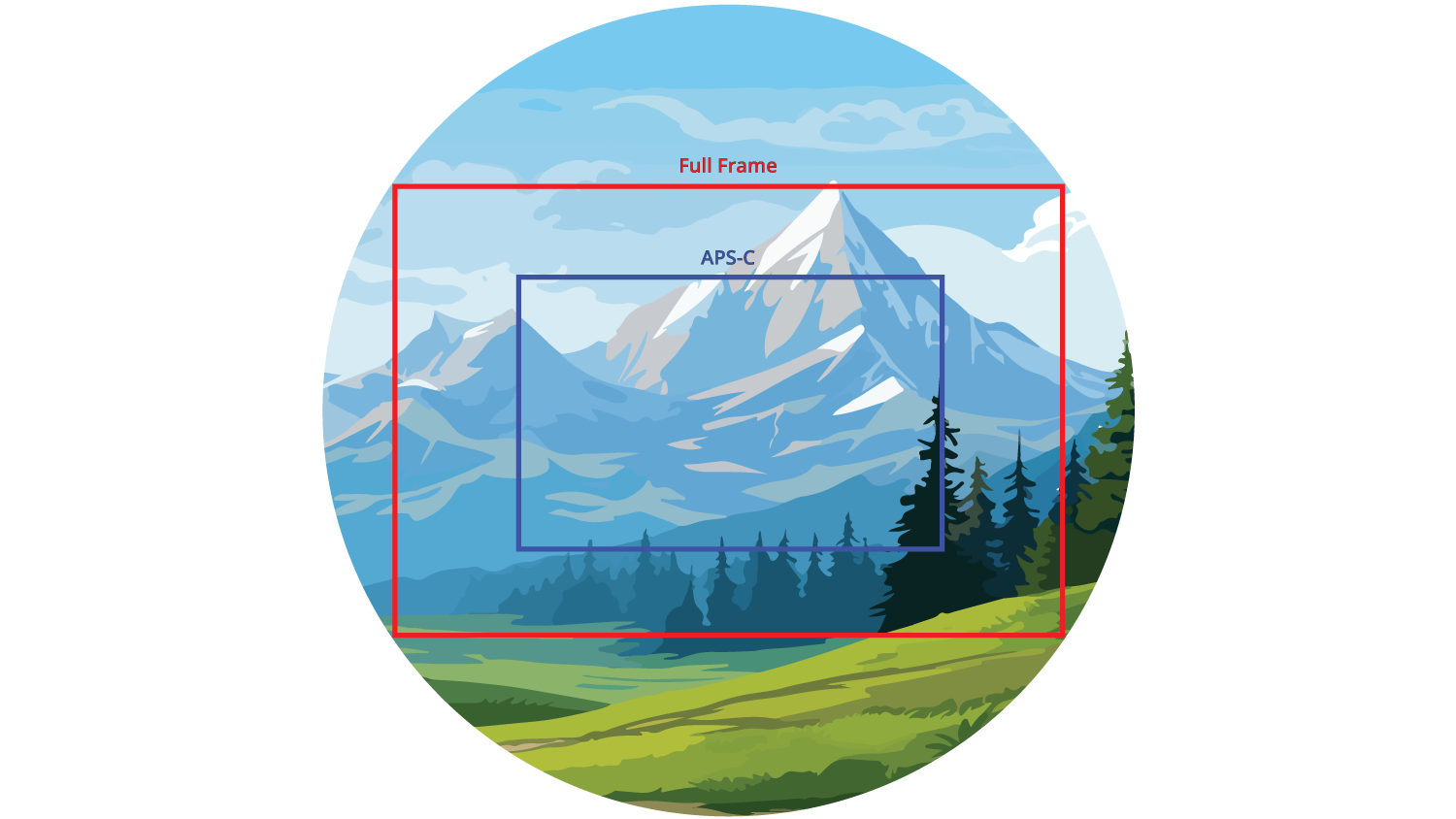
Most of the big camera brands offer cameras in two formats: full frame and APS-C. These formats represent the physical size of the imaging area or sensor. We covered this in great detail in our examination of the benefits of sensor size. At about the size of a 35mm negative, full frame is bigger than APS-C—about 1.5x or 1.6x smaller, depending on the manufacturer.

The cameras themselves are a bit smaller as well, and as you may have guessed, the lenses are too. This makes APS-C cameras very popular among the traveling photo enthusiast, as the cameras are smaller, lighter, and more practical to pack on a long vacation. When paired with one of the all-in-one zoom lenses on this list, you’ll truly have a Swiss Army knife of cameras.
The Lenses
-
Tamron 18-300mm f/3.5-6.3 Di III-A VC VXD
Up first, we have the Tamron 18-300 f/3.5-6.3 Di III-A VC VXD. which is available for Sony E, Nikon Z, Fujifilm X, and Canon RF mounts. What can we say about the Tamron? It's fast focusing, offers stellar image stabilization via Tamron’s VC system, and even offers a weather-sealed construction for use in inclement conditions. Photographers can even dabble in the world of close-up macro photography, as the lens offers a minimum focusing distance of just 5.9” when fully zoomed out to 18mm.

This is a true all-in-one lens, offering an effective zoom range of 27-450mm. You might be wondering how that works. Well, all lenses are designed around the full-frame standard, even those specifically designed for APS-C or other sized sensors. In this case, our sensor is 1.5x smaller than full frame (1.6x for Canon) and so we multiply our focal length by that value to get our effective field of view. When we figure this out for the 18-300mm, we get a 27-450mm effective zoom. Remember that the focal length itself never changes, just the amount of the field of view that we can see.
-
Sigma 16-300 f/3.5-6.7 DC OS Contemporary Lens
Sigma’s take on the all-in-one zoom is familiar, although it offers a little more width at the long end. The Sigma 16-300mm f/3.5-6.7 DC OS Contemporary Lens is one of the most popular super zooms in the APS-C sphere, coming in Sony E, Canon RF, and Fujifilm X mounts as well as L-Mount in a first for this list. While it may seem similar to the Tamron, there are some notable differences.

First and foremost is the ever so slightly wider field of view at the wide end of the zoom range. You may not think there’s a big difference between a 16mm and 18mm (24mm and 27mm effective) focal length, but if landscapes and wide-open vistas are on your wish list, consider the wider option. While zooming, you can also lock the lens at the wide end to prevent the lens from extending accidentally, or while stored.
Building upon the already impressive line-up of features is the incredibly close minimum focusing distance at the 70mm position. This offers half-size macro images at a tighter focal length, but don’t fret, even at the wide end, the magnification is about 1:3. This is all made even more practical with Sigma’s OS algorithms, the same that are found in their larger, pro-level zooms. This helps reduce shake for better hand-held reliability.
-
Fujifilm XF 18-135 f/3.5-5.6 R LM OISL WR
The first brand specific lens on our list is not as versatile as our previous contenders, but it maintains a rugged build and visual aesthetic for brand that’s known for their retro looks. The Fujifilm XF 18-135 f/3.5-5.6 R LM OIS WR Lens is a shorter zoom but offers many of the creature comforts Fujifilm users have grown accustomed to, as well functional features such as optical stabilization and a weather sealed construction. Also beneficial is Fujifilm’s quick and quiet autofocus performance, which suits both still photography and videography.

One of Fujifilm’s most notable traits is an analog feel, a feature that extends to the lens via a control dial which can be programed to serve as an aperture ring and more. This lens, paired with Fujifilm’s various imaging tools like their film simulation presets, delivers stunning, high-quality images throughout its 27-206mm effective zoom range.
-
Nikon NIKKOR Z 18-140mm f/3.5-6.3 VR Lens
Coming in with a similar focal range, is the Nikon NIKKOR Z 18-140mm f/3.5-6.3 VR, a compact, versatile zoom with a range perfect for landscapes to portraiture and even distant subject matter. The Nikon is one of the lightest zooms available, and with a 27-210mm effective focal length, it’s poised to be a Nikon shooters single lens solution for travel.

The programmable control ring is set by default to manually control our focus, but it can be customized to suit your needs, controlling aperture or exposure compensation. Additionally, the lens sports a relatively close minimum focus distance of just 7.9” at the wide end of its zoom range, delivering a 1:3 magnification ratio, perfect for close-up shooting in a pinch.
Above, we mentioned that this lens is one of the lightest in its class, but we can’t just say that. At only 11.1 ounces, this lens often surprises users, as it’s only a hair lighter than the kit lens. This is why it’s such a practical upgrade and the travelling photographers dream lens.
-
Tamron 17-70mm f/2.8 Di III-A VC RXD
Wait just a minute, that doesn’t look like an all-in-one super zoom at all. If that was your first thought, consider that we don’t all need the zoom range, and some may benefit from features like better light gathering. That’s exactly what the Tamron 17-70mm f/2.8 Di-III-A VC RXD aims to do. With a maximum aperture of f/2.8 throughout its range, this lens is perfect for low light shooting and shallow depth of field portraiture.

This feature aids users in capturing portraits with stunning backgrounds that isolate the subject. What’s even more impressive is that its zoom range is still effectively 25.5-105mm, which is still plenty of range for most travel. Pair the fast aperture with a 70mm focal length and watch those backgrounds just disappear.
This lens is available for Sony E, Nikon Z, Fujifilm X, and Canon RF mounts. Just as described earlier, the Canon version features a slightly longer effective focal length thanks to the 1.6x crop factor of their APS-C cameras.
Take Your Pick
If you’re interested in a lens for travel, consider one of the above options! They offer versatile zoom ranges and do so in small packages that make trekking around with them all the more bearable. To learn more about all things photography, check out our other articles and guides on the B&H Explora page!
