
While much of what makes a great family portrait photographer comes with practice, there are ways you can improve your workflow with the right gear. Today, we’re going to look at accessories that will make your life as an at-home or even aspiring professional portrait photographer easier.Family portraits can be one of the most challenging yet rewarding genres of photography. On top of technical expertise and a familiarity with your gear, it also requires personability and the ability to (sometimes) wrangle up large groups. Even after you get a family posed and together, you need to make sure everyone stays put and looks their best. And of course, someone is always going to blink. These skills are not exclusive to professionals. Even the designated photographer at family occasions can benefit from them.
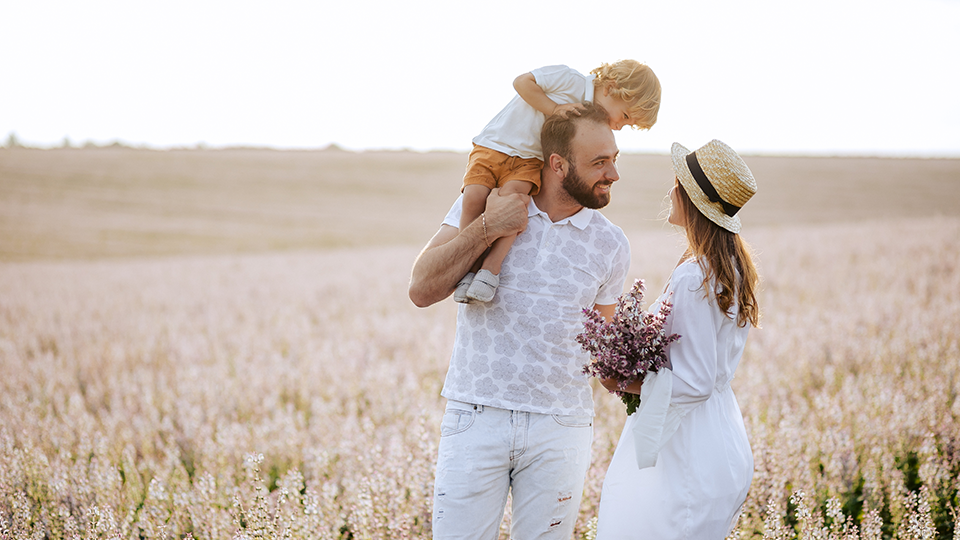
While much of what makes a great family portrait photographer comes with practice, there are ways you can improve your workflow with the right gear. Today, we’re going to look at accessories that will make your life as an at-home or even aspiring professional portrait photographer easier.
A Stable Base
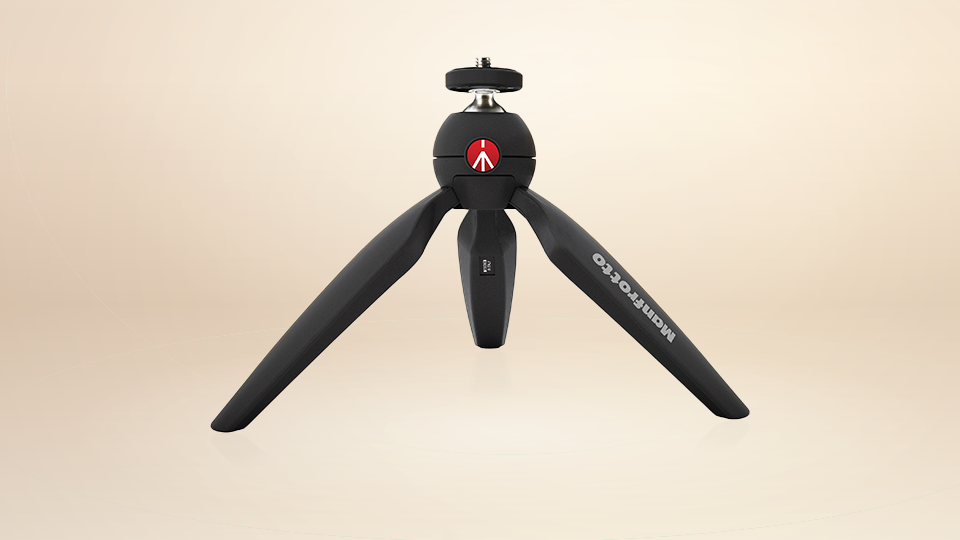
While you can work hands-free with a camera strap, lugging a camera around your shoulder all day can be a drag. A tripod is the best solution. A tabletop tripod packs up nice and small and depending on the model you choose, can fit in your pocket or support quite a lot of weight. The Robus RCMTT-1113 Carbon Fiber Mini Tripod can support up to 11 lb, meaning you can mount a full-frame interchangeable lens camera without worry. If you’re the type of photographer who leaves their “fancy” camera at home during the holidays, you can do wonders with the camera that never leaves your side. Your smartphone. For an ultra-light setup, the Manfrotto PIXI Tabletop Tripod should suffice. This is an incredibly portable option for compact point-and-shoot cameras or smartphones with an added adapter.
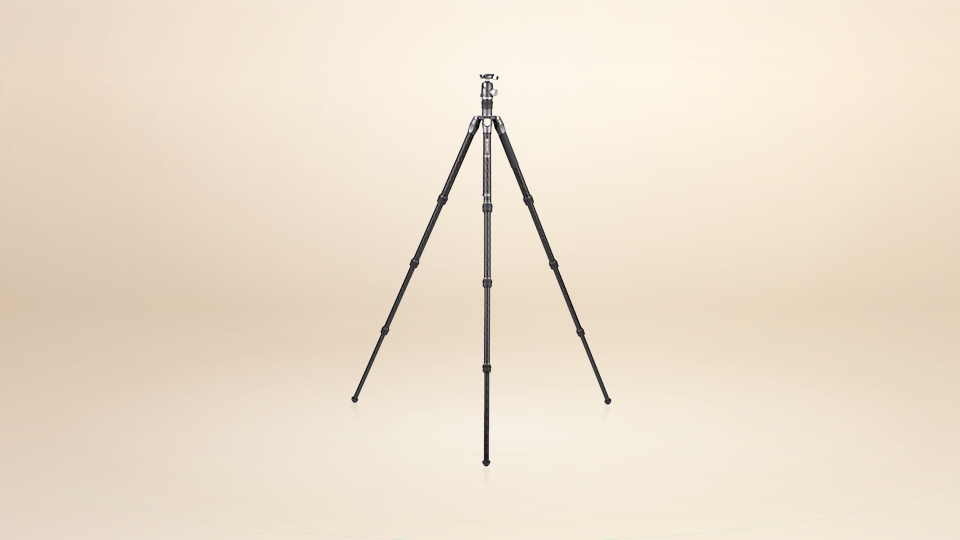
For a location shoot or for studio work, a full-size tripod will keep your camera steady and give you the ability to shoot anywhere. Travel tripods are great for location shoots as they fold up into a nice portable size. The Benro Rhino Carbon Fiber Tripod cuts a significant amount of weight without impacting stability and reliability. In the studio, you can work with whatever base you’d like, but the benefit of a travel tripod is that you pack it up and go anywhere.
A bonus item to consider is a remote shutter release. While most current mirrorless cameras on the market have a built-in timer, a remote allows you to quickly click the shutter without the need to run back to the camera.
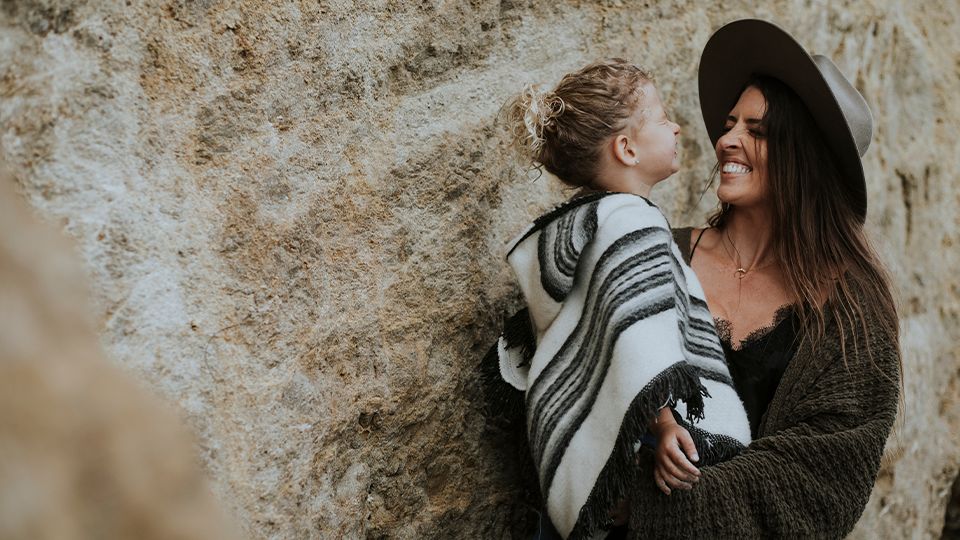
A tripod can also get you sharper shots in difficult lighting scenarios. Grandma’s living room seldom looks like a professional portrait studio, and while we want to capture a sincere, honest representation of the space, there is no harm with using some tools to enhance the quality of the image.
Fast Glass
If you’re using an interchangeable lens camera, a fast, wide-aperture lens is going to deliver superior image quality and more visually pleasing backgrounds. A standard zoom like a 24-70mm lens is the perfect starting point as it delivers a wide-angle to near portrait focal range. Here’s the catch. Just because a lens has a maximum aperture of f/2.8 doesn’t mean you need to use it at that aperture. Often times, these lenses feature the best glass and construction a manufacturer can offer, and the quality of the final image will always be better than those taken with a generic kit lens.
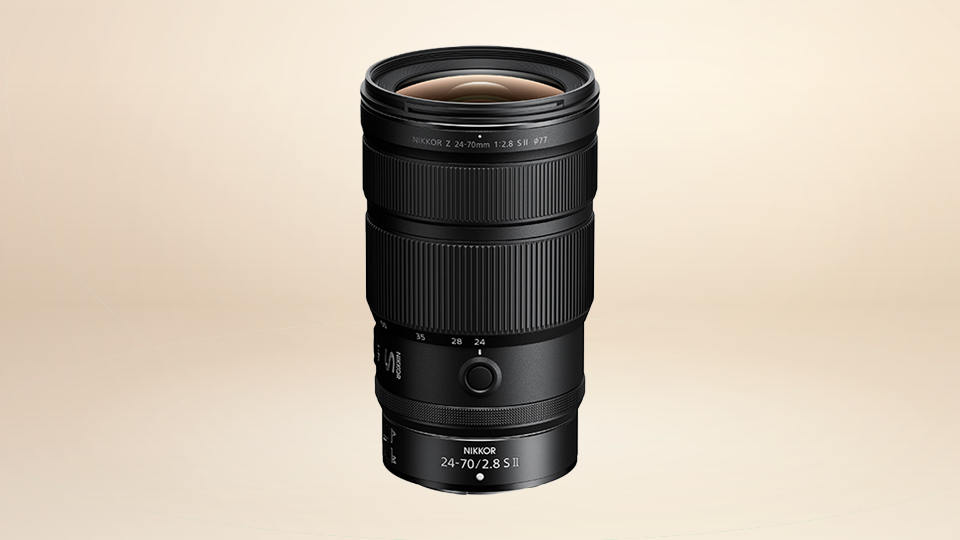
If you’re using a compact camera or even your smartphone, stop your aperture down to f/5.6-f/8 for small groups in order to get everyone in focus. Larger groups may call for apertures of f/11 or higher. Once we get to these smaller apertures, we may find ourselves shooting at a relatively slow shutter speed. In these cases, we may need some form of support.
Lighting
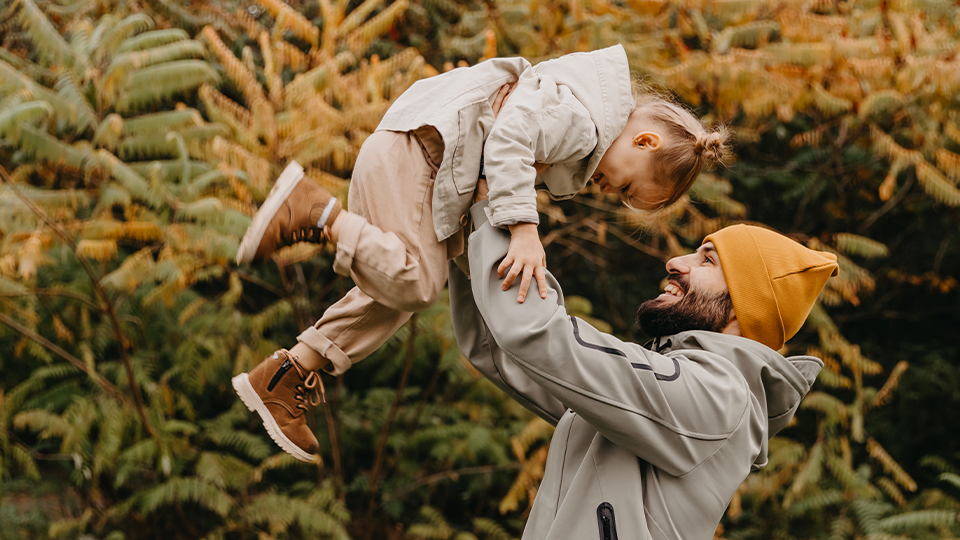
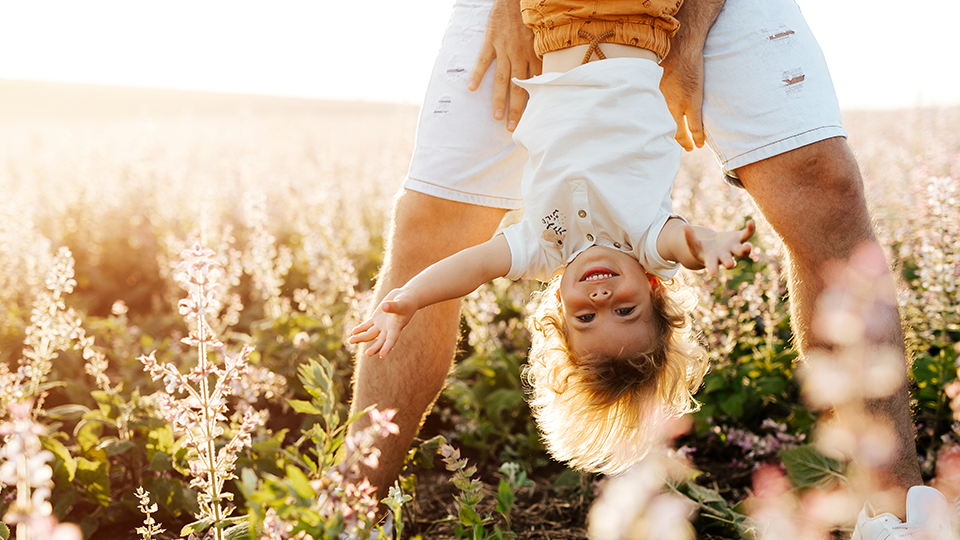
Lighting can alter the entire look of your image. There’s a reason photographers like to get outside during the first and last hours of the day during that “golden hour” of natural light.
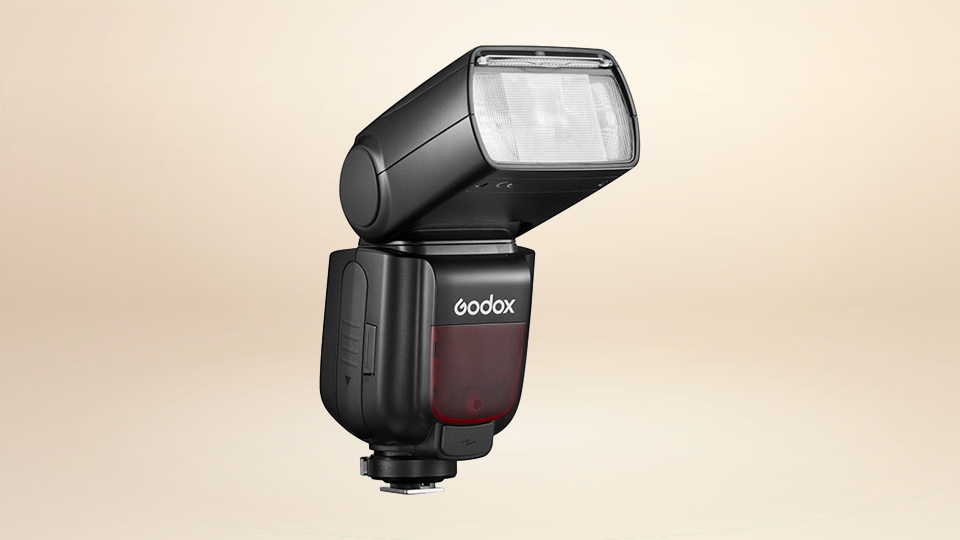
A speedlight separates the flash from the camera, delivering greater versatility and better overall quality of light. These are stronger and can be angled or even bounced off of a white sealing for greater coverage and a softer overall quality of light. Before you jump into flash photography, it’s important that you get a speedlight with TTL (through-the-lens) capabilities. Think of it like auto mode for your flash. It’ll work most of the time, but just like auto mode in your camera, mistakes happen.
When using flash, our goal is not to light a pitch-black room, but to compliment the ambient light. You know the look. Subject brightly lit with a near pitch black background. We call this the disposable camera look, as it closely resembles the images you’d get with a—well—disposable camera. We want to expose for the available light and add just enough light to capture the optimal level of detail.
Light Modifiers
Modifiers are any tool that allows you to shape light. Barndoors, reflectors, snoots, and soft boxes are common example. For portraits, photographers want to spread and soften the light source, so soft boxes and similar items like beauty dishes or umbrellas are used. Large octagonal soft boxes provide a soft, pleasing quality of light which can even deliver a wraparound effect when used close up to your subjects. The rounder shape of the modifier also creates a more natural looking catchlight in the eyes of your subjects. Umbrellas can either diffuse or amplify your light source depending on whether you use a reflective or diffusion design.
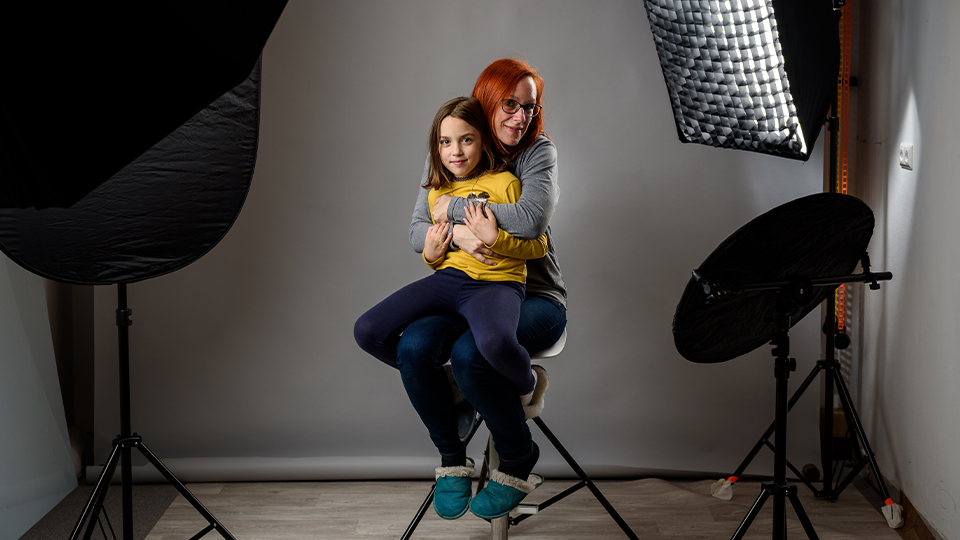
If you have your primary light source set and want to fill in shadows, a reflector allows you to do so and with versatile 5-in-1 options like the Westcott Illuminator QuickGrip Reflectors, photographers can easily boost contrast, soften shadows, or even warm skin tones. A 40” reflector is suitable for couples, but larger sizes are ideal for families.
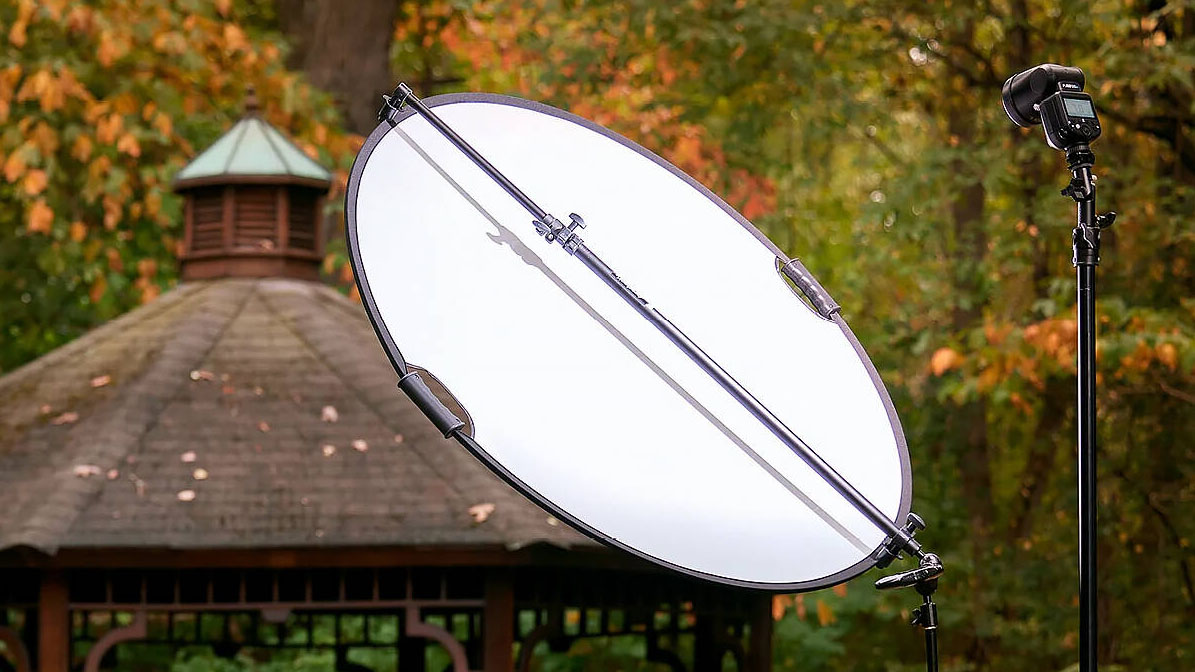
If you find yourself working with larger families, a second light and larger modifiers may be needed. Finding the right modifier for your needs will take a bit of consideration. What is the effect you’re going for? How many people do you intend to light at any given time?
Backgrounds
If you’re shooting in a studio, you’re going to want a variety of backgrounds. No matter how pretty a brick wall might be, it’s going to get stale really quickly. There are a number of background options to choose from, but for larger groups, seamless paper, canvas, or muslin is the preferred choice. Seamless paper is wrinkle free and comes in a variety of fun solid colors and printed patterns. Fabric backdrops are textured thanks to the material and wrinkles that naturally occur. Hand painted canvas backdrops are unique and fun to make.
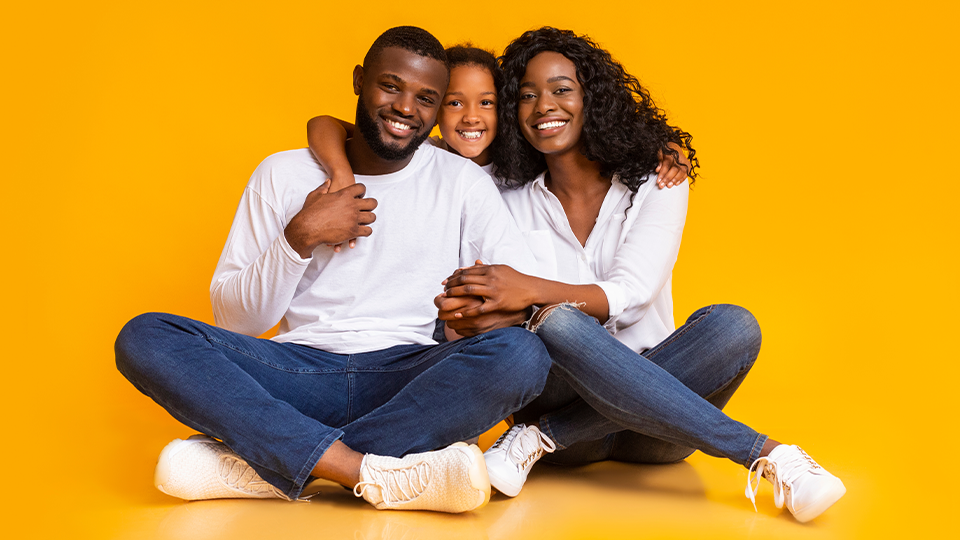
With any background, you’ll need some form of stand. Some are specific to the style of backdrop you’re using, while others are generic and can fit a variety of materials. Some photographers might even make use of a c-stand or wall mounted kits for seamless paper, though be aware of the maximum size background you can mount. A family portrait will require a wider backdrop than a typical portrait.
Posing Stools
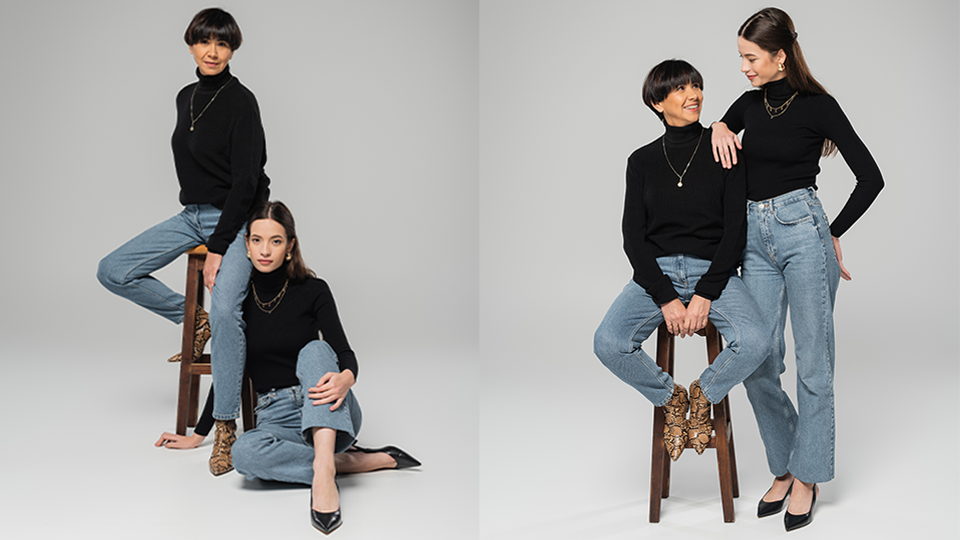
If you’re going to set up a studio, you’ll need some flexibility when posing your clients. A traditional posing stool is the perfect choice for an individual portrait of even a couple where one is standing. If you’re working with families, a set of posing tubs may be the better solution. These enable you to pose subjects at various heights to achieve better compositions. Each size fits within the next largest, and they can be dressed in separately sold white covers to match different backdrops and settings.
Printing
While photo sharing has largely become a digital endeavor in recent years, there is still something to be said for holding a physical photograph. Do you long for the days when you could snap a photo and then have a physical photograph to see in a matter of minutes?
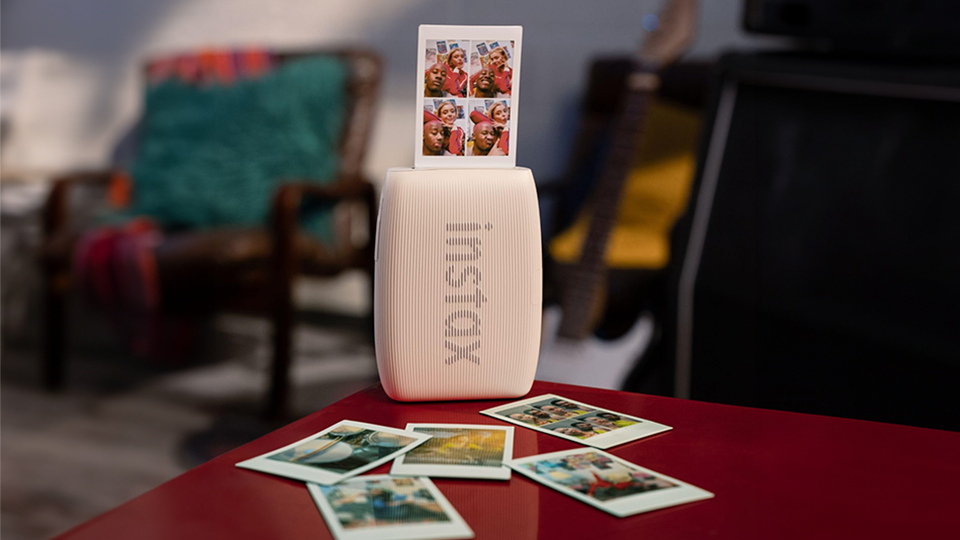
Fujifilm has your back in the form of the Instax Share Printers. These can connect to smartphones and Fujifilm mirrorless cameras to print polaroid like Instax prints in mini, square, and wide sizes. For non-Fujifilm shooters, you can simply use your brands smartphone connect app like SnapBridge or image.canon to send images from your camera directly to your phone. While yes, there’s an extra step, having a physical print to give your clients a fun gift in the form of instant prints.
Just for Fun
With family portraits comes a lot of interaction with kids. Some kids are just naturally photogenic, others not so much. While the effectiveness of this next accessory cannot be realistically calculated, it can be useful when dealing with a crying or distracted toddler. A shutter hugger is the perfect tool to draw the attention of a young child not too keen on being photographed. While any plushie fits the bill, these fit around the lens as to draw your subjects’ eyes directly at the camera. They even make a mini version that fits on smartphones and tablets.
As you can see, there are many accessories at the disposal of family portrait photographers. Some are practical in making your life easier, while others are fun or highly situational. If you want to up the quality of your family portraits, just some of the tools we’ve covered above can give your images a more professional look.
