Search results for: photography buying guide mirrorless cameras explained
About 5 filtered results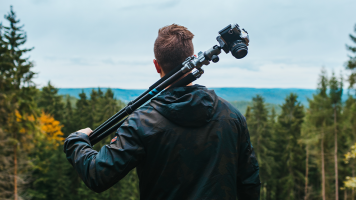
by Mathew Malwitz · Posted
As complementary as peanut butter is to jelly, the camera and tripod are an age-old pairing that still manages to maintain relevance and unmatched functionality in a world dominated by image stabilization and Photoshop tricks. While the form and function of a tripod is far simpler to understand than the scrolling menus of today’s feature-packed cameras, it can still be a chore to choose the right setup for your needs from among a sea of manufacturers and seemingly comparable models.
Now, what’s the big deal with tripods? Most photographers

by Mathew Malwitz · Posted
The travel tripod conundrum is a cruel reality of physics and practicality. The larger and heavier a tripod is, the steadier it will hold a camera. The larger and heavier a tripod is, the less likely you will ever want to carry it around or take it on a trip. Why are we left with a photographic reality like that which makes the tastiest food bad for you?
Tripods come in all shapes, weights, heights, and styles. If you are new to the world

by Zack Young · Posted
Once you’re familiar with the basic concepts behind high-volume photography, the next logical step is to figure out what gear you need to purchase. That’s when the panic might hit. Suddenly you’re flooded with decisions about cameras, lenses, strobes, backdrops, barcode scanners, and more, each category including tons of different options at every

by M. Brett Smith · Posted
While cameras and lenses create the base of any photographic kit, there are a few photo accessories available without which many photographers say they cannot live. The term “photographic accessories” covers a wide swath of what you’ll find at the B&H SuperStore and online, but it includes tripods, camera bags and cases, memory cards, batteries, filters, flashes, and more. In the world of digital photography, the computer and its accessories are

by Jill Waterman · Posted
No matter how many lenses a photographer has, there are often added lenses we still wish for, and even more lenses after which we lust.
There are so many options that choosing your next lens can often involve a dizzying cavalcade of choices—manufacturers, focal lengths, prime or zoom functionality, auto or manual focusing, and price. Below, we offer up some thoughts on what your next lens might be based on your shooting preferences and needs.
To keep things simple, our suggestions are based on the use of a full-frame camera—those seeking a