
The new school year is nearly upon us, which means it’s time to start stocking up on necessary gear and supplies. For film and photo students, that means finding the camera and gear that’s right for you.
Generally, schools require a DSLR or mirrorless camera with detachable lenses and full manual controls. Far from the smartphone or point-and-shoot pocket camera many of us are used to. To help you get the perfect tool, we’ve put together a list of some of our favorite cameras broken down into four categories:
- Best Overall Cameras
- Best Mid-Level Cameras
- Best Budget-Friendly Camera
- Best Film Cameras
These vary in price, starting at around $500 and ranging up to nearly $3000. That said, each level has something to offer, and some are more suited for specific types of photography. Also, remember to include a lens and necessary accessories in your budget. The camera is the brains of the operation, but it requires a lens to focus light into a legible image, and a memory card to record and store it.
To make this easier, we’ve focused on kits and bundles below, so lenses will be paired with the cameras, and in some cases, memory cards too. Make sure to check under “What’s Included” on the product page and remember that you can opt for the camera body alone and choose a different lens. Now, let’s get into the list.
The Best Overall
Nikon Z5 II
Delivering speed, stunning image quality, and comfortable ergonomics, the Nikon Z5 II Mirrorless Camera stands out among entry-level full-frame cameras. The camera sports a 24.5MP full-frame sensor with the advanced performance of higher-end models. The results are a blisteringly fast camera with incredible subject detection autofocus abilities, continuous shooting speeds of 30 fps, and 4K UHD video recording. Additionally, the camera offers 5-axis in-body vibration reduction and not one but dual SD UHS-II memory card slots for overflow or backup recording methods.
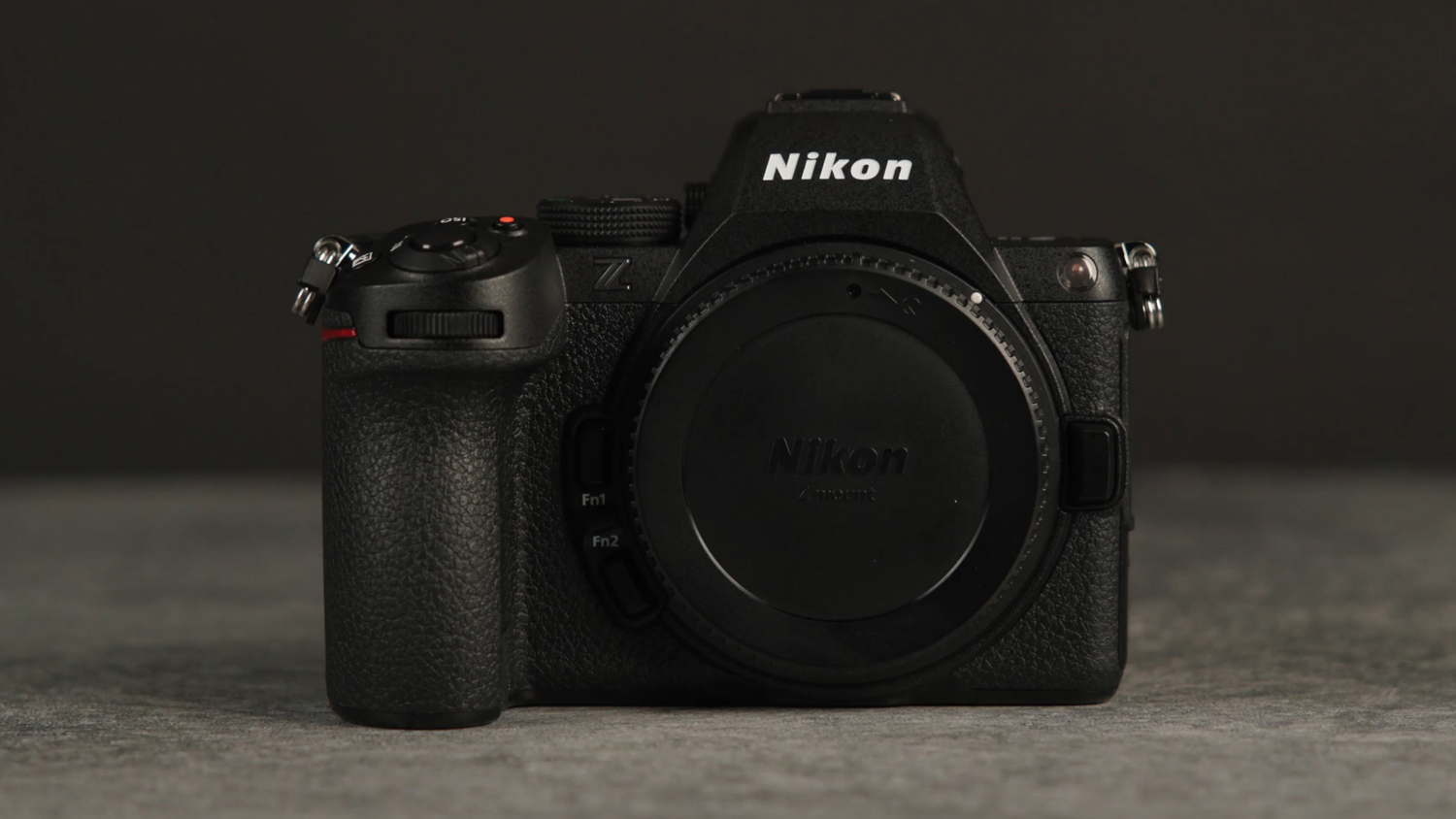
The Z5 II also features the same control layout as Nikon’s pro-level cameras, which puts every important setting at the tip of your fingers. Additionally, the camera makes use of the EN-EL15C battery, which is used by nearly all of the manufacturers full frame models with the exception of the Z9. This makes any future upgrades easier, as you’ll have existing batteries to power any setup you choose.
Another feature that makes Nikon’s Z series mirrorless cameras so practical is the FTZ II Adapter. This allows users to attach older F mount DSLR lenses to the camera. The benefits of this accessory are of course budgetary, as existing Nikon users can continue to use most of their existing arsenal of lenses. Additionally, new users have access to affordable used lenses as they build their kit from the ground up.

Fujifilm X-T5
You’re likely very familiar with the FUJIFILM brand and style. These cameras are designed to mimic the analog feel of film SLRs of days gone by. The FUJIFILM X-T5 sits as one of their most popular interchangeable lens cameras, delivering modern features like intelligent autofocus, high-resolution imagery, and up to 6.2K video recording, all while maintaining a tactile ergonomic experience.

Some other familiar features this camera brings to the table include in body image stabilization, dual SD card slots, a large, bright electronic viewfinder, plus front and rear dials that can be programmed to control essential exposure settings. Keeping with analog conventions, the X-T5 also features dedicated setting dials atop the camera for shutter speed, ISO and exposure compensation.
One of the most popular features of this camera, while not ideal for class projects, is one for the creative photographers out there; FUJIFILM’s film simulation feature is equally responsible for the brands newfound following. These add a filter to your images in camera which makes your images appear like Classic FUJIFILM film stocks like Provia, Velvia, Astia, and Acros—to name a few.
Sony a7 IV/V
There was a time when camera levels were clearly distinguished, with entry-level models lacking many of the features of their more expensive contemporaries. For instance, an old entry level DSLR had an incredibly simple autofocusing system, slow frame rates for continuous shooting, and a smaller, more compact battery. As you worked your way up the line, the camera’s become more powerful until you reached the flagship, or top-of-the-line model.
Nowadays, these distinctions have become largely blurred, with models on all levels featuring autofocus capabilities, video specs, and frame rates once reserved for only the upper echelon of cameras. Two of the best examples of this evolution are the Sony a7 IV and V—full-frame, midrange cameras that serve similar, albeit different purposes.
The a7 V is a step up from the previous generation, offering a partially stacked 33MP imaging sensor that boosts the camera’s overall speed, low-light performance, and dynamic range. The result is a cleaner file, and improved performance when shooting fast action. Additionally, the camera is capable of shooting up to 30fps continuously, which is ideal for sports or wildlife shooting.

If speed isn’t as large a factor, this the a7 IV serves as a worthy alternative. That’s not to say that the IV isn’t fast. It’s a bit like comparing a 2015 Corvette to a 2026 model. both are fast, the new ones just got more bells and whistles. In the same vein, the cameras are largely similar, with the IV featuring a standard back-illuminated 33MP sensor. The camera also features a fully articulated touchscreen instead of the tilt/flip-out hybrid design of the V.

Best Mid-Level Cameras
Canon EOS R50
The Canon EOS R50 excels at delivering stellar results while feeling quite comfortable to a first time camera owner. Its touchscreen, like the cameras above, allows you to quickly and easily swipe through and zoom in and out of your images. These cameras are largely similar, with a similar compact form factor and feature set. Of course, there are some changes, and these upgrades. Most notably, is the addition of a fully articulated rear LCD touchscreen and increased recording times and faster overall performance.

Shooting sports? The R50 will hold up just fine with 15 fps continuous shooting speeds and snappy subject detection autofocus. Even those looking to keep things simple have features to turn to like Advanced A+ assist, which allows users to enjoy the creative aspects of photography in camera even in difficult lighting scenarios like backlighting and night scenes.
Speaking of night scenes: the EOS R50 has one last trick up its sleeve that may be just what you’re looking for. We are, of course, referring to the inclusion of a pop-up flash, which can be activated by simply flipping the unit up when needed. Believe it or not, only two cameras on this list still include this once common accessory.
Nikon Z50 II
Like the Z5 II, the Nikon Z50 II offers the mirrorless experience while working with established, affordable used lenses if you choose to do so. Where the cameras differ, is in their sensor format. At the heart of the Z50 II sits a 20.0MP APS-C imaging sensor, which delivers excellent image quality, even in challenging lighting conditions.

As for ergonomics, the Z50 II offers a slimmed down, more travel-friendly package, which means it lacks some of the more professional controls of the bigger Z5 II, though these are not essential to the overall use of the camera. This size difference, while detrimental to the number of controls, makes it a more appealing choice to lug around campus either over your shoulder or packed snug in your bag.
Remember when we mentioned that only two cameras on this list had a pop-up flash? Well, the Nikon Z50 II is the second after the R50. This time around, Nikon implemented a little switch on the side of the EVF which can be toggled to open the flash. When done, simply press the pop-up flash unit back down and call it a day.
FUJIFILM X-T30 III
For those looking to get started in the FUJIFILM ecosystem without jumping headfirst, a smaller camera like the X-T30 III with 13-33mm f/3.5-6.3 kit, which offers even greater savings, is a great camera to enter the FUJIFILM system. This camera offers a lower resolution image and forgoes in-body stabilization, which helps keep the price down. Though it maintains the 6.2K recording and updated autofocus system.

While the FUJIFILM brand is styled after these classic film cameras, they’re still digital mirrorless cameras. Depending on the class you’re taking, you may need a 35mm film camera instead. If it’s a film camera you need though, you’ll need to look elsewhere. Luckily, we have you covered in that area as well.
Best Budget Friendly Camera
Canon EOS R100
Few cameras can claim to be budget friendly in this day and age, except for the EOS R100. This compact interchangeable lens mirrorless camera follows in the steps of the famous Rebel series from Canon, featuring a simple overall design with the ability to adjust settings to your heart’s content, all while capturing incredible image quality.

It’s not the fastest camera around, but it’ll get the job done. If you’re interested in photography but not enough to get invested in it, the R100 is the logical choice for you. It offers everything you’d need for class, all while providing room for growth if you choose to do so down the line.
The R100 is available paired with the RF-S 18-45mm lens, but also in a competitively packaged two-lens kit complete with a shoulder bag. If you need a camera to do the bare essentials, but deliver pro-level results, the EOS R100 is truly the best value out there. If the feature set is lacking some creature comforts, such a touch screen or the snappy continuous shooting speeds needed for sports or wildlife, consider the aforementioned R50.

Film
Film’s not dead, and it may be the very focus of your upcoming class. Now, if you head to the B&H website, you may be surprised to see that the only mechanical 35mm manually controlled cameras available are $7000+ Leica rangefinders. These cameras are certainly spectacular, but alas, not budget-friendly in the least.
For that reason, we recommend taking a look at our used page for older SLR-styled 35mm cameras like the Canon AE-1P or the Nikon FE2. These cameras, in all their mechanical glory, are often found in working condition provided they were stored properly. A skilled craftsman, like those in our used department, can often give these cameras a new life with a little tune up and put them back on the streets.

We recommend the aforementioned models, as well as the Pentax K1000, Canon A1, Nikon FM, Nikon FM2, Nikon FE, or the Nikon F3HP. Our used inventory, while immense, is limited, especially for older mechanical SLR’s like these. If we don’t have what you’re looking for, check back often.
Take Your Pick
Many of these cameras come paired with kit lenses, and these are perfect to get you started. That said, if you want more from your camera, consider buying a camera body alone and buying a dedicated, higher-quality lens. We’ve discussed this topic at great length in our guide to going beyond the traditional kit lens. For other back-to-school gear help, check out our guide to what you want versus what you need here.

To learn more about photography, we highly recommend listening to your professors. But, if you have a burning desire to go beyond the basics now and wish to focus your efforts on a specific style or genre of photography, check out our other guides and articles on the B&H Explora site!
