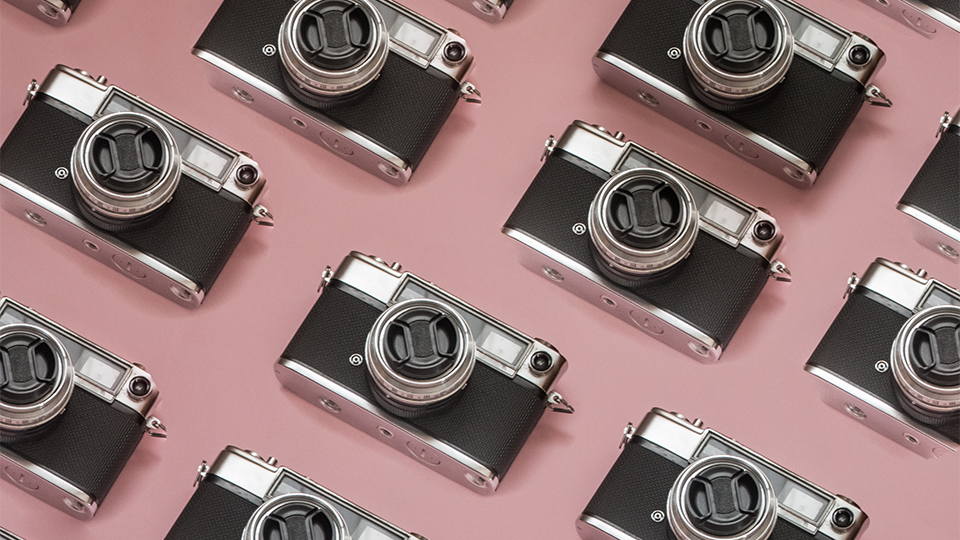
Are you interested in the wide and wonderful world of photography? Well, you’ve certainly come to the right place! Check out this short checklist of a dozen items, designed to get you started in digital or film photography and headed in the right direction.
1. Interest
The first thing you need is an interest in photography. If you are reading these words, you likely already checked that box. If you are debating whether to take the dive into photography, you might want to give it some careful thought, or cater your purchases toward your level of interest. Photography, both digital and film, can represent a large investment in time and money. Know this before you make the plunge.
2. Camera
Sorry again to state the obvious, but unless you are doing alternative forms of imaging, you likely will want to create photos with a camera. When entering the camera market, your first consideration will be what to explore first, analog film or digital photography. The vast majority of us reach for digital cameras these days; once you choose that path, there are three basic options: point-and-shoot, interchangeable-lens mirrorless, and digital single-lens reflex (DSLR). We have a good breakdown of the types of digital cameras in this article. The field of new 35mm film cameras is almost constantly dwindling even though film's popularity is rebounding. The B&H Used Department is a great place to get your hands on some beautiful film cameras.

3. Lenses
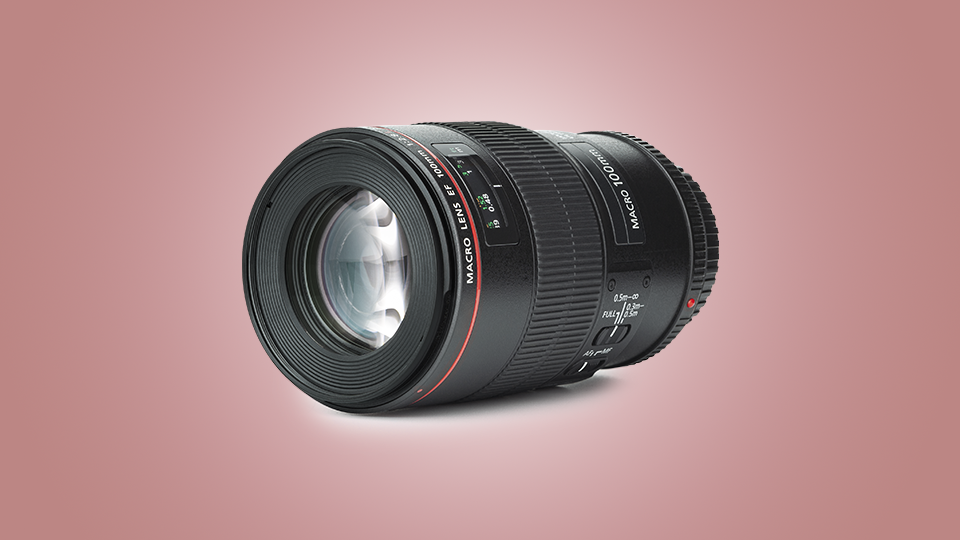
If you get a mirrorless or DSLR interchangeable-lens camera, you will also need a lens. Many cameras ship with one or two “kit zoom” lenses that range from wide angle to telephoto. The verdict is still out (and will always be out) on whether your first lens should be a zoom or a prime lens. A prime lens has a fixed focal length, which requires the photographer to move to frame a picture rather than the lens doing the work by zooming in and out. We are not going to settle the zoom versus prime argument here, but be sure to buy a UV filter and lens cloth to keep your optics clean, for whatever lens or lenses you choose.
4. Memory/Film
If you choose a digital camera, you’ll need a memory card. If you choose an analog camera, you'll need film. There are many different types of memory cards available, so be sure to get the correct type of card for your particular camera. Popular brands like SanDisk, ProGrade, and Lexar (just to name a few) offer quality choices for virtually every camera type.
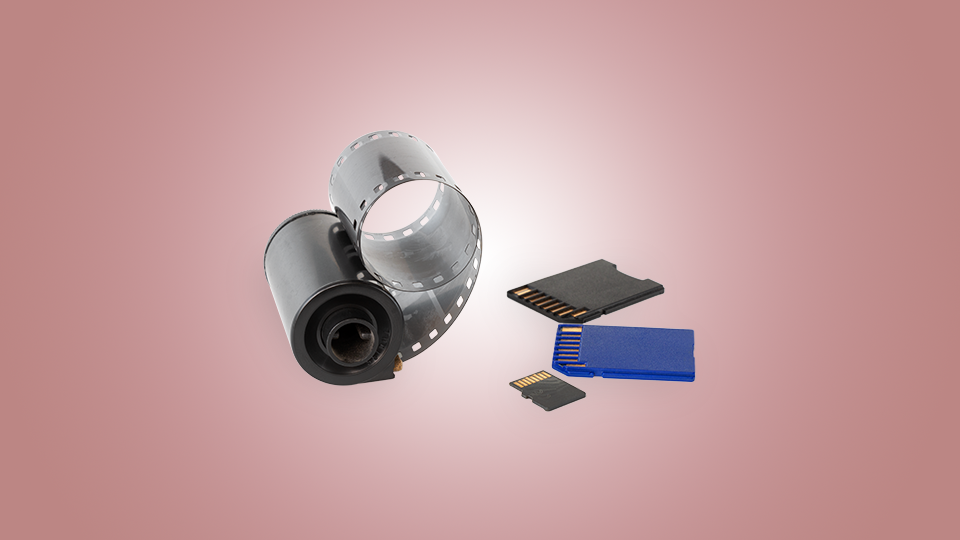
SD cards are the most common type of memory cards you’ll encounter as you get started. These come in a variety of capacities ranging from 2GB up to 2TB. For practicality’s sake, we recommend starting out with a 64GB or 128GB storage capacity for your first cards. Better to have more room than not enough.
5. Camera Bag
Once you begin to gather up some gear, you’ll find it easier to get it from point A to point B with a comfortable, and possibly stylish camera bag. While you could just stick your camera in any old backpack or purse, a camera bag is designed to protect your gear while keeping things organized. Many have a very rugged or even tactical aesthetic, but you can find some more understated options, or even add a pop of color with brands like Domke, Urth, and Wandrd. If you think there’s even the slightest possibility of you getting another lens or a flash down the line, get a larger bag. It’s better to have extra space than to need a new bag every time you buy a new lens. We say that from experience. Bags accumulate fast!
6. Tripod
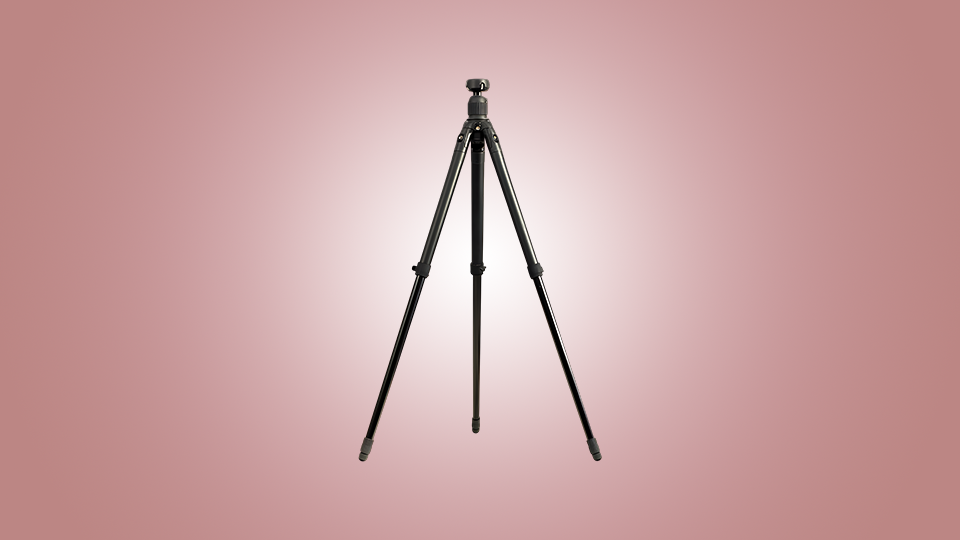
The tripod might be the most overlooked camera accessory for the beginning photographer. It should not be ignored. Even if you are not planning to go out on a night photography excursion the first time you take your camera out of the box, you’ll still want and, in reality, need a tripod for lots of different things. How about group portraits when you are in the photo? Macro photography? Landscape photography? Even when you wouldn’t otherwise think of using one, a sturdy sets of sticks can help you capture sharper images in any situation. Invest in a good full-sized tripod or travel tripod.
7. Books
A lot of what I learned about photography came from absorbing the words and images inside great photography books. A lot can be gleaned from the words of the pros. Just as you may be inspired by great images, an insight into the thought process or techniques used to capture those photos can be even more valuable. The Internet is a great resource as well but, at least for me, it is the words and images from photography books that have resonated the most.

8 & 9. Computer and Software
One of the necessary burdens of digital photography is the computer and associated photography software. Of course, you can send images between your camera and smart device to make quick, easy edits here and there, but a computer opens up many more opportunities. Computers have greater processing power than a tablet or phone, meaning you can more efficiently process image after image. You can more easily organize your files, quickly backup your images onto external drives, and access a wide spectrum of post-processing software like Adobe Photoshop and Lightroom. Most laptops today are perfectly capable of the task and can be configured to match the needs of creators. If you want to make more significant adjustments to your images, you will need a computer with post-processing software.

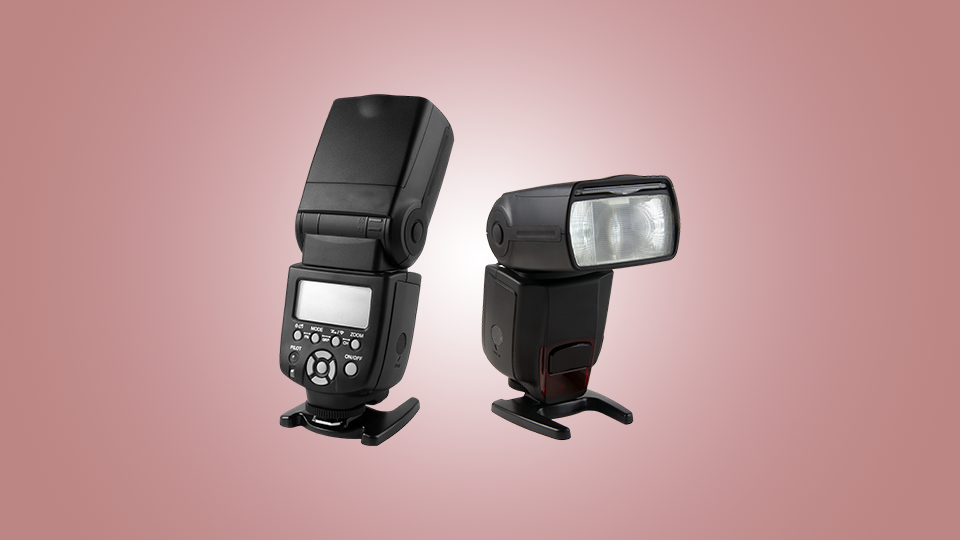
10. Flash
Many entry-level cameras come equipped with a built-in flash but, once you move beyond the most basic models, you’ll find more and more are opting to go flash free. Whether you’re camera has no flash or has a built-in, or “pop-up”, flash, you might want to add an external flash to your camera to emit even more light. Today’s digital cameras are good at seeing in low light, but there are times when the photographer will be required to add light to a specific scene in order to get the best possible image quality.
11. Additional Filters
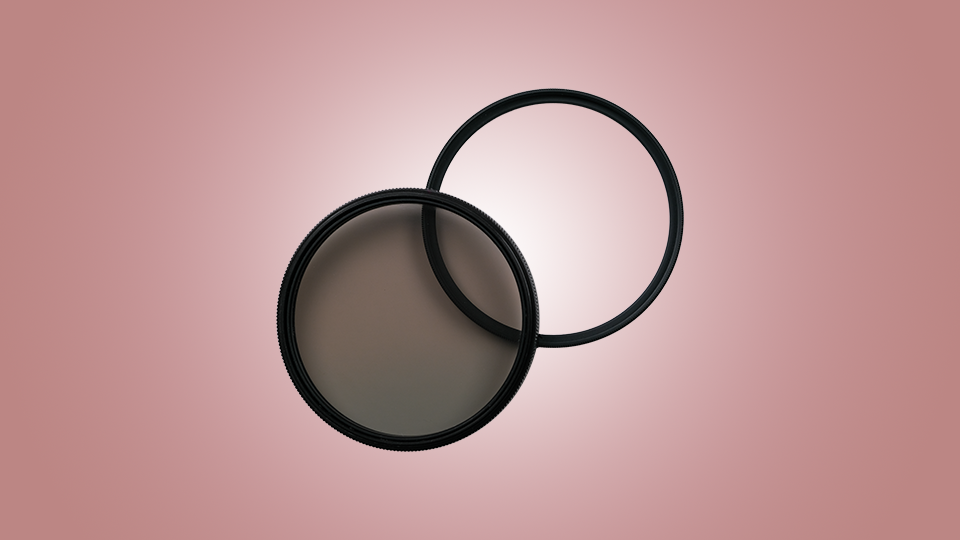
A UV filter will protect the front of your lens from dust and grime, but there are other filters that can enhance your images—and I am not talking about Instagram filters here. You can do some amazing things with neutral density filters and polarizers that cannot be simulated with software.
12. Time
Like any hobby, passion, or pursuit, photography takes time. In the old days, you could throw a camera around your neck, or drop one into your bag, and carry it around and make photos. Then you would drop off your roll of film and pick it up in an hour, or a day or two later. Today, digital photography demands that you spend at least some time in front of a computer to finish the job. This should not deter you, but you should be prepared to dedicate some time with your images beyond just shooting them.
Congratulations on starting your voyage into the art of photography. This should get you started down the right path. I We sincerely wish you the best of luck in your journey, and if you want to learn more you can return to the B&H Explora website! It is a treasure trove of information about photography, with everything from educational articles to inspirational videos featuring famous photographers. Soak it up! It’s free!
