
Birding is, by definition, the recreational hobby of observing and identifying wild birds in their natural habitat. Finding birds is the easy part. Just go outside and stop, look, and listen, and you’ll notice our feathery friends like you’ve never seen before. But how do we identify them? We need to consider a few physical attributes of the birds, from their overall shape to the length of their tail and more.
Birds come in all sorts of elaborate shapes, sizes, and color patterns that make them stand out, or in some cases, remain hidden from prying eyes. Color is among the first attributes we visually connect with, but it’s not always a reliable way of identifying a bird. Bluebirds are blue, but this isn’t always the case. Feathers get worn throughout the year and lose their luster, meaning the birds we see come autumn tend to look drab.
Some birds just are drab, meaning color alone can’t be used to effectively identify them. A little brown bird like a sparrow fit into this category but hold on. There are over 40 species of sparrow in the U.S., and while at first glance they may all look alike, a closer inspection will show otherwise. Appearance alone may not be enough to determine the identity of our bird.
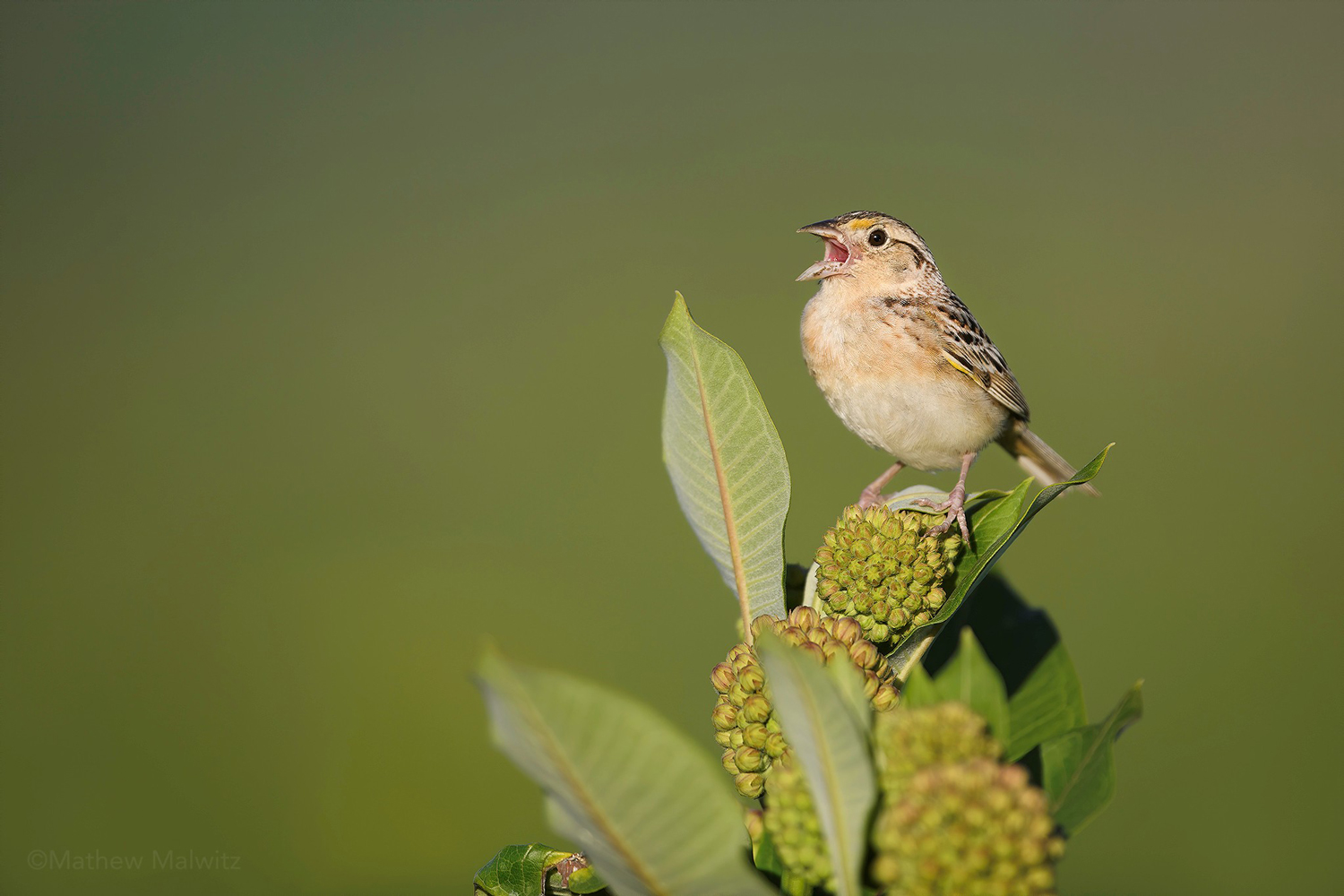
Appearance is just one part of the bird ID puzzle though, as habitat, timing, and behavior all play a significant role in determining who that bird may be. Even more important is sound, as each bird species has a relatively unique series of songs, calls, and chirps it makes to communicate with mates and other members of its species. Let’s look at some helpful hints you can rely on in the field to find out who’s who (owl pun intended).
How to Identify Birds
- Shape and Size
Birds come in a variety of shapes and sizes from tiny to absolutely massive. These differences, especially in shape, tell us a lot about the bird, from what it eats to how it flies. A bird’s shape is the first clue as to who and what we’re looking at. Even birds that are closely related will have some variations, as subtle as they may be. Everything from the shape of the beak to the length of the legs can be used to deduce the identity of the bird in front of us.

Size seems like an obvious identifier but try figuring out whether you’re looking at a downy or hairy woodpecker. These birds share nearly identical color patterns and behave largely the same way, however, the trained eye. If you can view them in direct comparison, the differences are very noticeable.
Using other birds for reference is essential. We naturally have a good gauge of what’s big and what’s small, but not so much on subtler variations. When we don’t have another bird in view, look at natural features in the vicinity. When sizing fails, we must look beyond the general outline and look closely at the bird for finer detail.
- Field Marks
Instead of relying solely on color, we should look to specific details. Whether it be the shape of the beak, length of the tail, or a specific pattern, there are small details that can give us the answers. At a quick or distant glance, these factors can be essential to identifying the species and gender of the bird at hand. These are known as field marks.
Field marks are the most notable features on a bird, and thus we must know the parts of a bird to learn what these mean. For instance, the top of the bird’s head is the crown, the chest is known as the breast (think chicken), and the lower back just above the base of the tail is the rump. Easy enough. This knowledge translates into ID skills as many birds are named after their most notable features. Let’s look at a chipping sparrow for an example.

- Habitat
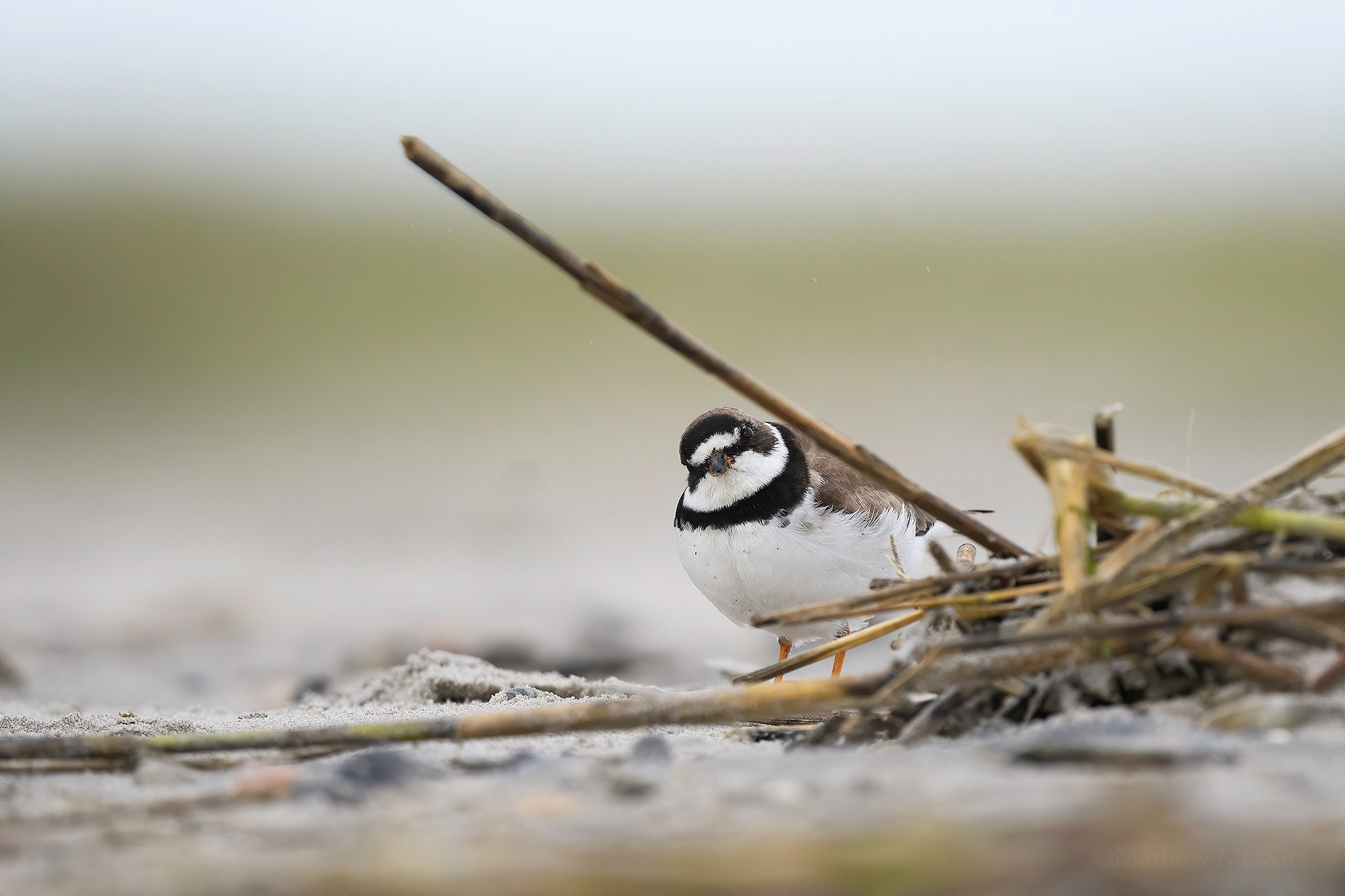
Birds are partial to particular habitats. A blue-winged warbler prefers open grasslands or shrubby habitats whereas a scarlet tanager tends to spend much of its time in the high canopy within dense, mature woodland. During migration, when birds can be found outside their typical range, you’ll still likely find both of the above in similar habitats.
That said, if we’re seriously bird watching with the goal of seeing a particular species, heading to the heart of that bird’s range and habitat is going to be far more productive than hoping for a miracle at your local park. Alternatively, get to know your local spots and what habitat types they offer. This will better your chances of catching a habitat specialist on its journey north or south.
- Timing
Seasonal changes bring more than just temperature fluctuations. As you may already know, birds migrate in the spring and fall. Some species may nest in your area and leave when the first hint of cold weather arrives, whereas other birds nest far north and only pass through an area before continuing on their journey. A solitary sandpiper may appear in a New York marsh in August or September, but it is very unlikely to be there come winter or even early summer.
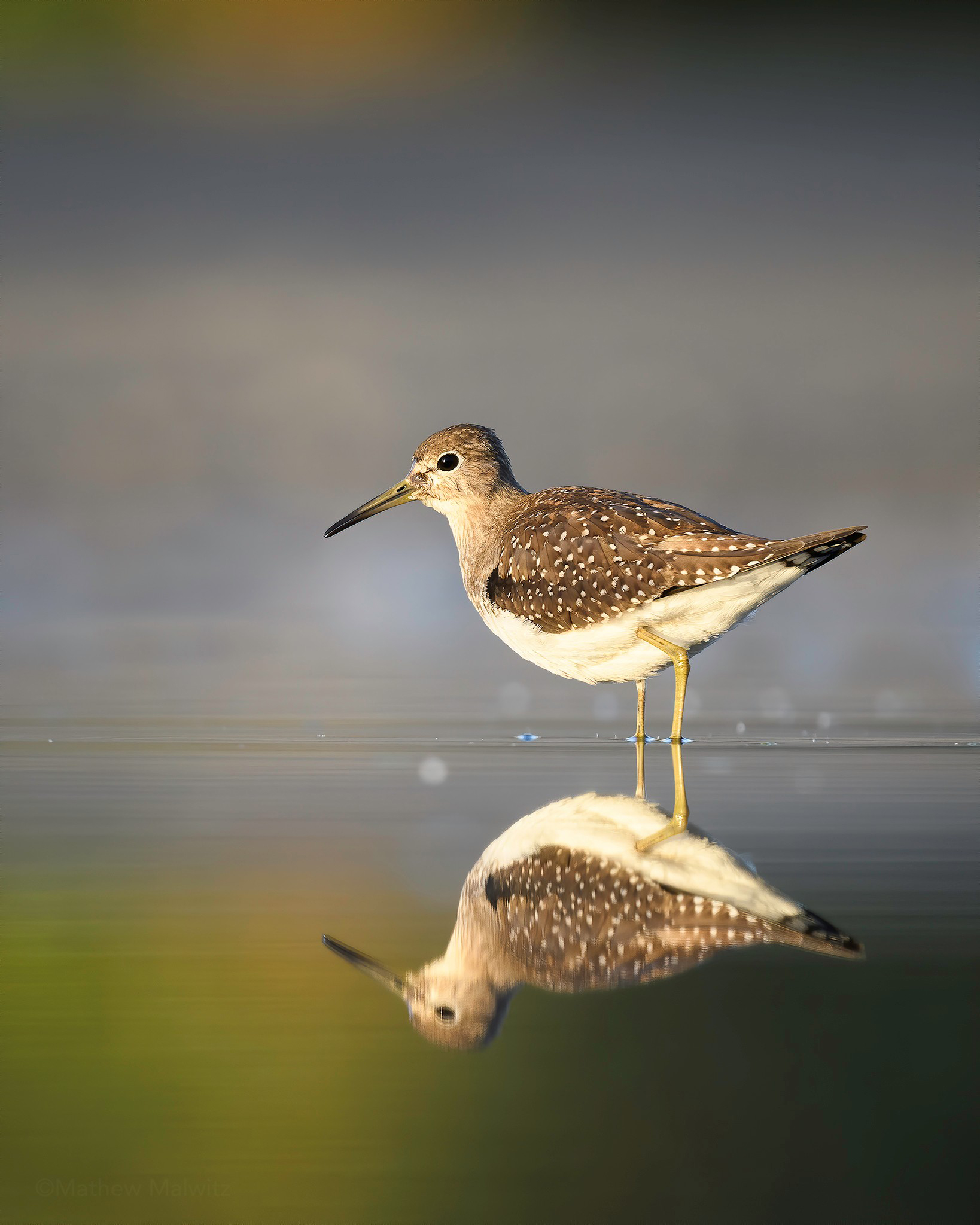
As these seasonal changes occur, so must our approach to birding. During migration, it may be more beneficial to set up in one spot and wait. Birds will be in constant flux, so we don’t necessarily need to be out on the hunt like we do when they’re on territory or wintering. In the above sandpiper example, this meant setting up on a small vernal pool where shorebirds would feed at high tide.
Timing also applies to our daily routine. While birds are active throughout the day (and night if you ask an owl), early mornings and late evenings are often best, as birds are at their liveliest selves, singing and feeding. During the migration season, this is especially true. In fact, many songbirds and shorebirds migrate at night, making dawn and dusk especially productive for foraging as they are ramping up for the long journey ahead or just coming off a long-haul flight.
- Behavior
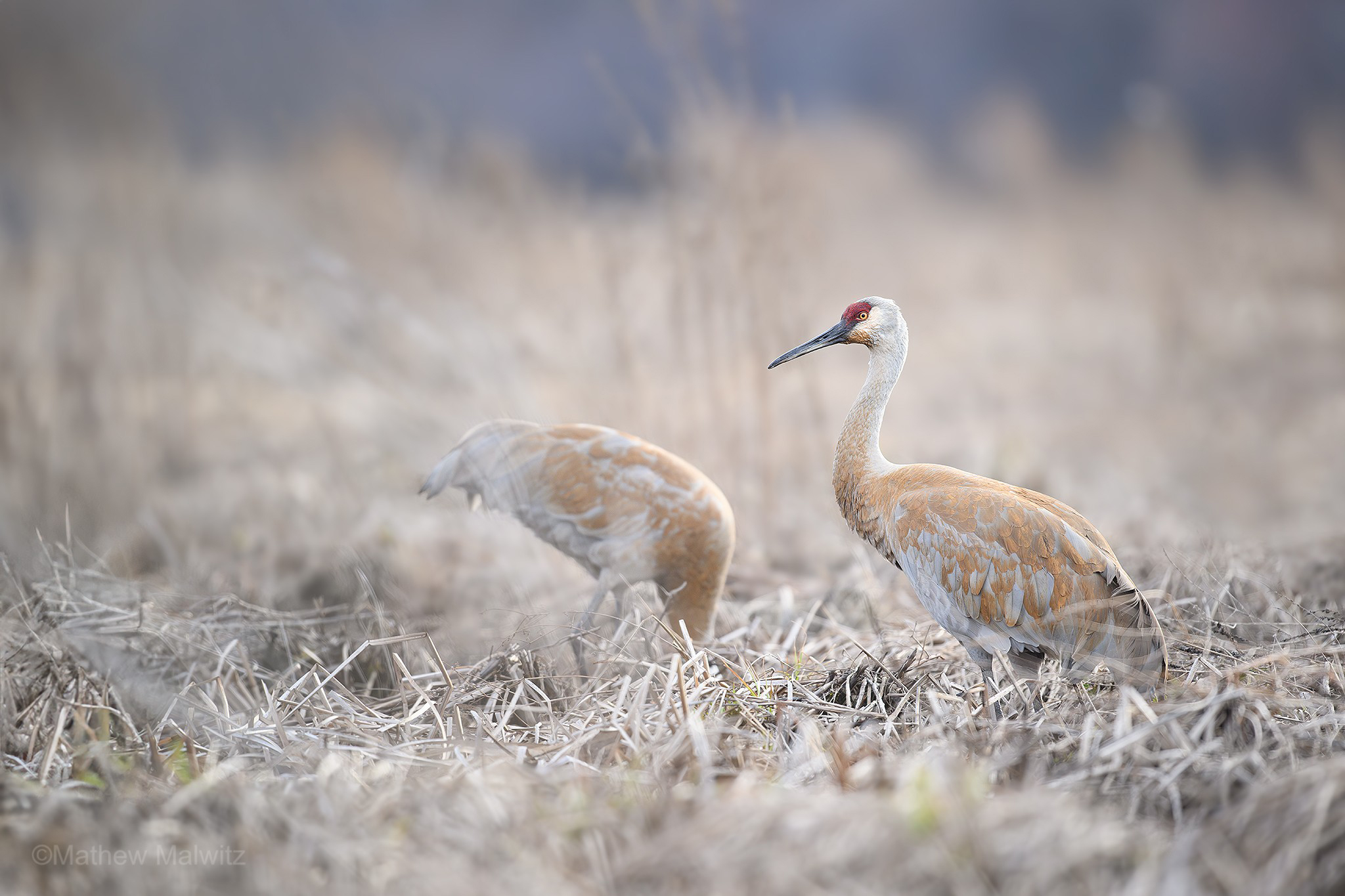
Beyond physical appearance, birds are fascinating to watch. They’re always flying, poking, prodding, interacting, climbing, displaying, or eating! Understanding why they do what they do is part of the fun but using that knowledge to identify species is a whole other level of rewarding. Whether a bird is courting a mate, corralling prey, or thwarting a predator, many species display unique behaviors that can be used to pinpoint what exactly we’re looking at.
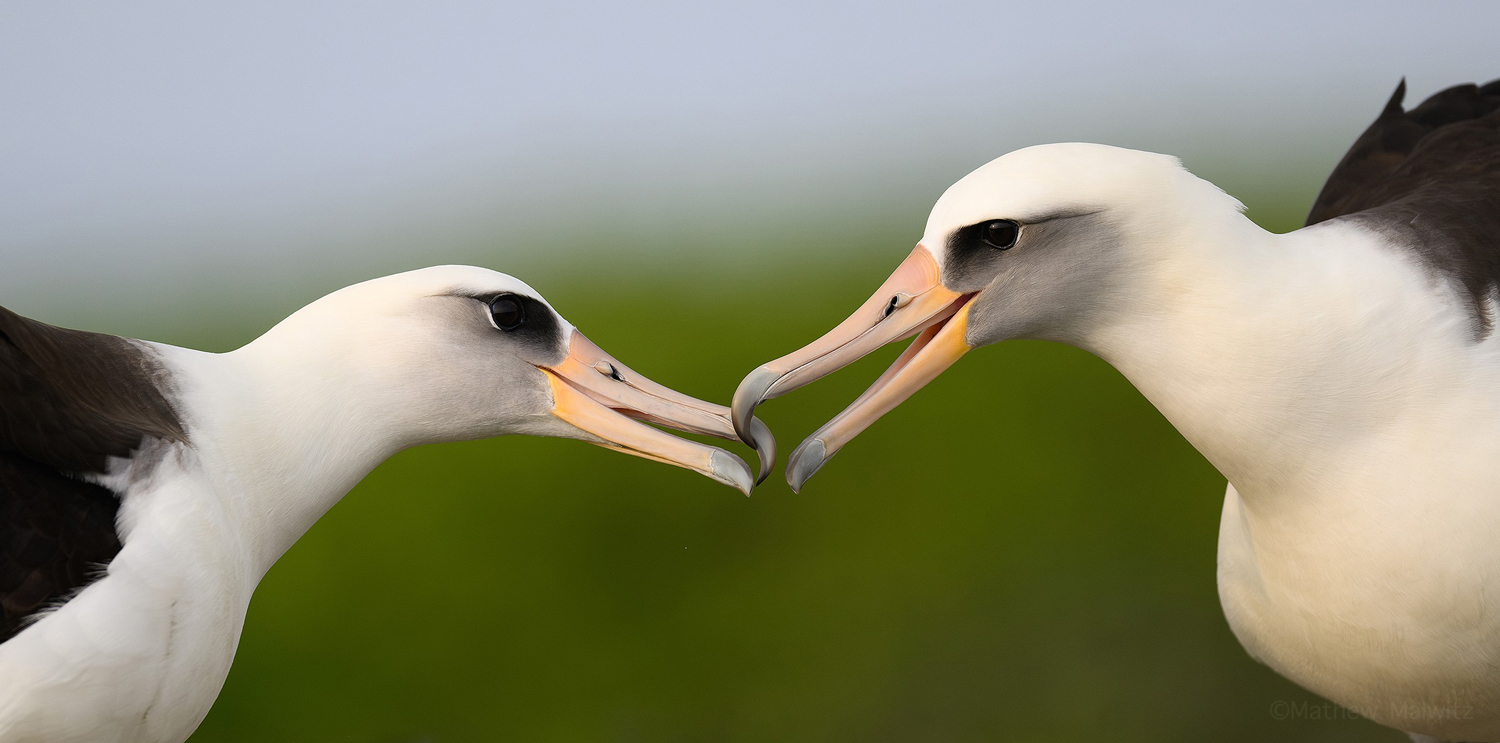
If it’s up in the canopy, maybe it’s flittering around from branch to branch on its own or perhaps it’s in a flock. Even birds that behave somewhat similarly will display great variations in how they forage and move. An exciting courtship display is that of the Laysan albatross. They begin making a series of calls that vary from a horse whinnying to a rapid bill claps, all while bobbing their heads, touching bills, and tucking their bills under one wing, all before throwing their heads back and making a deep, mooing-like call.
- Movement
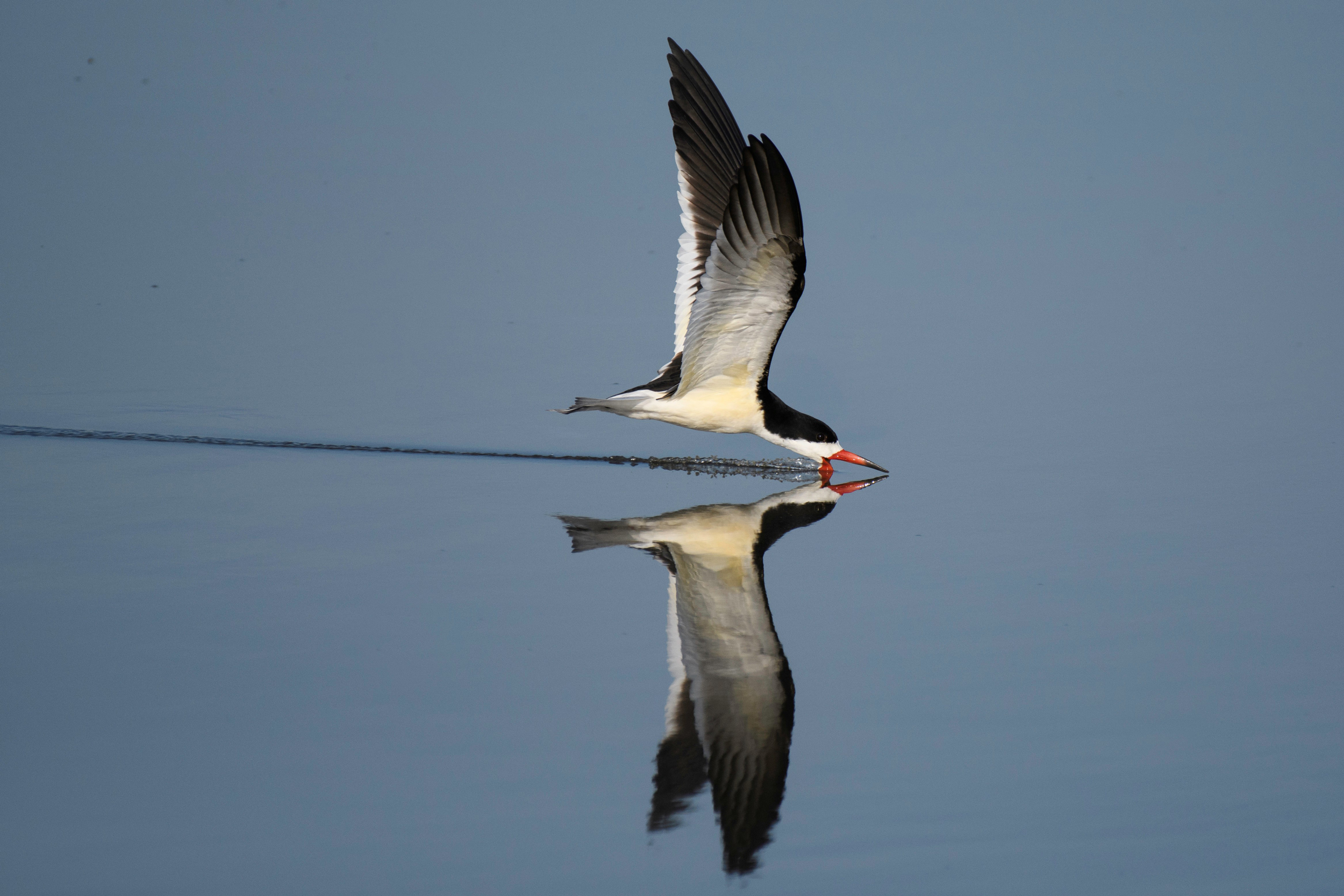
Movement and posture alone can be a determining factor when judging a bird from afar. A cardinal holds a more upright posture than a more horizontal warbler. One of the most iconic birds in North America is the bald eagle, but there’s an imposter on the loose. The turkey vulture is similar in size and overall shape to the eagle, so how can we tell the difference at a distance? Turkey vultures do carry themselves quite differently, flying in a wobblier fashion than the significantly more stable eagle.
Movement and behaviors can also be used to better understand a bird’s disposition. A stressed bird will behave differently than a content one, and it’s important to know the difference. Keep an eye out for prolonged eye contact, jittery movements, and displays where a bird attempts to appear bigger. If there’s no obvious predatory threat present, these are often signs that we are too close to a bird. We covered this topic in our Introduction to Bird Watching, and how it can be used to better our ethical practices in the field. If you haven’t read that article yet, we recommend doing so.
- Sound
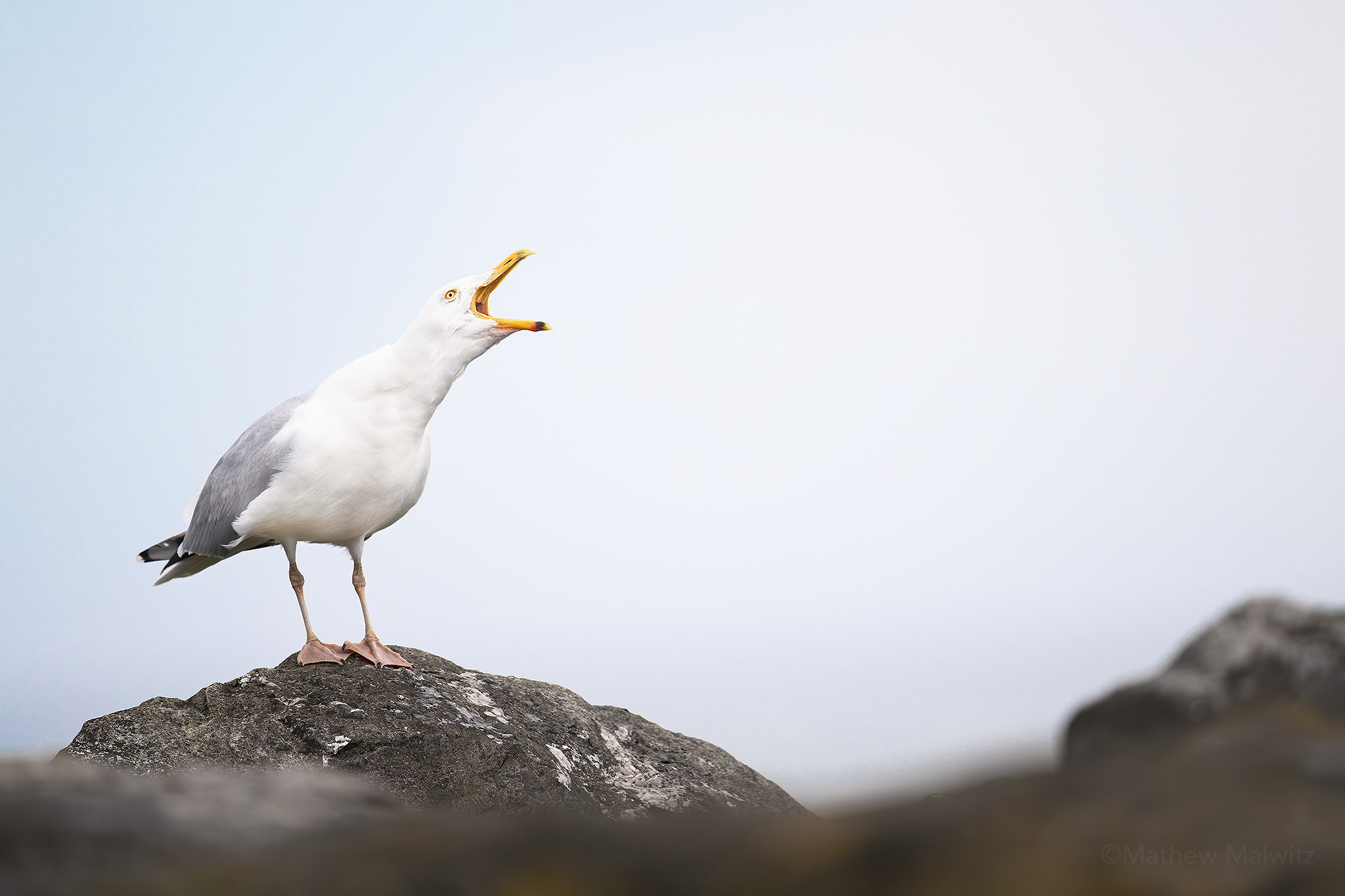
Visually identifying birds is by far the easiest and most rewarding experience, and for that reason many go without ever attempting to listen. Birding by ear might just be the most productive method for finding the greatest variety of birds. Often, we’ll find ourselves in situations where we can hear more bird activity the we can see, and being able to identify individual calls and songs among the chaos is the only way to make the most of the situation.
To better your ability to memorize the many songs and calls, associate them with words or phrases. The ovenbird is a great example, as its repetitive singing is commonly referred to as “teacher teacher teacher” in the guidebooks. Barred owls hoot, but in a pattern that can sound as if they’re asking, “Who cooks for you, who cooks for you?” On the other hand, a northern cardinal can sound like a Clone Trooper laying down suppressing fire, but the concept is still sound. Find a method that works best for you, whether it be words or pop culture references.
As you can see, there is much we should consider when identifying birds. If we consider size, shape, color, behavior, and timing among other factors, we’ll be well on our way to becoming a master bird watcher. Along the way, there will be times when we’re stumped, confused, or just can’t decipher one song from another on a busy Spring morning. In these moments, we can use technology to our advantage.
Helpful Tools & Resources
There are many apps and online resources at our disposal. Online bird databases exist to provide an easy method of looking up birds by shape or family. Once you find a visual match to your bird, you can read about its behaviors, feeding habits, and habitat range to better decide if you’ve found the right bird. Many of these have been created by the Cornell Lab of Ornithology.
Merlin is probably the best-known birding app, and the most useful for ID purposes. Using the Bird ID wizard, you answer three questions pertinent to the ID tips above such as size, color, and behavior to get a list of possible culprits. More impressively, the app can listen to the calls and songs of birds around you and suggest possible species from that data. From there, we can compare these recordings to those in the Cornell Labs database or other birding resources like the Audubon App to confirm accuracy.

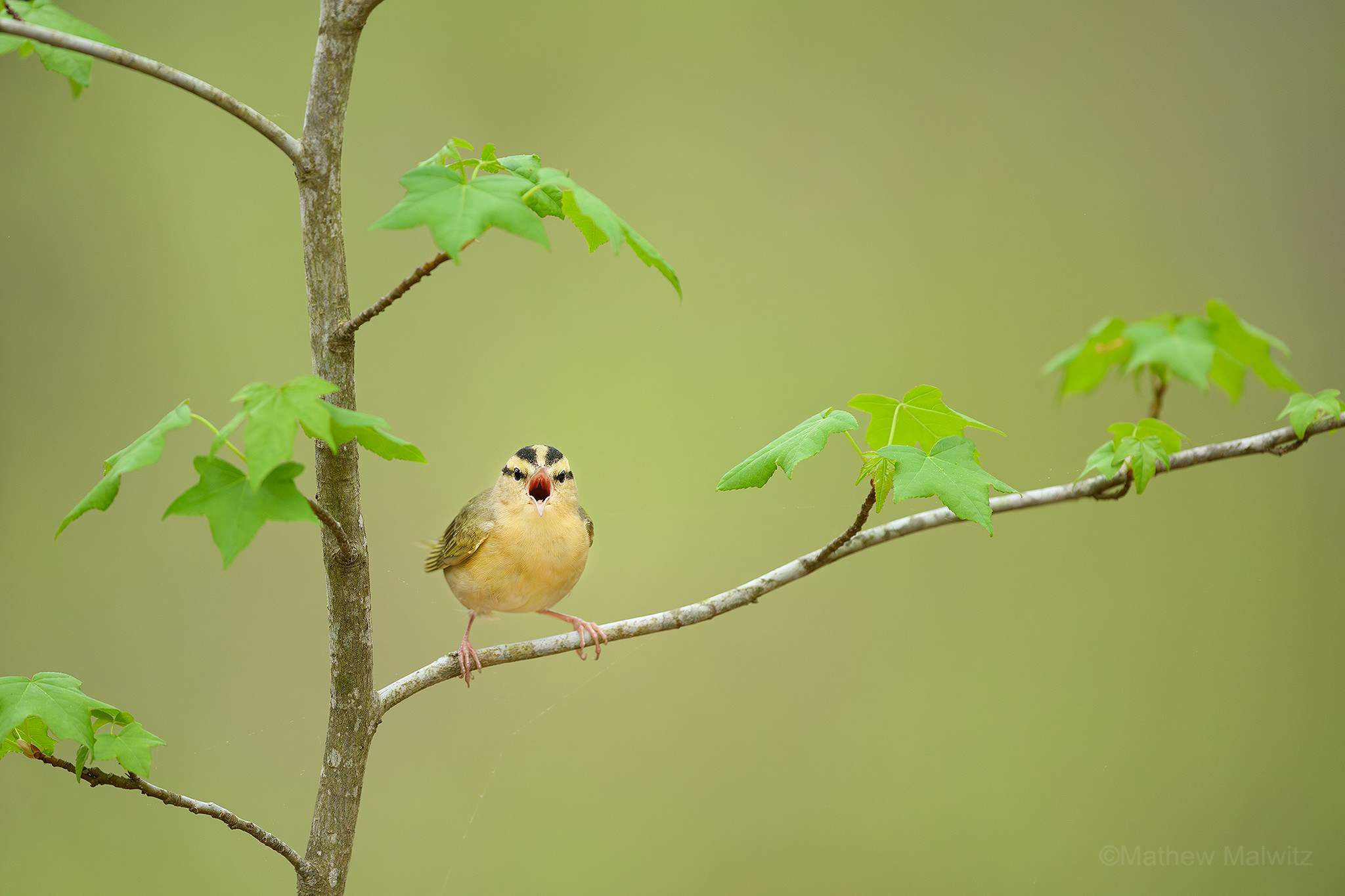
We don’t want to always rely on the apps to ID birds for us. To better your own bird call recognition skills, we recommend quizzing yourself with LarkWire. This app offers an increasingly challenging multiple choice test on bird calls. Unlike just listening to a recording online, this app plays similar sounding birds one after another to aid you in picking out the subtle differences. Once you can tell the difference between a chipping sparrow, worm-eating warbler, and pine warbler, you’ll be off to a great start!
These modern solutions have quickly become staples of the hobby, introducing even more to the magic of bird watching. The only problem with these tools is that they do rely on our phone and a good signal. Being out in the woods with a dead phone is not the coziest feeling in the world. We’ll also likely find our way into areas with bad cell service as we explore more outdoor spaces. While Merlin will work offline, not every birding app does. We can’t rely on technology everywhere, so what do we do when we have no service?
You may find a field guide useful, especially in the earlier stages of your bird-watching journey. Once you establish a base knowledge of your local species and common migrants, you won’t need to rely on this as much. Just know that even some of the most skilled bird watchers still keep a guide handy, even if it just sits in their car. We can always refer back to our guide later and focus on the now, taking in the sounds and sights without distraction.

We at B&H will always recommend that you carry a camera for identification or “ID” shots, but a guide is always a reliable source for IDing birds in the field. The Sibley Guides written by the great David Allen Sibley are excellent as they pair pertinent information with his detailed illustrations of the birds. For those all in on the digital front, fret not. All of these works available on your smartphone via the Sibley App.
Put It to Practice
Birding is among the most popular outdoor activities, and striving to be a better birder is a natural progression of the hobby. Remember to consider things like size, shape, color, field marks, behavior, timing, and habitat when trying to figure out what bird you’re looking at, and you’ll find greater success in your efforts.
To learn more about birding, or to take your first steps into bird photography, read more on the B&H Explora page, such as our Introduction to Bird Watching. We have plenty of other helpful articles and guides to get you started and keep you learning along the way.
