Wildlife Photography

0 Views ·Posted
Photographing an osprey diving for a fish is one of the most exciting challenges in bird photography. In this video, Matt heads into the field to share his approach to finding and photographing ospreys, from choosing the right position and camera settings to tracking a fast-moving bird through a dive.
00:00 - How to Photograph Osprey
00:44 - Where to Find Osprey
01:14 - Photographing Osprey Responsibly
02:09 - Positioning Yourself for the Shot
03:05 - -Capturing an Osprey Catching a Fish
04:00 - Best Camera Settings for Osprey
05:03 - How to

0 Views ·Posted
Photographer Jeff Cable has photographed many years of the Olympics, personal events, wildlife, and various other genres. His choice of lens matter for each one. Jeff goes over some of his favorite images and breaks down how he got the shot and what lens he used.
0:00 Intro
3:17 Every lens has a use
9:40 Zoom vs. Prime - Photo review
48:30 Aperture
55:14 Upcoming photo tours / Closing
Sponsored by
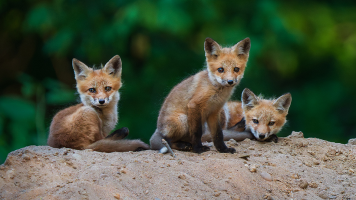
Wildlife photography is one of the most therapeutic and rewarding genres of photography and it’s also one of the most popular. There’s just something so special about being able to witness the magic, and with new camera tech, wildlife photography is easier than ever. That said, the thrill of the shot can overshadow good decision-making, leading to unethical practices. But what are ethical practices?
Take nothing but photographs, leave nothing but footprints—an adage well-known by nature enthusiasts of all levels, but not all that practical.

Have you ever taken a photo that looked so good on the back of your camera, only to get home and see that it’s just not sharp? We’ve all been there, and even the experts miss more shots than they keep. That said, there are many tricks and techniques we can learn to improve the odds. In today’s guide, we’re looking at five techniques to aid us in confidently capturing tack-sharp photographs.
Sharpness is critical in most genres of photography, especially nature and wildlife. Sure, we can intentionally blur elements to showcase motion. We

0 Views ·Posted
Photographing birds in flight is a truly challenging genre of wildlife photography. It’s also a lot of fun. Photographer Melissa Groo shares all the tips and techniques from gear to ethics so you can capture the beauty of birds flying.
0:00 - Intro
3:23 - Camera
13:42 - Camera settings
16:23 - Exposure triangle
21:44 - Pre capture feature
24:51 - Become a naturalist
31:05 - Direction of light
35:49 - The effects of wind on birds
38:28 - Brace yourself
41:57 - Ways to elevate your image
48:38 - Know the rules like a pro
50:46 - Importance of

Sony has unveiled the RX10 V, and it’s been upgraded to meet the needs of photographers of all skill levels and genres. We had the chance to put this camera through its paces in all areas it excels, so let’s see what it can do for wildlife, sports, macro, and travel photography.
Wildlife
If you want to photograph birds and wildlife up close and personal, but don’t want to lug around a bunch
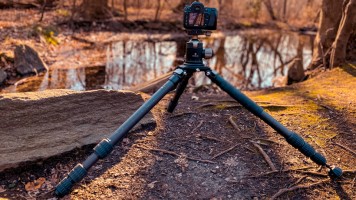
Love them or hate them, tripods are an essential piece of the photography puzzle. They allow us to capture images that would otherwise be impossible to create, whether it be due to low light or long exposures where keeping our camera motionless is essential. Even in bright daylight, tripods aid us in producing sharper images, all while freeing our hands to do other tasks.
Choosing a tripod is a highly personal choice, and there are many considerations we should take
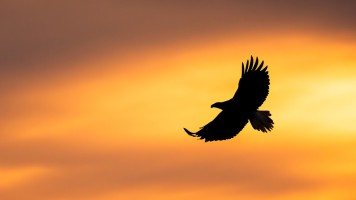
Through the cacophony of forest sounds, your ears home in on a buzzy, almost garbled ascending song. Perhaps you recognize it immediately, or maybe you need to confer with one of the trusty internet databases or apps. You train your eyes on the canopy, scanning for movement of any kind, when you see it: the cerulean warbler, a small rowdy songbird with wings slightly splayed from the body. Quickly, you lower your binoculars and train your camera on the little blue passerine before snapping a few frames.
The resulting photos clearly show the
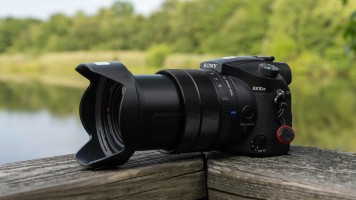
Let's face it: throwing a heavy camera over your shoulder can seem like a hassle, especially if photography isn't the main purpose of your trip. Those big mirrorless and DSLR cameras might stun with their incredible clarity, but not every outing calls for a "serious" camera. Still, there's a desire to capture fun photos, either for your own enjoyment, or to share with friends and family when you return.
Enter the bridge camera. Bridge cameras are an excellent, all-in-one solution for wildlife enthusiasts looking to capture images of their

0 Views ·Posted
Recently, the B&H social media video team traveled to the Florida Everglades to film a wildlife and landscape photography series. Matt Matkin led the bird photography segment, sharing his personal approach to capturing birds in action along with a few memorable moments from the experience.
0:00 - Intro
2:43 - Why bird photography in the Everglades
7:29 - Equipment used
9:13 - Bird resources
12:55 - First impressions & tips
25:08 - Camera settings & composition tips
46:14 - Look for other wildlife
47:22 - Camera & lens

0 Views ·Posted
Landscape and wildlife photographers swear by photographing at sunrise and sunset. But, there is another time of day when you can shoot nature photography and still get beautiful results. Join Sam and Matt in the Everglades to learn how to capture photos both in golden hour and blue hour.
0:00 Intro
0:52 Why Sunrise & Sunset?
6:44 Blue Hour for Landscapes
9:34 App for Identifying & Finding Birds
10:13 Mid-Day Wildlife & Landscapes
11:52 App for Tracking the Sun & Moon
12:31 Time of Year
13:26 How Early to Arrive
14:03 Can You

The a7R series has long been popular among wildlife photographers for the big files and associated crop-ability so to speak. That said, one area where the R could use some improvement is in the speed department. After all, it was never designed to be a wildlife camera; Its bread and butter was always resolution with landscape, portrait and studio photographers making the most use of all the extra detail. But, as tends to happen, Sony bends the rules.

Birding is, by definition, the recreational hobby of observing and identifying wild birds in their natural habitat. Finding birds is the easy part. Just go outside and stop, look, and listen, and you’ll notice our feathery friends like you’ve never seen before. But how do we identify them? We need to consider a few physical attributes of the birds, from their overall shape to the length of their tail and more.
Birds come in all sorts of elaborate shapes, sizes, and color patterns that make them stand out, or in some cases, remain hidden from
0 Views ·Posted
From photographing for the local news to expeditions for National Geographic, Ira Blocks shares his stories of traveling around the world. Ira captures history and culture, but it wasn't easy. He discusses how he was hired by Nat Geo, and all the logistics and planning that goes into his assignments.
0:00 - Intro
2:46 - Working for Nat Geo
6:00 - Ira's first assignment
14:18 - How Ira got started
17:30 - Photographing in color film
21:49 - Olive Oil story
31:29 - Getting into lighting
38:05 - Archaeology work
1:11:29 - Prints on location
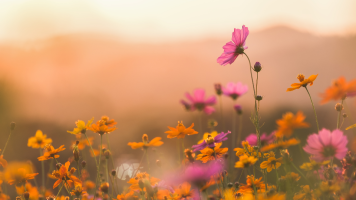
If there’s one question fledgling photographers often ask, it’s “How did you get such a nice background?” Backgrounds are an essential element of a photograph that are often neglected. In fact, it’s safe to say that a background is as important to a composition as the subject itself. After all, a distracting one will detract from an image.
In this guide, we’re going to cover the many methods used to capture clean, smooth backgrounds in our images. This will encompass the settings and gear involved as well as the in-the-field techniques you can