
Do you plan your images? Really think about that question. Do you have an idea of an image before you head out for a shoot, or do you let the moment inspire you as the pieces fall into place? There's no wrong answer here. Planning or "pre-visualization" is a key piece of the photography puzzle that some put a lot of thought and effort into while others effortlessly come up with ideas on the fly.
No matter how you go about taking a picture, there is some level of planning that goes into a shot. With that said, there's a big difference between taking a picture and making a photograph. In this article, we're going to explore the significance of planning as well as the most common ways in which you can better achieve your goals as a photographer and make your ideas a reality.

It All Starts with an Idea
Every image starts its life as an idea. This idea may be a spur of the moment decision based on an opportunity, or a more in-depth concept of a subject in certain light or on a certain background. It can also be something more elaborate, like a previsualized composition of a subject in a specific pose against a familiar background. When we refer to previsualization, we're talking about forming a visual image in our head ahead of time.
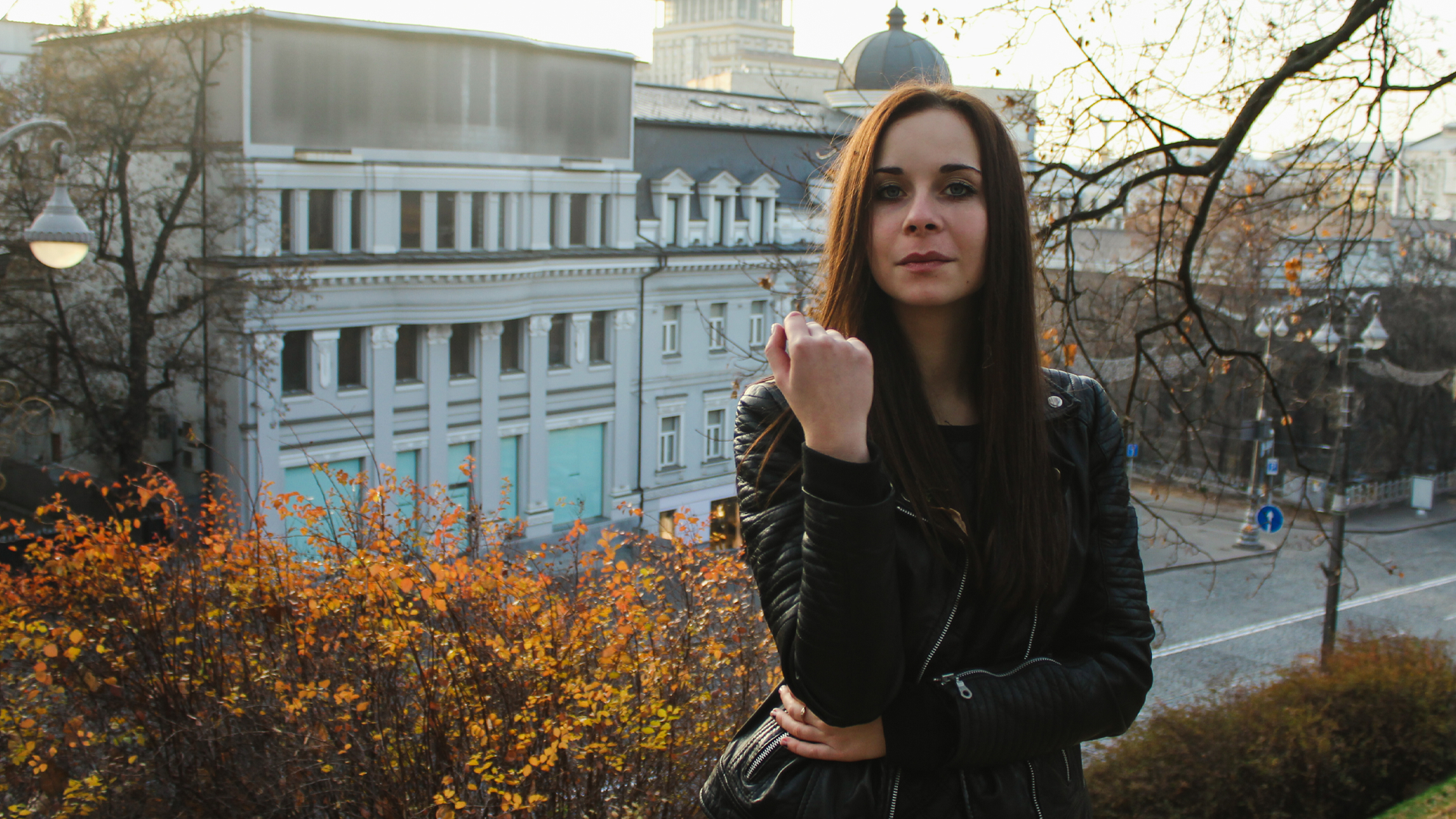
Let's consider an example: say a portrait at a park. You know your subject and hopefully you know your location. Perhaps you saw a fence there that provided a solid leading line, and you have this pre-planned image in your head of the subject leaning against that fence. For some, that's all you need to make the shot happen. You have the idea, now you just need to put it on paper … or pixels.
Not everyone thinks in visuals though. If you're one of the small percentage of humans without this trait, you'll benefit from sketching out ideas with pen and paper. Keeping a journal on hand can be beneficial for recording these ideas as well as other pertinent notes. Others have a vague idea of a shot in mind and when the opportunity strikes, they bring it to fruition. Most photographers likely work with what they've got and make a plan once they see the setting and the subject juxtaposed to one another. The shots just sort of come to them.

Wildlife and sports photographers may be of the mindset that you can never predict the way in which a subject will move, so you can't plan too carefully. There may be an idea, but it's not a matter of making that idea a reality. It is about getting as close as you can to that idea with the tools at your disposal.
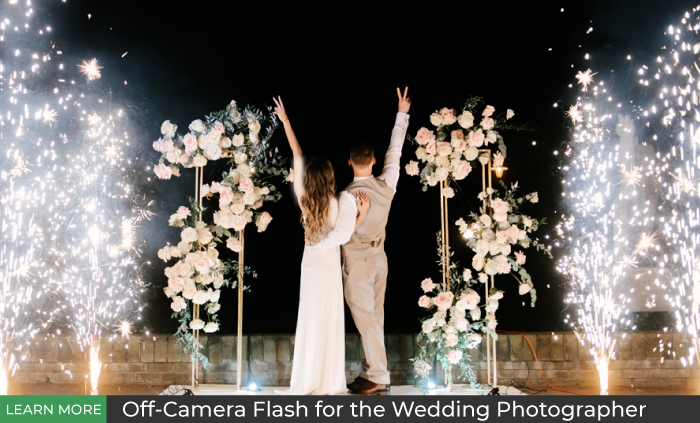
If you're a wedding photographer, a healthy balance of both methods is the key to success. You need to pre-plan images of the significant moments of the day as well as the many posed formal shots, but you also need to be on your toes for those special candid moments that occur between the family shots as well as during the reception. Even the formals require some quick thinking, unless you've photographed a venue before.
The same ideas can be applied to any photographic situation. Why, take this series of images captures of New York legend, Boulder Bird, mascot of the minor league New York Boulders. The name of the game, pun intended, was baseball, but how could you ignore the photogenic mascot. Seeing them spread cheer among the fans is always a delight, and part of the greater story of the event. That said, when opportunity strikes, go for it.

The Logistical Side of Things
It's not all about creativity. There are some technical and logistical elements to planning our shots to consider. On the technical side of things, we have our camera's settings to content with. You've likely seen the viral posts showing "what I see versus what my camera sees." This is a fun, albeit oversimplified example of photography. A camera is simply a tool that allows you to capture what you see, and what you see as a photographer may not actually be what your eyes are seeing. Still with us?
The appearance of an image, from how blurry the background is to how big our subject appears in frame, is the result of how our camera and lens interact with each other and the available amount of light. If we know how factors like focal length, aperture, and shutter speed alter the look of our exposure, we can better plan our settings for the shots we want.
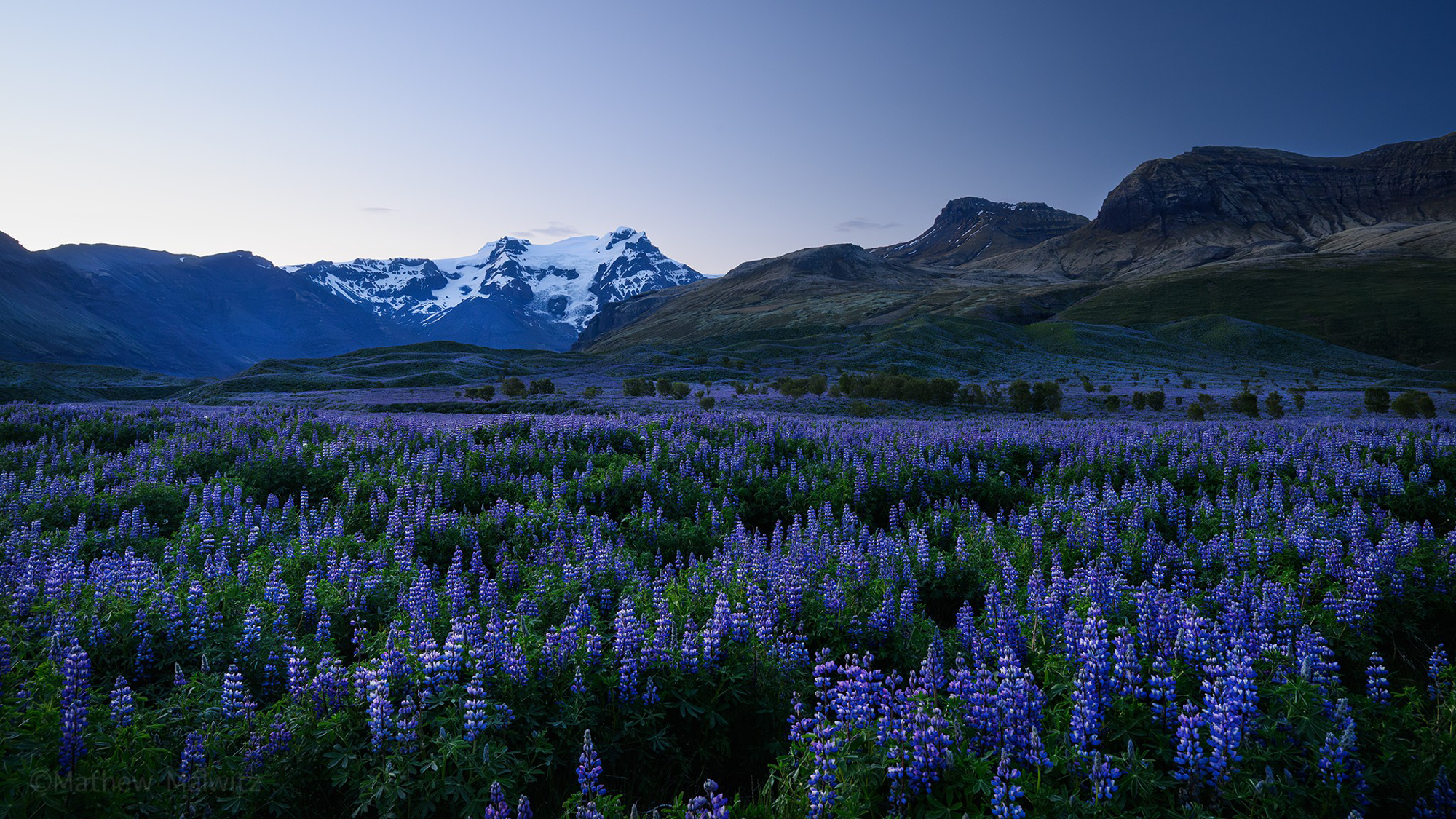
It can also rely on aspects as straight forward as location and timing. Obviously, if you want to shoot portraits on the beach, you need to go to a beach but consider the background. Do you want to see houses or ocean in the shot, or beach grasses and dune fences? We're fortunate enough to have access to things like google maps to find these locations, but nothing beats a good old scouting trip.
Putting It to Practice
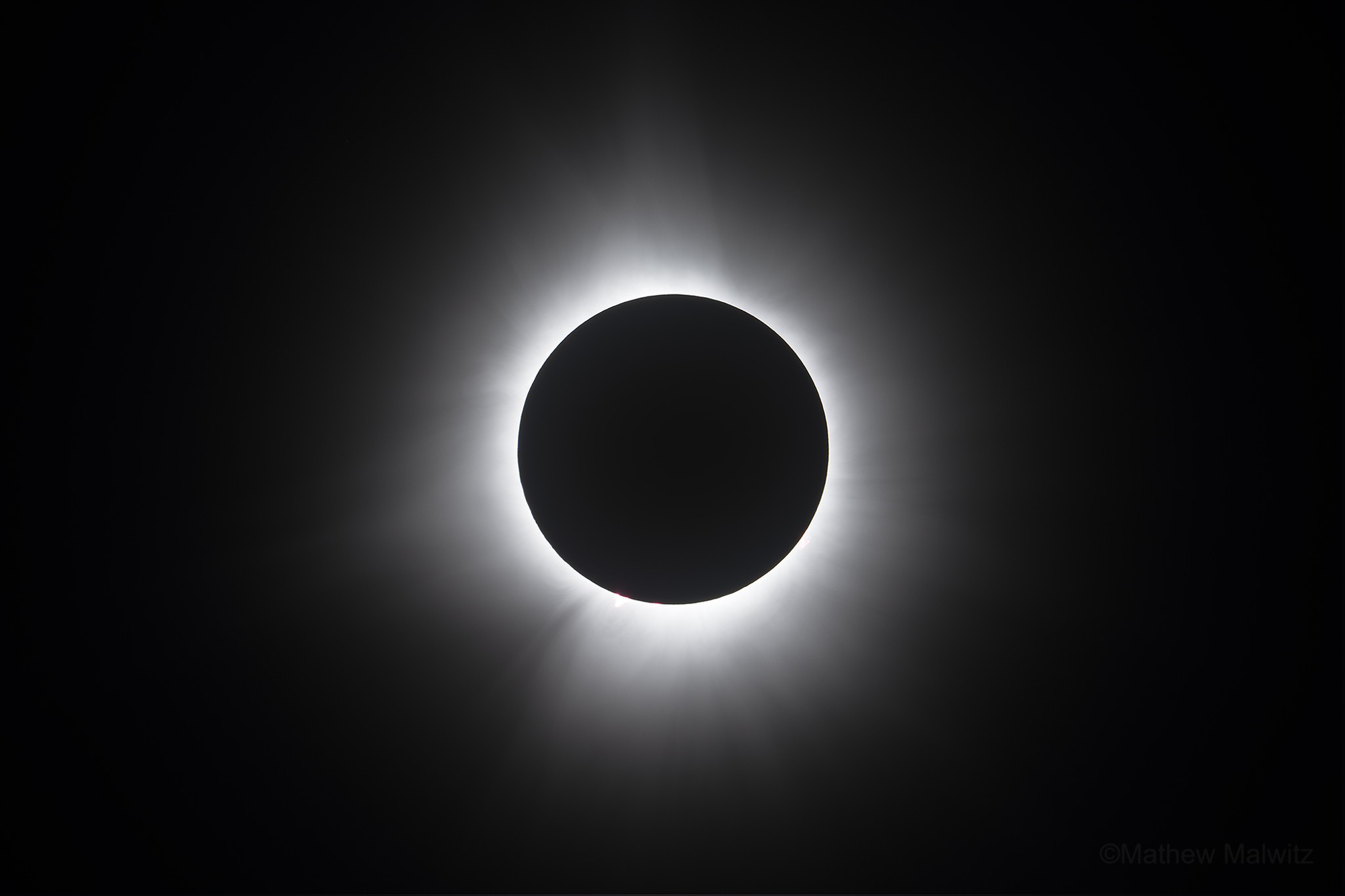
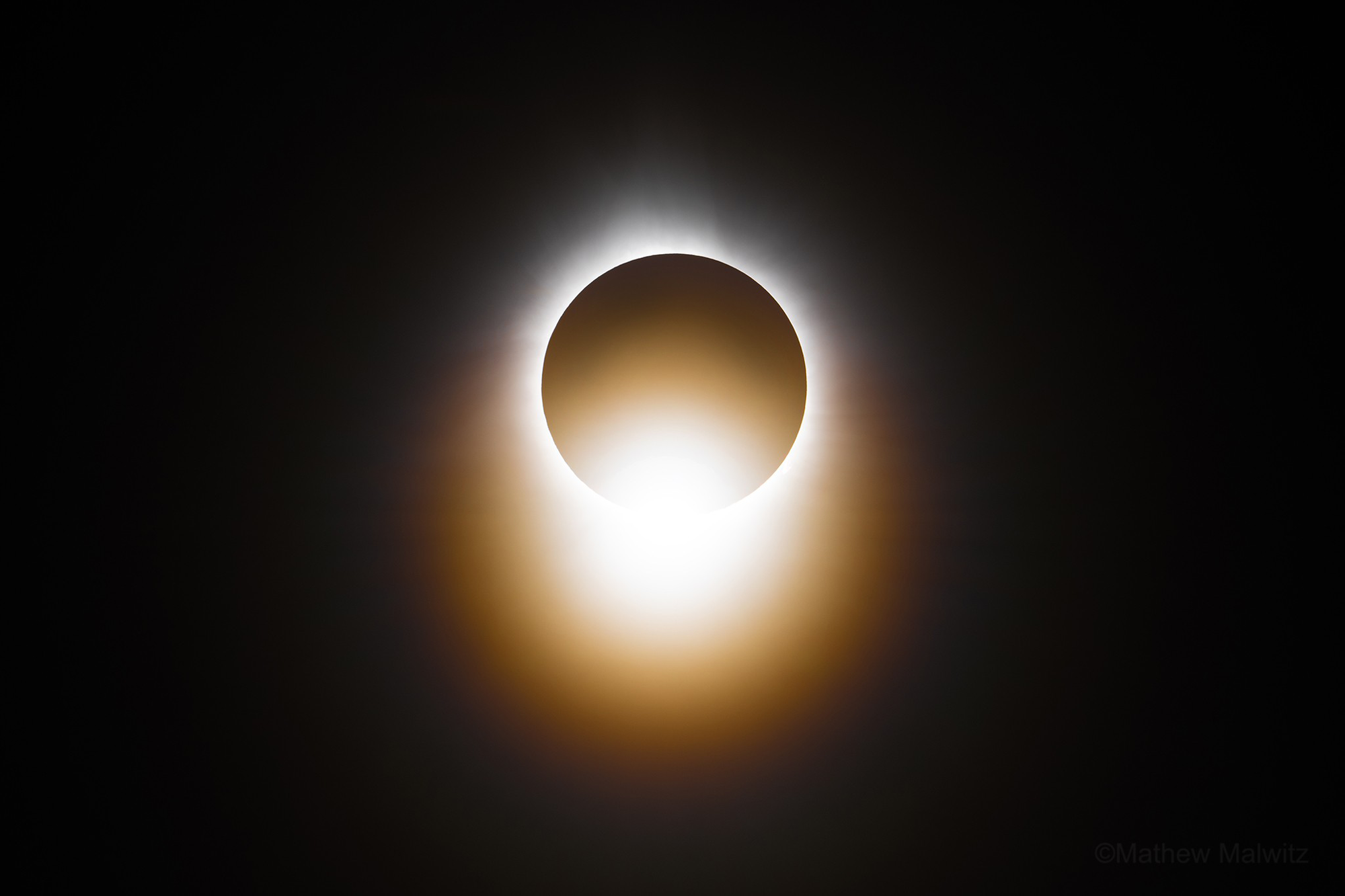
Let's look at an example. In April of 2024, we in upsate New York were fortunate enough to be within the path of totality. Knowing this, we can turn to the maps, look at the weather, and put ourselves within that path to get the shot. The next challenge is setting up our camera. During totality, you only have a few minutes to nail the shot, so we can't be fumbling around with our settings or tripod. With a little research, my settings were adjusted to f/11, ISO 100, and a shutter speed of 1/15 s to capture the optimal exposure.
Location also plays a role in regard to access to subject matter. Many wildlife photographers go their whole lives chasing birds like the iconic bald eagle in hopes of capturing a good close up shot. Those who've tried this know that eagles in much of the lower 48 are typically quite skittish, and the waterways in which they hunt are often not accessible nor conducive to low angle photography. For that reason, travelling to a location where these birds are tamer like Southeastern Alaska can be most fruitful. Let's look at some examples.
Below you'll see two images of eagles hunting. One shows a young eagle against a busy, rocky shoreline taken in harsh midday light. This is typical of a picture taken of an interesting action but shows little planning in effect. The light is unpleasant, the background distracting, and the bird quite distant. On the other hand, the image of the adult bird diving against turquoise waters, filling its fair share of the frame. Evening lighting, good timing, and even the eagle's presence are all testaments to good planning.


Work the Subject
Just because you've captured your dream shot, doesn't mean you shot stop what you're doing. Continue to work the scene or subject and flex those creative muscles. Look around and consider things like light angle and backgrounds to capture different views of the same subject. You can always delete what doesn't work after the fact. If we look back at the eclipse example above, we may say mission accomplished! We captured totality and got the shot we desired. Not so fast! As the moon moves in front of the sun and eventually past it, we have other opportunities for interesting images such as the much sought after "diamond ring" look. I missed that shot, but what I did capture, was a unique look at the sun emerging from behind the moon towards the end of the eclipse.
As you can tell, a lot goes into planning an image. It's not always straight forward taking that idea that comes to mind and transforming it into a tangible photograph. That said, once we plan and execute our first photo shoot, the process becomes easier and easier until it nearly becomes second nature. Learn your gear, study your subject, and have a plan before you head out. Just be ready for the unexpected along the way.
Never feel like you're lagging behind or not as creative as other photographers out there based on how they plan ahead. There' so wrong or right way to plan your shot, and whatever works for you is the way to go. If you're in a creative rut, try a new technique and see if that ignites your creative flame.
As artists, we're always learning. Never discount the benefits of a new tool in your arsenal and always be open to new ways of doing things. If you're looking to take your photography to the next level, taking control of your shots is the first step—from the planning stage to the exposure itself. For more inspiration or general photo, video, or tech guidance, check out our other articles on the B&H Explora page.
