Search results for: photography tips solutions understanding pixels resolution image quality
About 4 filtered results
by Mathew Malwitz · Posted
As you begin to research cameras, you’ll likely hear some technical jargon about sensors. While it’s easy to ignore some elements of any devices, there’s no way to work around sensors. But what is a sensor and what does it do? In this guide, we’re diving into the often confusing world of imaging sensors. By time we’re done, you’ll have a better understanding of the most significant component in our digital camera.
About Sensors
What Is an Imaging Sensor?
At the heart of our digital cameras sits an imaging sensor, which serves as the digital

by Cory Rice · Posted
Over the past few years, pixel-shift image capture has transformed from a luxury reserved for deep-pocketed specialists to an increasingly common feature on new, resolution-oriented cameras. Today, in addition to Hasselblad’s behemoth Hasselblad H6D-400c, Olympus, Pentax, Sony, and Panasonic offer versions of the technology at much more accessible prices.
While it is advertised under several names (High Resolution Mode,

by Allan Weitz · Posted
Sometimes, the phrases, acronyms and strings of numbers or number-letter combinations used to identify photographic hardware or techniques can be daunting to the uninitiated neophyte photographer.
We've prepared a list of the basic terms. Have we left any out that you think should be added? Please let us know!
0-9 | A | B | C | D | E | F | G | H | I |
by Shawn C. Steiner · Posted
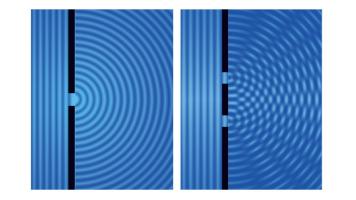
With the ever-increasing number of pixels manufacturers can cram onto a single digital image sensor, the optics themselves are beginning to become the limiting factor in image quality. This is making it all the more important to stop down our lenses in an effort to squeeze as much sharpness from them as possible. Unfortunately, while stopping down is a great way to sharpen pictures, if we go too far, we end up with deteriorating image quality. This optical effect is called diffraction.