
If there’s one area of wildlife photography that challenges even some of the most consummate artists, it’s birds in flight. A dynamic flight shot shows action, and a bit of technical prowess. As you can imagine, capturing birds in flight is no easy feat.
To consistently capture these shots, one must be proficient with their gear and have a knowledge of animal behavior. We’d go as far as to say you need a bit of luck too, but what is luck if not preparedness meeting opportunity. In order to make the most of the opportunities that present themselves, we’ll need to understand how to freeze a subject in motion and hone our ability to creatively think on the spot.
In this guide, we’re going to discuss what goes into making a good flight shot. From the technical skills required to keep the bird in the frame and get it in sharp focus, to more creative elements. To get started, we need to touch upon the tools we need to get the results we want.
Does Gear Matter?
Are we really going to talk about gear in a guide on technique? Yep, we are indeed. Gear is an essential part of photography. It’s quite literally impossible to capture a photograph without it. Gear can range from as simple as a coffee can with a hole drilled in it, or it could be a $20K Nikon rig. Though we wouldn’t recommend photographing birds in flight with the coffee can.
What matters most is that we have a lens with a maximum focal length of at least 400mm. This runs a bit short of our recommendation made in our wildlife lens guide, but hear us out. Many photographers find the longer lenses to offer too much focal length for action. While it may be ideal to “fill the frame,” it’s much harder to keep a moving subject dead center when swinging such a large lens. Birds also fill the frame better when in flight thanks to their large wingspans.
It’s always better to have more space around the subject than to cut off wing tips, so a shorter lens can be beneficial. If a subject is still a bit small in the frame, we can always crop a bit in post, but we can also compose our image to accommodate this empty space. Filling the frame doesn’t mean the bird needs to span corner to corner.
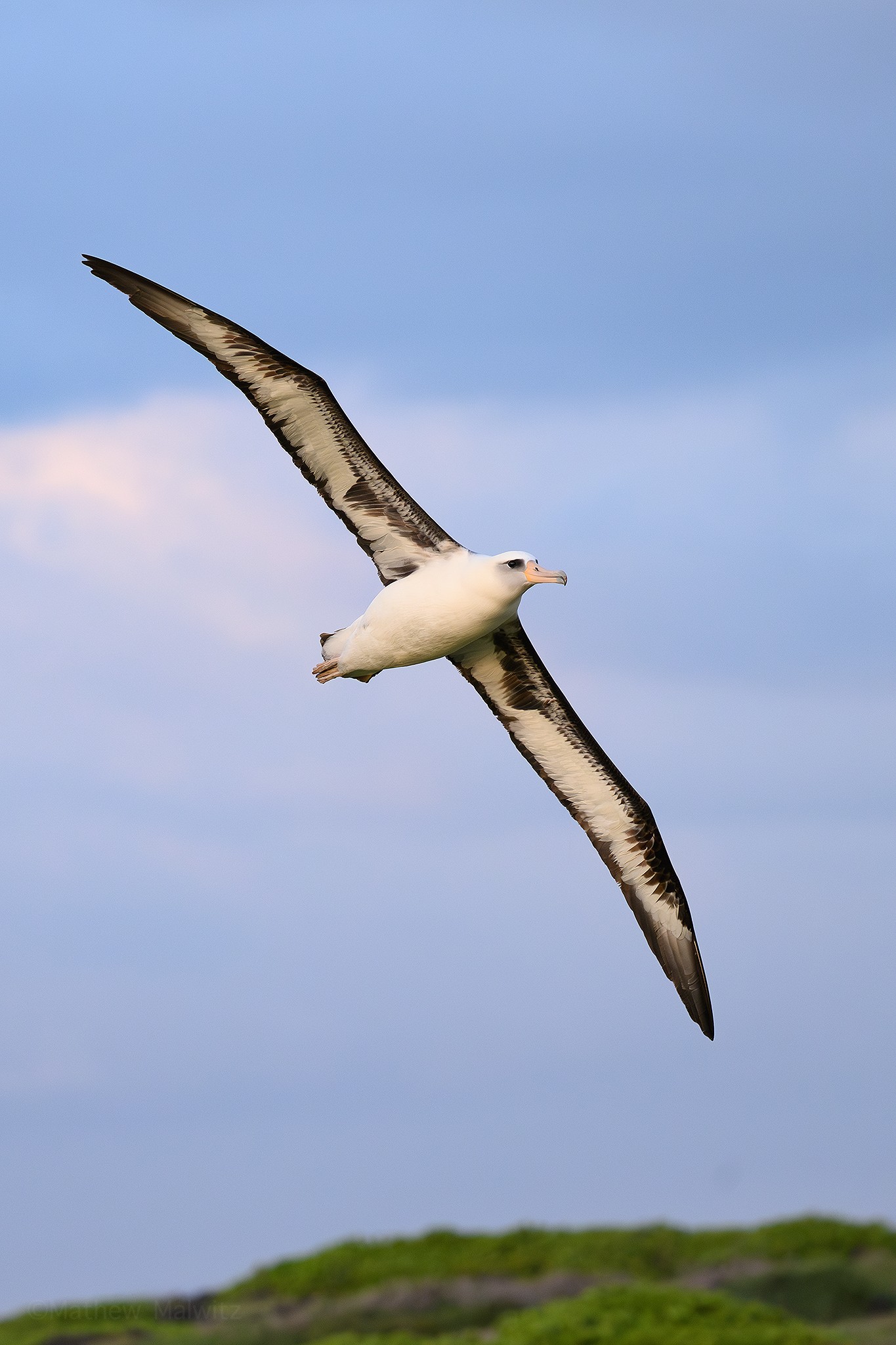
Tracking birds in flight is no easy feat, and to do so, many photographers opt to handhold their rigs. Sure, larger lenses are heavy and difficult to hold up for long periods, but tripods are more restricting when following and tracking a flying subject. Birds fly in erratic patterns, so the ability to twist and turn freely is advantageous.
With the right tools, we can plan our first outing. It’s not as straight forward as heading to your local patch of woods and hoping for a miracle. While this method can work, it’s best to go out with a plan.
Setting Out with a Goal
If you’re out in the woods hoping to see a bird, odds are your camera is not set for fast action. Even if you keep your settings tuned for action, there’s the challenge of being ready to shoot. Often times, birds fly when you least expect it, meaning you have a split second to raise our camera, find the bird, focus, and press the shutter button.
We all get lucky from time to time, but the best way to get flight shots is to set out with a plan. Choose a location that offers frequent flight opportunities, such as a nesting colony or a spot where birds fly in to feed. Fishing piers in Florida are commonly patrolled by foraging osprey, and the famous Nickerson Beach (which is only an hour from our NYC Super Store) is home to thousands of nesting terns, skimmers, and oystercatchers in the summer months.
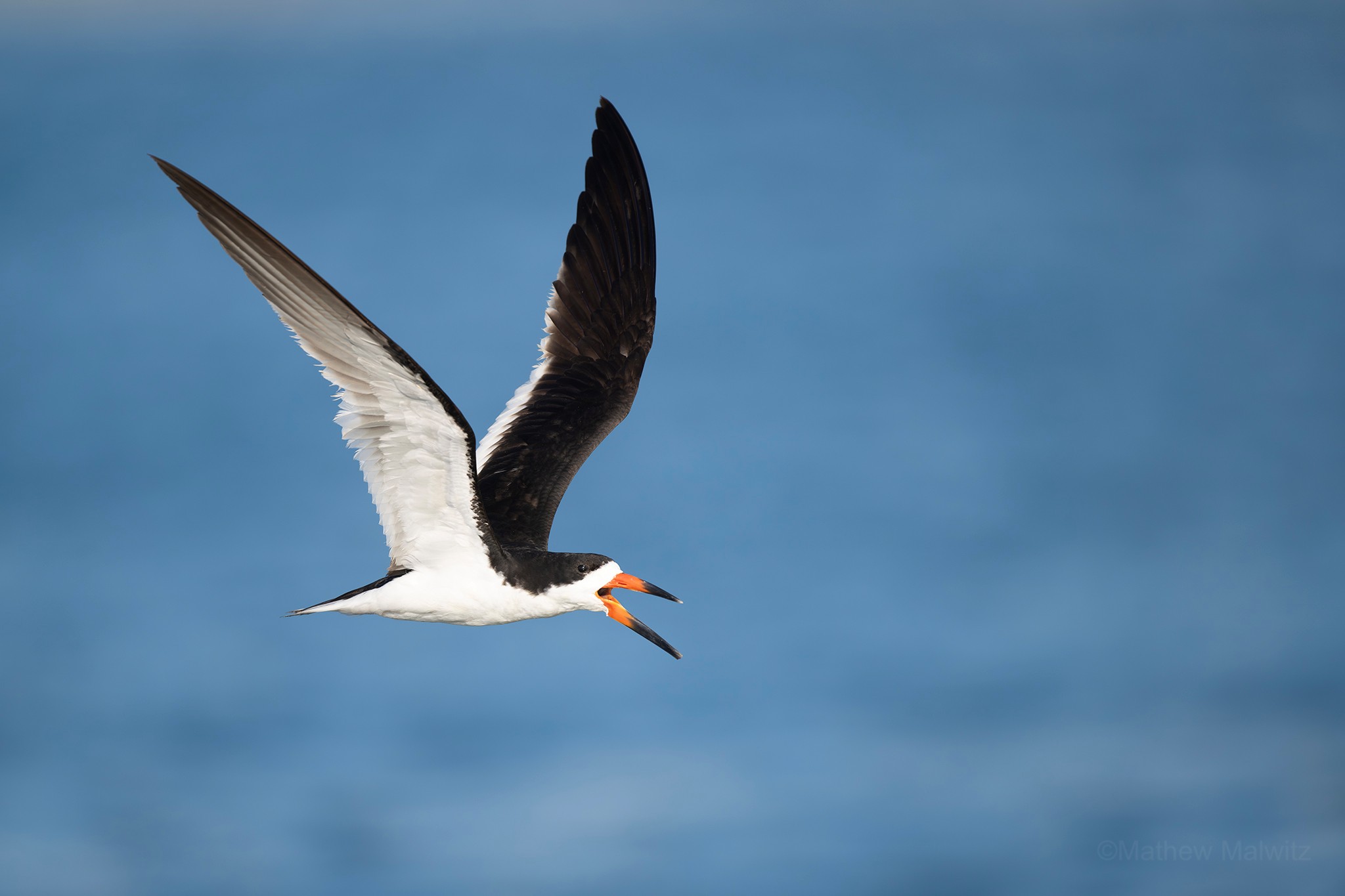
These are great examples of locations where action is plentiful, and flight photography can be the soul focus of a shoot. When you arrive at a location like this, take some time to observe. Look for patterns, such as bird flying in a particular area, or flying from one area to another with consistency. You’ll notice that these patterns correlate with the wind.
Watch the Wind
Birds don’t fly on a whim. The decision is a calculated one. Birds rely on every last bit of energy they consume, and unnecessary expenditure can mean life or death. Hence, any assistance a bird can get, and that includes making use of wind. Birds land and take off into the wind. The blowing air provides additional lift at takeoff but also delivers excellent stopping power when the wings are in breaking position for landing.
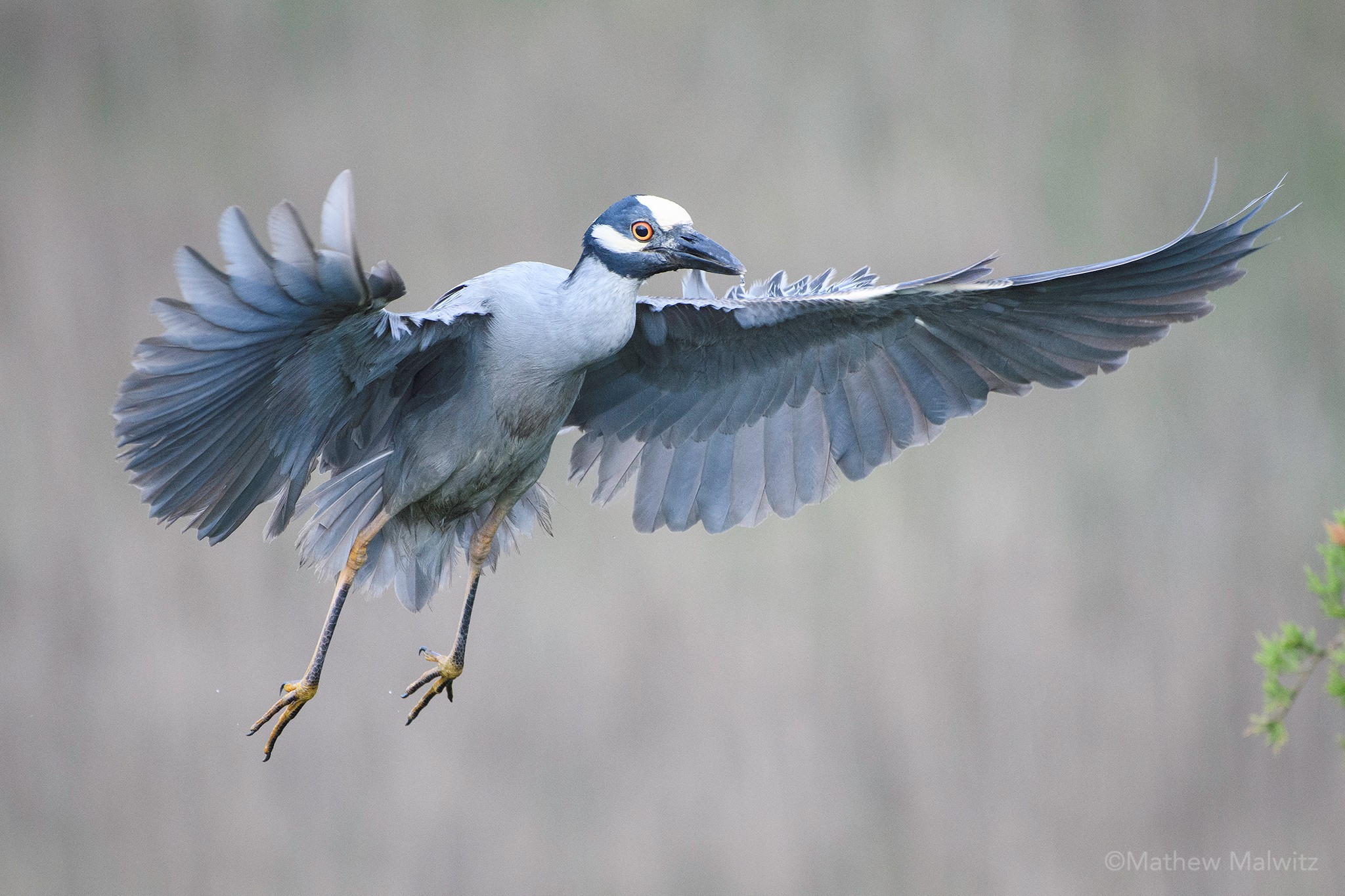
With a slight breeze, we should off to the races getting flight shot after flight shot right? Not so fast. There’s another factor to consider that must align with the wind, and that’s light. For most photographers, we generally want the sun to our backs, and the wind blowing in the same direction. We can be creative and shoot against sun angle, but baby steps. Wind and sun together will prompt the birds to land facing the sun, and subsequently, onlooking photographers.
Lighting
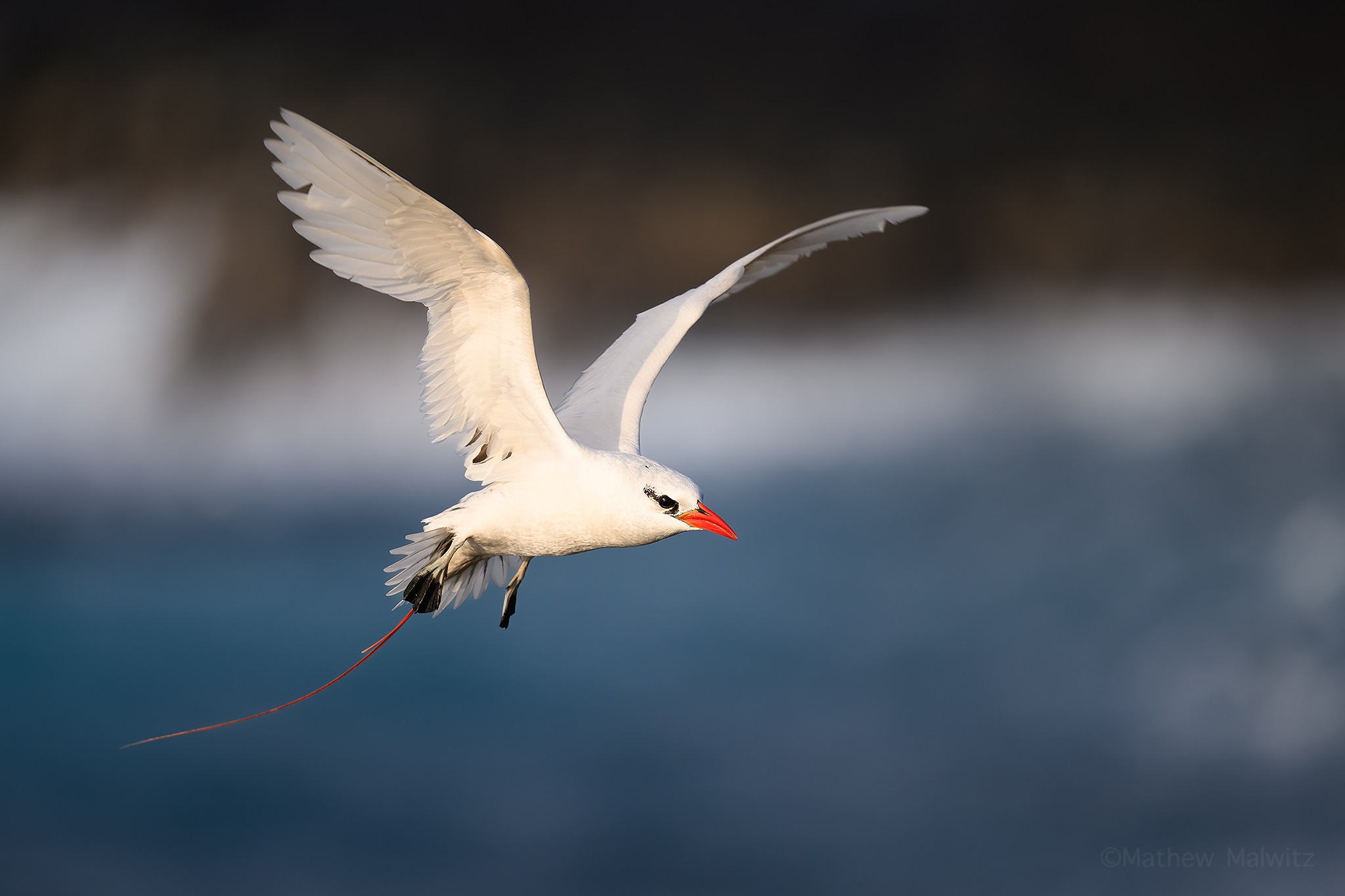
What is photography if not painting with light. Light is what it’s all about so we want to shoot in the best light. The first and last hours of the day provide the softest, warmest light there is. Plus, most birds are more active at these times, providing greater photographic opportunities.
When shooting in sunlight, angle is key. The sun should be over your shoulder to cast evenlight on your subject. How do we know when the light is too harsh? Look at your shadow. If your shadow is longer than you are tall, it should be well suited for photography. If standard flight portraits are what you’re after, stick to shooting when the sun is low and shining over your shoulder. To take your work up a notch, try shooting backlit.
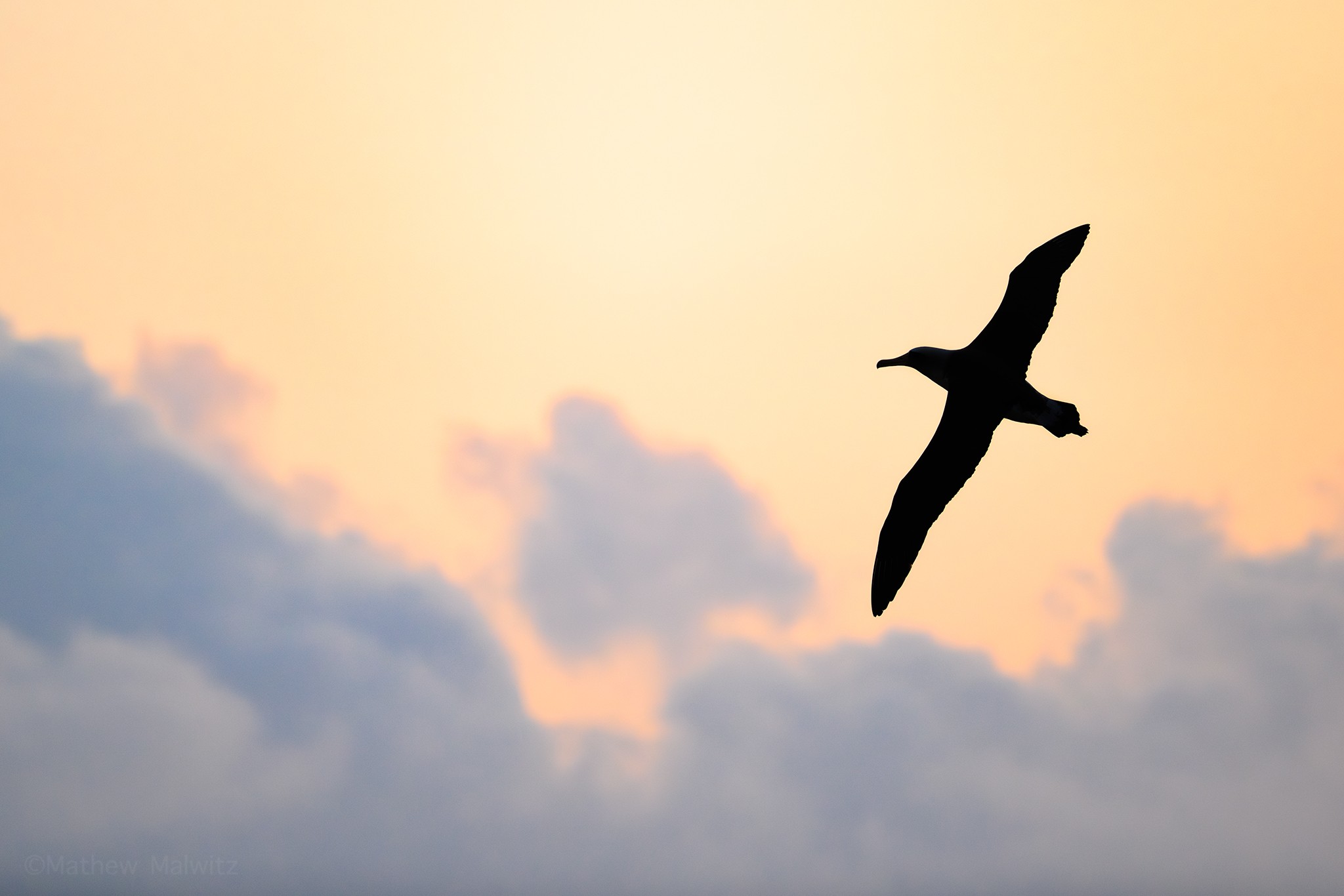
Overcast skies provide a different quality of light that allows us photographers to shoot without fear of shadows all day. This comes at a cost to the brightness of our available light, so ISOs must be raised in order to get the settings we need.
Autofocus Tracking
Blurry images aside, we mostly aim to capture tack-sharp images of flying birds here. Many new mirrorless cameras offer intelligent tracking autofocus modes. These are trained to identify and follow a variety of subjects including birds and other animals. In some cases, a camera can recognize and pinpoint the head or eye of a bird, while others just track the entire animal.
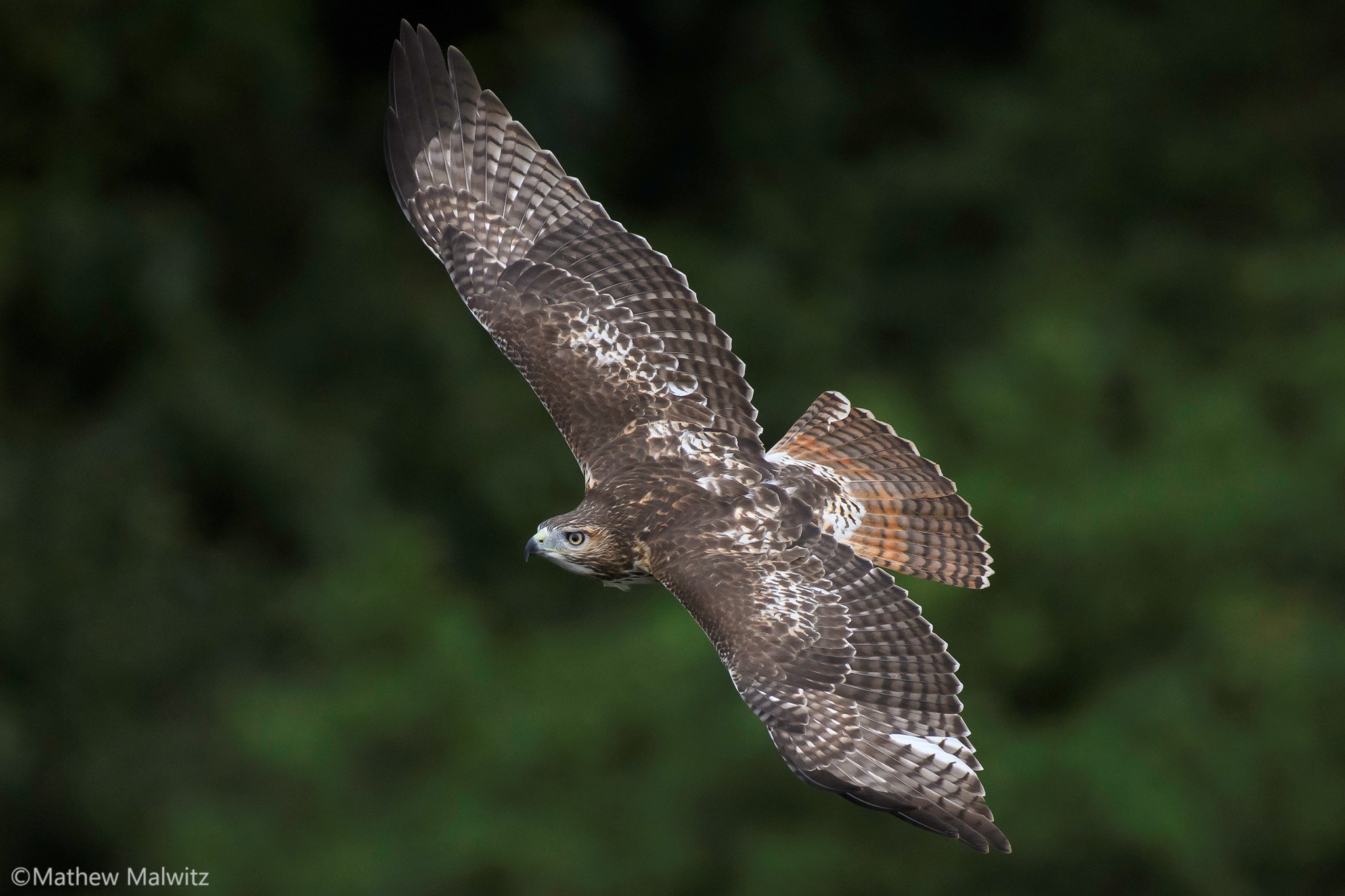
First, set your camera to continuous focusing. Depending on the model or brand camera you’re using, the exact focusing area modes and names will vary. Set your camera to Continuous AF or AI Servo for Canon users. In these modes, autofocus continues to operate so long as the shutter button is half pressed or the AF ON button is pressed.
From there, we must select an autofocus area. This is where we’ll run into differences from brand to brand and model to model. Any dynamic autofocus area where the camera uses multiple points to follow the subject across all of or part of the frame is recommended. Mirrorless cameras have many advantages in the area of continuous focusing, with the most notable being intelligent tracking.
Tracking refers to our camera’s ability to constantly maintain sharp focus as the subject is moving. Older DSLR style cameras didn’t have the intelligent subject detection systems of today’s mirrorless options, but they offered dynamic focusing zones that used multiple focus points to keep track of the subject. Newer systems can actually identify the type of subject you’re tracking and will follow it throughout the frame with just a simple half-press of the shutter button.


No matter how advanced the camera we’re using, Acquiring initial focus is one of the most trying aspects of photographing birds in flight. One helpful trick to set you on the right path is something known as prefocusing. This involves focusing on an object or part of the terrain that is a similar distance away. When the bird begins to approach, this puts your focusing distance closer to the bird and hopefully, latches onto it instead of the background.
Contrast is a big help, not only for making your subject pop against the background, but also to aid your cameras when focusing. Autofocusing systems have traditionally been contrast-based, and though the latest systems implement AI learning and intelligent subject detection, they still rely on contrast to find the subject.
Panning
Autofocus is only as good as the photographer’s ability to keep the bird in frame. Our ability to physically track is all about good panning technique. The trick here is to keep the subject stationary in the frame, even as both you and the subject are moving. Sounds easy, right.
First, we must find the bird in the frame. One trick is to use your cameras hot shoe as a sort of iron sight. Line the bird up within the little side brackets of the shoe and keep it there as you shift focus to the viewfinder below. Remember to keep your camera moving with the subject!
Another helpful technique is to start at a wider focal length. This only works for zoom lenses, and it comes with its own challenges. Zooming while focusing can through your AF out of whack and temporarily cost us sharp focus, but this can be corrected.
Expertise in this area doesn’t come overnight, and if you’re using various lenses, the skills gained with one may not translate to another. As with all things, the more you practice, the better you’ll become. Panning alone can get us a sharp eye, but what about the rest of the bird? To get the entire subject nice and sharp, we’ll need a fast shutter speed.
Shutter Speed
Shutter speed is the exposure setting that controls the duration of our exposure, and subsequently whether we freeze or blur motion. The faster our exposure, the better our chances of freezing that motion.
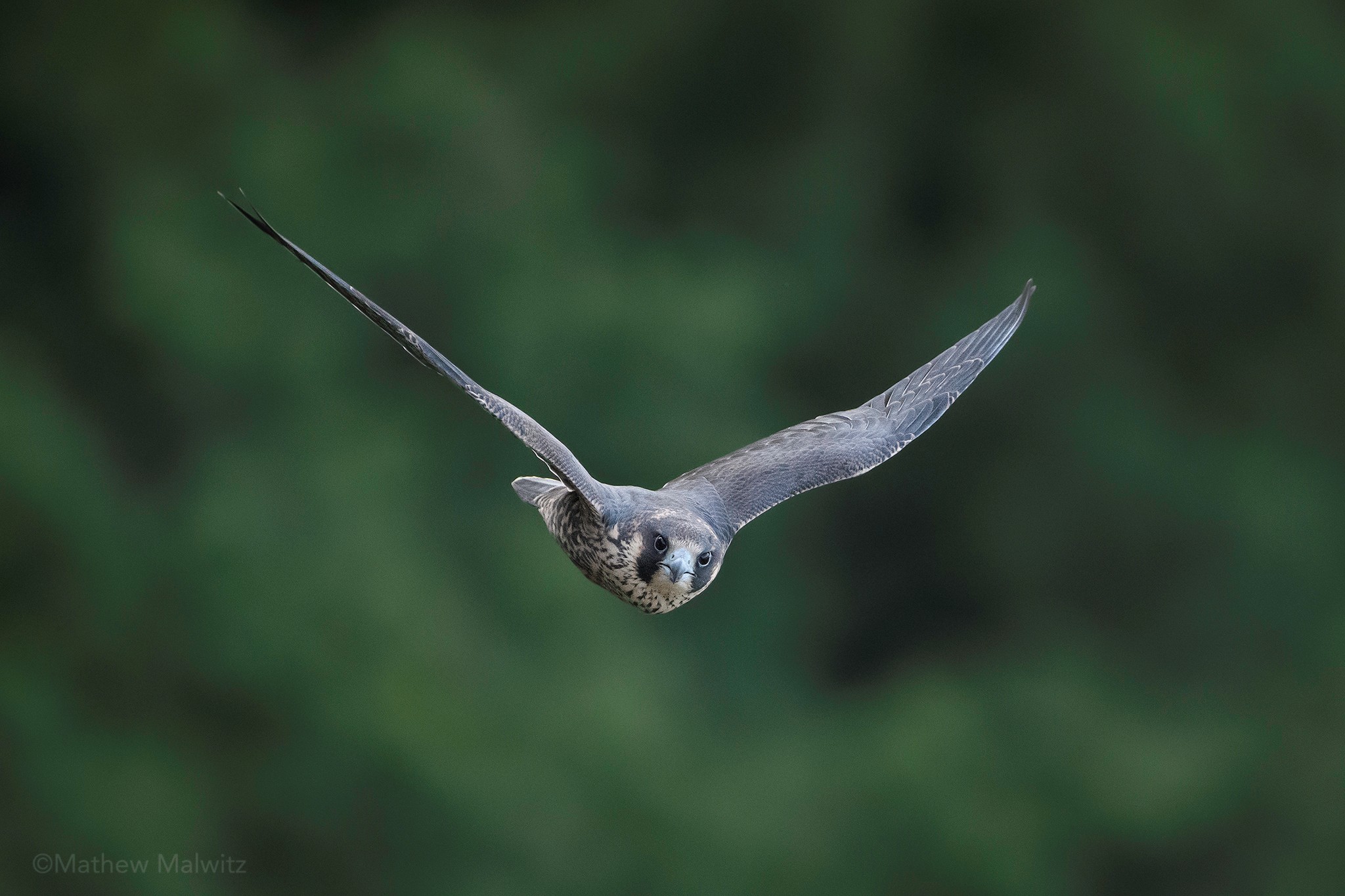
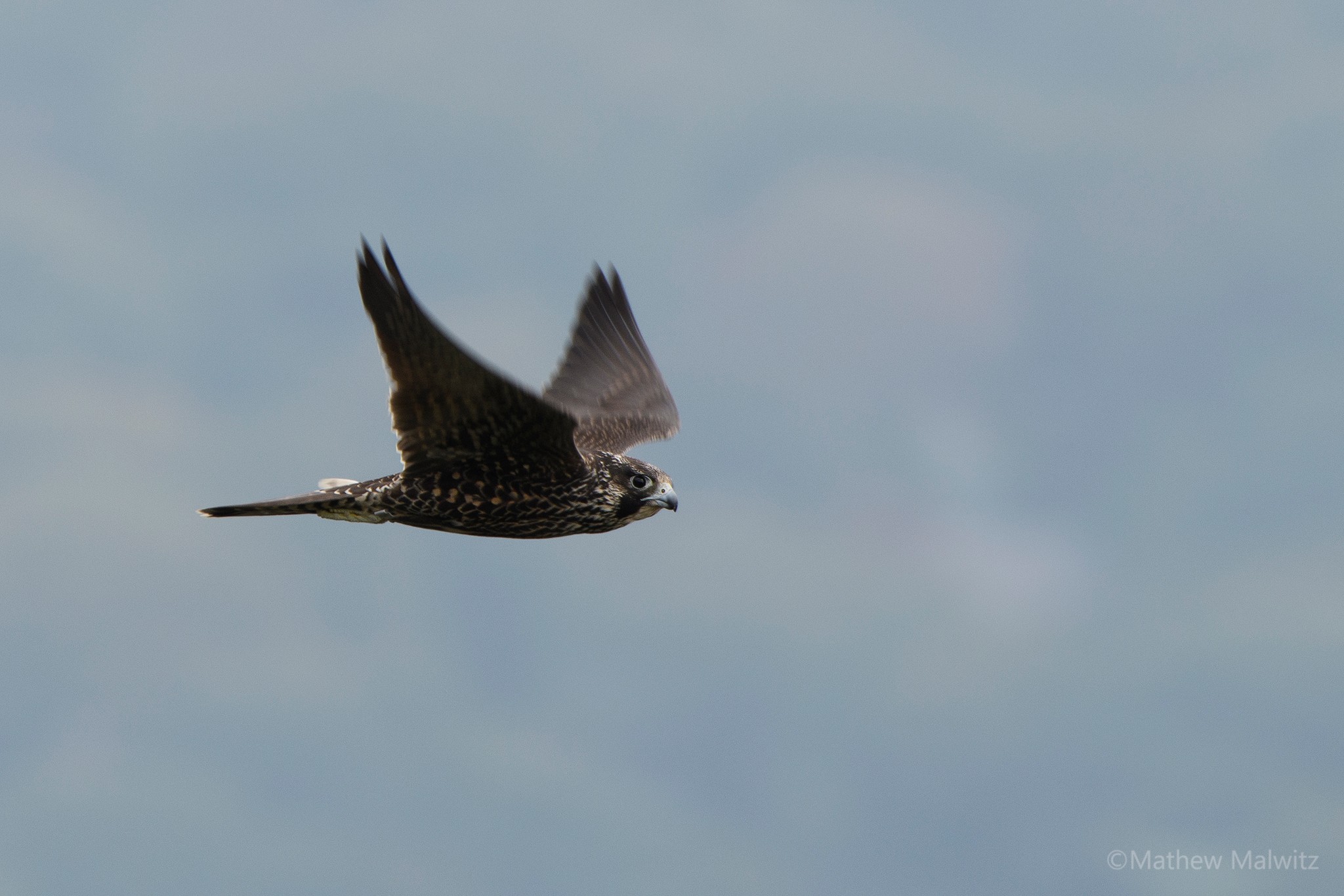
A good starting point is to set our shutter speed at 1/2000 of a second. This is fast enough to freeze most flying birds, but don’t be afraid to experiment. Some birds are larger and slow, so shutter speeds as low as 1/1000 or less can be used, while smaller birds like shorebirds may require extremely fast speeds of 1/4000 or higher.
With proper panning, any shutter speed can produce pleasing results. Some photographers can even capture tack sharp flight images at shutter speeds as slow as 1/400 and even slower. You have to remember that not too long ago, there were film cameras only capable of reaching shutter speeds of 1/500.
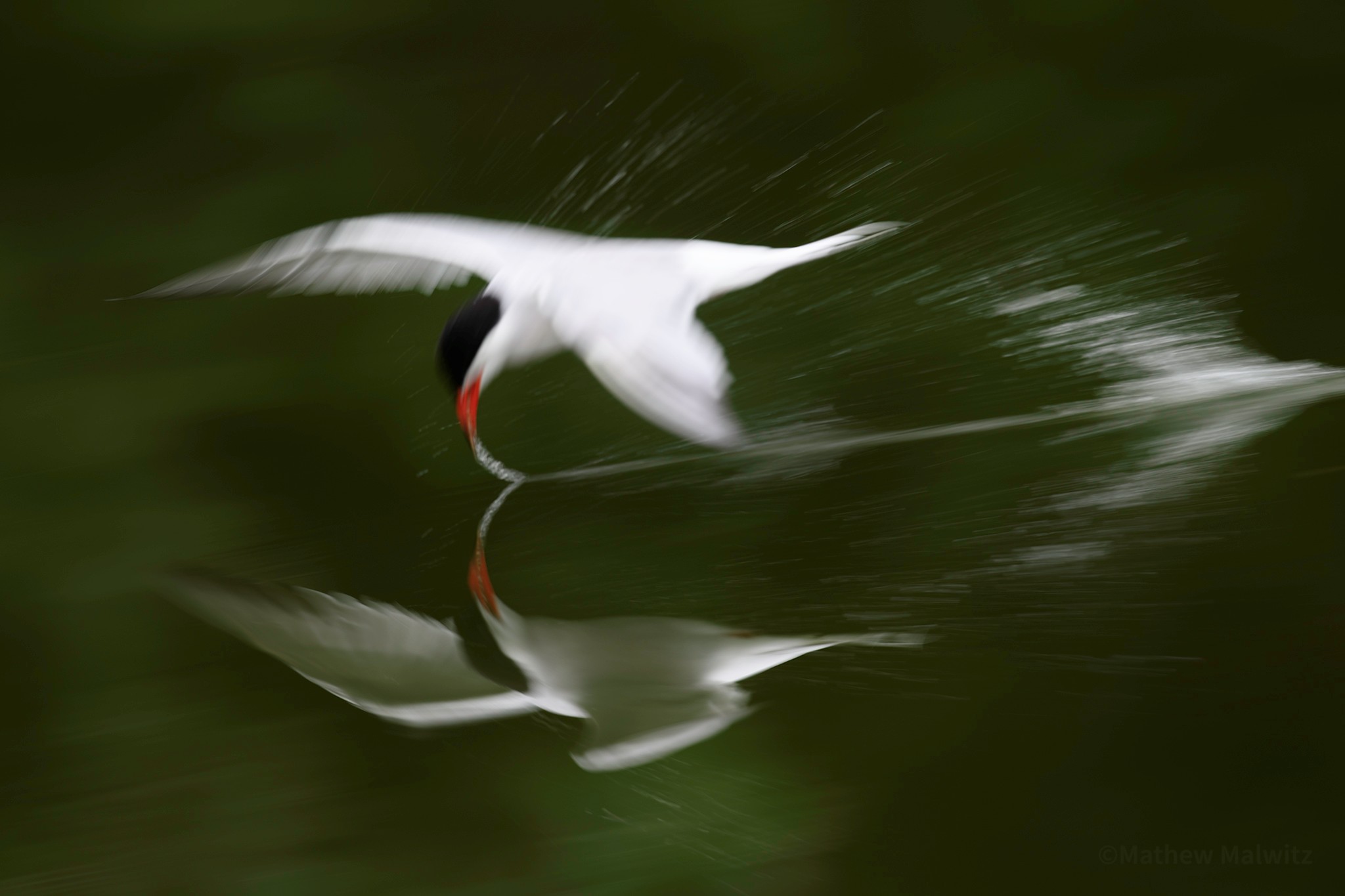
Shutter speed can also be used to intentionally blur our images. This style is part of a greater genre of photography known as ICM, or intentional camera movement. The results can vary from painterly to completely abstract depending on how slow a shutter speed we use and how well we pan to keep up with the moving subject. To get the head or even eye sharp is nothing short of a miracle, so don’t be discouraged.
Pose
Alright, we are aware you don’t have much say in this area. You can’t exactly ask a bird to strike a specific pose. At least, not with any success. As the old saying goes, “you get what you get, and you don’t get upset.” While this statement is largely true, we can better our chances by working with the wind as mentioned above. But we can be more selective when we press the shutter, and in which files we keep.
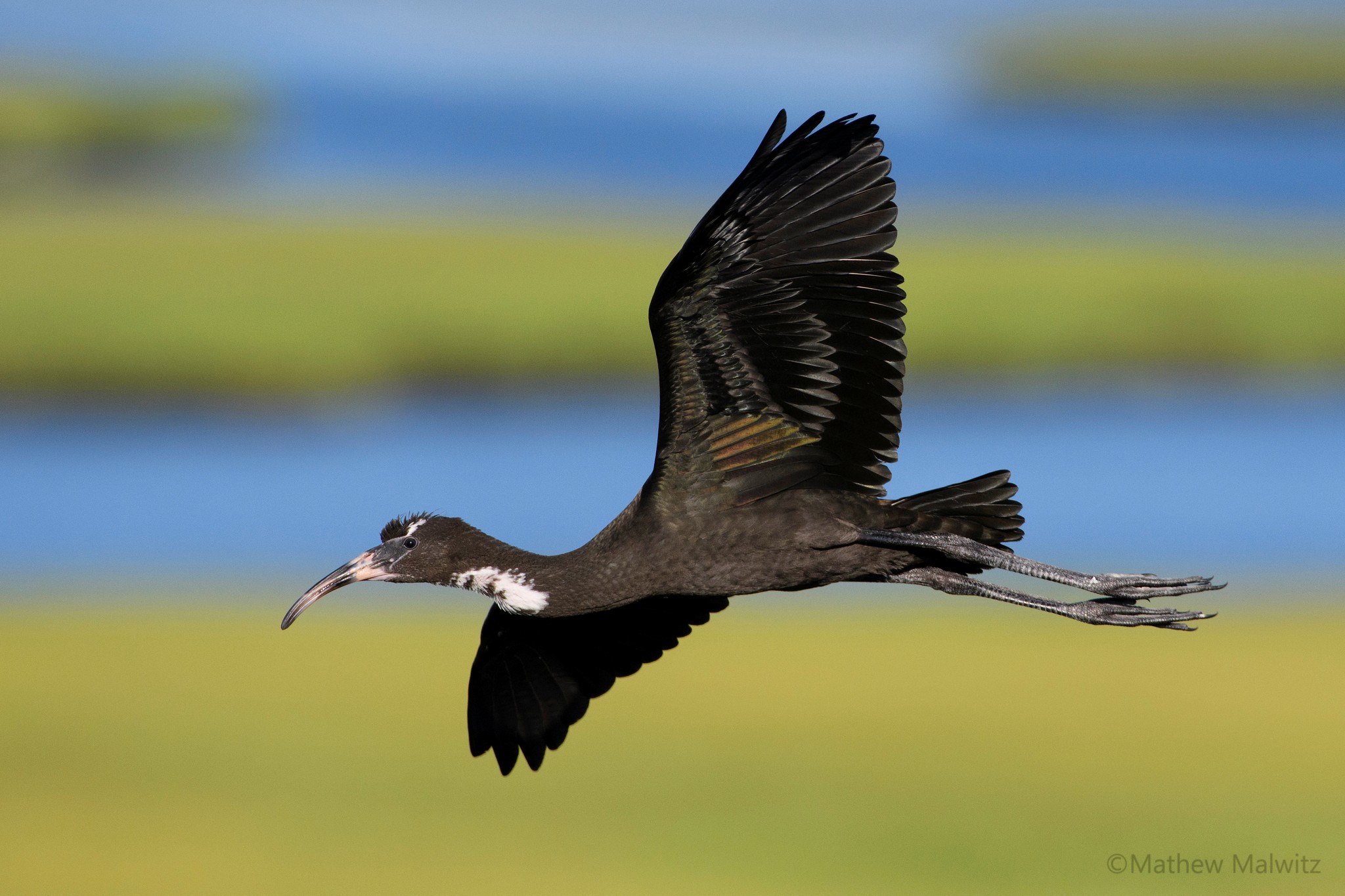
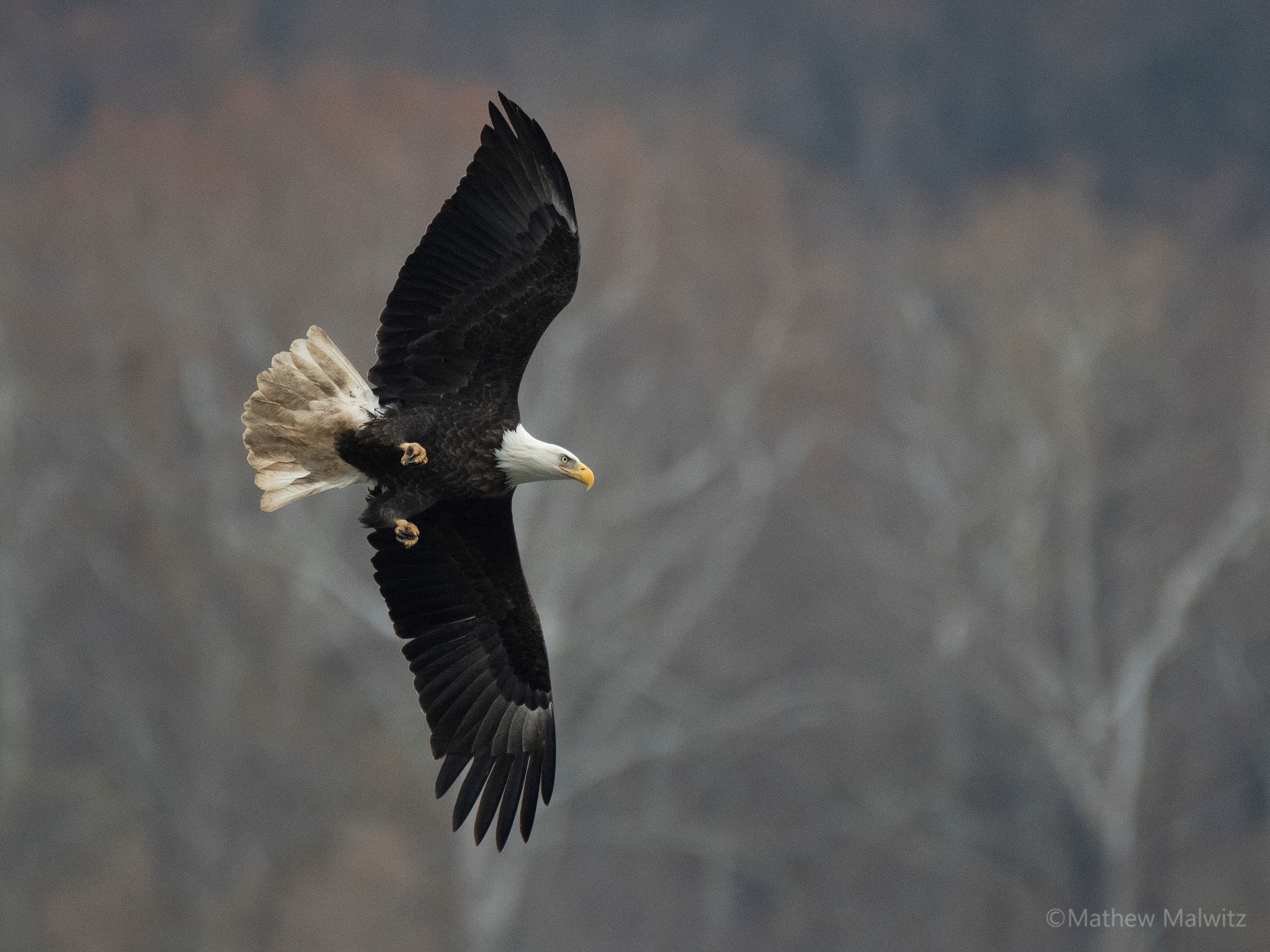
What constitutes a good bird in flight pose? Let’s start with the wings. Open, raised wings convey the action of flight. Plus, they simply look more visually pleasing. This is by no means a demand, but a guide. Open wings are best but let your creativity soar—pun intended.
Another aspect to consider is head angle. Our subject, or at least it’s head, should be parallel to if not angled somewhat towards the camera. A head angled toward the camera adds an additional layer of engagement to your image. After all, the eyes are the window to the soul, so we want to see them.
A head angled away from the photographer results in a less than pleasing composition. No one wants to see the tail of a bird if they can’t see its face. Be selective with your shots and always anticipate the action, don’t just spray and pray.
Anticipate the Action
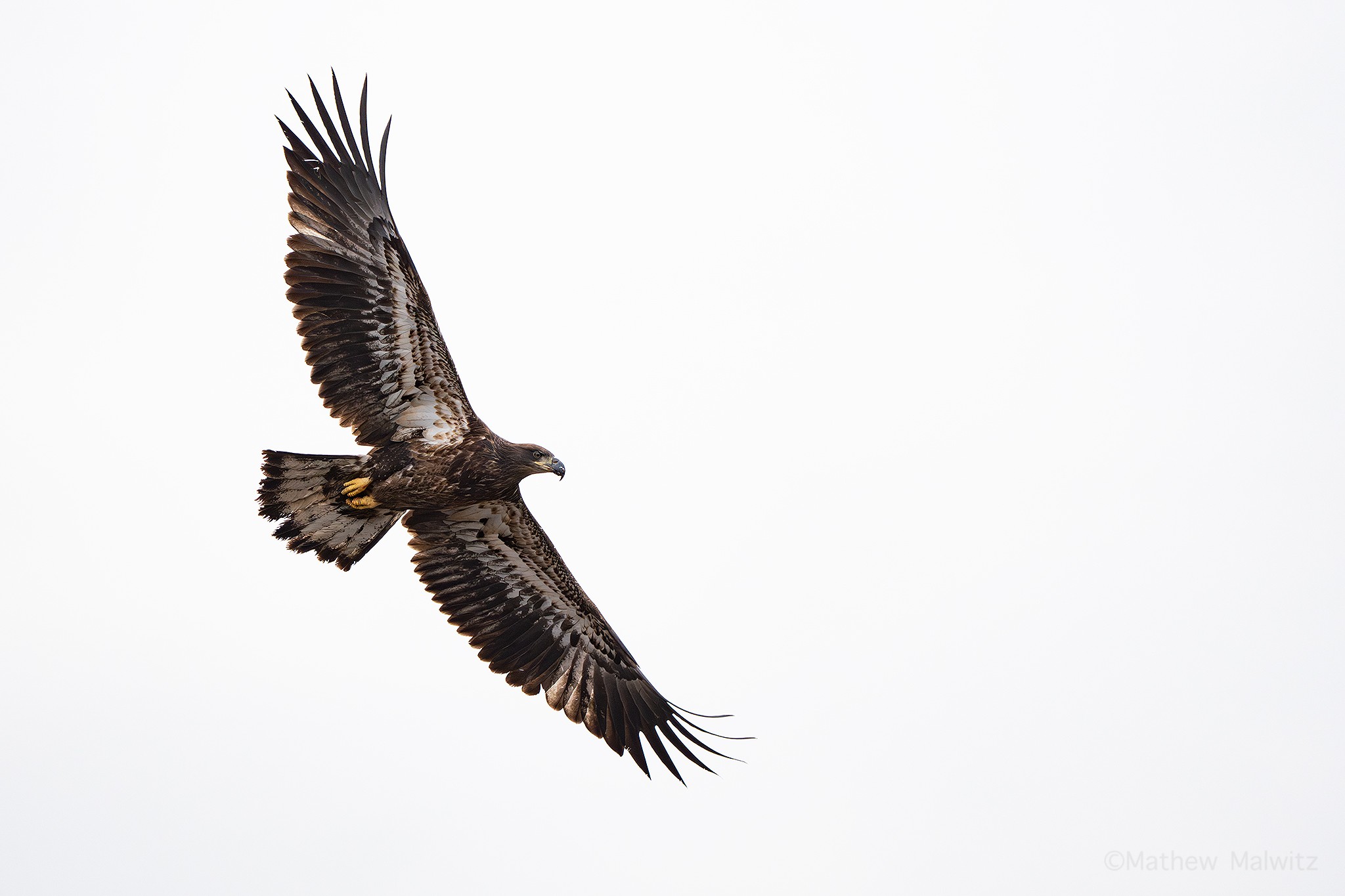
Shutter discipline is a virtue. The ability to only press the shutter when we anticipate the action, we’re after is something that comes with time and practice. The more we learn while observing our subject, the better we can predict when something interesting is going to happen. Bald eagles are a great example of an easy-to-read bird. They’re big and they’re slow, so any sudden change in movement or direction comes with plenty of warning.
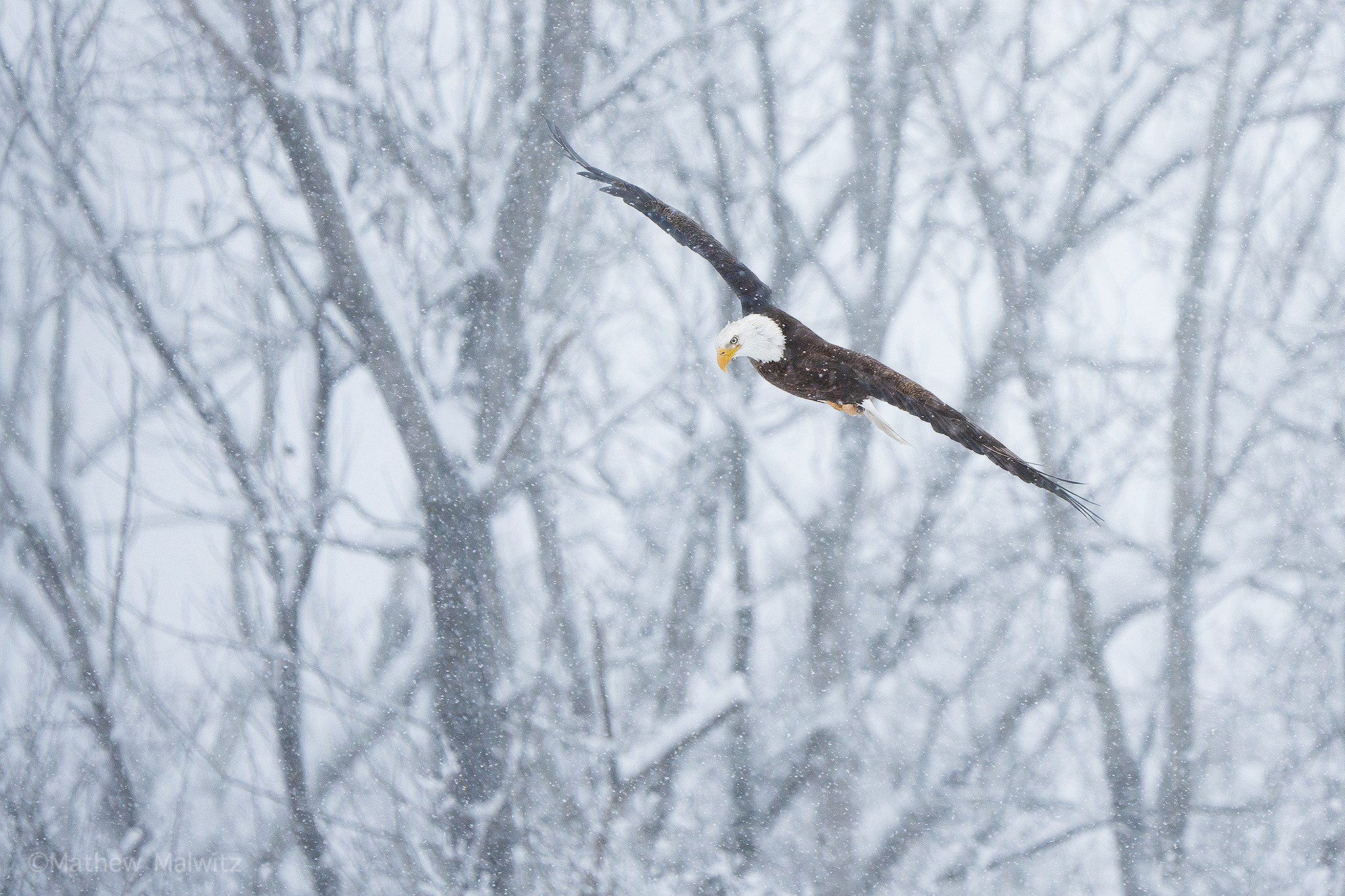
When you see the head turn or the wings shift in a favorable direction, that’s your queue to start firing away. But when do we stop? It’s important that once you begin tracking a moving subject, that you follow through. This means that we keep tracking it until it passes us and is no longer at a good angle or in photographable position. If we stop too soon, we risk missing a worthwhile shot.
Get Creative
Earlier we mentioned backlighting. First thing is first, don’t focus your lens on the sun. A quick “glancing blow” won’t hurt, but lingering can lead to physical damage. There’s a reason we use specially made solar filters when photographing the sun. For a true silhouette, the subject should be directly in front of the light source to ensure a bright background and a clear, distinct outline of the subject.
Set your ISO low and your shutter speed high. If need be, close down your aperture a bit to limit the amount of light reaching the imaging sensor. In some cases, you can fib a little and intentionally underexpose your image to achieve a similar look.
The orange glow of the early morning sky is often lost when exposing to the middle of our meter. Instead, aim to underexpose a bit. This provides the rich color we want and gets us closer to a true silhouette.
Composition and Cropping
Composing an image while panning is not something we expect everyone to do. That is, unless you can pan perfectly, but that’s easier said than done. Composing in-camera is always advised, but fast action can be a challenge to follow. One solution that we touched upon in the gear section was cropping.
It’s not out of the ordinary to keep the subject in the middle of the frame and compose later. It’s much easier to track a moving subject this way, and we can crop as needed. But wait, isn’t cropping a bad thing? Shouldn’t we try to “fill the frame”? We spoke of this very topic just a few paragraphs ago. Filling the frame, while possible, is never easy.
The subject must be close enough or we need the focal length necessary to get a close enough view. Any wildlife photographer will tell you that both of these factors are often wishful thinking. Cropping is a necessity for wildlife photography, though it’s important to not overdo it. If you’re routinely cropping 50% or more into your images, it may be time to get a longer lens or change your approach.


Patience
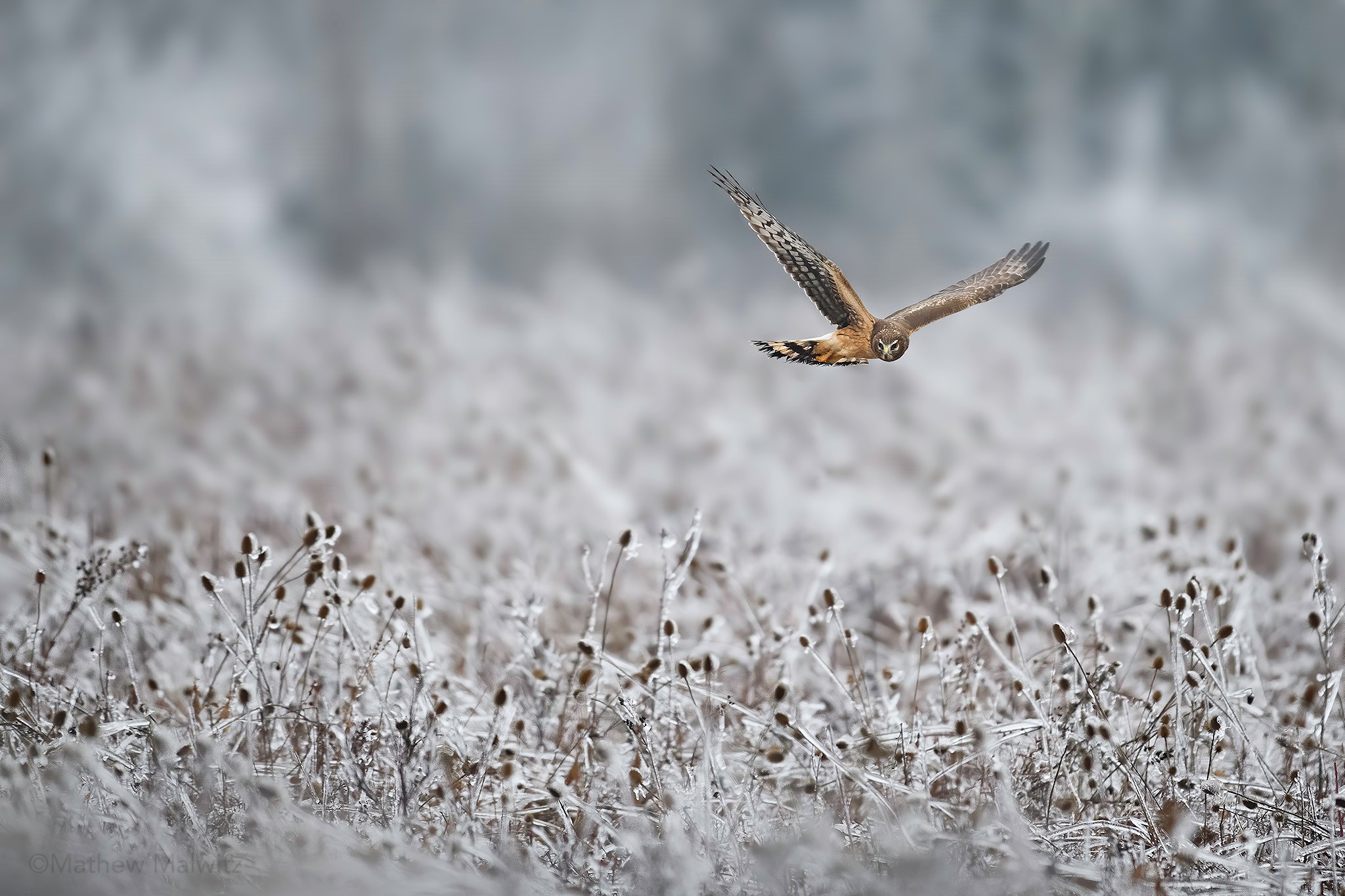
Patience is a virtue all wildlife photographers should practice. Birds may not be actively flying as soon as you arrive on location, and even if they are, there may be too many birds in flight to isolate just one. You may have to sit in one spot for quite some time to get “the shot.”
With that said, it’s very important that you pay attention. Whatever you do, don’t sit and scroll on your phone. We know it’s easy, but as soon as you shift your attention away from the subject, you’ll miss something spectacular. Take our word for it, we’ve been there.
Put It to Practice
As with anything new, the more you do it, the better you get. Tracking a moving subject is no easy feat, so practice on more common birds like gulls and waterfowl. Get used to your gear and remember that any change in lens is going to have a new learning curve. Bigger, heavier glass is harder to move than a zoom, so don’t rent a lens for a trip without having time to get used to it.
As artists, we’re always learning. Never discount the benefits of a new tool in your arsenal and always be open to new ways of doing things. To learn more about wildlife photography, check out our other guides and articles on the genre. For all things photo, video, and audio, read more on the B&H Explora page!
