
Audio cables tend to be a controversial subject. Many audio folks have referred to expensive cables as the snake oil of the audio industry. And while it’s sometimes true that insanely expensive cables don’t deliver on the hype, there are certain cable characteristics that can inarguably make or break sound quality or even damage your equipment. Whether you’re looking for a quality XLR cable for your mic or a ¼-inch TS for your instrument, we’ve put together a list of our favorite cables.
Most of us can agree that cables don’t have dramatic tonal qualities or personalities. These aren’t fine wines. In fact, the only factor that may play a role in a cable’s sonic character is its capacitance, which can affect treble frequencies. But generally, there are four main factors that dictate a cable’s worth:
-
Build quality
-
Shielding (Makes a significant impact on level of noise and interference)
-
Durability
-
Warranty
So, these are the elements we’ve mainly focused on in choosing our favorite cables.
Microphone Cables: Budget to Midrange
Kopul
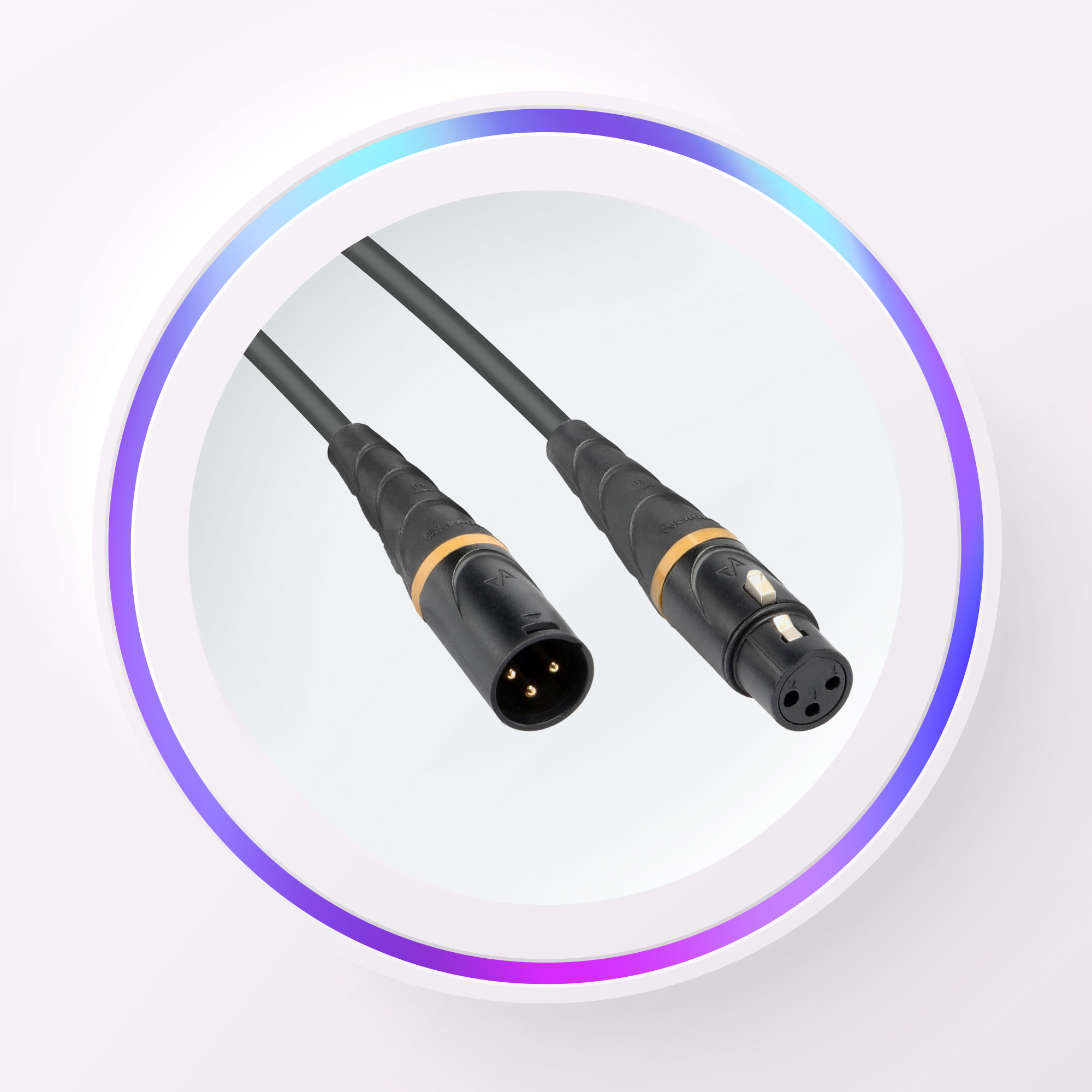
While Kopul cables may be a little more expensive than something from Amazon Basics, we think it’s one of the best quality cables you can get for your buck. Despite its accessible price point, the cable components are far from flimsy. In fact, the Kopul Premium Performance 3000 Series uses Neutrik XX Silver Connectors, which is the same brand of connectors used by much more expensive cable brands. And good connectors are particularly important; there are too many unfortunate stories of people getting cheap connectors stuck in their expensive equipment. This issue rarely happens with Neutrik, which provides a secure, yet super smooth connection.
The 3000 Series 10-foot male XLR to female XLR is a great example of what the company offers for under 20 bucks. It has a very flexible design, and features high-quality dual-spiral shielding, allowing it to effectively reject EMI, RFI and static noise. It also integrates a cotton-yarn inner layer to help reduce electrostatic and microphone noise. Finally, it feels pretty durable with all solder points shrink-wrapped for maximum protection. Another great feature is the wide range of colors offered; you’ll never have to follow a cable line or plug your cables into the wrong holes again.

Enova
It may be a lesser-known brand, but Enova deserves a shoutout in this category. A few factors stand out here. Thanks to its True Mold technology, the 24 AWG cable and Swiss-made connectors are fully integrated, using a seamless molding method to securely merge the two components. The result is fantastic strain relief, a promise that is backed up by a lifetime warranty. It has other characteristics that speak to its durability as well, such as the gold plated XLR contacts, which ensure better corrosion protection. In fact, it’s an optimal choice for musicians playing in harsh environments, as it touts weather and moisture resistance as well.
We also appreciate the tapered design, which prevents the cable from drooping. At the same time, the cable has great flexibility, making it very easy to manage. Finally, Enova prides itself on using eco-friendly manufacturing and packaging. So, you can sleep peacefully at night knowing you’re not harming the environment, even during your worst performances. You can pick up a 16.4-foot Enova NXT True Mold XLR Microphone Cable for under $25. Like the Kopul example above, Enova cables may not be dirt cheap, but for the quality and reliability that the brand offers, it’s a great deal in our books.
Microphone Cables: Midrange to High-End
Pro Co Sound
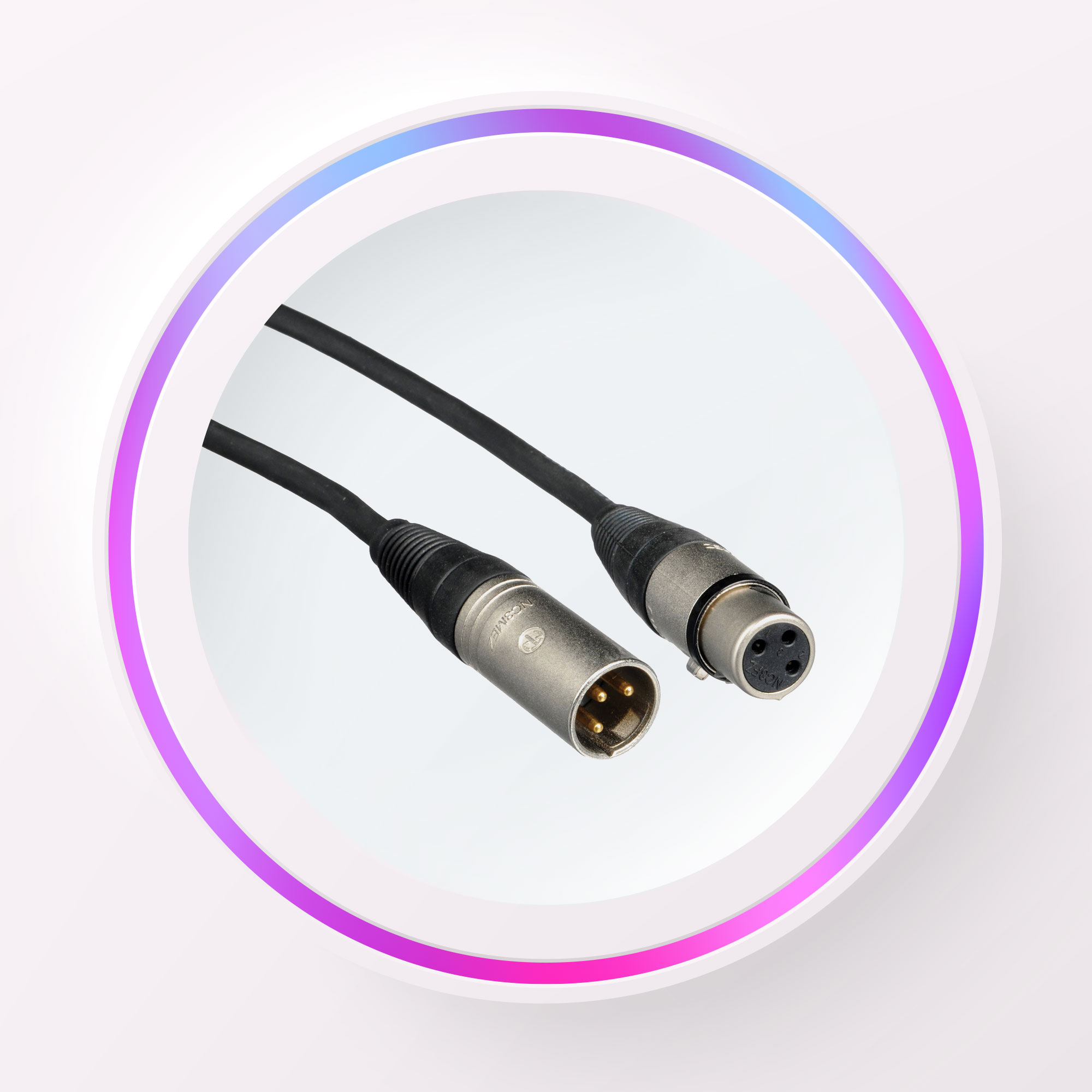
While this Pro Co Sound offers budget options, they do have a selection of more premium cables, such as the MasterMike XLR. It’s a heavy-duty cable with excellent rejection to noise and sound degradation. It features a 94% braided shield, which is often preferred over other types of shielding, not only for its strength, durability and flexibility, but also because of its high conductivity and fantastic RFI shielding. Given its ability to retain a pure signal, and its balance between toughness and flexibility, the MasterMike XLR might be an all-around winner in this price range.
Mogami
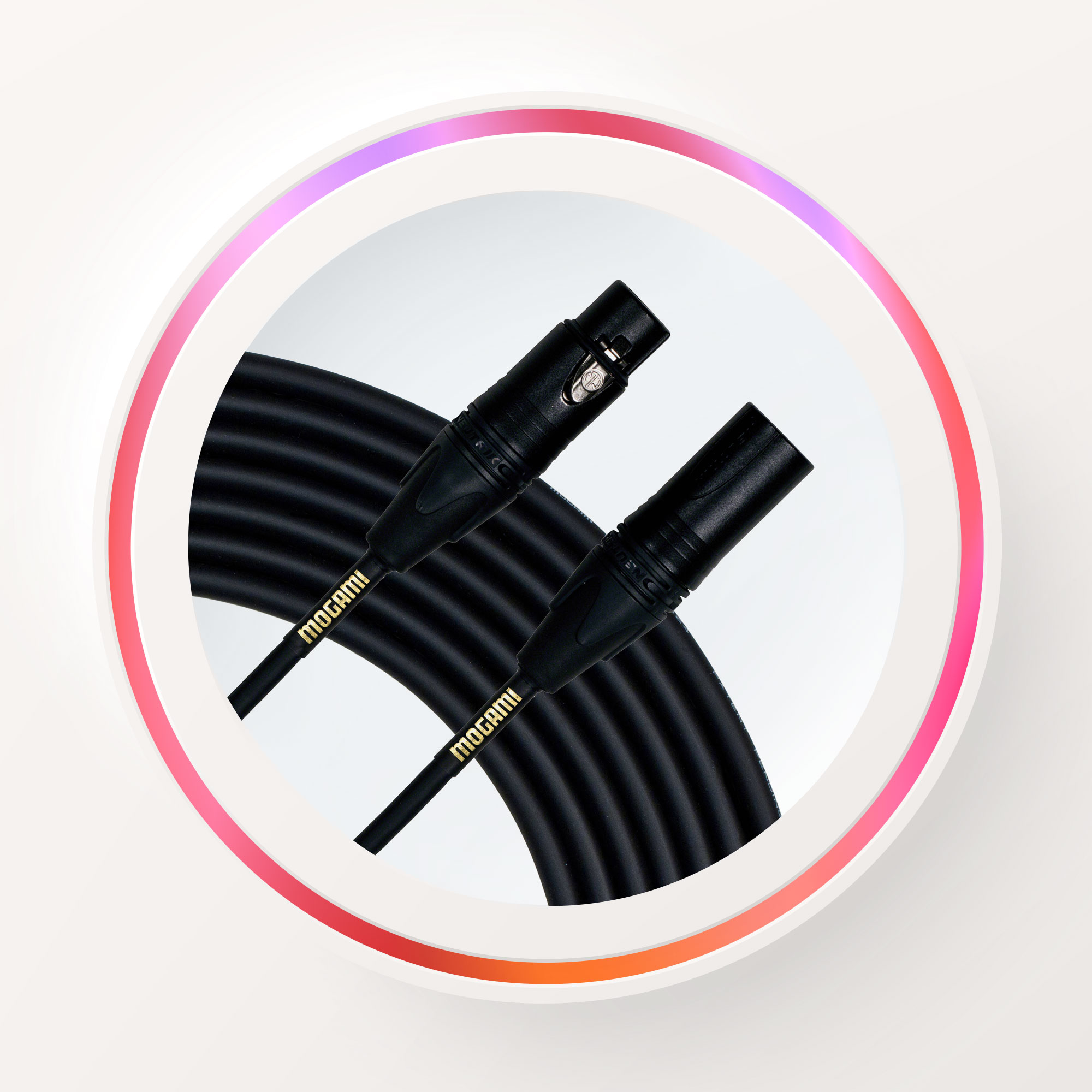
Even those who scoff at high-priced cables still give credit to Mogami for the undeniable quality of its cables. Mogami cables also tend to have a low capacitance, doing a great job of keeping those high frequencies awake. The Mogami Gold Studio XLR Microphone Cable is a popular choice for prosumers, especially. It features a four-conductor cable with a spiral, bare copper shield designed for maximum rejection of RFI and EMI and accurate signal transmission with low noise. This model is ideal for home studio producers who frequently use unbalanced equipment and often run into wiring and grounding problems. Finally, Mogami is famous for its reliability. Unlike cheaper cables, you won’t need to replace a cable like this for a long time. And once you do, you can rely on Mogami’s lifetime warranty. And yes, it has gold contacts.
Instrument Cables: Budget to Midrange
Hosa Technology
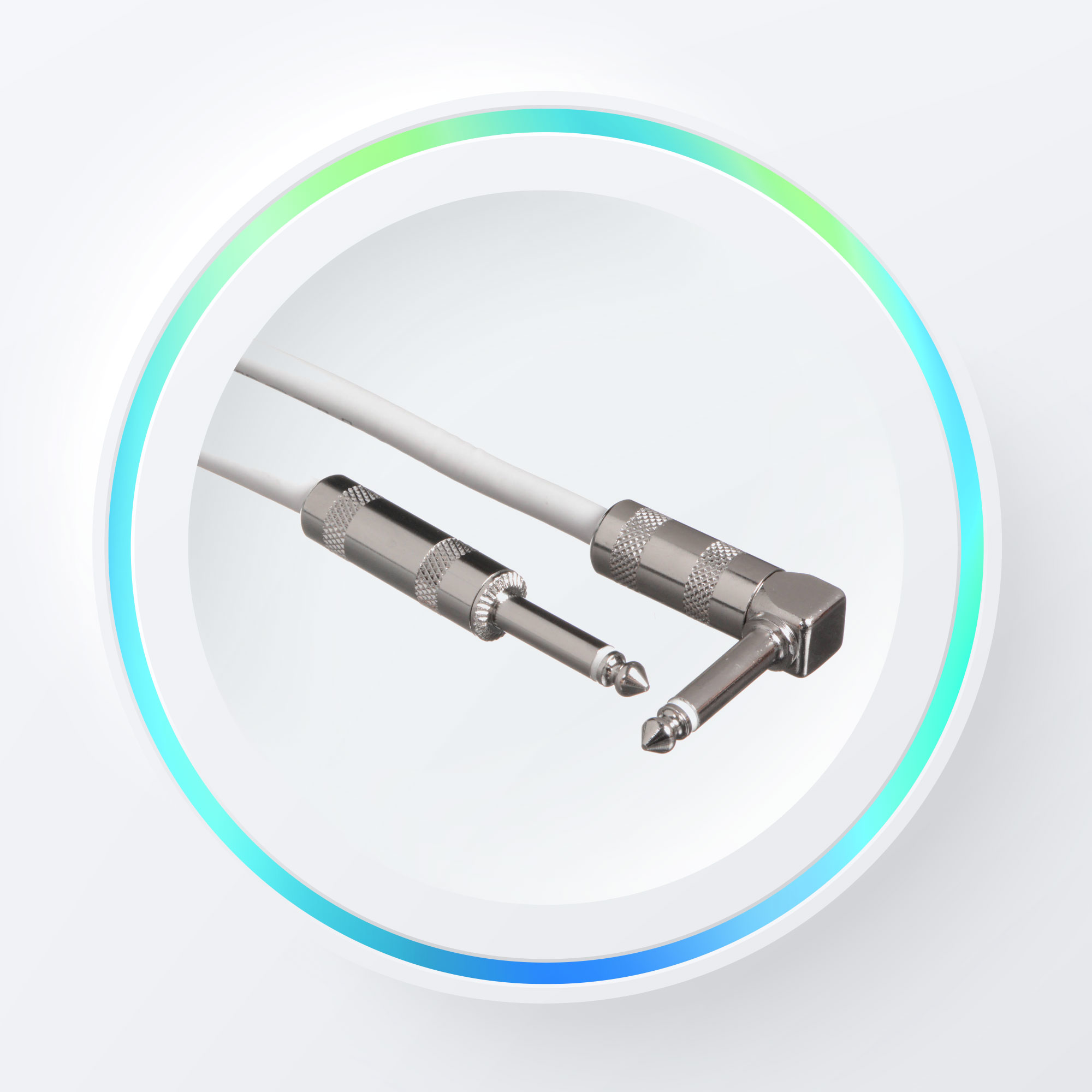
While Hosa may not be the Mercedes of instrument cables, it’s an exceptionally reliable and popular choice for guitarists. In fact, it offers fantastic value given its uncompromising manufacturing practices and top-quality components. Hosa’s Straight to Right-Angle Guitar Cable is a no brainer. Featuring quality ¼-inch connectors, 24 AWF Oxygen-free Copper (OFC) conductors and hi-density 90% OFC braided shielding, you can count on excellent EMI and RFI rejection. So, if you’re looking for a cable that is not only affordable but also dependable with a clear and clean signal, you can’t go wrong with this brand. You’re also covered by a lifetime warranty.
BOSS
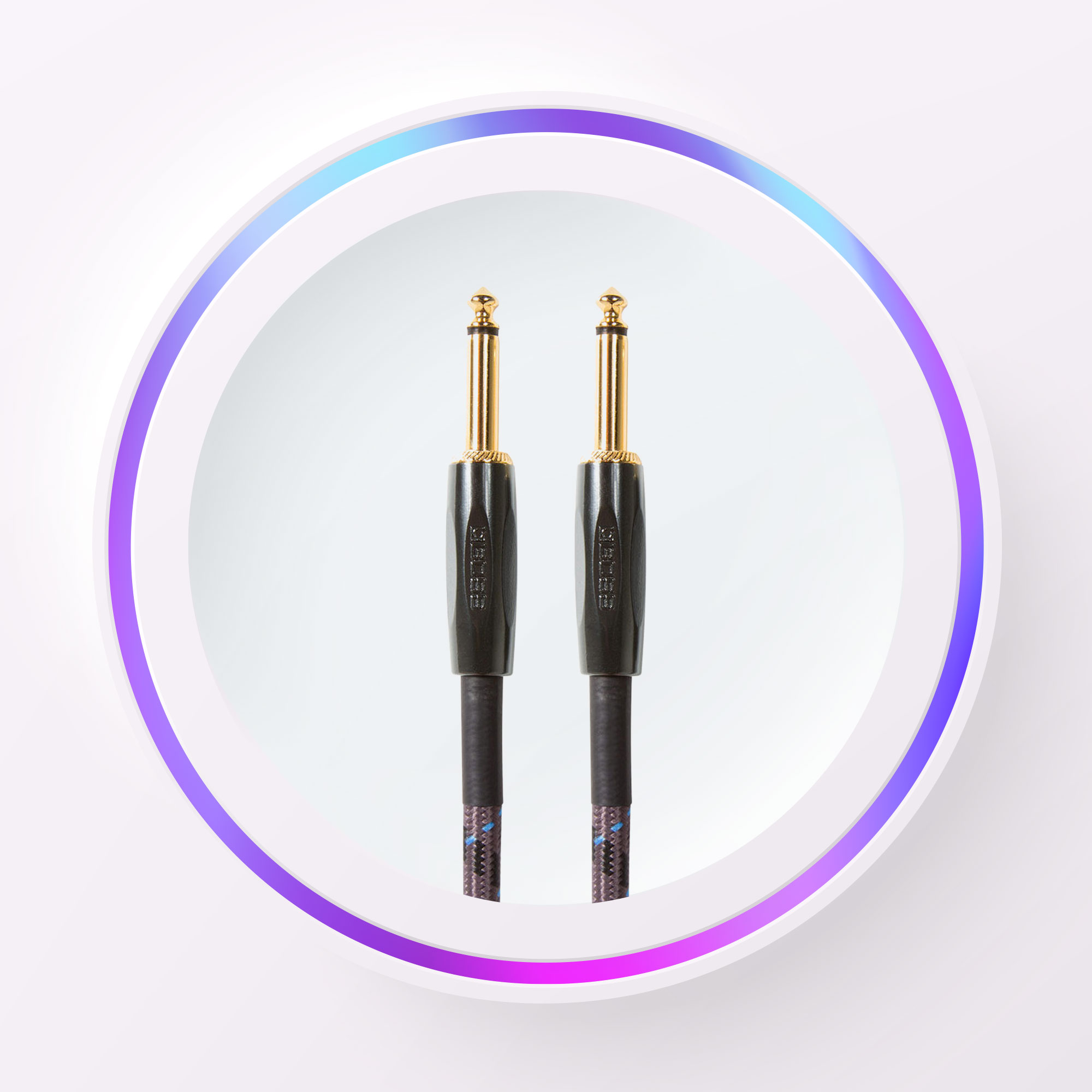
The cables from Boss are also worth a mention. Whether you’re a guitarist or keyboard player, you can trust their cables to get the job done at the most professional level. The BOSS BIC-5, for example, features custom-designed connectors and 24K gold-plated contacts. It prides itself on delivering a natural performance for whatever instrument you play and promises quiet operation and durability with its heavy-duty braided shielding. We especially love the woven outer jacket design, which not only feels great to handle, but also ensures a long and beautiful relationship.
Instrument Cables: Midrange to High-End
Canare
Canare specializes in high-performance cables for electric and bass guitars. The Canare GS-6 is hand-assembled with an 18 AWG, 127-strand oxygen-free copper cable, a rugged Neutrik Silent right angle ¼-inch plug and a black and gold straight plug. The right-angle TS Silent Plug phone connector automatically mutes the cable to avoid pops and squeals when changing the instrument while the cable is plugged into the amp. We should warn you, however, that you should always connect the Silent Plug end of the cable into the instrument and only after connecting the other end of the cable to an amplifier to reduce the risk of amp damage.
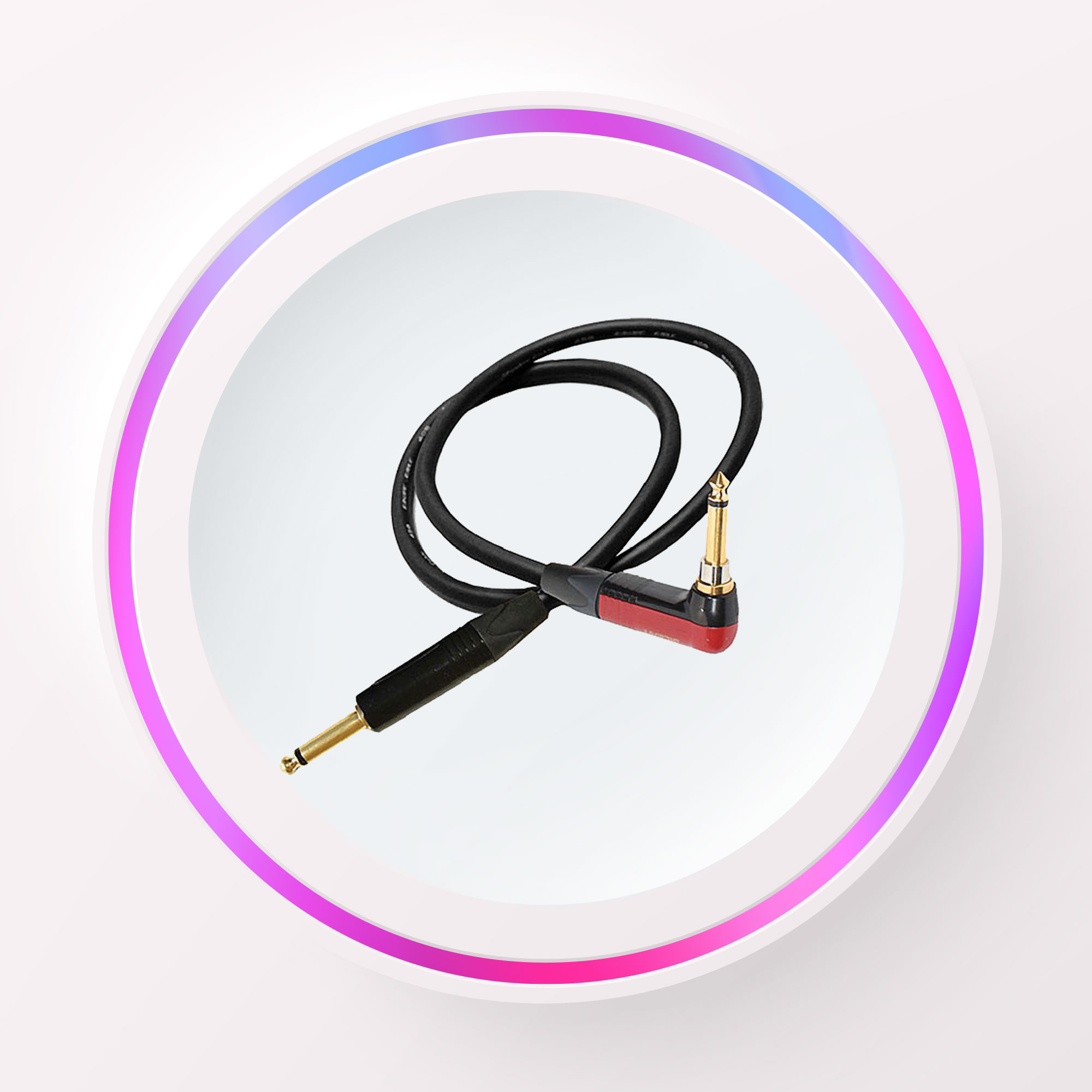
The Canare GS-6 also has low capacitance, allowing the brighter characteristics of your sound to be preserved. And given the tough but flexible PVC jacket, your cable will be resistant to tears and cracks while remaining pliable even at sub-zero temperatures. So, you can finally book that show at the North Pole you’ve always been dreaming about.
Mogami
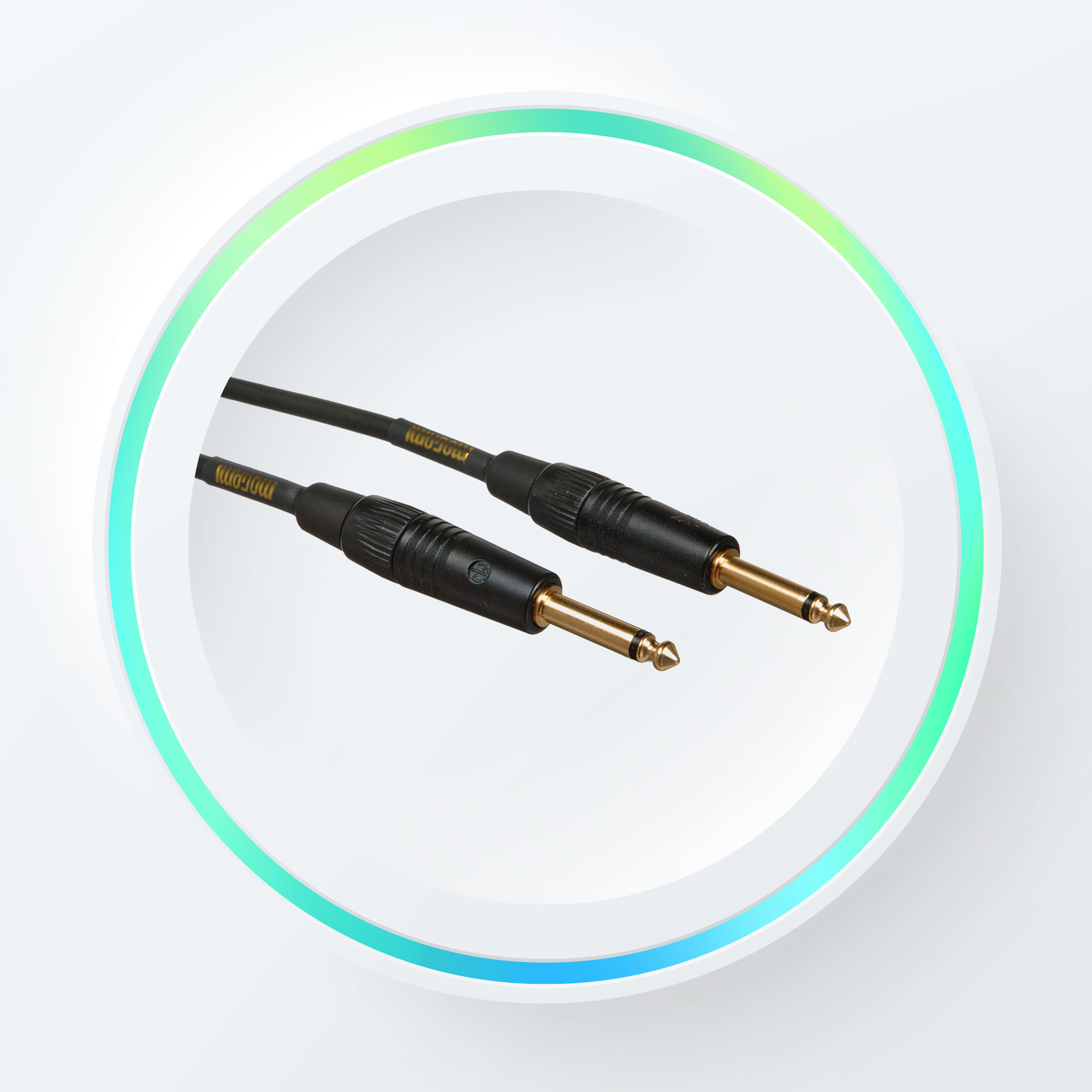
Yep, we’re going to mention Mogami again. Don’t hate it because it’s beautiful. The Mogami Gold Instrument ¼-inch Male to ¼-inch Male Instrument Cable will shine with any unbalanced instrument you choose to work with. We’re not going to go through the whole spiel again because the brand sells itself but we’ll the essentials include oxygen-free copper core for maximum transparency, uber high density spiral shield, carbon-impregnated PVC to eliminate any handling noise, and a lifetime warranty. Yes, it will cost you. But better to buy one or two of these cables than 10 crappy ones that you constantly must replace and curse at.
For more information about the cables listed, including available lengths, specs, and highlights, be sure to check out our detailed product pages for more information. Or drop us a line below, and we’ll do our best to answer all your comments and questions.
