Search results for: pro audio tips solutions how to use a microphone adapter
About 9 filtered results
by Mathew Malwitz · Posted
As photographers, we are faced with a wide array of lighting conditions, ranging from bright sunlight to dimly lit interiors. Using ambient light as your main source is often preferable; however, in a situation such as an event or portrait where time is of the essence, you will need to know how to properly expose all these varying scenes using both natural and artificial light sources.
Being resourceful with your lighting setups lends greater efficiency, and having a lighting system you can easily move from one situation to the next quickly is
by Phillip Nichol… · Posted
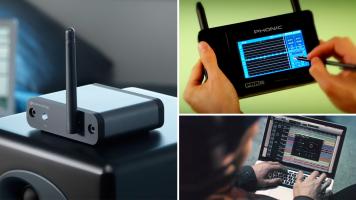
When considering a new gear purchase, it’s easy to get caught up in extravagant equipment and overlook things that would ease the pain of daily audio life. There are routine processes that can be simplified, common problems that can be more quickly solved, and significant sonic improvements that can be made if you have the right tools. I’d like to share six audio tools that can easily become irreplaceable pieces in your arsenal. Manufacturers such as Audioengine, dbx, Galaxy Audio, Little Labs, Phonic, Pyle Pro, Radial, Sonarworks, and Waves
by Jason T · Posted
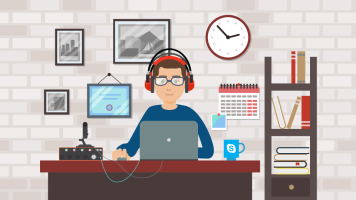
Skype could be considered the best—and worst—thing to ever happen to podcasting. The ability to interview guests remotely is, of course, invaluable. Horrendous audio due to digital artifacts and bad microphones? Not so much. While the pros and cons of Skype recording are stark in contrast, it is certainly possible to maximize the benefits, while minimizing the drawbacks.
While probably the most common, Skype is just one of many voice over IP (VoIP) systems that you can use to interview podcast guests remotely. So, most of the tips here

by Eric Calvi · Posted
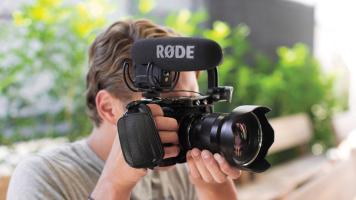
Say you’re covering news or conducting interviews in the field for your V-blog, YouTube channel, Facebook Live, or a documentary. The locations vary widely—indoor/outdoor, press conferences and on-the-fly interviews, and perhaps even political conventions—and all represent widely varying sound-recording environments. As a news gatherer, you know that your audio quality can make or break your video piece. What system should you use to get the best sound possible, no matter the location or situation? Should you go wired, or wireless?
Any audio
by Shawn C. Steiner · Posted
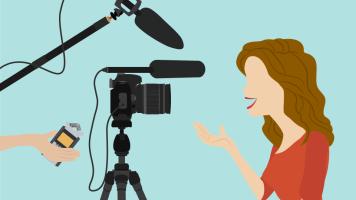
While you can definitely get by with the same kit you use for your still photography, video adds some additional concerns that require extra equipment. Now that you know a few basics about shooting video, or you should if you read the first part of this series, Getting Started, you will definitely want some of these helpful tools to step up your game.
The essentials
An
by Peter Ward_1 · Posted
Vlogging, or intertwining video content with blog posts, looks like it might become the new blogging. If you are thinking about starting a vlog, or already have one, you might want to know what tools are best to use. In this part of Explora’s vlogging how-to series, we will consider sound; in particular, how to capture and record great sound.
With vlogging, as with other types of audio acquisition, the basic challenge is the same

by jaime traba · Posted
Poor audio! While many tout the mantra that sound is half your film or broadcast, budgetary constraints can relegate sound to an afterthought—unfortunately, often to the peril of your project’s quality. While getting your sound captured correctly can be a daunting task, especially to the audio-uninitiated, you fortunately already have a powerful tool right in your pocket. No, not your wallet—your other pocket.
The iPhone has evolved from a straightforward portable communication device to a powerful, portable computer, capable of much more than

by Sam Mallery and Nicholas Messitte · Posted
Nowadays, many people are using portable digital recorders like the Zoom H4n, Zoom H6, or Tascam DR-40X to record the audio during video shoots with DSLR/mirrorless cameras. Now you need some real-world advice about using this
by Thomas Popp · Posted
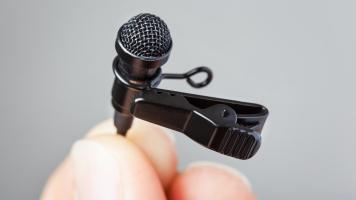
One idea that resonates for me, having worked as a Sound Mixer for many years, is that there is no one way to do anything. Putting a lavalier microphone on talent is a skill that requires as many “solutions” as you can possibly devise. The person with the largest number of options and tools is the one who will be prepared for any situation.
Unfortunately, no one accessory or wiring technique is perfect for every scenario, but if something doesn’t work out on