SFX Week

by Allan Weitz ·Posted
Most photographers use sharpness as qualifier to rate the quality of their lenses, but as any seasoned photographer can tell you, resolution isn’t the end-all when it comes to ranking lens qualities. If anything, it’s the character of a lens—the way it renders your subject, that determines the quality of a lens. In this article, we will discuss lenses that bring something special to the party—lenses that break from the rest of the pack.
Pinholes
Some of the earliest photographs were captured with cameras obscura, which have evolved into

by Cory Rice ·Posted
When many people think of special effects, they think of dimly lit rooms, expensive computers, and complicated software. While this may be an accurate picture if you are editing a blockbuster action movie, digital still photographers can do a lot to their images even before transferring files off their camera. The following guide covers some of the more popular in-camera effects on the market to consider when purchasing a new camera or for better understanding the camera you already own.
Film Simulation and Color Profiles
In recent years,
by Allan Weitz ·Posted
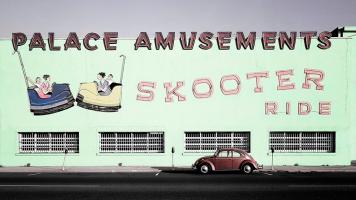
The practice of hand-coloring black-and-white photographs can be traced all the way back to the days of daguerreotypes, which predates Instagram creative filters by about 180-plus years. In a bid to add life to the putty-like tonality of many of the earliest print technologies, photographers would very carefully brush thin layers of color pigments mixed with gum arabic (or quicker-drying mixtures containing alcohol) onto the cheeks, hair, and outerwear of portrait sitters. With the advent of paper print processes and tintypes, the use of